







Discover Aigues-Mortes
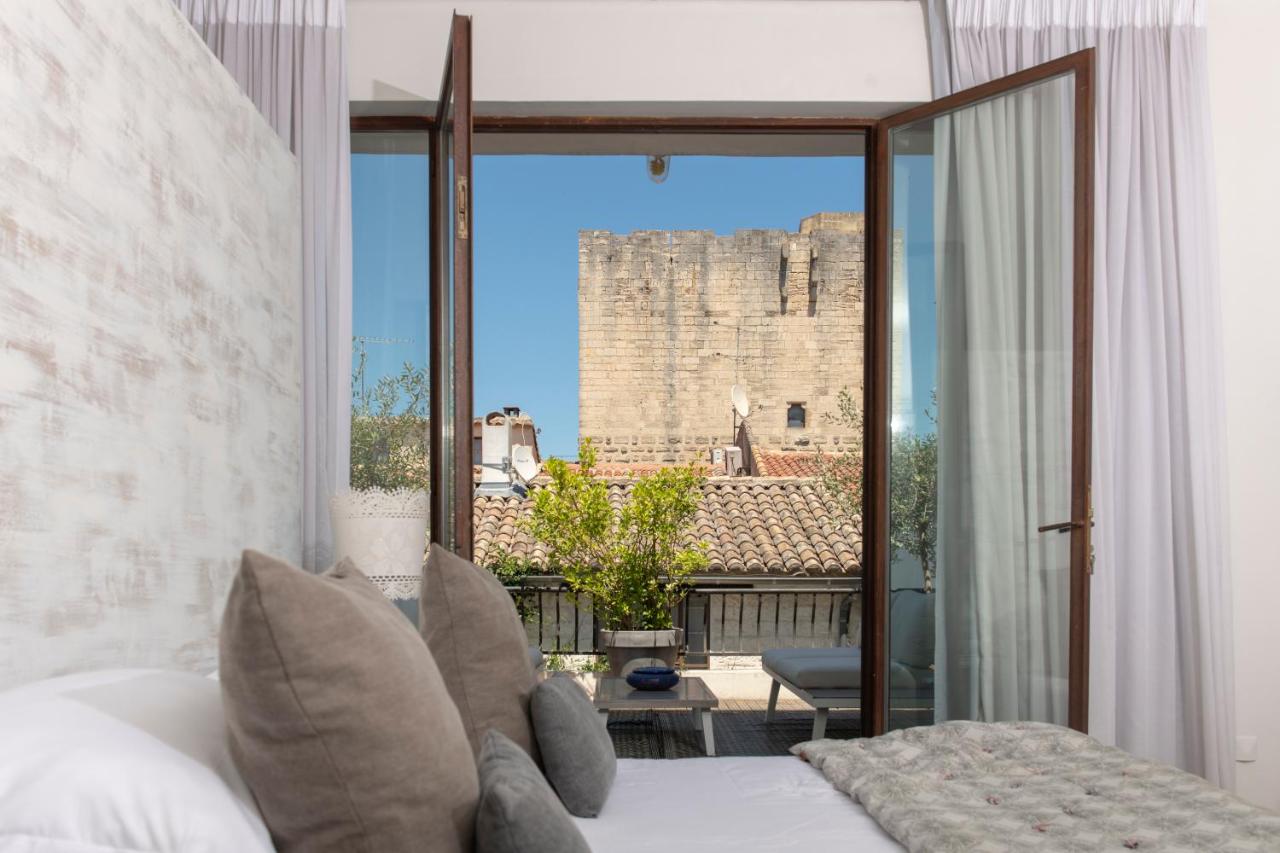
Another must-see attraction in Aigues-Mortes is the Tower of Constance. Built in the 14th century, this tower served as a prison during the Middle Ages. Today, it's open to the public and offers a fascinating glimpse into the town's history.
If you're looking for a little relaxation, head to the Salins d'Aigues-Mortes. This salt marsh is still in operation and produces over 500,000 tons of salt each year. Take a tour to learn about the salt-making process and enjoy the breathtaking views of the marshes.
No trip to Aigues-Mortes would be complete without sampling the local cuisine. The town is known for its delicious seafood dishes, including the famous "bouillabaisse." You'll also find plenty of restaurants serving traditional French cuisine, as well as some more modern offerings.
Aigues-Mortes: Understanding the Meaning in French
Aigues-Mortes is a town located in the southern part of France, near the Mediterranean coast. The name of the town may seem strange to non-French speakers, but it actually has a very interesting meaning.
Aigues is a French word that means "waters" or "streams," while mortes means "dead." So, when translated literally, Aigues-Mortes means "dead waters."
But what does this name actually refer to? The town was founded in the 13th century by King Louis IX, also known as Saint Louis. At the time, the area was a marshland that was regularly flooded by the sea. The name "dead waters" was given to the town because the water in the surrounding marshes was stagnant and not suitable for drinking or fishing.
Despite the inhospitable conditions, King Louis IX saw the strategic potential of the location. He wanted to make Aigues-Mortes a major port for the Crusades, as it was one of the only ports in the region that could accommodate large ships. To do this, he ordered the construction of a massive fortification around the town, including walls, gates, and towers.
Today, the fortifications of Aigues-Mortes are still standing and are a major tourist attraction. Visitors can walk along the walls and admire the stunning views of the surrounding marshes and salt flats. The town itself is also worth exploring, with its charming streets and historic buildings.
In addition to its historical significance, Aigues-Mortes is also known for its salt production. The surrounding marshes are home to vast salt flats, where salt has been harvested for centuries. Visitors can learn about the salt production process at the Salins du Midi salt museum, located just outside the town.
Discover the Department of Aigues-Mortes
Located in the south of France, Aigues-Mortes is a charming medieval town that is steeped in history. The town is situated in the department of Gard, which is known for its beautiful landscapes and rich cultural heritage. If you are planning to visit Aigues-Mortes, here is what you need to know about the department:
The department of Gard is located in the Occitanie region of France, which is known for its olive groves, vineyards, and endless fields of lavender. It is bordered by the departments of Bouches-du-Rhône, Hérault, Lozère, and Vaucluse. The department is home to several charming towns and villages, including Nimes, Uzès, and Anduze.
The department of Gard has a rich history that dates back to the Roman era. The city of Nimes, in particular, is famous for its well-preserved Roman monuments, including the Arena of Nimes and the Maison Carrée. During the Middle Ages, the region was home to several powerful feudal lords, including the Counts of Toulouse. Aigues-Mortes itself was founded in the 13th century by King Louis IX as a port town for the Crusades.
The department of Gard has a wide range of attractions to offer visitors. In addition to the historic town of Aigues-Mortes, there are several other medieval towns and villages to explore, including the walled city of Uzès and the hilltop village of Anduze. The region is also known for its stunning natural landscapes, including the Camargue National Park, which is home to wild horses, flamingos, and other wildlife. Wine lovers will also appreciate the department's many vineyards and wineries.
If you are planning a trip to Aigues-Mortes, be sure to take some time to explore the department of Gard and all it has to offer.
Discover Aigues-Mortes: A Must-See Destination
Located in the Camargue region of southern France, Aigues-Mortes is a charming medieval town that is a must-see destination for anyone visiting the country. With its historic ramparts, picturesque streets, and stunning natural surroundings, Aigues-Mortes has something to offer everyone.
Aigues-Mortes was founded in the 13th century as a port town by King Louis IX of France. Its strategic location on the Mediterranean coast made it an important center of trade and commerce, and its ramparts and fortifications were built to protect it from invaders. Over the centuries, Aigues-Mortes has been the site of many battles and sieges, and its history is reflected in its architecture and cultural heritage.
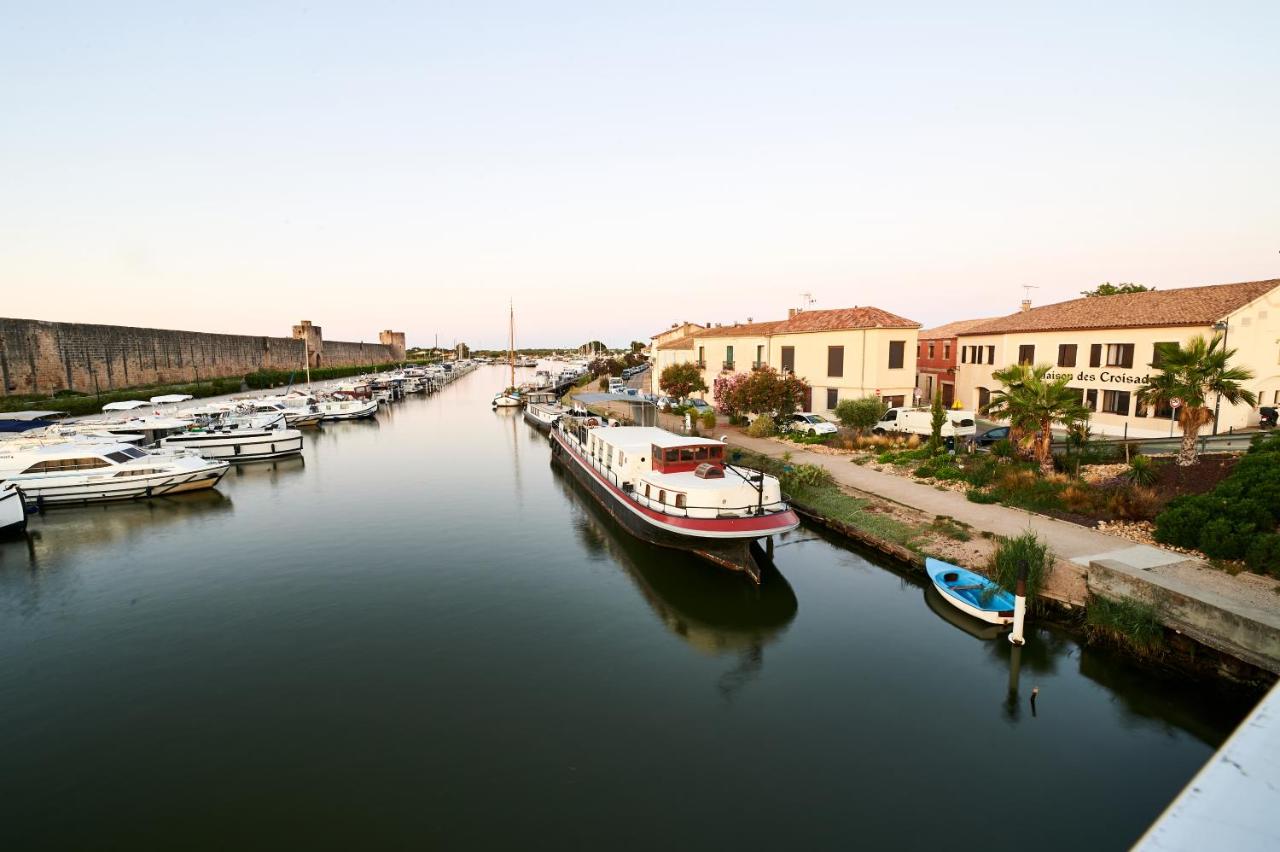
One of the main attractions of Aigues-Mortes is its well-preserved medieval ramparts. Visitors can walk along the top of the walls and enjoy stunning views of the town and the surrounding marshes. The town itself is a maze of narrow streets and charming squares, with many historic buildings and monuments to explore.
The Place Saint-Louis is the heart of the town, and is home to many restaurants, cafes, and shops. The Church of Notre-Dame-des-Sablons is a beautiful example of Gothic architecture, and the Tour de Constance is a medieval tower that offers panoramic views of the town and the sea.
Another popular attraction in Aigues-Mortes is the nearby Camargue Natural Park, which is home to a diverse array of flora and fauna. Visitors can take a guided tour of the park, or explore on their own by hiking, biking, or horseback riding.
Aigues-Mortes is easily accessible by car, train, or bus from nearby cities such as Montpellier, Nimes, and Marseille. The town is also served by its own train station, which is located just a short walk from the center of town.
Whether you are interested in history, architecture, or natural beauty, Aigues-Mortes is a destination that should not be missed. With its stunning ramparts, charming streets, and proximity to the Camargue Natural Park, this medieval town offers a unique and unforgettable experience for visitors to France.
Why Aigues-Mortes Was Built: The Fascinating History
Aigues-Mortes is a small, walled town located in the Camargue region of the south of France. This town has a rich and fascinating history, dating back to the 13th century, when it was built by King Louis IX.
So, why was Aigues-Mortes built?
King Louis IX, also known as Saint Louis, wanted to create a new port on the Mediterranean coast that would allow France to trade with the Middle East and North Africa. At the time, the region was controlled by the Kingdom of Aragon, and the existing Mediterranean ports were under their control. To bypass this, King Louis IX decided to build a new port on land that was under his control. The location he chose was a small fishing village called Aigues-Mortes.
In 1240, King Louis IX ordered the construction of the town of Aigues-Mortes. The town was built on a grid pattern, with streets and buildings arranged in a regular pattern. The walls of the town were made of stone and were over 6 meters high. The town had several gates, including the impressive Saint Louis Gate, which still stands today.
The importance of Aigues-Mortes
After the construction of Aigues-Mortes, it quickly became an important trading port for France. The town was strategically located, allowing French ships to bypass the Kingdom of Aragon’s control over the Mediterranean ports. The town also became an important military base, as it was used as a launching point for the Crusades.
Aigues-Mortes continued to be an important town throughout the Middle Ages, and several monarchs, including King Philip IV of France, used it as a base for their military campaigns. However, as the importance of the port decreased in the 16th century, the town began to decline.
Today, Aigues-Mortes is a popular tourist destination, known for its impressive walls and historic buildings. Visitors can explore the town’s narrow streets, visit the impressive Saint Louis Gate, and walk along the ramparts for stunning views over the surrounding countryside. The town is also known for its salt marshes, which produce high-quality sea salt.
In conclusion, Aigues-Mortes is a charming and historic locality that is definitely worth a visit. Its rich history and beautiful architecture make it a popular destination for tourists who are seeking an authentic French experience. From exploring the medieval walls and towers to enjoying the delicious local cuisine, there is something for everyone in this quaint town. So, if you are planning a trip to France, be sure to add Aigues-Mortes to your itinerary and immerse yourself in its fascinating history and culture.