
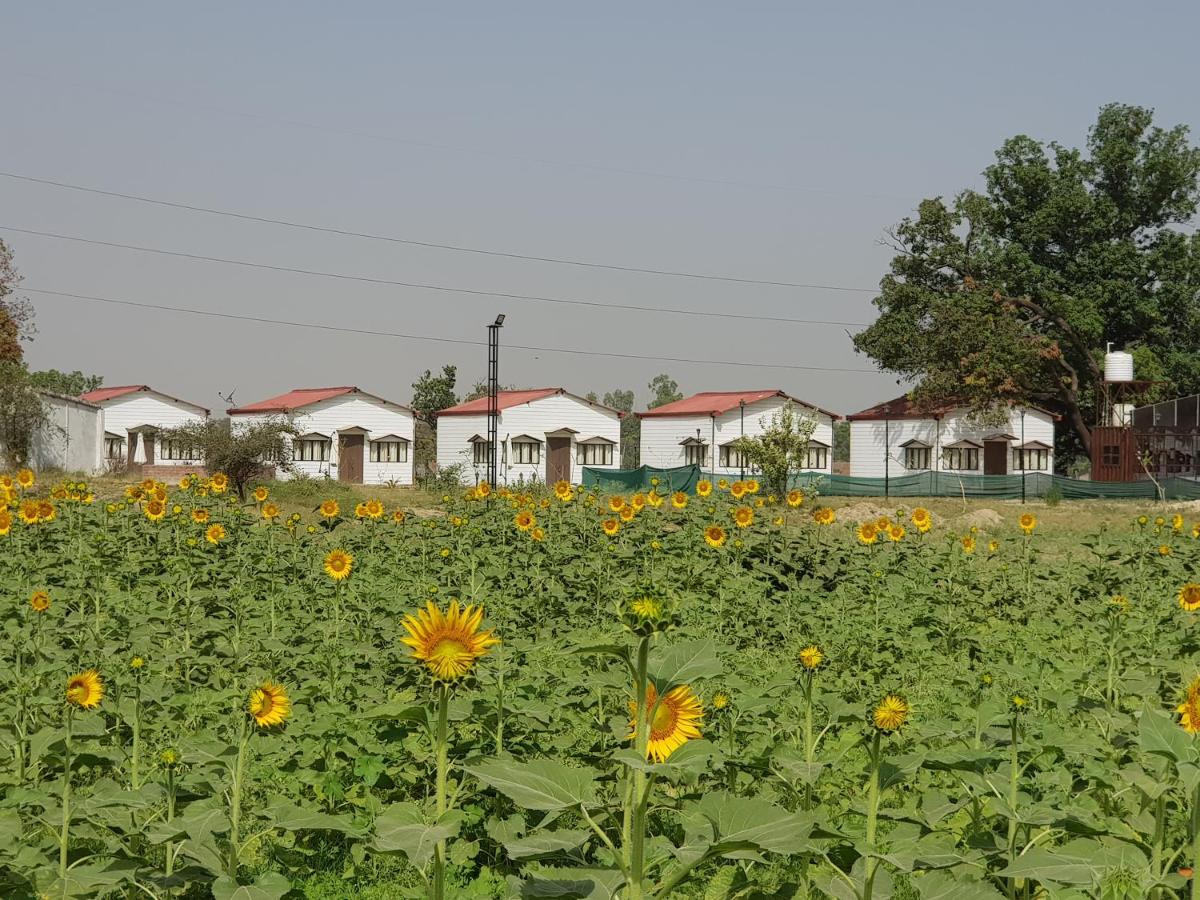

Discover Allahābād
Allahābād is also known for its delicious street food, such as chaat and pani puri. The city's bustling markets, such as Katra and Chowk, offer a range of traditional handicrafts and textiles.
For nature enthusiasts, Allahābād has several parks and gardens, such as the Minto Park and Alfred Park, that offer a serene escape from the hustle and bustle of the city.
We hope that this brief introduction to Allahābād has piqued your interest in visiting this fascinating locality. From its spiritual significance to its rich history and cultural offerings, Allahābād is a must-visit destination for anyone exploring India.
Discovering the Location of Allahabad State in India
Allahabad is a city located in the northern Indian state of Uttar Pradesh. It is situated at the confluence of the Ganges, Yamuna and mythical Sarasvati rivers. The city is known for its rich history and cultural significance, and is considered to be one of the oldest cities in India.
The exact location of Allahabad is 25.4358° N, 81.8463° E.
Allahabad was originally known as Prayag, which means "place of sacrifice" in Sanskrit. The city was renamed Allahabad in 1575 by the Mughal emperor Akbar, who made it the capital of his empire for a short period of time. Today, Allahabad is an important center for education, commerce, and tourism in Uttar Pradesh.
The city is home to several important landmarks and institutions, including the Allahabad High Court, the Indian Institute of Information Technology, and the Triveni Sangam, the point where the three rivers meet. The Kumbh Mela, a major Hindu festival, is held in Allahabad every 12 years and attracts millions of pilgrims from across India and around the world.
Allahabad is well-connected to other parts of India by road, rail, and air. The city has its own airport, Allahabad Airport, which offers flights to several major cities in India. The Allahabad Junction railway station is one of the busiest railway stations in the country and connects the city to several other major cities, including Delhi, Mumbai, and Kolkata. The city is also well-connected to other parts of Uttar Pradesh and neighboring states by a network of highways and roads.
Allahabad's New Name: Discover the City's Changed Identity
The city of Allahabad, located in the northern Indian state of Uttar Pradesh, recently underwent a significant change. On October 16, 2018, the state government announced that the city would now be officially known as Prayagraj.
This decision was met with mixed reactions from the residents of Allahabad, who had grown accustomed to the city's original name. Some viewed it as a way to honor the city's ancient roots, as Prayagraj is the name of the city's holiest site where the Ganges, Yamuna, and Saraswati rivers converge. Others saw it as an unnecessary change, one that would only cause confusion and inconvenience.
Despite the controversy surrounding the name change, it is important to understand the significance of the new name and what it means for the city's identity.
Prayagraj is a Sanskrit word that translates to "place of sacrifice." It is a name that has been associated with the city for centuries, dating back to the time of the ancient Vedas. The city's original name, Allahabad, was given to it by the Mughal emperor Akbar in the 16th century. However, the name Prayagraj continued to be used by locals and pilgrims alike, particularly during the Kumbh Mela festival, which is held every 12 years and attracts millions of visitors to the city.
The decision to officially change the name to Prayagraj is therefore not a new one, but rather a recognition of the city's historical and cultural roots.
The name change also reflects the current political climate in Uttar Pradesh, which is led by the Hindu nationalist Bharatiya Janata Party (BJP). The party has been pushing for the renaming of cities and towns with Muslim-sounding names, in an effort to promote a more Hindu-centric identity for the state.
While the name change may have political undertones, it is important to recognize the cultural significance of Prayagraj and what it means for the city's identity.
For visitors to the city, the name change may cause some confusion at first. However, it is important to remember that the city's cultural heritage and historical significance remain unchanged, regardless of what it is called.
Discover Allahabad's Former Name for a Glimpse of the Past
Allahabad, a city located in the northern Indian state of Uttar Pradesh, has a long and rich history. The city has been known by different names throughout its history, each reflecting a different era and culture.
One of the most significant names for Allahabad is Prayag, which means "place of sacrifice" in Sanskrit. According to Hindu mythology, Prayag is the place where Lord Brahma, the creator of the universe, performed the first yagna or sacrifice after the creation of the world. For this reason, Prayag is considered one of the most sacred places in India and is a popular destination for pilgrims.
The name Allahabad, which means "City of God" in Arabic, was given to the city by the Mughal emperor Akbar in the 16th century. Akbar was known for his religious tolerance and he chose the name to reflect the city's importance as a center of spirituality for both Hindus and Muslims. The name Allahabad has been in use ever since and is now the official name of the city.
Another name for Allahabad is Kaushambi, which was the name of the ancient kingdom that once ruled the area. Kaushambi was an important center of Buddhism and was visited by the Buddha himself. Many ancient Buddhist sites can still be found in the area, including the ruins of a stupa and monastery.
By exploring Allahabad's former names, visitors can gain a deeper understanding of the city's rich history and cultural significance. Whether you are a history buff, a spiritual seeker, or simply curious about the world, Allahabad has something to offer. From ancient temples to modern universities, the city is a vibrant and diverse place that reflects the many layers of India's past and present.
Discover Allahabad's Country: Location Unveiled
Discover Allahabad's Country: Location Unveiled is an article about the locality of Allahābād in India country.
The article provides detailed information about the location, history, and culture of Allahābād. It highlights the significance of the city as a religious and cultural center and its historical importance as a center of trade and commerce.
The article emphasizes the religious importance of Allahābād as a pilgrimage site for Hindus. It describes the city as the site of the Sangam, the confluence of three holy rivers, and the location of the Kumbh Mela, the largest religious gathering in the world.
The article also highlights the cultural and historical significance of Allahābād. It describes the city as a center of art and literature, and as the birthplace of many prominent figures in Indian history and culture.
The article provides detailed information about the city's geography and climate, as well as its economy and infrastructure. It also discusses the challenges facing the city, including pollution and overcrowding.
In conclusion, Allahābād is a unique and historically rich locality in India that boasts of a vibrant culture, diverse population, and a plethora of tourist attractions. From the holy confluence of rivers to the ancient temples and the bustling markets, Allahābād has something to offer to every kind of traveler. The city has played a significant role in the history and development of India, and its importance continues to thrive even today. Allahābād is undoubtedly a must-visit destination for anyone who wishes to explore the rich heritage and culture of India.