








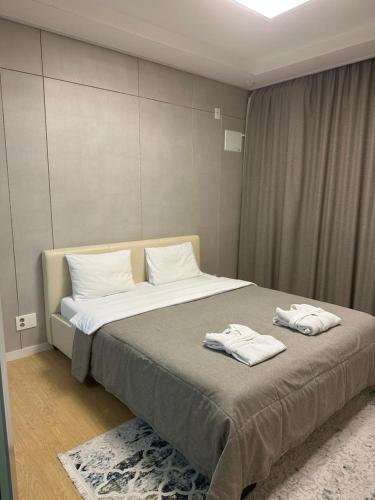
Discover Astana
Another must-see attraction in Astana is the Palace of Peace and Reconciliation. This stunning pyramid-shaped building was designed by renowned architect Norman Foster and is dedicated to promoting global peace and understanding. The palace hosts events and conferences on interfaith and intercultural dialogue.
For those interested in history and culture, the National Museum of Kazakhstan is a must-visit. The museum showcases the country's rich heritage and features exhibits on Kazakh art, history, and culture.
If you're looking for a unique shopping experience, head to Khan Shatyr. This massive shopping and entertainment center is housed in a gigantic tent-like structure and features a variety of stores, restaurants, and recreational activities.
Finally, no trip to Astana would be complete without trying traditional Kazakh cuisine. You can sample local dishes such as beshbarmak (a meat and noodle dish) and kazy (a type of sausage) at one of the many restaurants in the city.
Astana is a vibrant and modern city that offers a unique blend of tradition and innovation. Whether you're interested in architecture, history, or culture, there's something for everyone in this beautiful city. We hope you have the opportunity to visit Astana and experience its magic for yourself.
Discover Astana Kazakhstan's Top Attractions
Astana, the capital city of Kazakhstan, is a modern city that has much to offer to visitors. From impressive architecture to cultural landmarks, there is something for everyone in this vibrant city. Here are some of the top attractions to visit in Astana:
The Baiterek Tower is one of the most iconic landmarks in Astana. This impressive tower stands 97 meters tall and offers visitors stunning views of the city.
The Astana Opera and Ballet Theatre is a must-visit destination for lovers of the performing arts. The theatre is known for its stunning architecture and world-class performances.
The Nur-Astana Mosque is one of the largest mosques in Central Asia. This stunning mosque features traditional Islamic architecture and is a popular destination for visitors to Astana.
The Khan Shatyr Entertainment Center is a massive shopping and entertainment complex located in the heart of Astana. This unique complex features an indoor beach, a cinema, and an amusement park, among other attractions.
The Astana City Park is a beautiful green space located in the heart of the city. This park features walking paths, bike trails, and plenty of open spaces for picnics and relaxation.
The National Museum of Kazakhstan is a must-visit destination for anyone interested in the country's rich history and culture. This museum features exhibits on everything from ancient civilizations to modern-day Kazakhstan.
These are just a few of the many attractions that Astana has to offer. Whether you are interested in history, culture, or entertainment, there is something for everyone in this vibrant city.
Discover Astana's Alternative Name: A Comprehensive Guide
Astana, the capital city of Kazakhstan, is a modern city that boasts of magnificent architecture, cultural diversity, and stunning landscapes. Astana is known for its futuristic buildings that seem to touch the sky, and it is home to a growing population of over one million people. However, what many people do not know is that Astana has an alternative name that tells a lot about its history and cultural significance.
Akmolinsk is the alternative name of Astana, and it is a reflection of the city's long and complex history. Akmolinsk was the original name of the city when it was founded in the 19th century as a military fortress. The name Akmolinsk means "white tombstone," which refers to the white limestone used to build the fortress. The name was changed to Tselinograd in the 1960s, which means "Virgin Lands City" because of the city's association with the Virgin Lands Campaign. The campaign was an agricultural project aimed at turning Kazakhstan's vast steppes into fertile farmland.
However, the city's name was changed again in 1992 to Astana, which means "capital city" in Kazakh. The name change was part of Kazakhstan's efforts to establish a new identity after gaining independence from the Soviet Union. Astana has since become a symbol of Kazakhstan's modernity, prosperity, and cultural heritage.
Astana is a must-visit destination for anyone interested in exploring Central Asia's unique culture and history. The city has many attractions that showcase its rich history and cultural diversity. Visitors can explore the city's museums, art galleries, and theaters, which offer a glimpse into Kazakhstan's traditional and contemporary art scenes.
The city's futuristic architecture is also a sight to behold, with buildings such as the Bayterek Tower, the Khan Shatyr Entertainment Center, and the Astana Opera House. These buildings are not only architectural marvels but also a reflection of Kazakhstan's vision for the future.
Discovering Astana's Livability: Pros and Cons
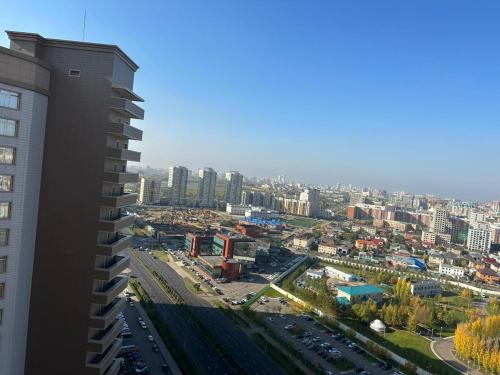
Astana, the capital city of Kazakhstan, has gone through a tremendous transformation in the past 20 years. From a small provincial town, it has become a modern metropolis with skyscrapers, futuristic architecture, and an impressive transportation system. But what is it like to live in Astana? Let's explore the pros and cons of this unique city.
Modern Infrastructure: Astana has a well-developed transportation system, including buses, trams, and a metro system. The city is also home to an international airport, making travel easy and convenient.
Low Cost of Living: Compared to other major cities in the world, Astana has a relatively low cost of living. Housing, food, and entertainment are all affordable.
Cultural Diversity: As the capital city of Kazakhstan, Astana is home to people from various ethnic backgrounds. This makes it a diverse and culturally rich city.
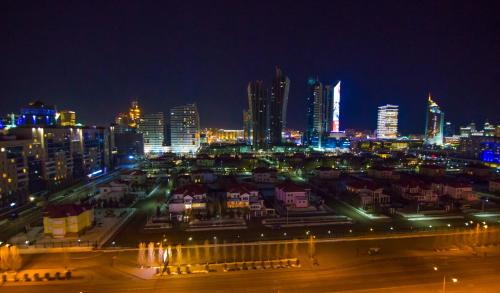
Futuristic Architecture: Astana is known for its unique and futuristic architecture, including buildings like the Bayterek Tower and the Khan Shatyr Entertainment Center.
Extreme Weather: Astana experiences extreme weather conditions, with temperatures dropping as low as -40°C in the winter and reaching up to 40°C in the summer.
Isolated Location: Astana is located in the middle of Kazakhstan, far from other major cities. This can make it difficult to travel to other parts of the country or to neighboring countries.
Limited Entertainment Options: While Astana has some entertainment options, such as cinemas and shopping malls, there are limited options when it comes to nightlife and cultural events.
Cultural Differences: While the cultural diversity of Astana can be a positive, it can also lead to cultural differences that some people may find challenging to navigate.
Discover Astana's Area: Facts and Figures
Astana is the capital city of Kazakhstan, located in the north-central region of the country. It was renamed from Akmolinsk to Tselinograd to Akmolinsk again before finally becoming Astana in 1998. The city has a population of approximately 1 million people and covers an area of 722.9 square kilometers.
The city is known for its unique architecture, which includes a mix of modern and traditional styles. The most famous building in Astana is the Bayterek Tower, which symbolizes the Kazakh legend of a tree of life and a bird of happiness. The tower has an observation deck that provides stunning views of the city.
Astana is a relatively young city, having been founded in 1830. It was originally a small fortress built to protect the northern borders of the Russian Empire. However, it has grown rapidly in recent years due to its status as the capital city and its importance as a transportation hub.
The city is located in the heart of the Eurasian continent, making it a strategic location for trade and commerce. It is situated at the crossroads of major transportation routes, including the Silk Road, and is home to the largest railway junction in Central Asia.
The climate in Astana is continental, with long, cold winters and short, hot summers. The average temperature in January, the coldest month, is -14.2°C, while the average temperature in July, the warmest month, is 20.2°C. The city receives an average of 300mm of precipitation per year, with most of it falling in the summer months.
The economy of Astana is based on a variety of industries, including oil and gas, mining, and manufacturing. The city is home to several major companies, including KazMunayGas, the national oil and gas company, and ArcelorMittal Temirtau, the largest steel producer in Kazakhstan. In recent years, there has been a push to diversify the economy by investing in sectors such as tourism and technology.
Astana is a cultural center, with a rich history and a thriving arts scene. The city is home to several museums and art galleries, including the National Museum of Kazakhstan and the Astana Opera House. It also hosts several annual events, such as the Astana International Film Festival and the Eurasia International Film Festival.
In conclusion, Astana is a city that has undergone a rapid transformation over the past two decades and has emerged as a modern and vibrant capital of Kazakhstan. Its unique blend of modern architecture, cultural heritage, and natural beauty make it a popular tourist destination. The city's strategic location and well-developed infrastructure have also made it an important center for business and trade in Central Asia. As Astana continues to grow and develop, it is poised to become an even more important player on the global stage.