


Discover Bamako
Bamako Mali: Uncovering the City's Unique Cultural Gems
Bamako, the capital city of Mali, is a vibrant and culturally rich destination that is often overlooked by tourists. However, those who take the time to visit will be rewarded with a unique and unforgettable experience.
One of the most striking aspects of Bamako is its music scene. The city has a thriving live music scene, and visitors can often hear traditional Malian music being played on the streets. There are also several music festivals throughout the year, including the Festival au Desert and the Jazz a Bamako festival.
Another cultural gem of Bamako is its markets. The city is home to several bustling markets, including the Marche de Medina, which is one of the largest markets in West Africa. Visitors can find everything from clothing and jewelry to spices and handicrafts.
Bamako is also home to several important cultural institutions. The National Museum of Mali is a must-visit for those interested in learning about the country's history and culture. The museum houses artifacts from Mali's prehistoric era to the present day. The Maison des Artisans is another important institution, showcasing the work of local artists and artisans.
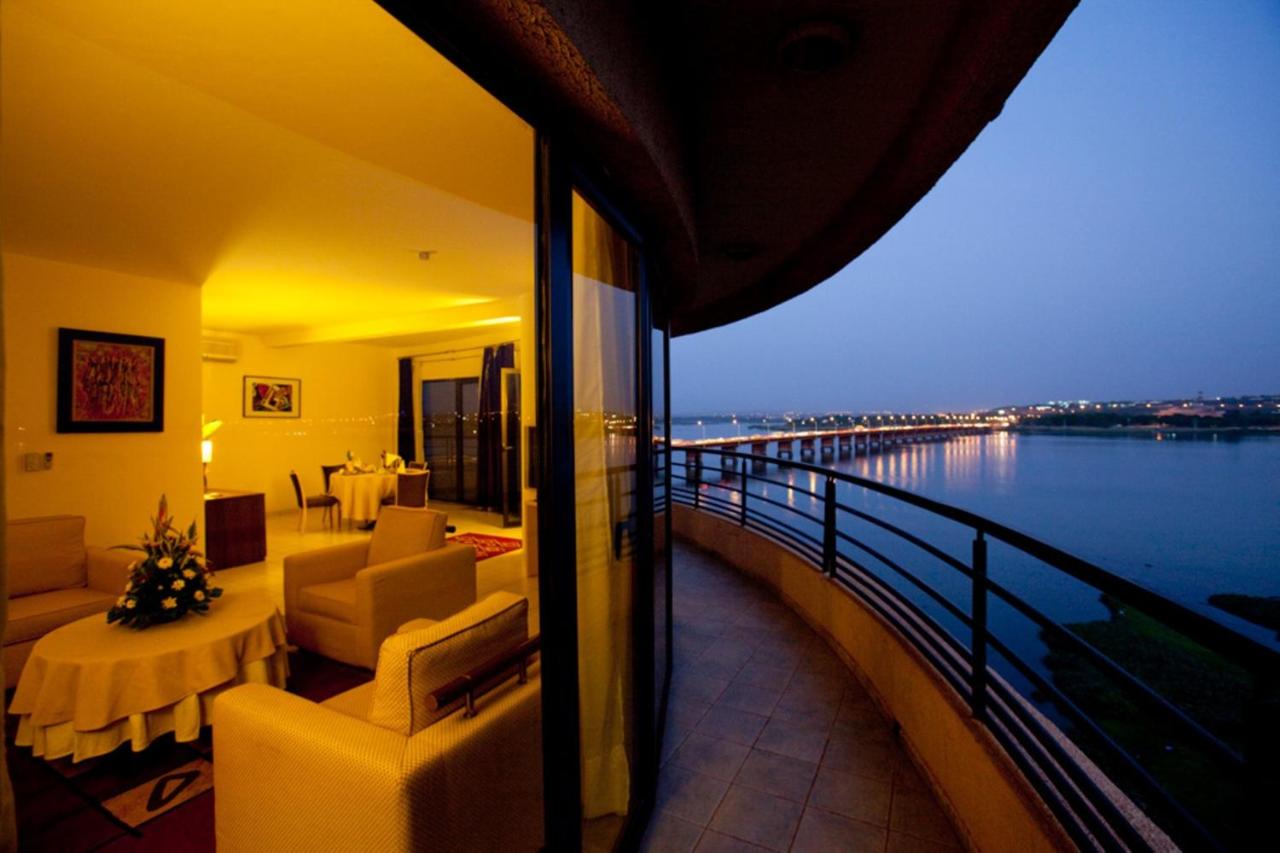
For those looking to experience the natural beauty of Mali, Bamako has plenty to offer as well. The Niger River runs through the city, and visitors can take a boat tour to see the city from a different perspective. The nearby Point G hill offers stunning views of the city and the surrounding landscape.
Why Bamako Matters: The Significance of Mali's Capital
Bamako is the capital city of the West African country of Mali. It is located on the Niger River and has a population of over two million people. The city is not only the political capital of Mali but also serves as the cultural and economic center of the country.
One reason why Bamako is significant is because it is home to many important government buildings and institutions. The National Assembly, Supreme Court, and Presidential Palace are all located in the city. This makes Bamako a hub for political activity and decision-making in Mali.
Culturally, Bamako is known for its vibrant music scene. The city has produced many famous musicians, including Ali Farka Touré and Amadou & Mariam. The annual Festival on the Niger, which takes place in Bamako, is a celebration of West African music and attracts visitors from all over the world. Additionally, the city is home to several museums and art galleries, including the National Museum of Mali.
Economically, Bamako is the center of commerce in Mali. The city is home to many markets where locals and visitors can buy traditional West African textiles, jewelry, and other goods. The Senou International Airport, located just outside of the city, is the main airport in Mali and serves as a gateway to the rest of the country.
Another reason why Bamako matters is because of its strategic location. The city sits on the Niger River, which is an important transportation route for goods and people in West Africa. Additionally, Bamako is located at the crossroads of several major highways, making it an important hub for transportation and commerce.
Despite its importance, Bamako also faces many challenges. The city has experienced rapid population growth in recent years, which has put pressure on its infrastructure and services. Additionally, the city has been affected by political instability and conflict in Mali's northern regions.
Population Distribution in Mali: Most Inhabited Regions
Mali is a landlocked country located in West Africa. The population of Mali is estimated to be around 20 million people, with the majority of the population residing in the southern regions of the country, particularly in the capital city of Bamako.
Bamako is the largest city in Mali and the country's economic, cultural, and administrative center. It is situated on the Niger River and has a population of approximately 2.5 million people. The city is divided into six communes, and each commune is further divided into several neighborhoods. The most populated communes in Bamako are Commune IV, Commune VI, and Commune V.
Commune IV is the most densely populated commune in Bamako, with a population of around 500,000 people. It is located in the central part of the city and is home to many government buildings, markets, and residential areas.
Commune VI is located on the western side of the city and has a population of around 400,000 people. It is known for its many markets and commercial areas, as well as its vibrant nightlife.
Commune V is located in the eastern part of the city and has a population of around 300,000 people. It is known for its many schools and universities, as well as its cultural and historical sites.
Towns in Bamako Mali: Discover the Localities
Bamako is the capital city of the African country of Mali. It is a bustling metropolis that is home to many different neighborhoods and localities. Here are some of the most notable towns within the city:
ACI 2000 is a modern and affluent neighborhood in Bamako. It is home to many expats and wealthy Malians, and is known for its luxurious homes, restaurants, and shopping centers. ACI 2000 is also home to many of the city's embassies and international organizations.
Medina Coura is a historic neighborhood in Bamako. It is known for its colorful architecture and bustling markets, which sell everything from textiles to food. Medina Coura is also home to many cultural institutions, such as the National Museum of Mali.
Hippodrome is a lively neighborhood in Bamako. It is known for its nightlife, with many bars and clubs that stay open late into the night. Hippodrome is also home to many restaurants and shops, and is a popular destination for tourists.
Hamdallaye is a residential neighborhood in Bamako. It is known for its quiet streets and family-friendly atmosphere. Hamdallaye is also home to many schools and parks, making it a popular choice for families with children.
Baco-Djicoroni is a neighborhood in Bamako that is known for its cultural heritage. It is home to many traditional Malian homes, as well as historic mosques and other buildings. Baco-Djicoroni is also home to many artisans and craftsmen, who sell their wares in the area's markets.
No matter which neighborhood you choose to explore, Bamako is a vibrant and exciting city that offers a unique blend of history, culture, and modernity.
In conclusion, Bamako is a vibrant and bustling locality that offers visitors a unique glimpse into the traditional and modern way of life in Mali. From exploring the bustling markets, to experiencing the rich cultural heritage of the city, there is something for everyone in Bamako. Despite facing some challenges such as poverty and lack of infrastructure, the people of Bamako are resilient and welcoming to visitors who come to their city. Overall, a visit to Bamako is not only an opportunity to experience the beauty of Mali, but also to gain a deeper understanding of the rich cultural tapestry that makes up this amazing African nation.