Atklājiet Barcelos
Barcelos is also known for its vibrant weekly market, which takes place every Thursday. The market is a bustling hub of activity, where locals and tourists alike browse for traditional crafts, clothing, and fresh produce. You'll also find a variety of food stalls selling local delicacies, such as roasted chestnuts and grilled sardines.
If you're interested in history and art, Barcelos has a variety of museums and galleries to explore. The Museu Arqueológico is home to a fascinating collection of artifacts from the town's Roman and medieval past, while the Museu da Olaria showcases the town's pottery traditions.
For those who enjoy the great outdoors, Barcelos is surrounded by natural beauty. The town is located just a short drive from the Peneda-Gerês National Park, which is home to stunning waterfalls, hiking trails, and wildlife.
Discover Barcelos: Location and Region
Discover Barcelos: Location and Region
Barcelos is a charming Portuguese municipality located in the northern region of the country, in the district of Braga. It is situated on the banks of the Cávado River, and it is a part of the historical and cultural region of Minho.
The municipality covers an area of 378.9 km² and is home to approximately 120,000 people. It is divided into 61 parishes, each with its own unique character and attractions. Some of the most popular parishes are Barcelos, Galegos Santa Maria, and Vila Boa.
Barcelos, the largest parish, is the historical and cultural center of the municipality. Here, visitors can explore the medieval castle, the 18th-century Mother Church, and the Municipal Museum, which displays a vast collection of traditional Portuguese ceramics and other historic artifacts.
Galegos Santa Maria, located in the southeastern part of the municipality, is known for its beautiful countryside and traditional architecture. Visitors can enjoy hiking and biking trails, as well as explore the Romanesque church of Santa Maria.
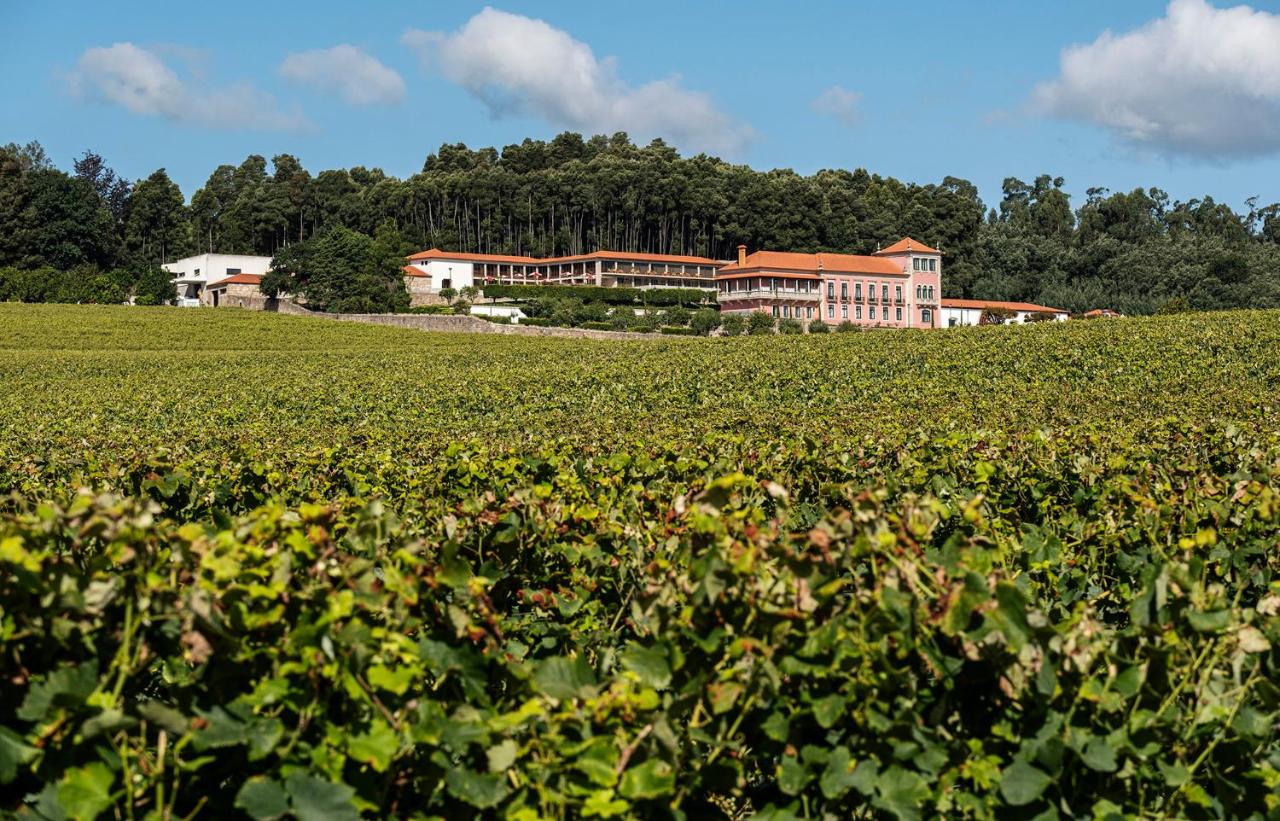
Vila Boa, located in the northwest of the municipality, is a charming village famous for its traditional wine production. Visitors can taste the local wine and explore the 18th-century parish church of São Martinho.
The region is also famous for its gastronomy, with many traditional dishes such as Cozido à Portuguesa (Portuguese stew) and Arroz de Tamboril (Monkfish Rice) that can be enjoyed in local restaurants.
Discovering Barcelos Portugal's Fascinating History
Barcelos is a small town located in the northwestern region of Portugal, known for its rich history and culture. The town has a population of approximately 20,000 people and is situated on the banks of the Cávado River.
One of the most significant events in Barcelos' history is the legend of the Rooster of Barcelos. According to the legend, a pilgrim on his way to Santiago de Compostela stopped in Barcelos and was accused of stealing from a wealthy landowner. Despite his protests of innocence, he was sentenced to death by hanging. As he was being led to the gallows, he pointed to a rooster on a nearby fence and proclaimed that it would crow when he was hanged as proof of his innocence. The rooster did indeed crow, and the pilgrim was saved. Today, the rooster is a symbol of good luck and is featured in many of Barcelos' souvenirs and crafts.
Another important part of Barcelos' history is its role in the development of the Portuguese ceramics industry. The town has been producing ceramics since the 17th century, and today, it is known for its intricate pottery and tilework. Visitors can see examples of Barcelos' ceramics at the town's Museum of Ceramics.
Barcelos is also home to several historic landmarks, including the Medieval Bridge of Barcelos, which dates back to the 14th century. The bridge played an important role in the town's development, as it was a key crossing point over the Cávado River. Other notable landmarks include the Church of Bom Jesus da Cruz and the Paço dos Condes de Barcelos, a 15th-century palace that now serves as the town hall.
In addition to its history and culture, Barcelos is also known for its gastronomy. The town is famous for its roasted chicken, which is marinated in a mixture of olive oil, garlic, and spices before being cooked over an open flame. Visitors can sample this local specialty at one of the many restaurants in town.
Discovering the Origin of Barcelos: A Historical Journey
Barcelos is a charming locality in the north of Portugal that boasts a rich history and culture. This article aims to take you on a journey through time, exploring the origins of this fascinating place.
One of the most famous stories associated with Barcelos is the legend of the rooster. According to the tale, a pilgrim passing through the town was accused of a crime he did not commit and sentenced to death. As a final request, he asked to be brought before the judge, who was about to sit down to a meal of roasted rooster. The pilgrim declared his innocence and pointed to the rooster on the table, saying that it would stand up and crow if he was telling the truth. The judge laughed and dismissed the claim, but as the pilgrim was led to the gallows, the rooster did indeed stand up and crow, proving the man's innocence. This story has become a symbol of the town and is depicted in many souvenirs and decorations.
Barcelos has a long and complex history, with evidence of human settlement dating back to the prehistoric period. The town's strategic location on the banks of the Cávado River made it an important center for trade and commerce in ancient times. The Romans established a settlement here, which was later conquered by the Visigoths and then the Moors. In the 11th century, Barcelos was reconquered by the Christian forces of Portugal's first king, Afonso Henriques, and integrated into the fledgling Portuguese kingdom.
During the Middle Ages, Barcelos grew in importance as a center for agriculture and crafts. The town became known for its production of ceramics, textiles, and leather goods, which were exported throughout Portugal and beyond. In the 14th century, Barcelos was granted a charter by King Denis I, which allowed it to hold its own fairs and markets and established it as a self-governing municipality.
Barcelos continued to thrive in the modern era, with the development of new industries such as cork production and wine-making. The town also played an important role in the Carnation Revolution of 1974, which overthrew the authoritarian regime of Estado Novo and ushered in a new era of democracy in Portugal.
Today, Barcelos is a vibrant and dynamic town that celebrates its rich cultural heritage while embracing the challenges of the 21st century. Whether you are interested in history, art, or simply enjoying the pleasures of life in a beautiful and welcoming community, Barcelos has something to offer everyone. So why not come and discover the origin of Barcelos for yourself?
Barcelos is a charming locality in the north of Portugal that boasts a rich history and culture. This article aims to take you on a journey through time, exploring the origins of this fascinating place.
Barcelos Population: Facts and Figures
Barcelos is a locality in the north of Portugal, located in the Braga district. It is a small town with a rich history and culture, known for its iconic rooster statue and weekly market that attracts tourists from all over the world.
The population of Barcelos, as of 2021, is estimated to be around 120,000 people. The town has seen a steady increase in population over the past decade, with a growth rate of 0.5% per year. The majority of the population is Portuguese, with a small percentage of immigrants from other European countries.
Barcelos is also known for its traditional crafts and industries, including pottery, embroidery, and agriculture. Many of the town's residents work in these industries, which contribute to the local economy.
The median age of the population in Barcelos is 41 years old. The town has a relatively even distribution of age groups, with around 20% of the population under the age of 18 and 22% over the age of 65.
Barcelos has a strong sense of community, with many local festivals and events throughout the year. The town is also home to several sports clubs and teams, including football and basketball.
The literacy rate in Barcelos is high, with over 90% of the population over the age of 15 able to read and write. The town has several schools and educational institutions, including a university campus.
In conclusion, Barcelos is a charming and historic town that is well worth a visit when travelling to Portugal. From its rich cultural heritage to its stunning natural landscapes, there is something here for everyone. Whether you are exploring the medieval streets of the old town, admiring the colorful ceramics on display, or simply soaking up the laid-back atmosphere of the town square, Barcelos is sure to leave a lasting impression on you. So, if you are planning a trip to Portugal, do not miss the opportunity to discover the hidden gem that is Barcelos.