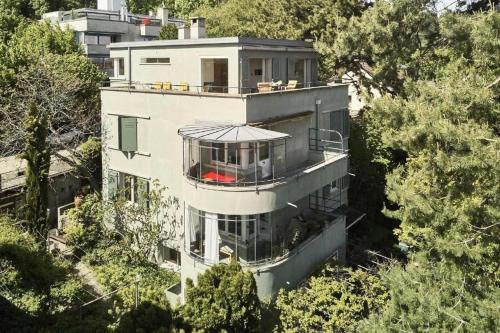
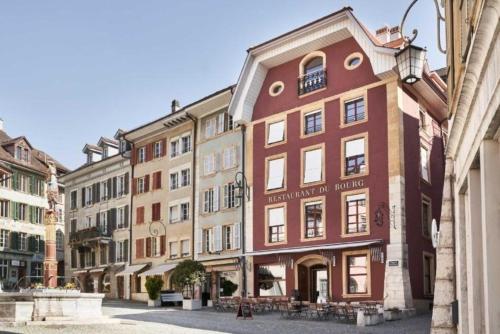
Otkrijte Biel
If you're interested in history, you should also visit the Schwab Museum, which is dedicated to the history of Biel and the surrounding region. The museum boasts an impressive collection of archaeological finds, as well as exhibits on the city's industrial past.
For nature lovers, Biel has plenty to offer as well. The city is surrounded by rolling hills and forests, making it a great destination for hiking and cycling. The nearby Jura Mountains also offer stunning views and challenging hiking trails.
If you're looking to relax, head to the shores of Lake Biel, where you can swim, sunbathe, or take a boat ride. The lake is also home to several beaches and parks, where you can enjoy a picnic or a game of volleyball.
Finally, no visit to Biel would be complete without trying some of the local cuisine. The city is known for its delicious cheese, chocolate, and wine, which you can sample at one of the many restaurants and cafes in the area.
We hope this presentation has inspired you to visit Biel and explore all that this charming city has to offer. Whether you're interested in history, nature, or simply relaxing, Biel is the perfect destination for your next Swiss adventure.
Biel Switzerland: Discovering the City's Charm and Culture
Biel/Bienne is a charming city located in the canton of Bern, Switzerland. It is famous for its watchmaking industry and bilingual culture.
The city has two official languages, German and French, which makes it unique and adds to its charm. You can hear both languages spoken on the streets and signs are written in both languages as well. This blend of cultures creates a fascinating atmosphere that is worth experiencing.
One of the main attractions of Biel is its beautiful lake, Lake Biel. It is perfect for a stroll or bike ride around its banks, and there are plenty of restaurants and cafés. You can also take a boat tour and enjoy the stunning views of the Swiss Alps.
If you are interested in watchmaking, Biel is the place to be. The city has a long tradition of watchmaking, and you can visit several museums and workshops dedicated to this craft. The Omega Museum, for example, showcases the history of the famous watch brand and its innovations over the years.
Biel is also known for its vibrant cultural scene. The city has several theaters, galleries, and museums that offer a variety of exhibitions and events throughout the year. The Theatre Orchestre Bienne Soleure, for instance, presents a diverse program of concerts and plays.
If you are a foodie, you will love Biel. The city has a wide range of restaurants and cafés that offer traditional Swiss cuisine as well as international dishes. You can also visit the local market, which takes place every Tuesday and Saturday, and try some of the fresh produce and regional specialties.
Language Spoken in Biel, Switzerland: Facts & Information
Biel is a bilingual city located in the canton of Bern in Switzerland. It is situated at the eastern end of Lake Biel, where the river Suze flows out of the Jura Mountains. Biel is the largest bilingual city in Switzerland, with a population of over 55,000.
The two official languages spoken in Biel are German and French. This is due to the city's location in the canton of Bern, which is predominantly German-speaking, and its proximity to the French-speaking canton of Jura. The city's bilingualism is reflected in its name, which is Biel in German and Bienne in French.
The majority of the population in Biel speaks Swiss German, which is a dialect of German that is spoken in Switzerland. However, French is also widely spoken, and it is the primary language used in the western part of the city, which is closer to the French-speaking region.
English is also spoken in Biel, particularly among younger people and in the tourism industry. The city is a popular tourist destination, and many visitors come from English-speaking countries, so it is important for locals to be able to communicate in English.
In addition to German, French, and English, there are also other languages spoken in Biel, including Italian, Albanian, and Portuguese. These languages are spoken by the city's immigrant population, which makes up around 30% of the total population.
The bilingualism of Biel is seen as a unique feature of the city and is celebrated through various cultural events and festivals. One of the most popular events is the Biel/Bienne Festival of Photography, which showcases the work of local and international photographers and attracts visitors from all over the world.
Biel: German or French? Unraveling the Mystery
Biel, also known as Bienne, is a locality in Switzerland that is located at the eastern end of Lake Biel. It is a bilingual city, where both German and French are spoken. But which language is more prevalent? The answer is not as straightforward as one might think.
Historically, Biel was part of the German-speaking canton of Bern. However, in the early 20th century, the city saw an influx of French-speaking workers, and the population became more linguistically diverse. Today, roughly two-thirds of the population speaks German, while the remaining third speaks French.
But the language divide is not just a matter of numbers. The city is divided into two parts, with the German-speaking residents living on the east side and the French-speaking residents living on the west side. This division is reflected in everything from street signs to newspaper articles.
Despite the linguistic divide, the two communities coexist peacefully. In fact, the city has a reputation for being one of the most harmonious bilingual cities in Switzerland. The two languages are both official, and all official communications are conducted in both languages.
So, is Biel German or French? The answer is neither and both. Biel is a bilingual city with a rich history and a diverse population. Its linguistic diversity is a source of pride for its residents and a testament to the city's unique character.
If you're planning a visit to Biel, you'll have the opportunity to experience both German and French cultures. Be sure to check out the city's many museums, galleries, and restaurants, which showcase the best of both worlds.
Discover Biel Bienne's Charming Villages
Biel is a picturesque locality situated in the heart of Switzerland. It is known for its beautiful landscapes, serene lakes, and charming villages. If you want to explore the true beauty of Biel, then you must visit its charming villages.
One of the most beautiful villages in Biel is Twann. It is situated on the shore of Lake Biel and is surrounded by vineyards. The village is known for its wine production and has a wine museum where you can learn about the history of winemaking in the region. You can also take a stroll along the lake, enjoy the beautiful scenery, and try some local wines at one of the many wine bars in the village.
Nods is another charming village in Biel. It is located in the Jura Mountains and is known for its traditional Swiss architecture. The village is home to many historic buildings, including a 12th-century church and a 16th-century castle. You can take a guided tour of the village to learn about its history and culture.
The village of Evilard is also worth a visit. It is situated on a hill overlooking Lake Biel and offers stunning views of the surrounding countryside. The village has a rich history and is home to many historic buildings, including a 13th-century church and an 18th-century castle. You can take a leisurely walk through the village, enjoy the beautiful scenery, and visit some of the local shops and restaurants.
In conclusion, Biel is a charming and picturesque town in the heart of Switzerland. Its rich history, stunning architecture, and beautiful surroundings make it a must-visit destination for anyone traveling to this part of the country. From exploring the old town to enjoying a scenic hike in the nearby Jura Mountains, there's something for everyone in Biel. Whether you're a history buff, a nature lover, or simply looking for a relaxing getaway, this lovely Swiss town has it all. So don't hesitate to add Biel to your travel itinerary - you won't regret it!