



کشف Castro
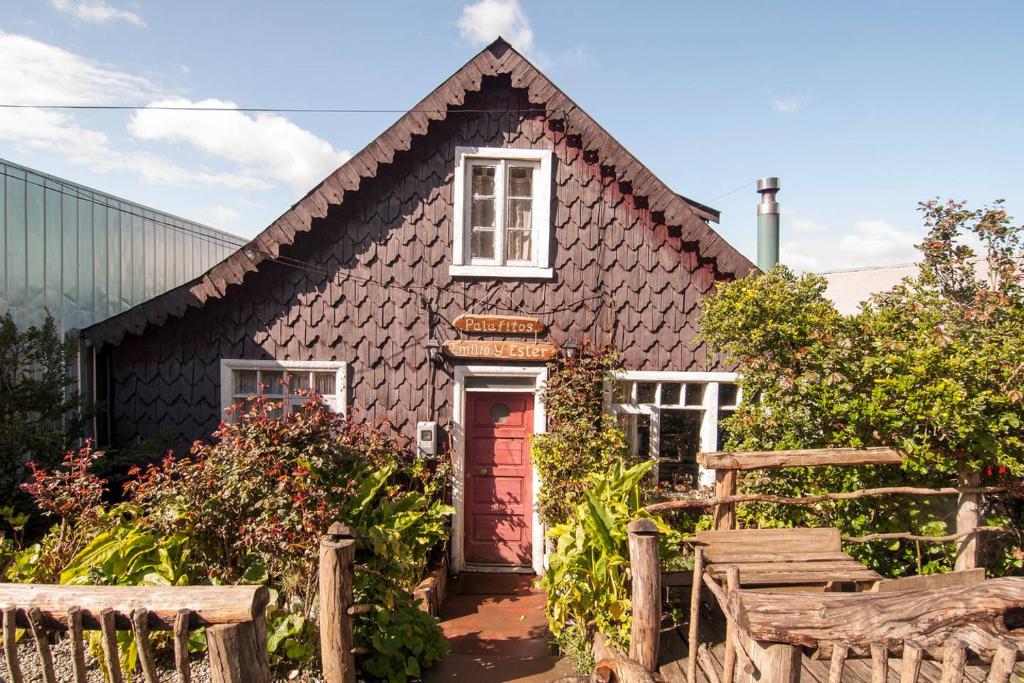
Another must-see attraction in Castro is the Palafitos, a row of colorful houses built on stilts along the waterfront. These houses were originally constructed by fishermen who needed quick access to their boats during high tide. Today, they provide a unique and picturesque backdrop for visitors to the town.
In addition to its historic and cultural attractions, Castro is also a great place to experience the natural beauty of Chiloé Island. From the nearby national parks and nature reserves to the stunning coastline and beaches, there is no shortage of breathtaking scenery to explore.
Whether you are interested in history, culture, nature, or simply soaking up the local atmosphere, Castro is a town that has something for everyone. So pack your bags, grab your camera, and get ready to discover the hidden gems of this charming Chilean locality.
Discover Castro Chile: Top Attractions & Culture
Castro is a charming locality in Chile that offers a unique blend of history, culture, and natural beauty. Located on the island of Chiloé, it is known for its colorful palafitos (stilt houses), traditional wooden churches, and delicious seafood. Here are some of the top attractions and cultural experiences you can enjoy in Castro:
Pueblo de los Artesanos is a handicraft market located in the heart of Castro. Here, you can find a variety of handmade products such as pottery, textiles, and wood carvings. It is a great place to buy souvenirs and support local artisans.
Chiloé National Park is a must-see destination for nature lovers. It is home to a diverse range of flora and fauna, including several endemic species. You can hike through the lush forests, visit the beautiful lakes, and observe the wildlife.
Iglesias de Chiloé are a series of wooden churches that are UNESCO World Heritage Sites. They are known for their unique architecture, which blends European and indigenous styles. The churches are located throughout the island, but some of the most impressive ones are in Castro.
Museo Regional de Castro is a museum that showcases the history and culture of Chiloé. It has exhibits on the island's indigenous peoples, colonial history, and modern-day life. You can learn about the traditional crafts, music, and cuisine of the region.
Palafitos are colorful houses built on stilts over the water. They are a unique feature of Castro and are a popular subject for photographs. Some of the palafitos have been converted into restaurants, where you can enjoy fresh seafood while taking in the views.
Curanto is a traditional dish of Chiloé that is not to be missed. It is a hearty stew made with meat, seafood, potatoes, and vegetables that is cooked in a hole in the ground. You can try curanto at many of the local restaurants in Castro.
Discovering Castro's Location: Unveiling the Region
Castro is a city located in the eastern coast of the Isla Grande de Chiloé, in the Los Lagos Region of Chile. Known for its unique architecture and cultural heritage, Castro is a popular destination for tourists from all over the world.
Unveiling the region where Castro is located can be an adventure in itself. The Isla Grande de Chiloé is the largest island in the Chiloé Archipelago, which is located in the southern part of Chile. The archipelago is famous for its lush forests, scenic coastline, and unique cultural traditions.
To reach Castro, visitors can take a ferry from the mainland town of Puerto Montt or drive through the Chiloé National Park. The drive takes around four hours and offers stunning views of the Andes Mountains and the Pacific Ocean.
Once in Castro, visitors can explore the city's unique architecture, which includes colorful houses built on stilts over the water. These houses, known as palafitos, are a symbol of the city and can be found in several neighborhoods, including Gamboa and Rilán.
Castro is also home to several cultural attractions, such as the Museo Regional de Castro, which houses exhibits on the history and culture of the Chiloé Archipelago. The Iglesia San Francisco, a UNESCO World Heritage Site, is another must-see attraction. Built in the 16th century, the church is known for its distinctive wooden architecture and colorful interior.
In addition to its cultural attractions, Castro is also a great place to enjoy the outdoors. Visitors can explore the nearby national parks, such as the Chiloé National Park and the Tantauco Park, which offer hiking trails, birdwatching opportunities, and stunning views of the island's flora and fauna. The city is also known for its seafood, and visitors can enjoy fresh fish and shellfish at local restaurants and markets.
Discovering the Geography of Castro, Chile
Castro is a city and commune in southern Chile, located on the eastern coast of Chiloé Island. It is the capital of the Chiloé Province and the Chiloé Archipelago. The city has a population of approximately 40,000 people.
The geography of Castro is defined by its location on Chiloé Island, which is the largest island in the Chiloé Archipelago. The island is known for its rugged coastline, rolling hills, and dense forests. The climate in Castro is temperate, with mild temperatures throughout the year. The city is prone to heavy rainfall, particularly during the winter months.
One of the most notable geographic features of Castro is its bay, which is a natural harbor that has been used for centuries as a port for fishing and trade. The bay is surrounded by hills and provides stunning views of the city and the surrounding landscape.
The city of Castro is also home to several important landmarks and attractions that showcase the geography and culture of the region. One of the most popular destinations is the Iglesia de San Francisco, a 16th-century church that is known for its distinctive wooden architecture. Other notable landmarks include the Palafitos, a row of brightly colored houses built on stilts above the water, and the Museo Regional de Castro, which showcases the history and culture of the Chiloé Archipelago.
Visitors to Castro can also explore the natural beauty of the surrounding landscape by hiking, kayaking, or taking a scenic drive through the countryside. The Parque Nacional Chiloé is a popular destination for hiking and wildlife viewing, while the nearby Isla Lemuy is known for its picturesque countryside and traditional architecture.
Castro Chile Weather: Year-Round Forecast & Climate Guide
Castro is a beautiful city located in the Chiloé Archipelago, in the southern part of Chile. The city is known for its unique architecture, which includes wooden houses built on stilts, and for being the capital of the Chiloé Province. The weather in Castro is influenced by its location, and it has a moderate oceanic climate.
The average temperature in Castro is around 12°C (54°F), and it doesn't vary much throughout the year. However, the city is known for its rain, which falls more heavily in the winter months. The wettest months are from May to August, with an average of 300 mm (12 inches) of rainfall per month. The summer months, from December to February, are drier, with an average of 100 mm (4 inches) of rainfall per month.
Despite the rain, Castro is a beautiful city to visit year-round. In the winter months, the city is less crowded, and the landscape is lush and green. The summer months are perfect for outdoor activities, such as hiking, fishing, and kayaking. The best time to visit Castro depends on what you want to do and see.
It's important to note that Castro can be windy, especially in the spring and summer months. The average wind speed in the city is around 20 km/h (12 mph), but it can be higher during storms. Visitors should be prepared for windy weather and bring warm clothing.
In conclusion, Castro is a charming and culturally rich locality in Chile that is worth a visit for anyone who wants to experience authentic Chilean culture and history. From its colorful palafitos to its bustling markets and museums, there is something for everyone in this vibrant town. Whether you're interested in exploring the great outdoors or learning about the local way of life, Castro offers a unique and unforgettable experience that will stay with you long after you've left. So why not plan a trip to this enchanting corner of Chile and discover all that it has to offer?