









Catania আবিষ্কার করুন
Discover Catania: Location in Italy
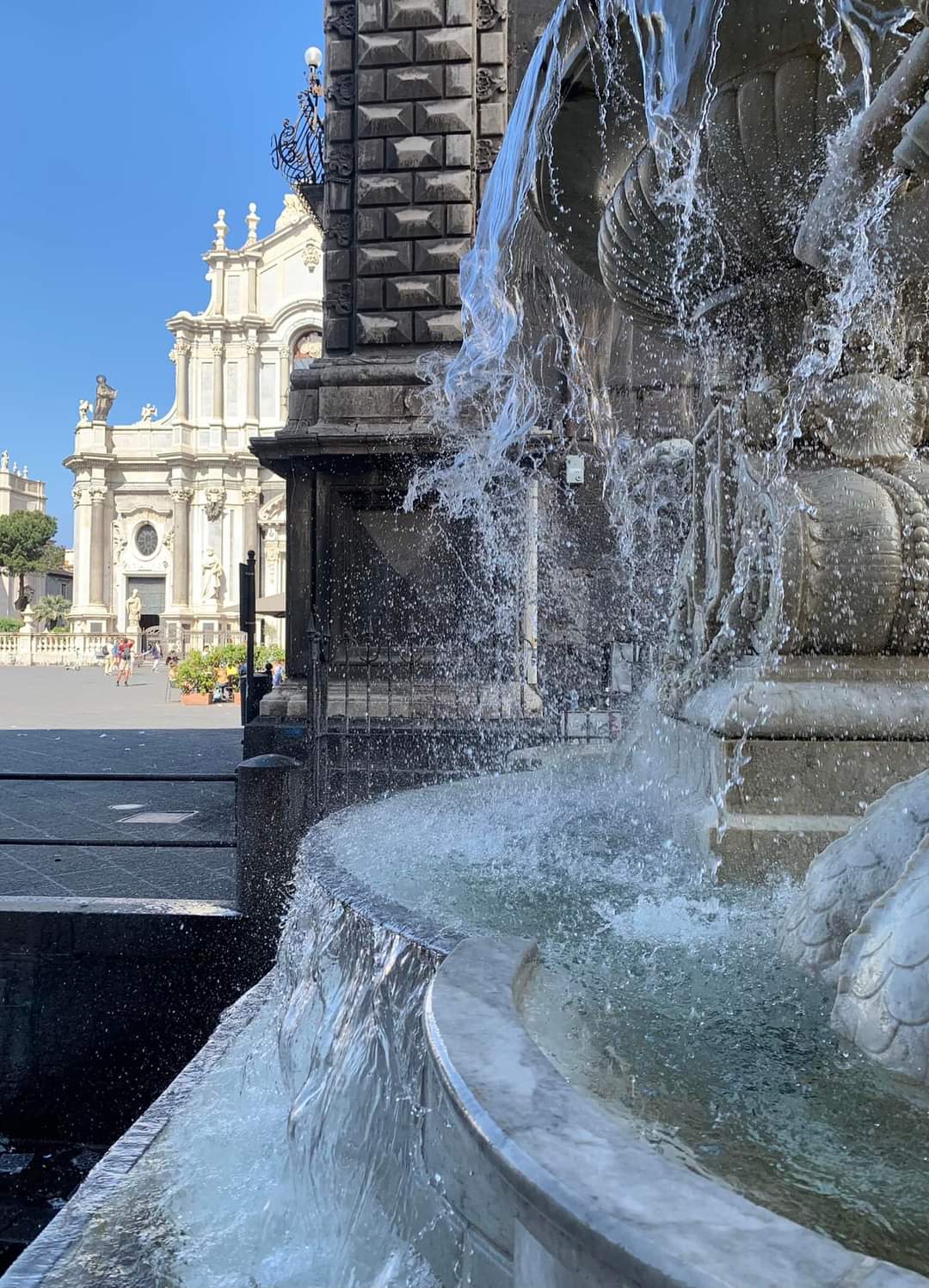
Catania is a large city located on the eastern coast of the island of Sicily, which is the southernmost region of Italy. It is the second-largest city in Sicily, after the capital city of Palermo, and has a rich history dating back to ancient times. The city is situated at the base of Mount Etna, one of the world's most active volcanoes, which has heavily influenced the city's history and culture.
Today, Catania is a bustling city with a population of over 300,000 people. It is a popular tourist destination, known for its beautiful architecture, vibrant nightlife, and delicious food.
The city's history is evident in its architecture, which features a mix of Baroque, Roman, and Greek styles. Some of the most notable buildings in the city include the Cathedral of Saint Agatha, the Ursino Castle, and the Roman Amphitheatre. The city also has several museums, including the Bellini Gardens Museum, which houses a collection of art and artifacts from the city's past.
One of the most popular attractions in Catania is the Fish Market, which is located in the heart of the city. Here, visitors can find a wide variety of fresh seafood, including swordfish, tuna, and sardines. The market is also home to several restaurants and cafes, where visitors can sample local cuisine.
Another highlight of Catania is its vibrant nightlife. The city has a wide variety of bars, clubs, and music venues, which cater to all tastes. From jazz clubs to techno parties, there is something for everyone in Catania.
Sicily, Italy: Uncovering Its Location and Region
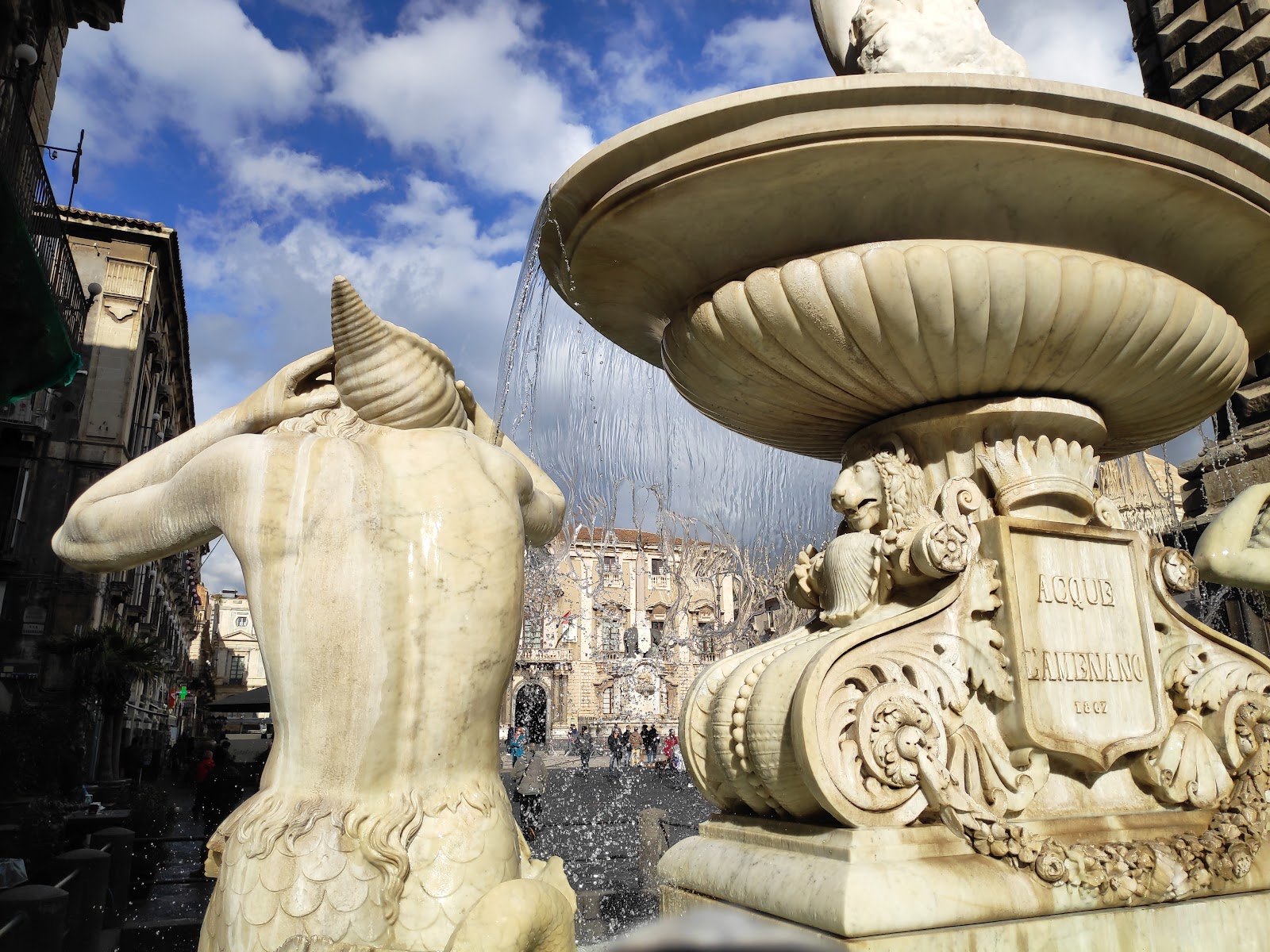
If you're planning a trip to Italy and looking for a destination that offers a perfect mix of history, culture, and natural beauty, then look no further than Catania. This stunning city located on the east coast of Sicily is a must-visit for travelers seeking an authentic Italian experience.
Located in the heart of the Mediterranean Sea, Sicily is the largest island in the Mediterranean and a region of Italy. It is home to several beautiful cities, including Catania, which is the second-largest city in Sicily after Palermo.
Catania is known for its baroque architecture, vibrant nightlife, and stunning beaches. The city has a rich history that dates back to the 8th century BC and has been influenced by various civilizations, including Greeks, Romans, Arabs, and Normans.
One of the most iconic landmarks of Catania is Piazza del Duomo, which is located in the heart of the city. This beautiful square is home to several notable buildings, including the Cathedral of Saint Agatha, which is dedicated to the patron saint of Catania.
Another must-visit location in Catania is Mount Etna, which is one of the most active volcanoes in the world. The volcano, which is located just 30 kilometers from Catania, offers breathtaking views of the city and the surrounding landscape.
When it comes to food, Catania is known for its delicious cuisine that includes fresh seafood, pasta dishes, and traditional Sicilian desserts. Visitors can enjoy a variety of local dishes at the city's many restaurants and cafes.
Discover Catania Italy's Rich Culture and History
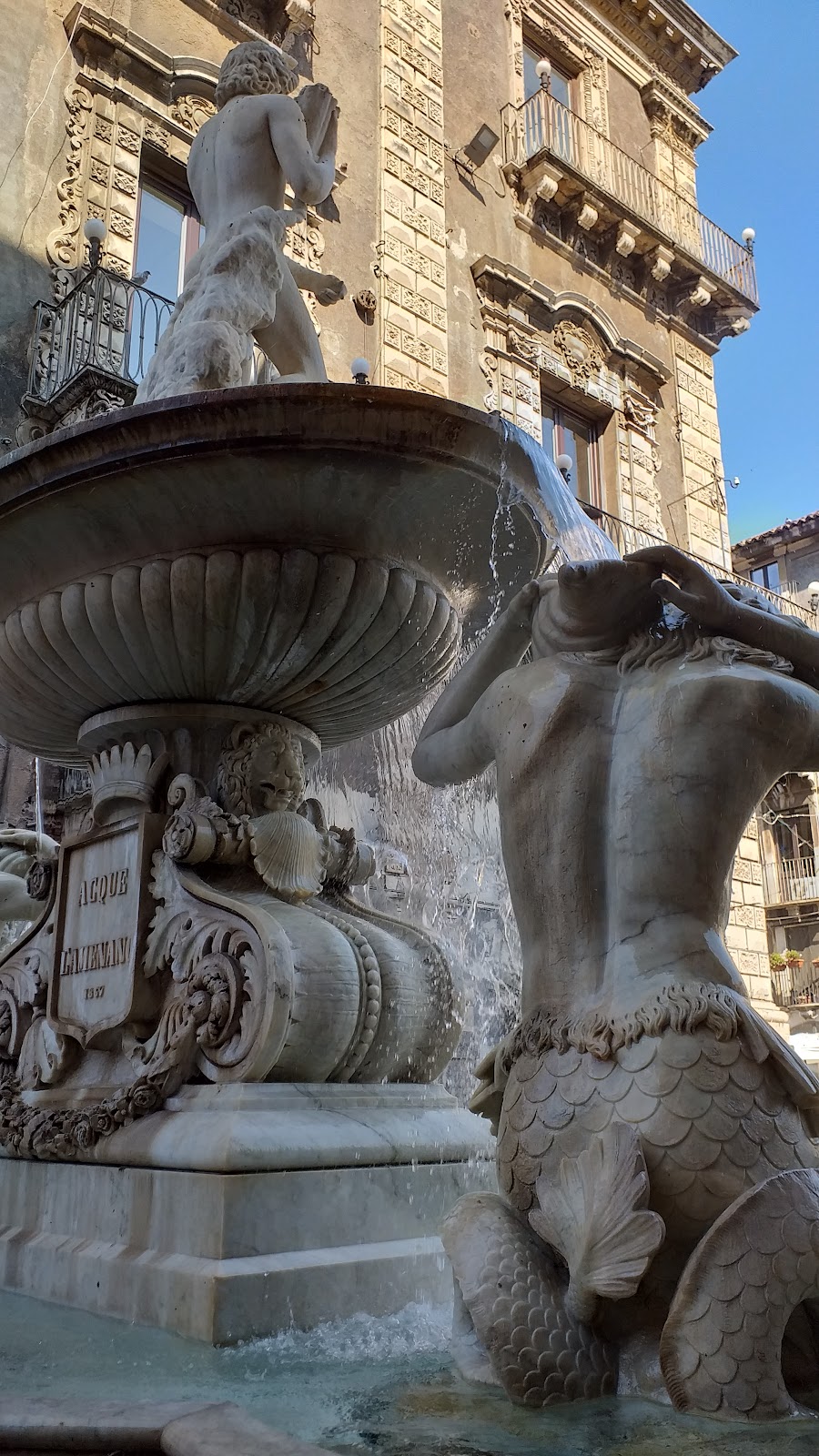
Catania is a charming city located in the eastern coast of Sicily, Italy. The city is known for its rich culture and history that dates back to the ancient times. It is a popular tourist destination that offers a blend of modern and traditional experiences for visitors.
The city has seen various civilizations and empires that have left their marks on Catania’s architecture, art, and culture. The Greeks, Romans, Arabs, Normans, and Spanish have all influenced the city’s development and created unique structures and traditions.
One of the most prominent sites in Catania is the Baroque architecture that dominates the city’s historical center. The UNESCO World Heritage Site is a testament to the city’s rich history and culture. The Baroque architecture is a result of the city’s reconstruction after the devastating earthquake that struck in 1693.
The city’s central square, Piazza del Duomo, is a must-see for visitors. The square is home to the city’s main cathedral, the Cathedral of Saint Agatha, which is dedicated to the city’s patron saint. The cathedral’s façade is a beautiful example of Baroque architecture, and the interior is adorned with stunning frescoes and sculptures.
Another site that showcases the city’s history is the Roman Amphitheater, which dates back to the 2nd century AD. The amphitheater could hold up to 15,000 spectators and was used for gladiator fights and other public events. Today, visitors can explore the ruins and imagine what life was like during the Roman Empire.
The Ursino Castle is another historical site that visitors should not miss. The castle was built in the 13th century by Emperor Frederick II and was used to defend the city from invaders. Today, the castle houses a civic museum that displays artifacts and artwork from the city’s history.
Catania is also known for its vibrant food and wine culture. The city’s markets are filled with fresh seafood, fruits, and vegetables that are used to create traditional Sicilian dishes. Visitors can also sample the city’s famous wine, Etna Rosso, which is made from grapes grown on the slopes of Mount Etna.
Why Catania is the Black City: Exploring Its Dark History
Catania is a city located on the eastern coast of Sicily in Italy. It is known for its beautiful architecture, vibrant nightlife, and delicious cuisine. However, the city also has a dark history that earned it the nickname "The Black City."
The origins of the nickname "The Black City" can be traced back to the early 18th century when Mount Etna, the nearby active volcano, erupted and destroyed the city. The eruption was so severe that it covered the entire city in a thick layer of black ash. The ash mixed with the rainwater and created a thick, black sludge that covered the streets and buildings.
The destruction caused by the eruption was so severe that it took the city decades to recover. The ash and debris had to be cleared away, and the buildings and infrastructure had to be rebuilt. The city was left in ruins, and the people who lived there were forced to start over.
Despite the devastation caused by the eruption, the people of Catania persevered and rebuilt their city. However, the nickname "The Black City" stuck, and it came to represent more than just the physical destruction caused by the eruption.
The nickname also came to represent the many tragedies and hardships that the people of Catania have faced throughout history. The city has been plagued by earthquakes, floods, and other natural disasters, as well as wars, invasions, and political upheavals.
Despite these challenges, the people of Catania have remained resilient and have continued to rebuild and thrive. Today, the city is a vibrant and dynamic place, with a rich cultural heritage and a strong sense of community.
The nickname "The Black City" may be a reminder of the challenges and hardships faced by the people of Catania, but it is also a testament to their strength and resilience. The city may have a dark history, but it is also a place of hope, perseverance, and renewal.
In conclusion, Catania is a fascinating city with a rich cultural heritage that is definitely worth exploring. With its stunning architecture, delicious cuisine, and friendly locals, it offers a unique experience that cannot be found anywhere else. Whether you are interested in history, art, or just want to relax on the beach, Catania has something for everyone. So, if you are planning a trip to Italy, make sure to add Catania to your itinerary and discover all the wonders this beautiful city has to offer.