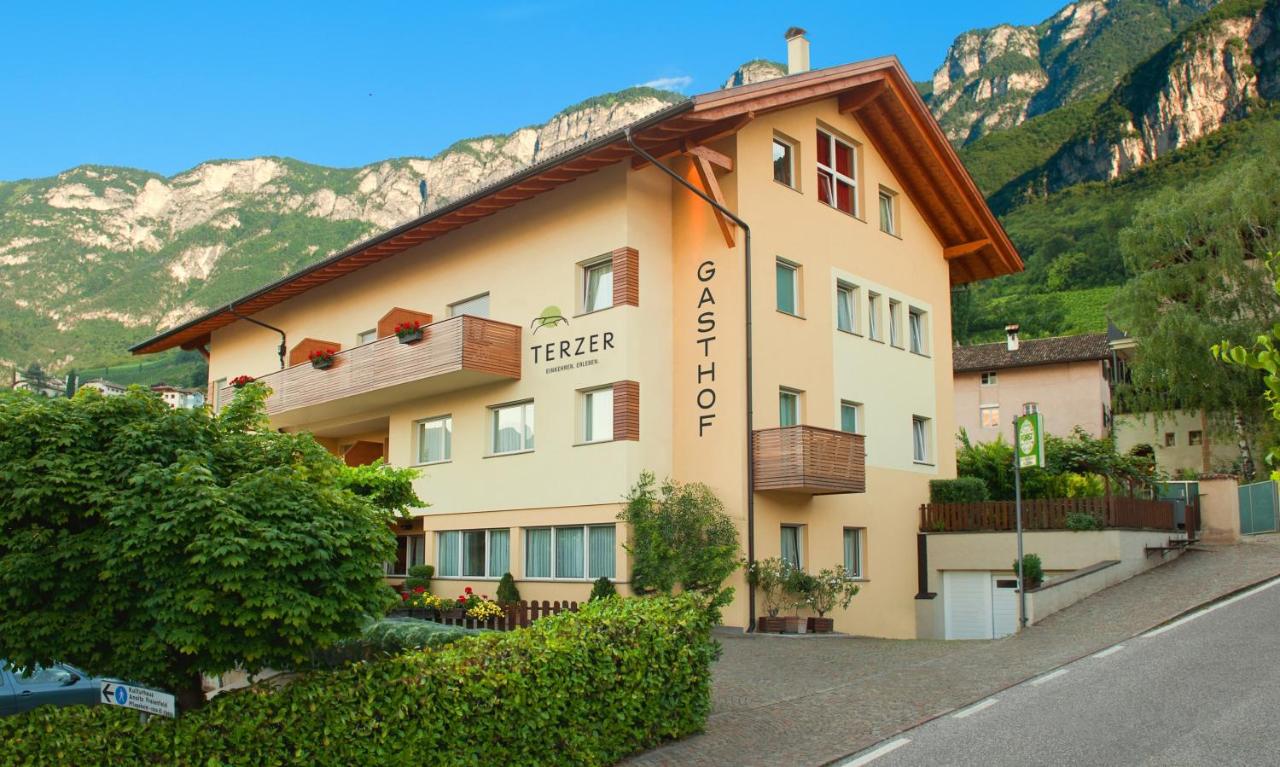
Discover Cortaccia
If you're interested in history, Cortaccia has plenty to offer. The town's medieval castle, Schloss Rechtenthal, dates back to the 13th century and is open to visitors. You can also explore the narrow, winding streets of the old town and admire the traditional architecture.
For those seeking a more active vacation, Cortaccia is a great base for exploring the nearby mountains. The Dolomites offer some of the best hiking and skiing in Europe, with trails and slopes for all levels of experience.
Discover Italy's Town Count: Facts & Figures
Cortaccia is a small municipality located in the province of Bolzano-Bozen in the Trentino-Alto Adige region of Italy. It is situated in the Adige valley and is surrounded by the stunning Dolomites mountain range.
The town has a population of approximately 1,800 people and covers an area of 14.2 square kilometers. It is known for its beautiful vineyards and is part of the South Tyrolean Wine Route, which is a popular tourist destination.
Cortaccia is also rich in history and culture. It has a number of historical buildings and landmarks, including the Parish Church of St. Martin, which dates back to the 16th century. The town also has a number of festivals and events throughout the year, including the traditional grape harvest festival in September.
In terms of economy, Cortaccia is primarily an agricultural town. Wine production is the main industry, with the majority of the population involved in grape growing and wine making. The town also has a number of small businesses, including restaurants, cafes, and shops.
Cortaccia is a great place for outdoor enthusiasts, with a variety of hiking and cycling trails in the surrounding hills and mountains. The town also has a number of sports facilities, including a football field and tennis courts.
Northern Italy's Relationship with Austria: A Historical Perspective
Cortaccia is a small locality in Northern Italy that has a rich history with Austria. The region of South Tyrol, where Cortaccia is located, has been a disputed territory between Italy and Austria for centuries.
In the late 19th century, South Tyrol was part of the Austro-Hungarian Empire. However, after World War I, the region was annexed by Italy as part of the Treaty of Saint-Germain-en-Laye in 1919. This led to tension between Italy and Austria, as many people in South Tyrol identified as Austrian and spoke German as their first language.
In the years following the annexation, the Italian government attempted to Italianize the region by suppressing the use of German and promoting Italian culture. This led to resentment among the local population, and many protested for greater autonomy or reunification with Austria.
The tension between Italy and Austria over South Tyrol continued throughout the 20th century. In the 1960s, a series of bombings by a separatist group known as the South Tyrolean Liberation Committee (Befreiungsausschuss Südtirol or BAS) caused further strain in the relationship between the two countries.
In the 1980s, a compromise was reached between Italy and Austria, known as the South Tyrol Package. This agreement granted greater autonomy to the region and recognized the German language as an official language, alongside Italian. The agreement also allowed for dual citizenship for those with Austrian ancestry.
Today, the relationship between Northern Italy and Austria is generally peaceful, and the region of South Tyrol is a unique blend of Italian and Austrian culture. However, there are still some who advocate for greater autonomy or reunification with Austria. The issue remains a sensitive one, and it is likely that the relationship between Italy and Austria over South Tyrol will continue to be a topic of discussion for many years to come.
Exploring Italy's Independent Principality: A Historical Overview
Cortaccia is a small locality located in the Trentino-Alto Adige/Sudtirol region of Italy. This quaint town is known for its stunning natural beauty and rich historical significance.
In particular, Cortaccia played a crucial role in the history of Italy's independent principality. During the Middle Ages, the region was part of the County of Tyrol, which was ruled by the House of Habsburg. However, in 1803, the principality of Tyrol was dissolved, and Cortaccia became part of the newly-established Kingdom of Italy.
Despite its incorporation into Italy, Cortaccia remained an independent principality until the mid-19th century.
During this time, Cortaccia was ruled by its own prince, who had the power to enact laws, collect taxes, and maintain order within the principality. The prince was supported by a council of nobles, who advised him on matters of governance and administration.
Despite its small size, Cortaccia was a thriving principality during this time. Its economy was based on agriculture and viticulture, and the town was known for its production of high-quality wines.
However, the principality of Cortaccia was short-lived. In 1850, the town was incorporated into the newly-formed province of Bolzano, and its status as an independent state was abolished.
Today, Cortaccia is a peaceful and picturesque town, known for its beautiful vineyards and charming architecture. Visitors to the town can explore its rich history by visiting landmarks such as the 13th-century Castel d'Enna, which was once the residence of the prince of Cortaccia.
Discover Italy's Size: Understanding its Land Area
The country of Italy is located in southern Europe and is known for its rich culture, history, and beautiful landscapes. Understanding the size of Italy's land area can provide valuable insight into the country's geography and diversity. One small locality in Italy that exemplifies this diversity is Cortaccia.
Cortaccia is a small municipality located in the province of South Tyrol in northern Italy. It is situated at the foot of the scenic Dolomite Mountains and has a total land area of 16.5 square kilometers. While this may seem small, it is important to note that Italy as a whole has a land area of 301,340 square kilometers.
Italy's size is comparable to that of the US state of Arizona or the Philippines. However, Italy's unique shape and geography make it one of the most diverse countries in Europe. From the snow-capped mountains in the north to the sunny beaches in the south, Italy has a wide range of climates and landscapes.
Cortaccia, for example, has a relatively mild climate due to its location in the Adige Valley. The area is known for its wine production and has a number of vineyards and wineries. The municipality is also home to a number of historical landmarks, including the Church of St. Peter and the Castle of Salorno.
Overall, Cortaccia is a charming little town nestled in the rolling hills of Italy. With its picturesque vineyards, quaint streets and vibrant cultural scene, it's easy to see why this area has become a popular destination for visitors from around the world. Whether you're looking to indulge in some of the region's famous wines, explore the rich history and heritage of the area, or simply relax and soak up the stunning scenery, Cortaccia is the perfect destination for a truly unforgettable Italian experience. So why not plan your next trip to this enchanting part of the country today? You won't be disappointed!