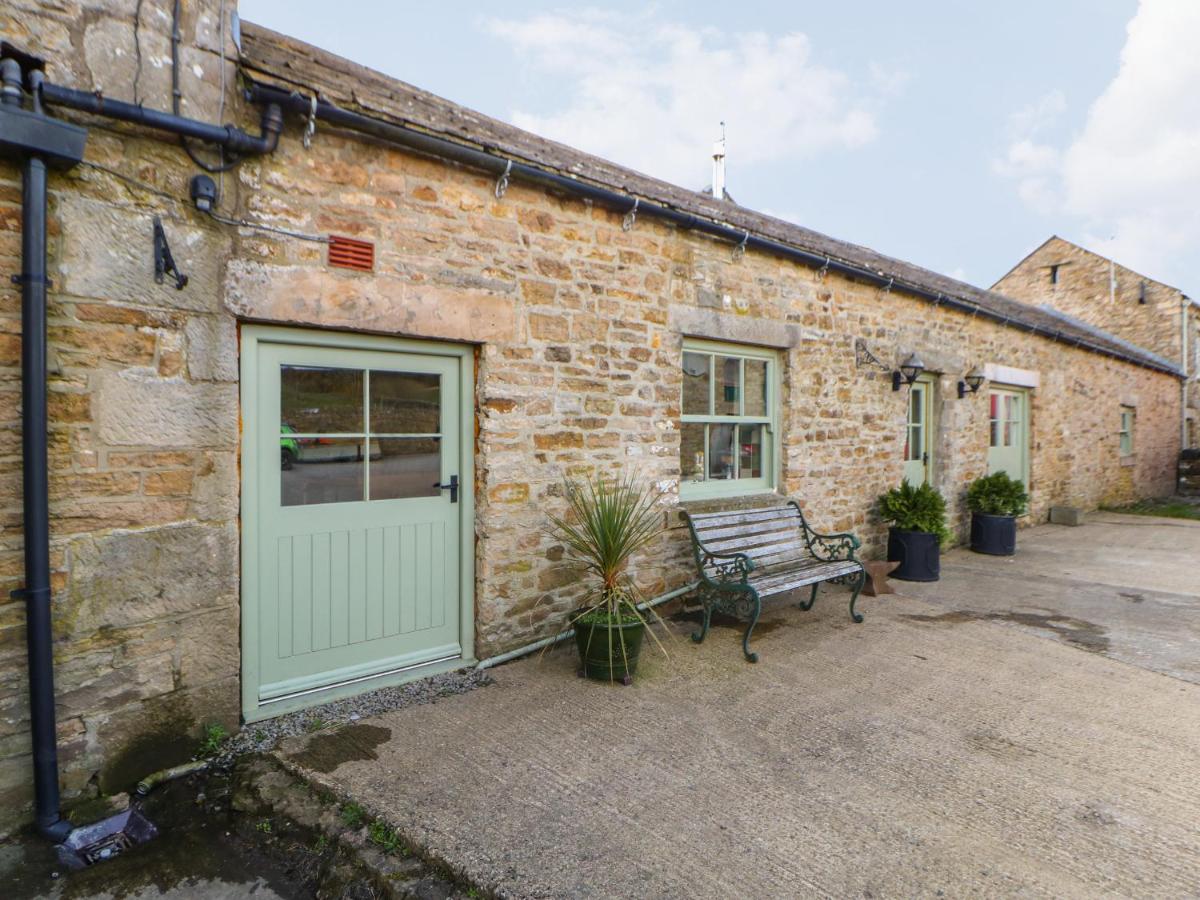
Discover Cotherstone
One of the highlights of Cotherstone is its beautiful church, St Cuthbert's. This stunning medieval church dates back to the 12th century and is a must-see for history buffs and architecture enthusiasts. The church is located at the top of a hill, providing stunning views of the surrounding countryside.
For those who love the great outdoors, Cotherstone is the perfect destination. The village is situated within easy reach of several walking and cycling trails, including the Teesdale Way. This long-distance footpath takes you through some of the most beautiful scenery in the area, including the stunning High Force waterfall.
If you're looking for a spot to relax and unwind, Cotherstone is the place for you. The village has a lovely community feel, with a friendly local pub and several quaint tea rooms where you can enjoy a cuppa and a slice of cake.
Discover the Meaning of Cotherstone - A Comprehensive Guide
Cotherstone is a small village located in the heart of Teesdale, County Durham, United Kingdom. It is situated on the banks of the River Balder, a tributary of the River Tees, and is surrounded by stunning countryside and picturesque landscapes.
The name "Cotherstone" is believed to have originated from the Old Norse words "kotr" and "stane", which mean "house" and "stone" respectively. This suggests that the village was once home to a significant stone building or structure.
Throughout its history, Cotherstone has been a thriving community, with evidence of human habitation dating back to the Bronze Age. The village is mentioned in the Domesday Book of 1086, where it is recorded as "Codrestan". In the Middle Ages, Cotherstone was a centre for mining, with lead and coal being extracted from the surrounding hills.
Today, Cotherstone is a peaceful and charming village, with a strong sense of community and a range of amenities for residents and visitors alike. The village has a primary school, a post office, a village hall, and two pubs - The Fox and Hounds and The Red Lion.
One of the main attractions of Cotherstone is its beautiful countryside, which offers a range of outdoor activities for visitors to enjoy. The village is located on the Teesdale Way, a long-distance footpath that follows the River Tees from its source in the North Pennines to the coast at Teesmouth. The area is also popular with cyclists, with a number of scenic routes to explore.
Cotherstone is also home to a number of historic landmarks and buildings. One of the most notable is St. Cuthbert's Church, which dates back to the 12th century and features an impressive Norman doorway. The village also has a number of traditional stone cottages and farmhouses, which give a glimpse into its rural past.
Discover the Makers of Cotherstone Cheese
Cotherstone is a small village located in the picturesque countryside of the Teesdale area in County Durham, England. The village is famous for its locally produced cheese, known as Cotherstone cheese.
Cotherstone cheese is a soft, crumbly cheese that is made from cow's milk. It has a tangy, slightly sour flavor that makes it a favorite among cheese lovers. The cheese has a distinctive shape, which is round and flat, and is usually sold in small wedges.
The cheese-making tradition in Cotherstone dates back to the 1800s, when local farmers would make cheese using milk from their own cows. Today, the tradition is carried on by a handful of local producers who use traditional methods to make the cheese.
The process of making Cotherstone cheese involves heating the milk to a specific temperature and then adding a special type of bacteria that helps to curdle the milk. The curd is then cut into small pieces and placed in molds, where it is left to drain for several hours. The cheese is then turned over and left to age for several weeks, during which time it develops its distinctive flavor and texture.
Cotherstone cheese is a popular ingredient in many local dishes, including the famous Durham platter which features a selection of local meats, cheeses, and other delicacies. The cheese is also a popular choice for sandwiches, salads, and other light meals.
If you're visiting the Teesdale area, be sure to stop by one of the local cheese makers and try some of the delicious Cotherstone cheese for yourself. It's a true taste of the local countryside and a must-try for any cheese lover.
In conclusion, Cotherstone is a quaint and charming village located in the heart of the North Pennines Area of Outstanding Natural Beauty. Its rich history, stunning landscapes, and friendly locals make it an ideal destination for anyone seeking a peaceful retreat from the hustle and bustle of city life. Whether you're looking to explore the great outdoors, delve into the region's fascinating past, or simply unwind and soak up the village's laid-back atmosphere, Cotherstone has something to offer for everyone. So why not plan a visit to this hidden gem in the UK and experience its magic for yourself?