Culionను కనుగొనండి
Discover Culion's Region: A Guide to Location
Culion is a small island located in the northern part of Palawan, Philippines. It has a land area of 389 square kilometers and a population of around 20,000 people. Historically, Culion was known for being a leper colony during the American colonial period, but it has since become a thriving community with a rich culture and beautiful natural landscapes.
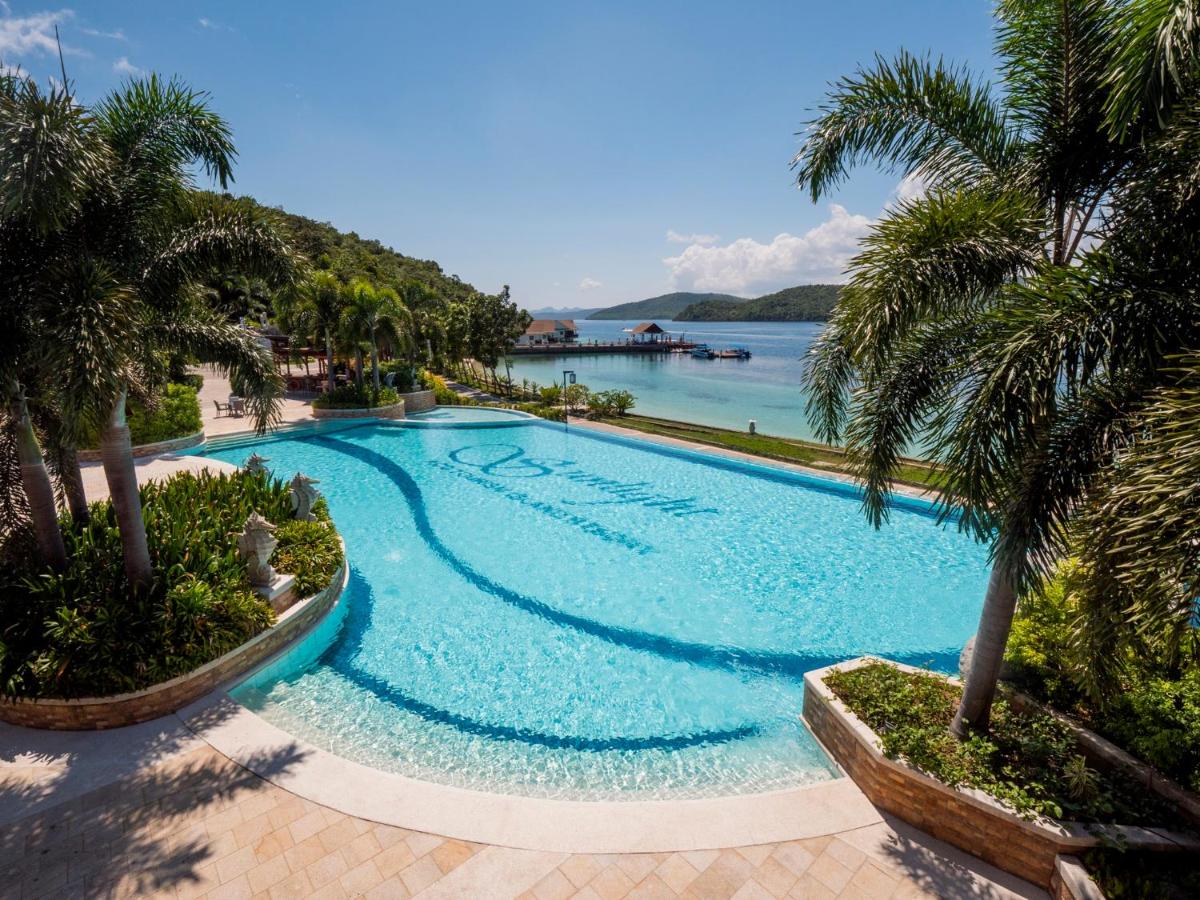
One of the main attractions of Culion is its stunning beaches and crystal-clear waters. The island is surrounded by several smaller islands that are perfect for island hopping and snorkeling. Banana Island, for example, is a popular destination for tourists because of its white sand beaches and peaceful surroundings.
Aside from its beaches, Culion is also home to several historical landmarks that offer a glimpse into its past. The Culion Museum and Archives, for instance, showcases the history of the island and its leper colony, while the San Ignacio Church is a beautiful example of Spanish colonial architecture.
For those who love nature, Culion is also home to several natural wonders. The Culion Hot Springs are a popular destination for visitors who want to relax and soak in the therapeutic waters. The island is also home to several hiking trails that offer stunning views of the surrounding landscape.
Getting to Culion is relatively easy. Visitors can take a flight to the nearby city of Coron and then take a ferry or a private boat to the island. There are also several accommodations available on the island, ranging from budget-friendly guesthouses to luxury resorts.
Culion Island: Discovering its Famous Attractions
Culion Island, located in the northern part of Palawan, Philippines, is a new tourist destination that is slowly gaining popularity for its natural beauty and historical significance.
One of the most famous attractions in Culion Island is the Culion Sanitarium and General Hospital, which was once known as the largest leper colony in the world. Today, the hospital has been converted into a museum that showcases the history of the leper colony and the medical practices during that time.
Another must-see attraction in Culion Island is the Fort Culion, which was built during the Spanish colonial period. The fort served as a defense against pirates and other invaders during that time. Today, visitors can explore the ruins of the fort and see the cannons that were used to protect the island.
For nature lovers, Culion Island offers beautiful beaches, crystal clear waters, and lush forests. One of the most popular beaches on the island is the Buluang Beach, which boasts of fine white sand and turquoise waters. Visitors can also go island hopping and explore the nearby islands such as Calambuyan Island and Pass Island.
Aside from its natural beauty and historical significance, Culion Island also offers a variety of activities that visitors can enjoy. These include snorkeling, diving, hiking, and birdwatching.
If you're looking for a new destination to explore in the Philippines, consider visiting Culion Island. With its rich history, natural beauty, and exciting activities, it's
Culion Island: The Enigma of No Return
Culion Island, located in the northern region of Palawan, Philippines, is known for its enigmatic history. Once a leper colony established by the American colonial government in 1906, the island was a place of no return for those who were afflicted with the disease. The island was isolated from the rest of the country and the world, making it a place of mystery and intrigue.
Today, Culion Island is a thriving community with a population of over 20,000 people. However, the remnants of its past can still be seen in the old buildings and structures that were once used for the leper colony. Tourists can visit the Culion Museum and Archives to learn about the island's history and the struggles of those who were once confined there.
One of the most intriguing aspects of Culion Island is its reputation as a place of no return. Once a person was diagnosed with leprosy, they were sent to the island and were never allowed to leave. This led to rumors and legends about the island being cursed or haunted, adding to its mystery.
Despite its past, Culion Island is now a place of hope and resilience. The island's community has worked hard to overcome the stigma of leprosy and to promote the island as a tourist destination. The local government has also invested in infrastructure and healthcare services to improve the quality of life for its residents.
Why Culion Island was Vital: A Historical Perspective
Culion Island was a vital place in Philippine history due to its role in the fight against leprosy. The island, located in the Palawan province, served as a leper colony for almost a century, from 1906 to 2006.
During the early 20th century, leprosy was a highly stigmatized and feared disease, with no known cure. Those diagnosed with leprosy were often isolated from society, leading to a life of loneliness and despair. However, in 1902, the American colonial government established a leper colony on Culion Island, aiming to provide a safe haven for those affected by the disease.
The island's location, surrounded by sea, made it an ideal place for isolation and quarantine. The government invested in the construction of facilities, such as hospitals and churches, to provide medical care and spiritual support to the leprosy patients.
As a result, Culion Island became the largest leper colony in the world, with around 16,000 patients at its peak. The island's economy relied heavily on the leper colony, with patients engaging in activities such as farming and fishing to sustain themselves and contribute to the colony's self-sufficiency.
However, the fight against leprosy also brought about significant changes to the island. Medical research and treatment led to the discovery of a cure for leprosy in the 1940s, and patients who were cured were allowed to leave the island and return to society. This led to a decline in the island's population and economy.
In 2006, the Philippine government declared Culion Island leprosy-free, and the leper colony was officially closed. However, the island's historical significance remains, with many of the colony's buildings and structures still standing. The island's rich history is celebrated through various cultural events and heritage tours, attracting visitors from around the world.
In conclusion, Culion is a unique and captivating locality in the Philippines that is steeped in fascinating history and natural beauty. Although it was once a place of isolation and suffering due to its history as a leper colony, Culion has managed to overcome those challenges and become a thriving community that is full of both charm and character. With its stunning beaches, picturesque landscapes, and rich cultural heritage, Culion is a must-visit destination for anyone who wants to experience the true essence of the Philippines. Whether you're interested in history, nature, or simply soaking up local culture, Culion has something to offer everyone.