




Discover Dar es Salaam
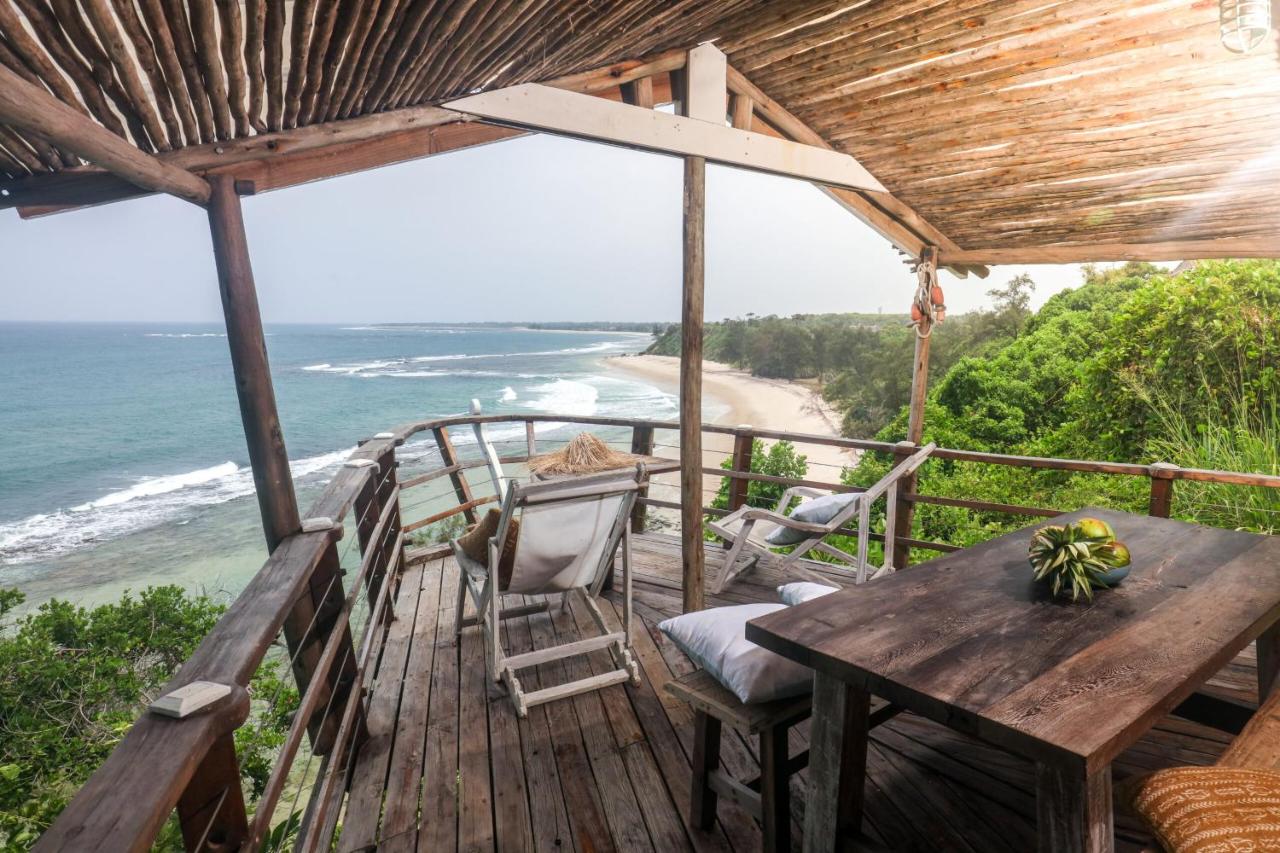
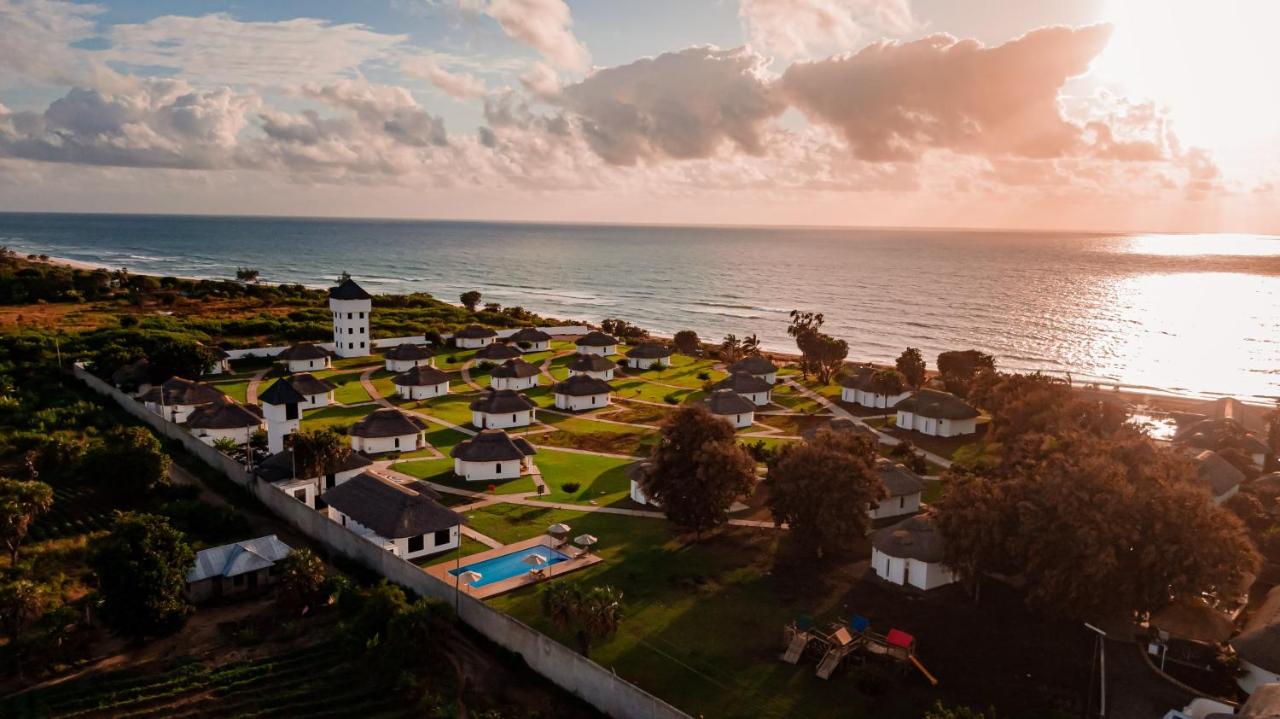
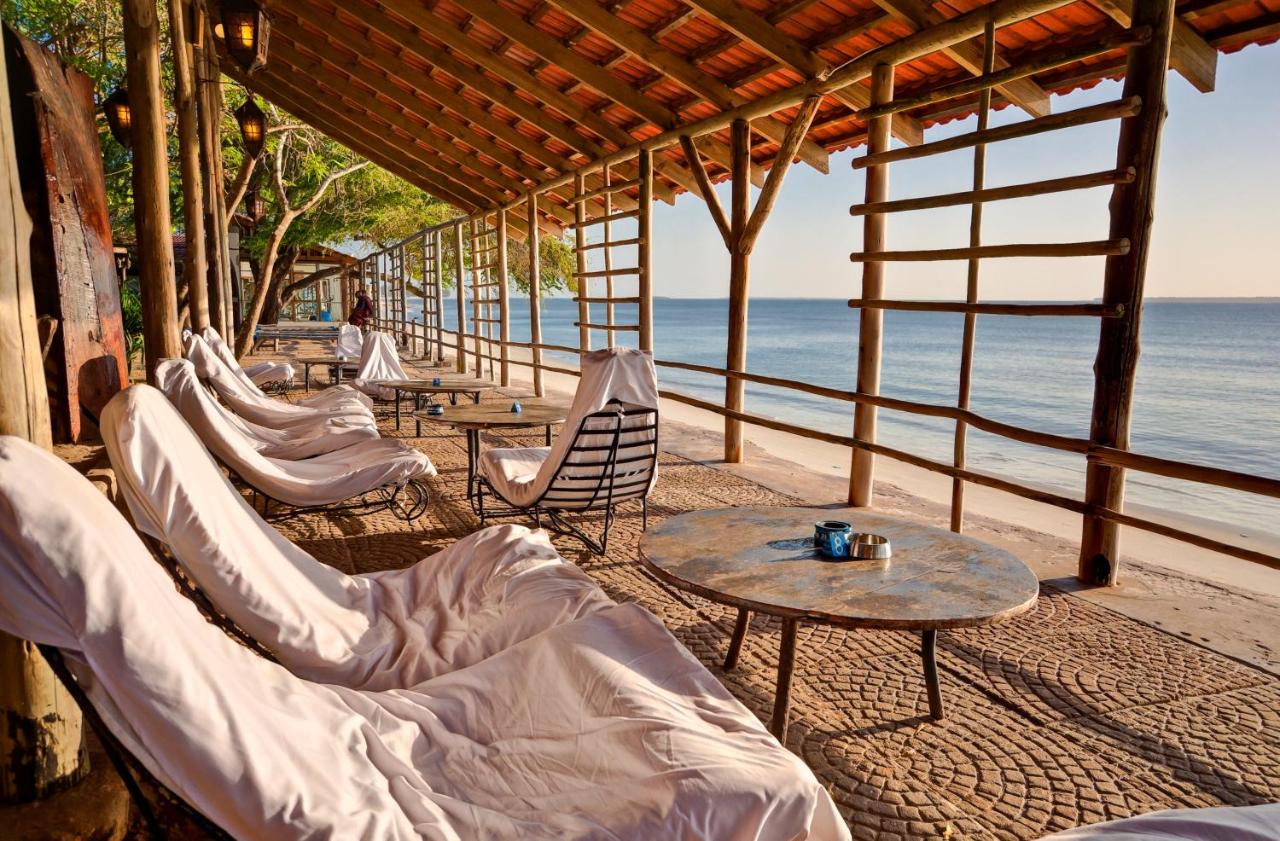
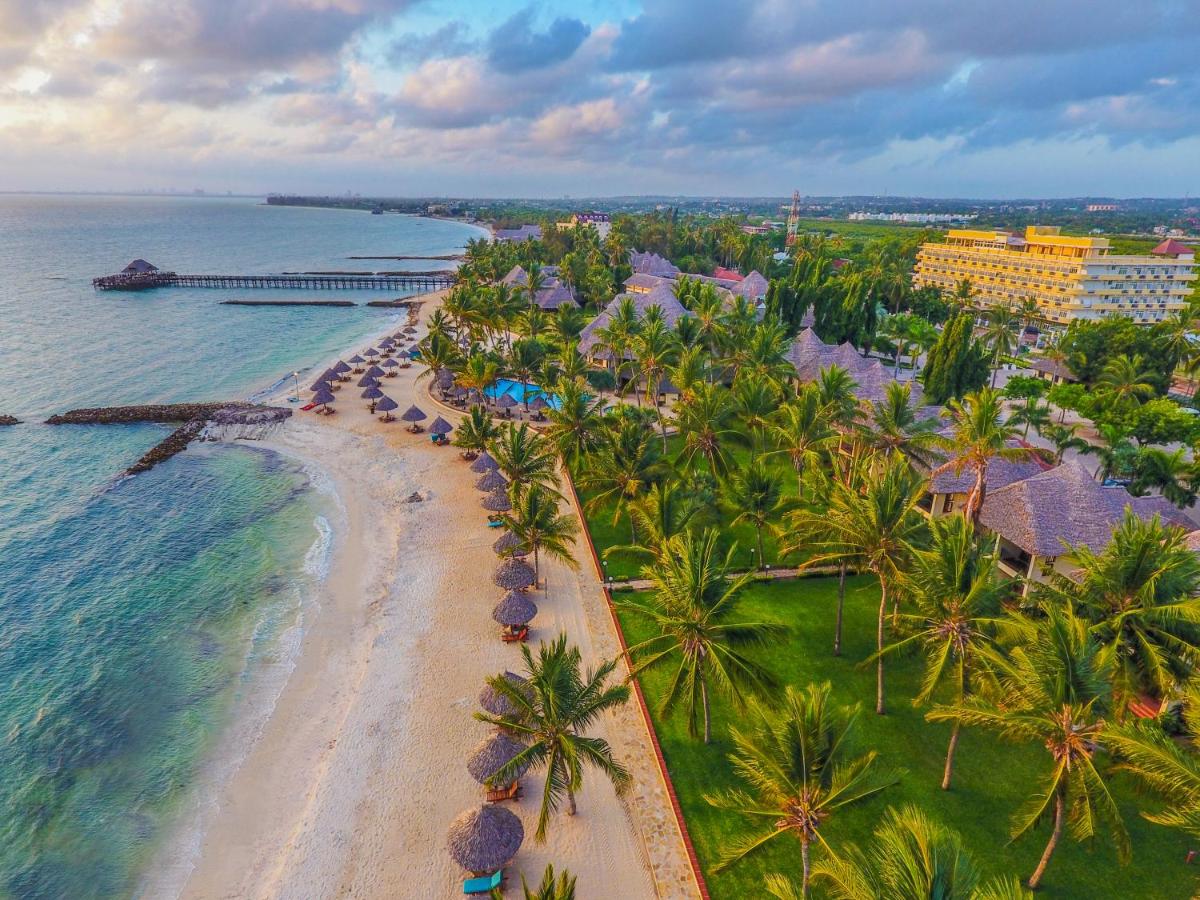
If you're looking for a more laid-back experience, head to the beaches of Kunduchi and Coco, where you can soak up the sun and enjoy the crystal-clear waters of the Indian Ocean. For a taste of the local cuisine, make sure to try the famous Zanzibar pizza, a delicious street food that's sold throughout the city.
Dar es Salaam is also a great starting point for exploring some of Tanzania's other top destinations. From here, you can take a short flight to the Serengeti National Park, where you can witness the annual wildebeest migration. Or, you can head to the nearby island of Zanzibar to explore its stunning beaches and historic Stone Town.
Dar es Salaam Location: Zone Information in Tanzania
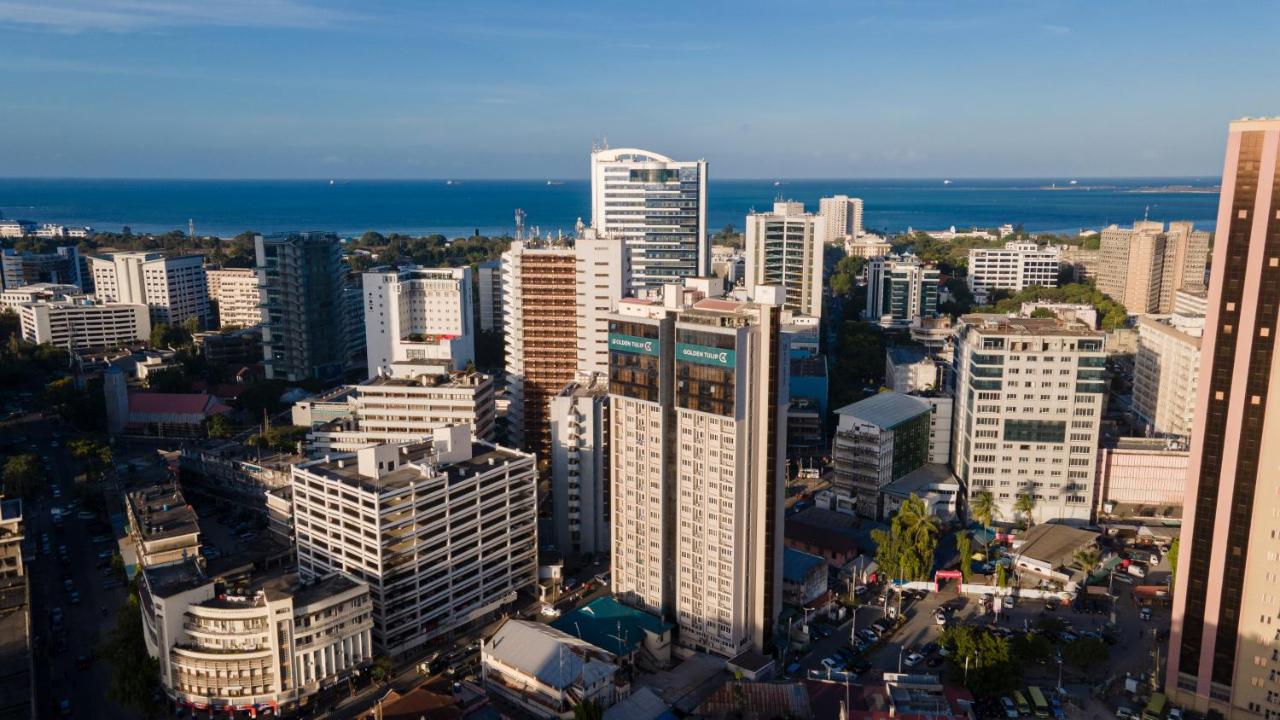
Dar es Salaam, also known as Dar, is the largest city and former capital of Tanzania. It is located on the Swahili coast in eastern Africa, bordering the Indian Ocean. The city has a population of over 6 million people and is the economic and cultural hub of Tanzania.
Geographically, Dar es Salaam is situated on a natural harbor on the Indian Ocean coast. It is divided into five districts or zones: Ilala, Kinondoni, Temeke, Ubungo, and Kigamboni. Each zone has its own unique characteristics and attractions.
The Ilala district is the central business district of Dar es Salaam. It is home to the majority of the city's high-rise buildings and financial institutions. The National Museum of Tanzania, which houses important historical and cultural exhibits, is also located in Ilala.
Kinondoni, on the other hand, is known for its upscale residential areas, shopping malls, and restaurants. It is also home to the University of Dar es Salaam, the oldest and largest university in Tanzania.
Temeke is the largest district in terms of land area and is known for its industrial and manufacturing activities. It is also home to the Julius Nyerere International Airport, the main gateway to Tanzania.
Ubungo is a rapidly growing district that is known for its transport hub. It is home to the Ubungo Bus Terminal, one of the largest bus terminals in East Africa.
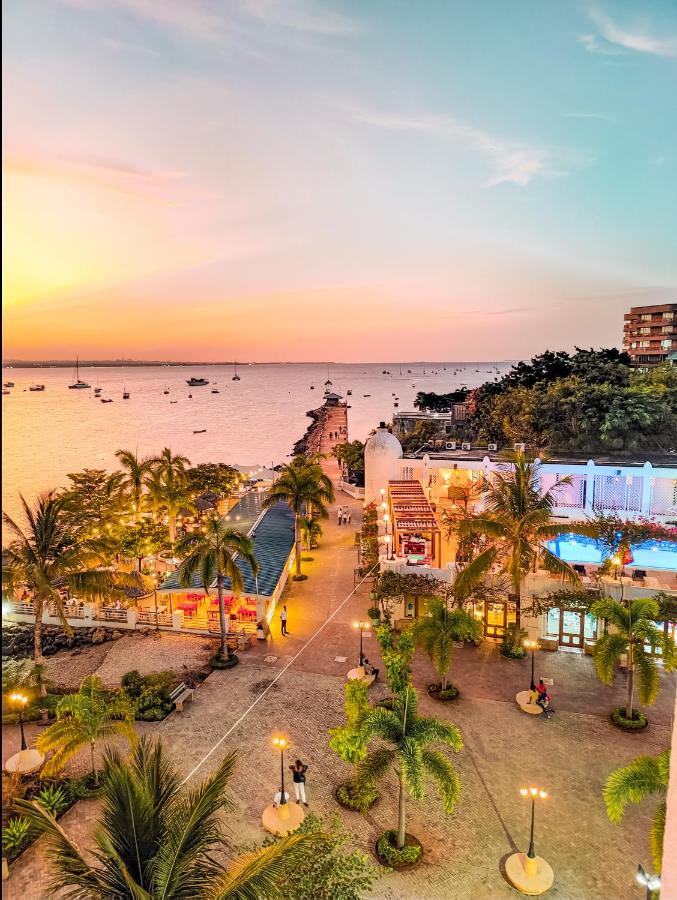
Finally, Kigamboni is a relatively new district that is located across the Kurasini Creek from the rest of Dar es Salaam. It is known for its beaches, resorts, and tourist attractions such as the Kigamboni Bridge and the Kigamboni Ferry.
Unpacking Tanzania's United Republic Status
Dar es Salaam, the largest city in Tanzania, is located on the eastern coast of Africa and serves as the country's commercial and financial hub. Tanzania is officially known as the United Republic of Tanzania, a name that reflects its unique political status.
Unpacking Tanzania's United Republic Status
Tanzania is a union of two former independent states: Tanganyika and Zanzibar. Tanganyika gained independence from British colonial rule in 1961, while Zanzibar became independent in 1963. In 1964, the two states merged to form the United Republic of Tanzania.
The union is unique in that it has two separate governments: one for the mainland (Tanganyika) and another for the semi-autonomous archipelago of Zanzibar. The President of Tanzania serves as the head of state for both governments, but each government has its own parliament and prime minister.
The union was formed with the goal of promoting unity and stability between the two states, despite their different histories and cultures. This status has allowed Tanzania to maintain a relatively peaceful and stable political climate compared to some of its neighbors in East Africa.
Dar es Salaam Locality in Tanzania
Dar es Salaam is the largest city in Tanzania and serves as the country's commercial and financial center. The city is located on the eastern coast of Africa and has a population of over 6 million people.
The city is known for its bustling markets, vibrant nightlife, and historical sites such as the Askari Monument and the National Museum of Tanzania. Dar es Salaam also serves as the gateway to Tanzania's famous wildlife reserves, including Serengeti National Park and Mount Kilimanjaro.
Dar es Salaam Region: Location and Information
Dar es Salaam is a city and region found in the eastern part of Tanzania, East Africa. It is the largest city in the country and serves as the commercial and financial hub of Tanzania, with a population of over six million people.
The region covers an area of 1,393 square kilometers, bordered by the Indian Ocean to the east and Pwani Region to the north, west, and south. The city is divided into five districts: Ilala, Kinondoni, Temeke, Kigamboni, and Ubungo.
Dar es Salaam is the former capital city of Tanzania and remains a center of government administration and diplomacy. The name "Dar es Salaam" means "the house of peace" in Arabic, and it was given by Sultan Seyyid Majid of Zanzibar when he founded the city in 1862.
The city is a melting pot of cultures, with a mix of African, Arab, and Indian influences. It is known for its vibrant markets, including Kariakoo Market, which is the largest and busiest in the city. The region is also home to many historical sites, such as the Askari Monument, which commemorates African soldiers who fought for the British during World War I.
Dar es Salaam is a major transportation hub, with Julius Nyerere International Airport located within the city. The region also has several major ports along the Indian Ocean, including the Dar es Salaam Port, which is the largest port in Tanzania.
The region is a major center for higher education and research in Tanzania, with several universities and research institutions located within the city. The University of Dar es Salaam is the oldest and largest public university in Tanzania, offering undergraduate and graduate programs in a variety of fields.
Discover Dar es Salaam: Top Attractions & Culture
Dar es Salaam is the largest city and former capital of Tanzania, located on the east coast of Africa. It is a bustling metropolis that is home to over 6 million people, making it one of the fastest-growing cities in the world. The city has a rich cultural heritage and is known for its vibrant music scene, bustling markets, and delicious cuisine.
The National Museum of Tanzania: This museum is a must-visit destination for anyone interested in the history and culture of Tanzania. It houses a collection of artifacts and exhibits that showcase the country's rich cultural heritage, including traditional tribal crafts and historical relics from the colonial era.
The Village Museum: This open-air museum is an excellent place to learn about the different tribes that make up Tanzania's diverse population. The museum features a collection of traditional homes and artifacts from various tribes, along with demonstrations of traditional dance and music.
The Askari Monument: This monument is located in the center of Dar es Salaam and commemorates the African soldiers who fought in World War I. It is a poignant reminder of the sacrifices made by the city's inhabitants in the fight for freedom and justice.
The Dar es Salaam Fish Market: This bustling market is a must-visit destination for anyone interested in the city's vibrant seafood culture. The market is located on the waterfront and offers a wide variety of fresh fish and seafood, along with traditional spices and sauces.
Dar es Salaam is a melting pot of different cultures, with influences from Africa, India, and the Middle East. The city's music scene is particularly vibrant, with a thriving bongo flava music scene that blends traditional African rhythms with modern hip-hop and reggae influences.
The Tingatinga Arts Cooperative Society: This art collective is dedicated to preserving the traditional art of Tanzania. The cooperative features works by local artists that showcase the vibrant colors and patterns of traditional Tanzanian art.
The Kariakoo Market: This bustling market is the heart of Dar es Salaam's vibrant street culture. The market is known for its colorful fabrics, traditional clothing, and street food stalls that offer a taste of the city's delicious cuisine.
The Mwenge Carvers Market: This market is a must-visit destination for anyone interested in traditional Tanzanian woodcarving. The market features works by local artisans that showcase the intricate designs and motifs of traditional Tanzanian art.
In conclusion, Dar es Salaam is a vibrant and diverse city that continues to evolve and grow. It is a melting pot of cultures and languages, where traditional customs and modern developments coexist. From its bustling markets and iconic landmarks to its serene beaches and wildlife reserves, Dar es Salaam offers a rich tapestry of experiences for visitors and residents alike. As the city continues to expand, it faces challenges such as traffic congestion, waste management, and access to basic services, but also opportunities for economic growth and social progress. With its unique character and potential, Dar es Salaam is a city to watch in the years to come.