Discover Dili
For those who love the outdoors, a visit to Tasitolu Beach is a must. The beach is known for its crystal clear waters, white sand, and coral reefs, making it an ideal spot for snorkeling and diving. You can also take a hike through the nearby forests, where you can spot rare bird species and other wildlife.
If you are interested in history, a visit to the Resistance Museum is a must. The museum showcases the country's struggle for independence and the role of the resistance movement. You can also visit the Santa Cruz Cemetery, a site that holds a significant place in the country's history as the location of a massacre that occurred during the Indonesian occupation.
Dili is also known for its vibrant nightlife, with a range of bars and clubs that offer a unique blend of local and international music. You can also sample some of the local beer and spirits, such as Tua Mutin and Baiju.
Discover Dili's Area: Essential Guide
If you are planning a trip to Timor-Leste, you cannot miss Dili, the capital city. Dili is a beautiful and lively city that offers visitors a unique experience. To make the most of your time in Dili, it is essential to know the best places to visit, eat, and stay. That's where Discover Dili's Area: Essential Guide comes in.
This guide provides a comprehensive overview of the Dili area, including the best attractions, restaurants, and accommodations. Whether you are a first-time visitor or a seasoned traveler, this guide will help you plan your trip to Dili.
Dili has a variety of attractions that are worth visiting. From historical sites to natural wonders, there is something for everyone. Some of the must-see attractions in Dili include:
These attractions are not only beautiful but also offer a glimpse into the culture and history of Timor-Leste.
Dili has a vibrant food scene, with restaurants offering a variety of cuisines. Whether you are looking for traditional Timorese food or international dishes, you will find it in Dili. Some of the best restaurants in Dili include:
Castaway Bar and Restaurant
These restaurants not only offer delicious food but also a great atmosphere to enjoy your meal.
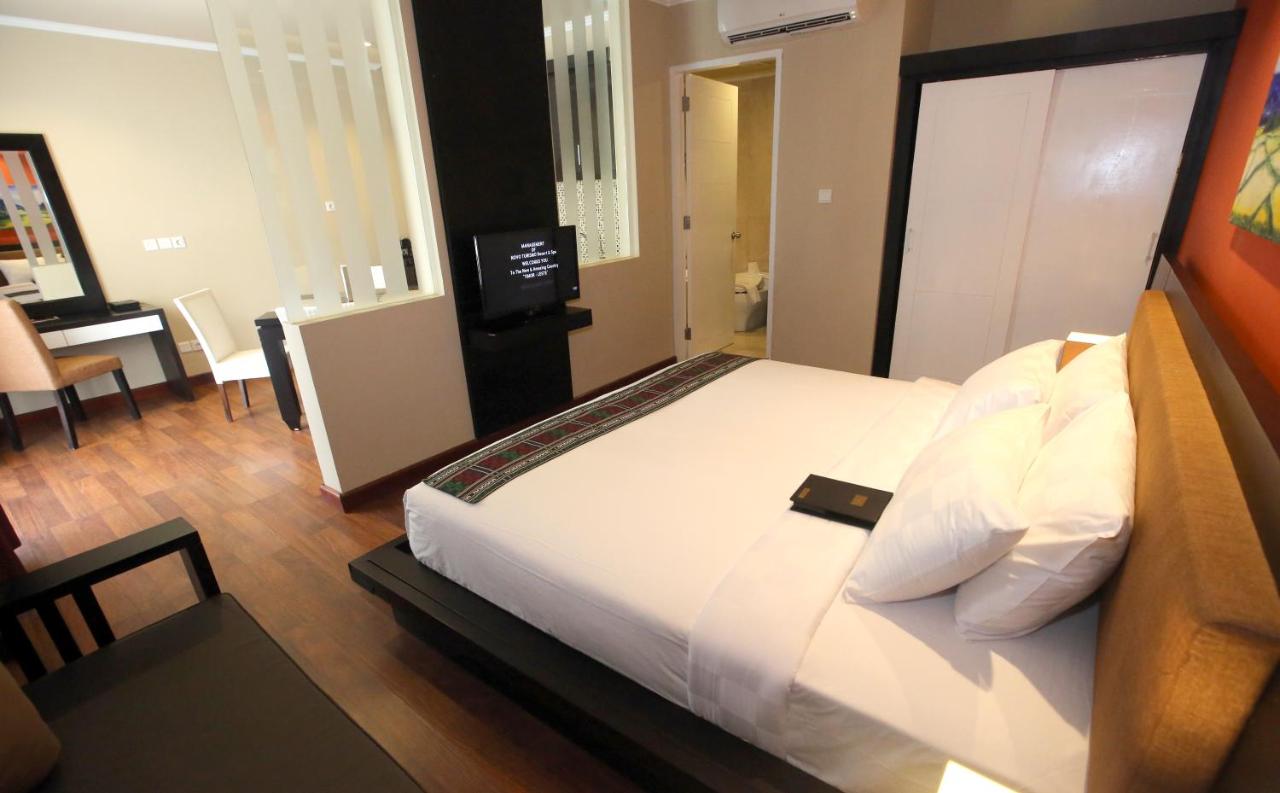
When it comes to accommodations, Dili has a range of options to fit every budget and preference. Whether you are looking for a luxurious hotel or a budget-friendly hostel, you will find it in Dili. Some of the best accommodations in Dili include:
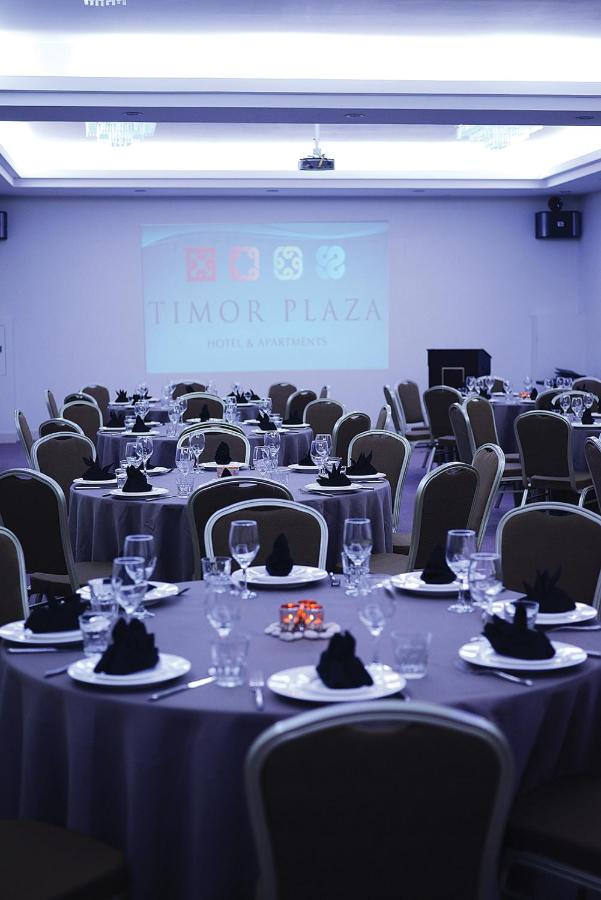
Timor Plaza Hotel and Apartments
These accommodations not only offer comfortable rooms but also a great location to explore the city.
Dili is a beautiful and vibrant city that offers visitors a unique experience. With the help of Discover Dili's Area: Essential Guide, you can make the most of your time in Dili by visiting the best attractions, eating at the best restaurants, and staying at the best accommodations. Make sure to add Dili to your travel itinerary and experience all that Timor-Leste has to offer.
Dili: The Capital City of Which Country?
Dili is the capital city of Timor-Leste, a small country located in Southeast Asia. It is the largest city in the country, with a population of approximately 234,000 people. Dili is located on the north coast of the island of Timor, and it is the country's main port and commercial center.
Dili has a rich history that dates back to the 16th century, when it was a small fishing village. The Portuguese arrived in the area in the 1500s, and in 1769 they established a trading post in Dili. The city remained under Portuguese control until 1975, when Timor-Leste declared independence. However, Indonesia invaded the country later that year and occupied it until 1999. Since then, Dili has been the capital of the newly independent Timor-Leste.
Today, Dili is a vibrant city that is home to a mix of cultures and traditions. The city's architecture reflects its colonial past, with many Portuguese-style buildings and churches. However, Dili also has a modern side, with new buildings and shopping centers popping up throughout the city.
One of the main attractions in Dili is its beautiful beaches. The city is situated on a picturesque bay, and there are several beaches within easy reach of the city center. The most popular beach is probably Areia Branca, which is located just a few kilometers from the city center. This beach is known for its clear water and white sand.
Dili is also home to several important landmarks and cultural institutions. One of the most important is the Timor-Leste Resistance Archive and Museum, which documents the country's struggle for independence. The Dili Cathedral is another important landmark, and it is known for its beautiful stained glass windows.
What Language is Spoken in Dili? | Exploring the Linguistic Landscape
Dili is the largest city and the capital of Timor-Leste, a small island nation in Southeast Asia. The country is home to more than 30 different languages, but the official languages are Tetum and Portuguese. Tetum is the most widely spoken language in the country, and it is the lingua franca of Dili.
Therefore, the language spoken in Dili is primarily Tetum. However, Portuguese is also used in government and official settings, as well as by the older generation who were educated during the Portuguese colonial period.
Other languages spoken in Dili include Indonesian, English, and various regional languages such as Mambai, Tokodede, and Fataluku. Many Timorese are bilingual or multilingual, speaking both Tetum and their regional language, as well as other languages they may have learned in school or through interactions with foreigners.
The diversity of languages in Dili and Timor-Leste as a whole reflects the country's complex history and cultural heritage, which has been influenced by Portuguese, Dutch, and Indonesian colonization, as well as the indigenous traditions of the Timorese people.
Dili's Districts: A Comprehensive Guide
Dili is the capital city of Timor-Leste, and it is divided into four districts. These districts are:
The Dili district is the most populated district in Timor-Leste, and it encompasses the city center. It is divided into six sub-districts, which are:
Alto Crimin is the northernmost sub-district and is home to the Dili International Airport and the Timor Plaza shopping center. Cristo Rei is named after the Cristo Rei statue that overlooks the city and is a popular tourist attraction. Foho Ailu is known for its historic Portuguese-style houses and is home to the Santa Cruz cemetery, which is a significant site in Timor-Leste's struggle for independence. Laclo is a coastal sub-district that is home to many of the city's beaches. Nain Feto is the most populous sub-district and is home to the National Hospital and the Ministry of Agriculture and Fisheries. Pante Macassar is the easternmost sub-district and is known for its pristine beaches and crystal-clear waters.
The Bobonaro district is located in the western part of the country, and it is known for its picturesque mountains and valleys. The Cova Lima district is located in the southwestern part of the country, and it is known for its coffee plantations and traditional weaving. Finally, the Baucau district is located in the eastern part of the country, and it is known for its rugged coastline and stunning beaches.
Each of Dili's districts has its own unique characteristics and attractions, making Timor-Leste a diverse and exciting destination for travelers.
In conclusion, Dili is a unique and fascinating locality in Timor-Leste that offers a blend of modernity and tradition. From its stunning beaches and rich cultural heritage to its bustling markets and vibrant nightlife, Dili has something to offer everyone. While the city may have faced its fair share of challenges in the past, it continues to grow and develop, attracting visitors from all over the world. As Timor-Leste continues to assert itself on the global stage, Dili is sure to remain a key player, offering a glimpse into the country's rich history and promising future.