Discover Falun
If you're interested in history, Falun has plenty to offer. The town center is filled with 17th-century buildings, including the Falu Cathedral, which was built in the 15th century. You can take a guided tour of the town to learn about its history, architecture, and culture. The town also hosts traditional festivals like the Falun Copper Festival, which celebrates the town's mining heritage.
Discovering Falun: Sweden's Rich Mining History
Falun is a locality in Sweden that is famous for its rich mining history. It was once a bustling mining town that produced a significant amount of copper for the Swedish economy. Today, the town has transformed into a popular tourist destination, with visitors coming from all over the world to learn about its history and experience its beauty.
The Falun Copper Mine was in operation for over 1,000 years, from the 10th century to the 1990s. It was one of the largest copper mines in the world, producing over two-thirds of Europe's copper during the 17th century. The mine was also responsible for creating the characteristic red color that is seen on many Swedish buildings, including the Royal Palace in Stockholm.
Visitors to Falun can tour the old mine and learn about the mining techniques that were used for centuries. The mine is now a UNESCO World Heritage Site, recognized for its historical and cultural significance. The tour takes visitors deep into the mine, where they can see the tunnels and shafts that were used by miners centuries ago.
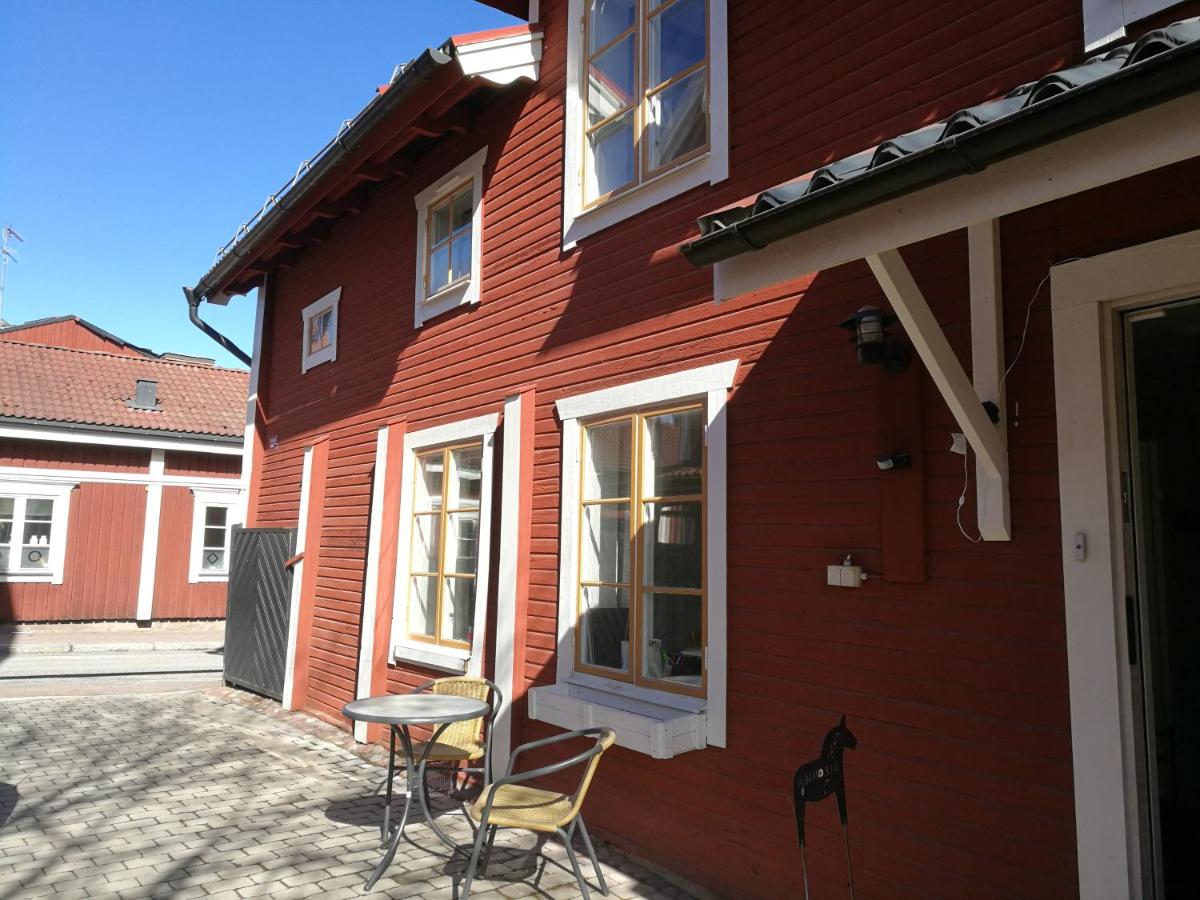
Aside from the mine, Falun has many other attractions that are worth seeing. The town is located in the heart of Sweden's beautiful countryside, with lakes, forests, and mountains surrounding it. Visitors can hike, bike, or ski through the beautiful landscape, taking in the fresh air and stunning views. The town itself is also charming, with cobbled streets, colorful buildings, and quaint cafes and shops.
Falun is also known for its cultural events and festivals. The town hosts a range of events throughout the year, including music festivals, art exhibitions, and food markets. One of the most popular events is the Falun Folk Festival, which celebrates traditional Swedish folk music and dance. The festival attracts thousands of visitors each year, who come to enjoy the lively atmosphere and learn about Swedish culture.
Discover the Location of Falun Sweden - State Revealed!
Falun is a city located in the Dalarna County of Sweden. It is a historic locality, known for its copper mining industry. The city has a rich cultural heritage and is home to many historic landmarks, including the Falun Copper Mine, which is a UNESCO World Heritage Site.
The city of Falun is located in the central part of Sweden, approximately 215 kilometers northwest of Stockholm. It is situated on the eastern shore of the Lake Runn, which is a popular destination for outdoor activities such as fishing, kayaking, and hiking. The city is also surrounded by forests, making it an ideal place for nature lovers.
Falun has a population of around 38,000 people. The city has a vibrant economy, with a mix of industries including manufacturing, healthcare, and education. The city is home to Dalarna University, which is one of the top universities in Sweden.
One of the most famous landmarks in Falun is the Falun Copper Mine. The mine was in operation for over 1,000 years and produced two-thirds of Europe's copper in the 17th century. Today, visitors can take guided tours of the mine and learn about its history and significance.
Falun is also known for its winter sports. The city hosted the 2015 Nordic World Ski Championships and is home to Lugnet, a sports complex that includes ski jumps, a cross-country skiing stadium, and an ice rink.
Discovering the Meaning of Falun in Swedish
Falun is a small town located in the Dalarna region of central Sweden. It has a rich history dating back to the 17th century when it was known for its copper mines, which were among the largest in the world at the time. Today, Falun is a popular tourist destination known for its charming red wooden houses, scenic lakes, and picturesque landscapes.
But what does the name "Falun" actually mean in Swedish? To answer this question, we must first look at the town's history.
In the 17th century, Falun was a major center for copper mining. The copper was extracted from the Falun mine, which was one of the largest and most productive copper mines in the world at the time. The mining industry was so important to the town that it became a symbol of Falun's identity. The town's coat of arms features a copper miner holding a pickaxe and a torch.
The name "Falun" is derived from the Swedish word "falu", which means "copper-colored". This name was given to the town because of the red color of the copper ore that was extracted from the mine. The color of the copper was so distinctive that it became associated with the town and the surrounding region.
Over time, the name "Falun" became synonymous with the town itself. Today, it is used to refer to the town and the surrounding municipality.
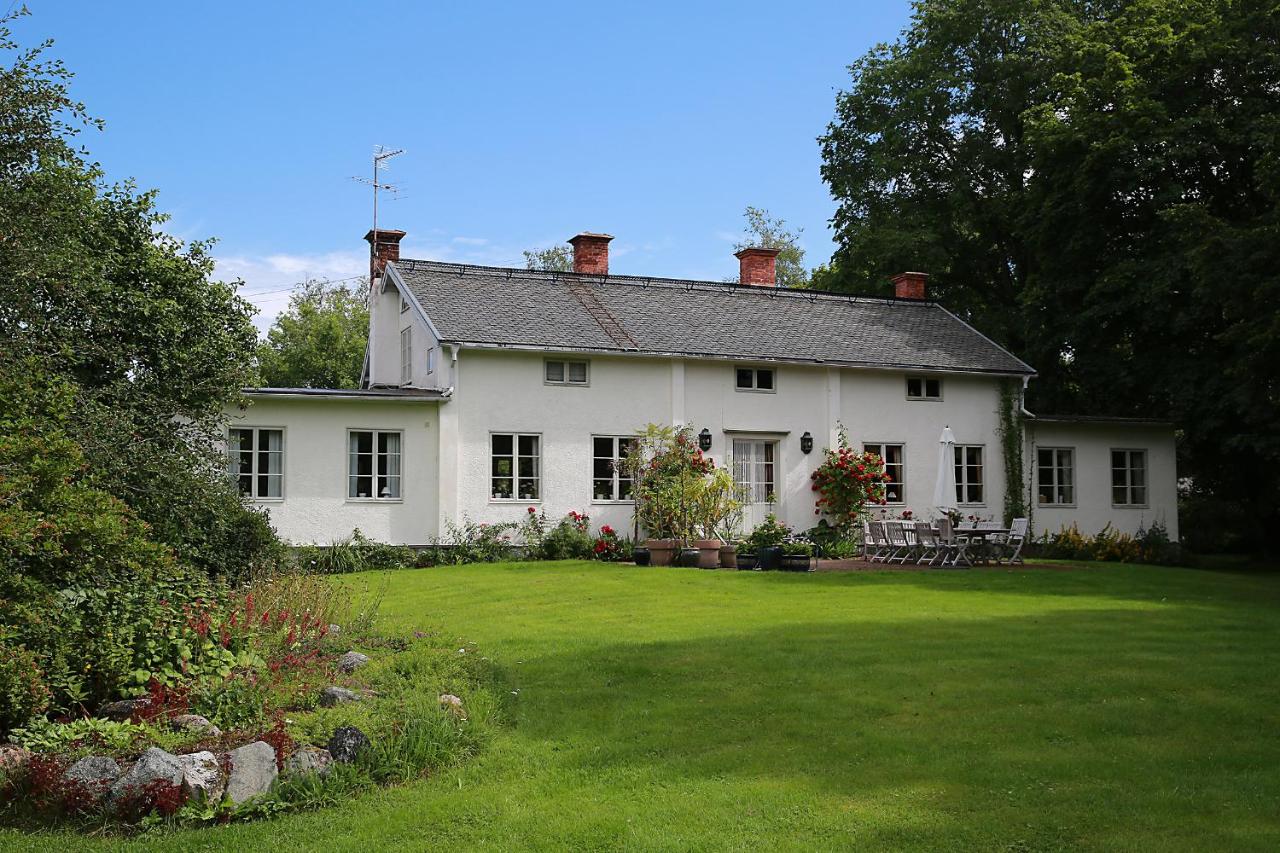
In addition to its rich history and cultural heritage, Falun is also known for its natural beauty. The town is surrounded by forests, lakes, and rolling hills, making it a popular destination for outdoor activities such as hiking, fishing, and skiing.
Whether you are interested in history, culture, or nature, Falun has something to offer. Its unique name reflects its rich history and identity, making it a fascinating place to visit and explore.
The History of Falun, Sweden: From Copper Mining to Cultural Charm
Falun is a small locality located in the Dalarna County of Sweden. The town was founded as a copper mining town in the 17th century and has since evolved into a popular tourist destination known for its cultural charm and picturesque surroundings.
The history of Falun can be traced back to the 8th century when copper mining began in the area. In the 17th century, the town became the largest producer of copper in Europe, and the copper extracted from the Falun mine was used to produce coins, cannons, and other weapons during the Swedish Empire. The mine operated until 1992 and has since been preserved as a UNESCO World Heritage Site, attracting visitors from all over the world.
Aside from its rich mining history, Falun is also known for its cultural charm. The town is home to numerous museums, art galleries, and cultural events that showcase the local traditions and heritage. The Carl Larsson-gården Museum is a must-visit attraction that showcases the life and work of the famous Swedish artist Carl Larsson, who lived in Falun with his family in the early 20th century.
Falun is also known for its beautiful architecture and scenic surroundings. The town's historic buildings are well-preserved and offer a glimpse into the town's rich heritage. The Faluån River that runs through the town adds to its charm, and visitors can enjoy scenic walks and boat rides along its banks.
The town's annual Falu Christmas Market is a popular event that attracts visitors from all over Sweden. The market features numerous stalls selling traditional Swedish crafts, food, and drink, and is a great opportunity to experience the local culture and traditions.
In conclusion, Falun is a charming locality in Sweden that has a rich history and culture. From the iconic Falun Mine to the picturesque Lake Runn, there is no shortage of attractions in this town. Visitors can also indulge in outdoor activities such as hiking, fishing, and skiing. The locals are warm and friendly, and the town exudes a cozy and welcoming atmosphere. Falun is a perfect destination for anyone looking to experience the best of Sweden's countryside.