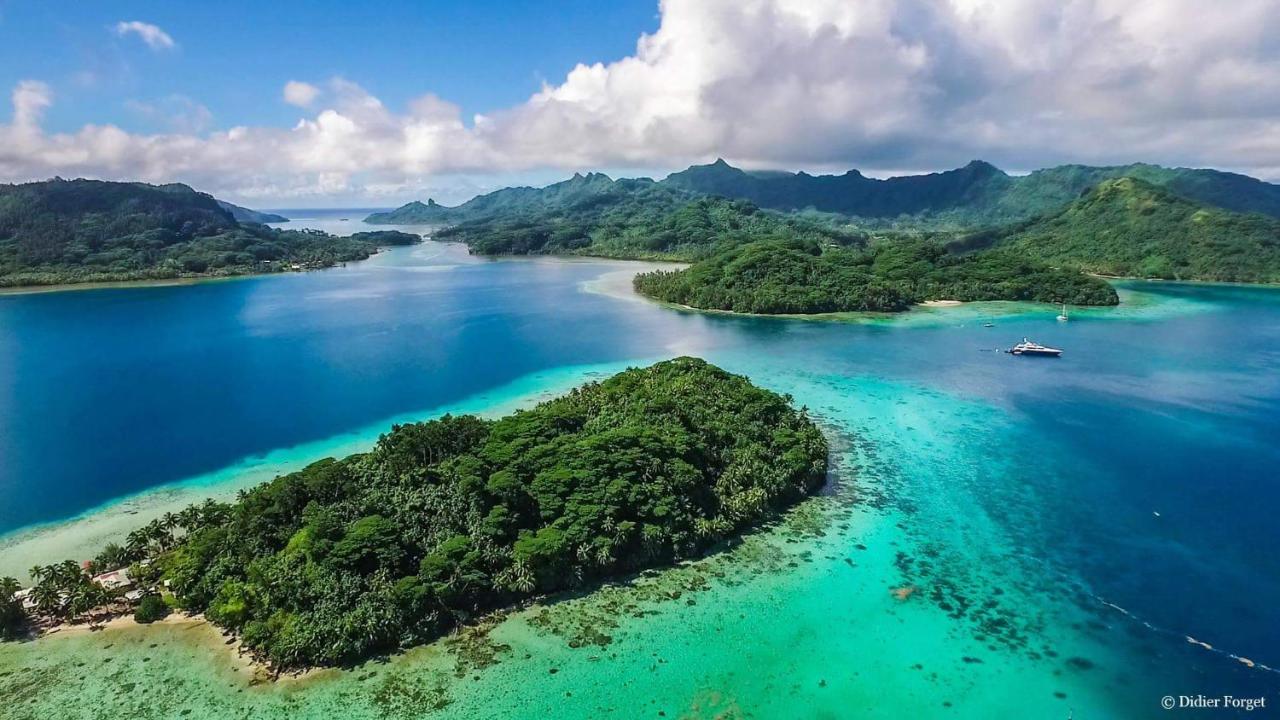
Discover Fare
Another highlight of Fare is the Marae Anini. This sacred site is a place of worship for the Polynesian people and is considered to be one of the most important historical sites in the region. It is believed that the site was used for ceremonies and rituals by the ancient Polynesian tribes.
If YOU are a lover of nature, then the Faie area is a must-visit. This region is known for its stunning landscapes and is home to some of the most beautiful vanilla plantations in the world. YOU can take a tour of the plantations and learn about the cultivation and processing of vanilla beans.
Finally, no visit to Fare is complete without experiencing the local cuisine. The town is known for its delicious seafood dishes, which are prepared using traditional Polynesian techniques. YOU can also try the local delicacy of Poisson Cru, which is a dish made of raw fish marinated in coconut milk and lime juice.
Discover Tahiti's Fares: Traditional Accommodation
French Polynesia is a tropical paradise that is known for its crystal clear waters, stunning beaches, and lush greenery. However, what many people do not know is that the country is also home to a unique type of accommodation known as Fare.
Fare is a traditional Polynesian house that is made of local materials such as wood and thatch. These houses are designed to blend in with the natural surroundings and offer a unique and authentic experience for travelers who want to immerse themselves in the local culture.
Many Fare are located in secluded areas of the island, offering privacy and tranquility for those who want to get away from the hustle and bustle of the city. Some Fare are also located on the beachfront, offering stunning views of the ocean and easy access to the beach.
Discover Tahiti's Fares is a program that was created to promote traditional Polynesian accommodation and provide travelers with an authentic experience. The program offers a range of different Fare options, from basic and affordable to more luxurious and upscale.
One of the advantages of staying in a Fare is that it allows you to experience the local culture firsthand. Many Fare are owned and operated by local families who are happy to share their knowledge of the island and its traditions with their guests.
In addition to the cultural experience, staying in a Fare is also a great way to support the local economy. By choosing to stay in a traditional Polynesian house, you are helping to preserve the local culture and support the livelihoods of local families.
Population Density in French Polynesia: Where do People Reside?
French Polynesia is a popular tourist destination known for its stunning natural beauty and rich cultural heritage. It is an archipelago consisting of 118 islands and atolls, spread over an area of 4 million square kilometers in the South Pacific Ocean. The population of French Polynesia is around 280,000, with the majority of people living on the main island of Tahiti.
Fare locality is a small town located on the island of Huahine, one of the lesser-known islands of French Polynesia. The town is located on the western side of the island, facing the lagoon. It is the main center of commerce and administration for the island, with a population of around 2,000 people.
Population density in Fare locality is relatively low, with most of the land being used for agriculture and fishing. The town is surrounded by lush green forests and mountains, which make it a popular destination for nature lovers and hikers. The traditional Polynesian culture is still very much alive in the town, with many locals practicing traditional crafts and activities like fishing and weaving.
The main language spoken in French Polynesia is French, but Tahitian is also widely spoken. The local currency is the French Pacific franc, which is pegged to the euro. The economy of the country is primarily based on tourism, fishing, and agriculture, with a growing emphasis on renewable energy and sustainable development.
Living Costs in French Polynesia: Are they High?
French Polynesia is a popular travel destination known for its stunning beaches, crystal clear waters, and vibrant culture. Fare, a locality in French Polynesia, is a charming small town located on the island of Huahine. If you are considering living in Fare, you may be wondering about the cost of living in this area.
The short answer is that living costs in French Polynesia are generally high. This is due in part to the fact that many goods and services must be imported from other countries, which can drive up prices. In addition, French Polynesia is a popular tourist destination, which means that some prices may be higher to cater to tourists.
However, the cost of living in Fare may be lower than other areas in French Polynesia. Fare is a small town with a population of around 1,500 people, and it is not as heavily touristed as some other areas in French Polynesia. As a result, some prices may be more reasonable in Fare than in other areas.
That being said, it is still important to be prepared for the higher cost of living in French Polynesia. Housing costs can be particularly high, and you may need to budget more for groceries and other essentials. It is also important to keep in mind that the cost of living may be higher for expats than for locals, as expats may need to pay for visas, work permits, and other expenses.
Despite the higher cost of living, many people choose to live in French Polynesia for the stunning natural beauty, warm climate, and laid-back lifestyle. If you are considering living in Fare or elsewhere in French Polynesia, be sure to do your research and budget accordingly.
French Polynesia: First or Third World?
French Polynesia is a territory of France located in the South Pacific Ocean, made up of more than 100 islands. It is known for its stunning beaches, clear waters, and vibrant culture. However, when it comes to the classification of First or Third World, it can be a bit confusing.
Traditionally, the terms First World and Third World were used to describe countries based on their political and economic affiliations during the Cold War era. First World referred to countries aligned with the United States and its allies, while Third World referred to countries aligned with the Soviet Union and its allies. However, since the end of the Cold War, these terms have evolved to take on broader meanings.
French Polynesia, as a territory of France, is technically considered a First World country. It has access to the resources and support of a developed nation, including a high standard of living, advanced healthcare, and a strong infrastructure. However, the reality for many locals is different.
The Fare locality, located on the island of Huahine, is a prime example of the disparities that exist within French Polynesia. While tourists are drawn to the area for its luxurious resorts and picturesque scenery, many locals struggle to make ends meet. The cost of living is high, and many people work multiple jobs just to get by.
Despite these challenges, the people of Fare are proud of their culture and community. They have a strong connection to their traditions, including music, dance, and handicrafts. Visitors to the area can experience these traditions firsthand at local markets and festivals.
In conclusion, Fare locality in French Polynesia is a hidden gem waiting to be discovered. With its stunning beaches, crystal clear waters, and rich cultural heritage, it is a must-visit destination for any traveler looking to explore the beauty of the South Pacific. Whether you are looking for a relaxing beach vacation or an immersive cultural experience, Fare has something to offer for everyone. So pack your bags and get ready to embark on an unforgettable journey to the heart of French Polynesia.