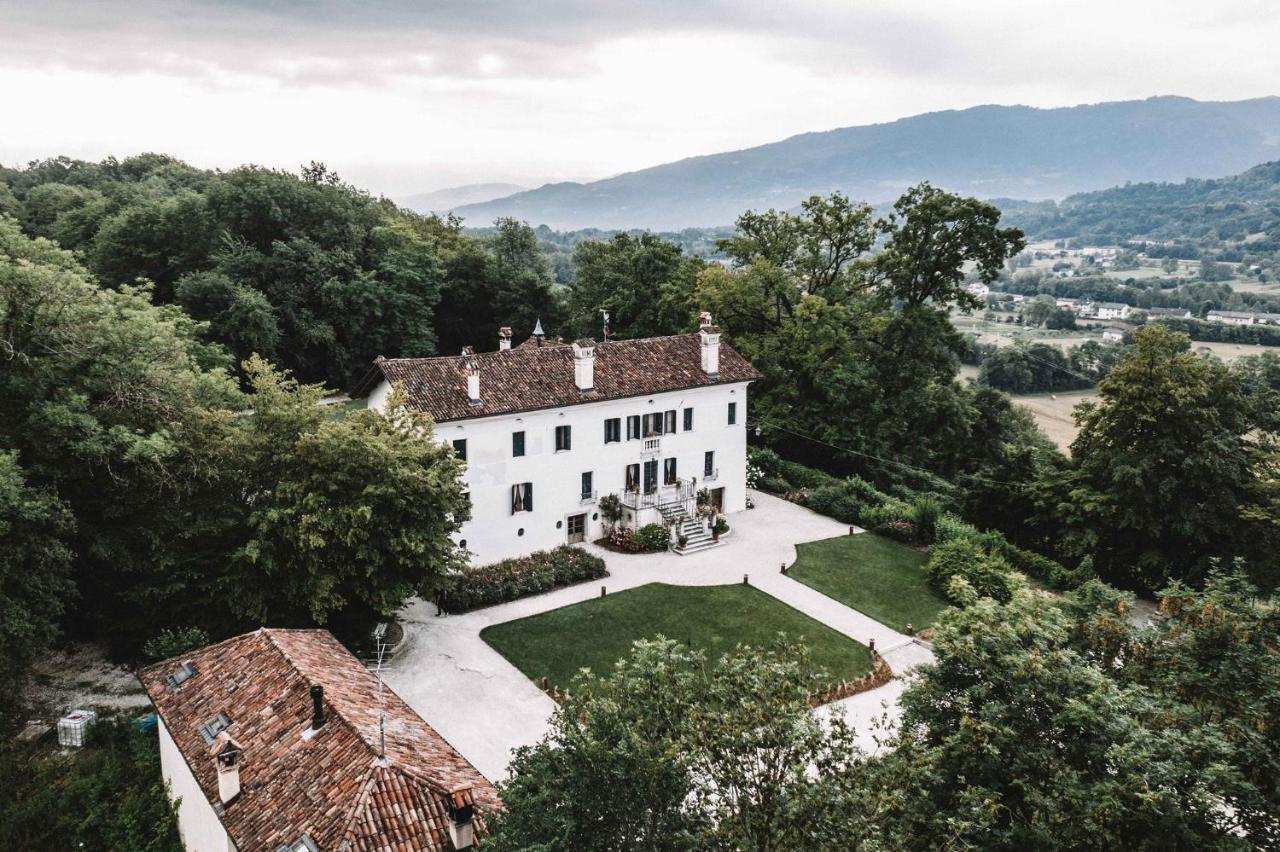
Discover Feltre
If you're looking for outdoor adventure, Feltre has plenty to offer. The town is surrounded by the stunning Dolomite mountains, with hiking and biking trails that wind through forests, meadows, and alpine lakes. In the winter, the nearby ski resorts of Monte Avena and Passo Rolle offer world-class skiing and snowboarding.
But Feltre is also a town that knows how to relax. Take a stroll along the river, browse the local markets for artisanal goods, or simply sit in a café and soak up the sun. Whatever your travel style, Feltre is sure to capture your heart.
So why not add Feltre to your Italy itinerary? With its stunning scenery, rich history, and delicious food, this hidden gem is waiting to be discovered.
Discovering Feltre Italy's Fascinating History
Feltre is a small town located in the northern part of Italy, in the Veneto region. Despite its size, it has a fascinating history that is worth exploring. One of the most notable things about Feltre is its position along the ancient Roman road that linked the cities of Aquileia and Verona. This has made Feltre an important location throughout history, as it was a hub for trade and commerce.
The town's history can be traced back to the Roman era, when it was known as Feltria. However, it was during the Middle Ages that Feltre really began to flourish. In the 11th century, it became a free commune with its own government, which was a significant achievement at the time. Over the next few centuries, Feltre continued to grow and prosper, becoming a center for art and culture as well as trade.
Throughout its history, Feltre has been the site of numerous battles and conflicts. During the Renaissance, it was conquered by the Venetians, who left their mark on the town with beautiful architecture and art. In the 19th century, Feltre played a role in Italy's unification, as it was the site of a battle between Italian and Austrian troops.
Today, Feltre is a charming town with a rich history that is evident in its architecture and culture. Visitors can explore the historic center, which is filled with medieval and Renaissance-era buildings and landmarks. Some notable sites include the Palazzo della Ragione, the Cathedral of St. Peter, and the Castello di Alboino, which dates back to the 10th century.
Discover Belluno's Location: A Guide to the Region
If you're planning a trip to Italy, don't miss the chance to explore the Veneto region and its beautiful cities. One of the hidden gems of this area is Feltre, a charming medieval town located in the province of Belluno. This article will guide you through Feltre's history, culture, and attractions, and give you some tips on how to make the most of your visit.
Feltre has a rich history that dates back to the Roman times, as evidenced by the remains of a theater and an aqueduct. During the Middle Ages, the town became an important center of commerce and art, thanks to its strategic position on the trade routes between Venice and Germany. Today, Feltre is still a lively and thriving community that cherishes its traditions and heritage.
The town's historic center is a maze of narrow alleys, charming squares, and elegant palaces that reflect its Renaissance and Baroque influences. One of the most impressive buildings is the Cathedral of St. Peter and St. Paul, a Romanesque church with a beautiful bell tower and a richly decorated interior. Another must-see attraction is the Palazzo della Ragione, a 13th-century palace that used to be the seat of the local government and now hosts exhibitions and cultural events.
Feltre is surrounded by the stunning Dolomites, a UNESCO World Heritage Site that offers plenty of opportunities for hiking, skiing, and other outdoor activities. The nearby Monte Grappa is a popular destination for paragliding, hang-gliding, and mountain biking, as well as a site of historical significance, being the location of a major battle during World War I. The Brenta River, which runs through Feltre, is also a great spot for kayaking, rafting, and fishing.
Like the rest of the Veneto region, Feltre is known for its delicious cuisine and fine wines. Some of the local specialties include polenta, risotto, grilled meats, and a variety of cheeses. The area is also famous for its Prosecco, a sparkling wine that pairs well with seafood, pasta, and desserts. Don't forget to visit the local markets and shops to taste and buy some of the region's most authentic products.
Feltre is located about 80 kilometers north of Venice and can be easily reached by car, train, or bus. The nearest airport is Venice Marco Polo, which has connections to many European and international destinations. Once you're in Feltre, you can explore the town on foot, as most of the attractions are within walking distance. To visit the surrounding areas, you can rent a car or bike, or take a guided tour.
History of Belluno's Integration into Italy
Feltre is a beautiful locality located in the Veneto region of Italy. It is situated about 20 kilometers southwest of Belluno, a city that played a significant role in the unification of Italy.
In the 19th century, Italy was not a unified country, but rather a collection of independent states and territories. Belluno was part of the Austrian Empire, which controlled much of northern Italy at the time.
However, in 1859, a war broke out between Austria and the Kingdom of Sardinia, which was supported by France. The war ended in 1861 with the formation of the Kingdom of Italy, which included much of the territory that had been controlled by Austria.
Belluno was one of the last cities to join the new kingdom, as Austria continued to hold onto it until 1866. However, with the help of the Italian army and navy, Belluno was finally liberated from Austrian control and became part of the Kingdom of Italy.
The integration of Belluno and other territories into Italy was not always easy, as there were many cultural, linguistic, and political differences between the various regions. However, over time, Italy was able to overcome these challenges and become a united nation.
Today, Belluno is an important city in the Veneto region, known for its stunning mountain scenery, rich history, and vibrant culture. Visitors to Feltre and other localities in the area can explore the city's many museums, churches, and historic sites, as well as enjoy the region's delicious cuisine and fine wines.
The Fascinating History of Belluno
Feltre is a small town located in the northern region of Italy. The town is known for its rich history and culture. One of the most fascinating parts of Feltre's history is the story of Belluno, a nearby town that played a significant role in the region's development.
Belluno was founded in the 4th century BC by the Celts, who established a settlement in the area. Over time, it became an important Roman town and was known as Bellunum. The town was strategically located at the crossroads of several important trading routes, and it quickly became a center of commerce and culture.
Throughout the Middle Ages, Belluno continued to flourish, and it was a bustling center of trade and industry. The town was ruled by various noble families, including the powerful Visconti family of Milan.
During the Renaissance, Belluno became a center of art and culture, and many important artists and intellectuals lived and worked in the town. The town's most famous resident was the painter Giovanni Battista Tiepolo, who created many stunning works of art that can still be seen in the town today.
Despite its importance and cultural significance, Belluno has had a tumultuous history. The town was invaded and occupied by various armies throughout the centuries, and it suffered greatly during World War II.
Today, Belluno is a thriving town that attracts visitors from all over the world. Its rich history and culture are evident in the town's stunning architecture, art, and museums. Visitors can explore the town's many churches, palaces, and museums, and they can take in the stunning views of the surrounding mountains and valleys.
Overall, Feltre is a charming and historic town that offers a delightful experience to anyone who visits. From the picturesque cobblestone streets to the breathtaking mountain views, Feltre has something to offer everyone. The town's rich cultural heritage, combined with its modern amenities, make it an ideal destination for travelers seeking a unique and unforgettable experience. Whether you're interested in exploring the town's medieval architecture, enjoying the local cuisine, or simply soaking up the atmosphere, Feltre is definitely worth a visit. So why not add it to your travel itinerary and discover all that this beautiful town has to offer?