
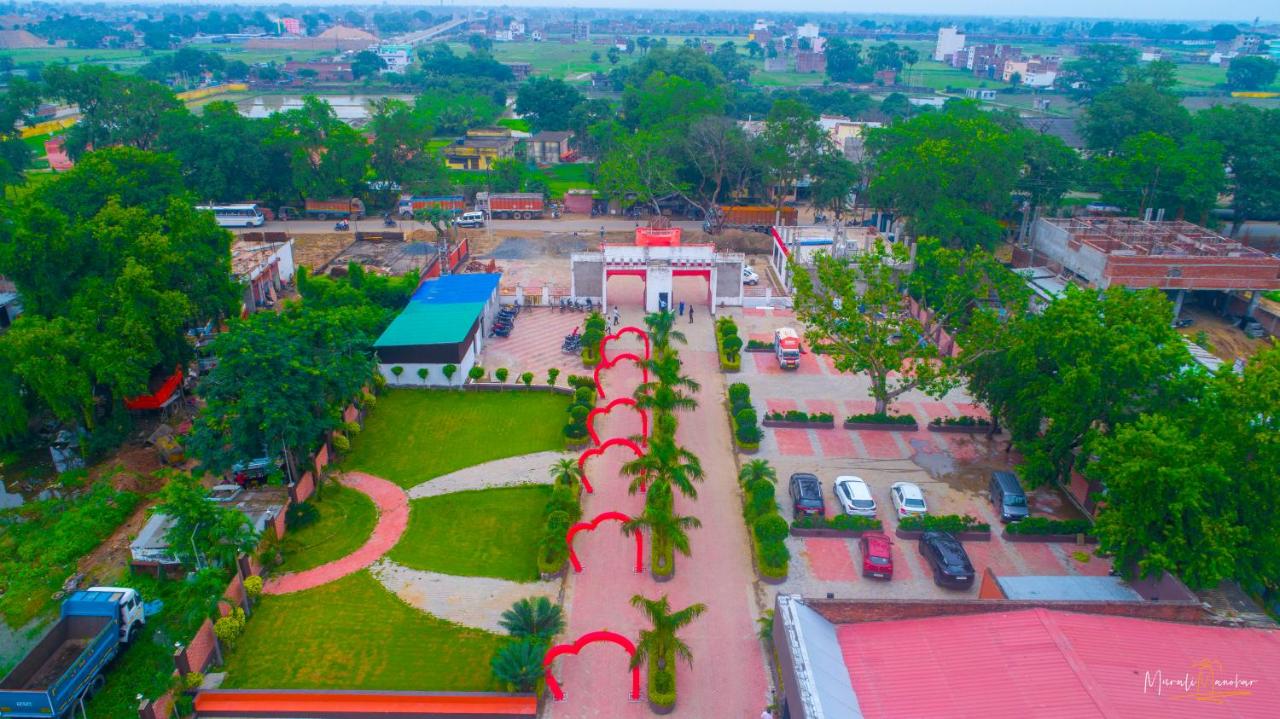


Discover Gaya
Another must-visit site in Gaya is the Vishnupad Temple, which is dedicated to Lord Vishnu. It’s believed that the temple is built on the spot where Lord Vishnu placed his foot, hence the name Vishnupad, which means “Vishnu’s footprints.” The temple is a stunning example of ancient Indian architecture and is adorned with intricate carvings and sculptures.
Apart from the temples, Gaya is also famous for its local markets, where you can find a variety of handicrafts, textiles, and jewelry. The city is particularly known for its Madhubani paintings, which are traditional Indian paintings that depict mythological stories and daily life.
Lastly, Gaya is surrounded by natural beauty that is worth exploring. The nearby Barabar Hills are famous for their ancient rock-cut caves, which were used by Buddhist monks centuries ago. The hills also offer magnificent views of the surrounding countryside, and the area is ideal for trekking and hiking.
Discover Gaya's Location in India
Gaya is a city located in the Indian state of Bihar. It is situated on the banks of the Falgu River and is a popular pilgrimage destination for Hindus and Buddhists. The city is known for its temples, ancient history, and cultural heritage.
Gaya is located in central Bihar and is approximately 100 kilometers south of the state capital, Patna. The city is surrounded by hills and is situated in a valley. The Falgu River flows through the city and is considered sacred by Hindus. The city is also home to several hot springs, which are believed to have healing properties.
One of the most important landmarks in Gaya is the Mahabodhi Temple. This temple is a UNESCO World Heritage Site and is considered one of the holiest sites for Buddhists. It is believed to be the place where the Buddha attained enlightenment. The temple attracts thousands of pilgrims from all over the world every year.
Gaya is also home to several other important temples, including the Vishnupad Temple and the Mangla Gauri Temple. The Vishnupad Temple is dedicated to Lord Vishnu and is believed to have been built on the site where Lord Vishnu placed his foot. The Mangla Gauri Temple is dedicated to the goddess of wealth, and it is believed that worshipping her can bring prosperity and good fortune.
In addition to its temples, Gaya is also known for its rich cultural heritage. The city has a long and fascinating history that dates back to ancient times. It has been ruled by several different dynasties, including the Mauryas, the Guptas, and the Mughals. This has left a lasting impact on the city's architecture, art, and culture.
Gaya is well-connected to other parts of India by road, rail, and air. The nearest airport is in Patna, which is approximately 100 kilometers away. The city is also connected to other parts of Bihar and India by a network of roads and railways.
Discovering the Fame of Gaya District
Gaya is a district located in the Indian state of Bihar. The district is famous for its religious and cultural significance and attracts a large number of tourists every year.
The most significant attraction of Gaya is the Mahabodhi Temple, which is a UNESCO World Heritage Site. The temple is believed to be the place where Gautama Buddha attained enlightenment. The temple complex also includes various other temples and monasteries, making it one of the most important pilgrimage centers for Buddhists around the world.
The district is also famous for its historical importance as it was the center of power for many ancient kingdoms, including the Magadha Empire. The region was also a major center for learning and culture during the reign of the Gupta dynasty. The district is dotted with various historical landmarks, including ancient temples, forts, and other architectural marvels.
Gaya is also known for its unique cuisine that is a blend of various regional flavors and spices. Some of the popular dishes of the region include Litti Chokha, Khaja, and Sattu Paratha.
The district is also home to various natural wonders that attract nature lovers. The Barabar Hills, which are a part of the Kaimur Range, are known for their beautiful rock-cut caves that date back to the Mauryan Empire. The Falgu River, which flows through the district, is also a popular spot for picnics and boating.
Gaya is a district that offers something for everyone. Whether you are a history buff, a foodie, a nature lover, or a spiritual seeker, Gaya has something to offer that will leave you spellbound. So, plan a trip to Gaya and discover the fame of this beautiful district.
Discovering Gaya: Exploring its Size and Status
Gaya is a city located in the Indian state of Bihar. It is situated on the banks of the river Phalgu and is surrounded by hills on three sides. The city is known for its rich cultural and historical heritage. It is also an important religious destination.
Gaya is a medium-sized city with a population of around 500,000 people. The city has an area of 135 square kilometers. It is the second-largest city in Bihar after the capital city of Patna. Gaya is an important commercial and educational center in the state.
The city has a rich history that dates back to ancient times. It is mentioned in the great Hindu epics such as the Ramayana and the Mahabharata. The city was also an important center of Buddhism. It is believed that Gautama Buddha attained enlightenment at Bodh Gaya, which is located just a few kilometers from the city.
Gaya is an important religious destination for both Hindus and Buddhists. The city is home to several ancient temples and shrines. The most famous of these is the Vishnupad Temple, which is dedicated to Lord Vishnu. The temple is believed to have been built on the spot where Lord Vishnu placed his foot when he came to earth. The temple attracts thousands of devotees every year.
The city is also an important center for pilgrimage. The Pitru Paksha Mela, which is held in Gaya every year, is one of the most important religious events in the country. It is believed that offering prayers and performing rituals during this time can help the departed souls attain peace.
Gaya is an important commercial and educational center. The city has several schools, colleges, and universities. The Magadh University, which is one of the largest universities in Bihar, is located in Gaya. The city is also home to several industries, including textiles, leather, and handicrafts.
Gaya: Uncovering Its Other Names and Aliases
The city of Gaya is located in the Indian state of Bihar and is known for its rich history and diverse culture. Over the years, Gaya has gone by many different names and aliases, each of which tells a unique story about the city and its people.
One of the most commonly used names for Gaya is Gayaji, which is a term of endearment used by locals. Another name for the city is Gajapuri, which is believed to refer to the city's ancient roots as a center of elephant trading.
Historically, Gaya has also been known as Dharmapuri, which means "city of righteousness" in Sanskrit. This name reflects the city's significance as a center of Hindu and Buddhist pilgrimage, as well as its long-standing reputation for religious tolerance and harmony.
Gaya has also been referred to by several aliases over the years. For example, the city is sometimes called Gadau, which is believed to be a corruption of the Sanskrit word "Gadhakshetra," meaning "place of the Gadha tree." This name likely refers to the city's association with the legendary demon king Hiranyakashipu, who was said to have been killed by Lord Vishnu while taking the form of a half-man, half-lion creature under the Gadha tree.
Another alias for Gaya is Mahapadmapuri, which means "great lotus city" in Sanskrit. This name is believed to refer to the city's association with the lotus flower, which is an important symbol in both Hindu and Buddhist traditions.
As this brief overview shows, Gaya has a rich and complex history that is reflected in the many different names and aliases it has gone by over the years. Whether you call it Gayaji, Gajapuri, Dharmapuri, Gadau, or Mahapadmapuri, one thing is certain: Gaya remains an important center of pilgrimage and cultural heritage to this day.
In conclusion, Gaya is a fascinating locality in India that boasts a rich history, cultural heritage, and natural beauty. From the famous Mahabodhi Temple to the stunning Barabar Caves, there is no shortage of places to explore and discover in this region. Whether you are a history buff, a spiritual seeker, or simply looking for a peaceful retreat, Gaya has something to offer everyone. So, if you are planning a trip to India, make sure to add Gaya to your itinerary and experience the true essence of this incredible country.