Відкрийте Gilgit
Gilgit is a great destination for adventure seekers as well. YOU can go trekking or mountaineering in the nearby Karakoram Range, which is home to some of the world’s highest peaks, including K2. YOU can also go on a jeep safari to explore the rugged terrain and visit remote villages.
When it comes to food, Gilgit offers a unique culinary experience. YOU can try local delicacies such as chapshoro, a meat-filled pastry, or goshtaba, a traditional meatball dish. The region is also known for its juicy apricots and walnuts, which YOU can sample at the local bazaars.
Clarifying Gilgit-Baltistan's Status: India or Pakistan?
Gilgit-Baltistan is a region located in the northernmost part of Pakistan. It is a mountainous area and is home to several ethnic groups, including the Shina and Balti people. However, the region's status is often disputed, with both India and Pakistan claiming ownership.
The conflict over Gilgit-Baltistan's status dates back to the partition of India and Pakistan in 1947. At the time, the region was part of the princely state of Jammu and Kashmir. The ruler of the state chose to accede to India, but Pakistan disputes this claim and has since controlled a large portion of the region.
In 2009, Pakistan granted Gilgit-Baltistan a degree of self-governance by creating an elected legislative assembly and giving it control over some local affairs. However, the region is still technically a part of the larger disputed territory of Jammu and Kashmir.
India considers the entire region to be part of its territory and has strongly objected to any attempts by Pakistan to assert control over it. India has also accused Pakistan of human rights abuses in Gilgit-Baltistan, including suppression of local culture and political dissent.
Despite the ongoing dispute, Gilgit-Baltistan remains an important region for both India and Pakistan. The region is strategically located, giving it significant military and economic importance. It is also home to several major rivers, which provide water for both countries.
Gilgit: Discover the Hidden Gems of this Enchanting Destination
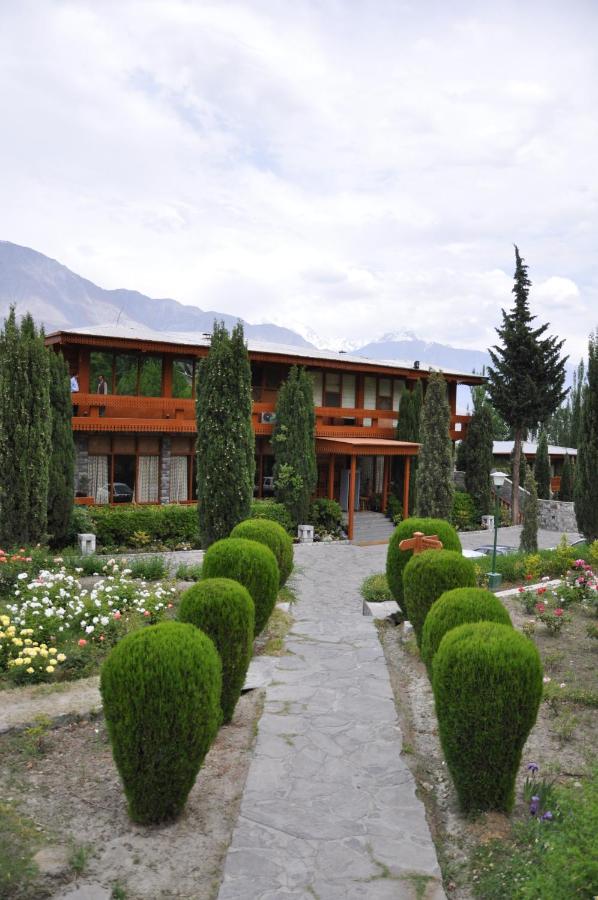
Gilgit, located in the northern region of Pakistan, is a hidden gem that is waiting to be discovered by adventurous travelers. With its breathtaking landscapes, rich cultural heritage, and hospitable locals, Gilgit is a must-visit destination for anyone looking to explore the beauty of Pakistan.
The natural beauty of Gilgit is simply awe-inspiring. The region is surrounded by towering mountains, crystal-clear lakes, and verdant valleys. Visitors can trek through the Karakoram Range and witness the majesty of the Himalayas up close. The Naltar Valley and the Hunza Valley are also popular destinations for nature lovers.
In addition to its natural beauty, Gilgit is also rich in cultural heritage. The region is home to several ancient Buddhist monasteries, including the Yarkhun Buddhist ruins and the Thalpan Buddhist ruins. Visitors can also explore the Gilgit Bazaar, where they can find traditional handicrafts, textiles, and jewelry.
The locals in Gilgit are known for their hospitality and warmth. Visitors are often invited to share a meal with their hosts and learn about the local culture and traditions. The people of Gilgit are also known for their love of music, and visitors can often hear the sounds of traditional instruments like the sitar and the dhol.
Is Gilgit in China? Uncovering the Truth
There has been some confusion regarding the location of Gilgit, a locality in Pakistan. Some people believe that Gilgit is actually in China. However, this is not true.
Gilgit is a city located in the Gilgit-Baltistan region of Pakistan. It is situated in the northern part of the country, close to the border with China. The region is known for its stunning mountain ranges and scenic beauty, making it a popular tourist destination.
The confusion about Gilgit's location likely stems from the fact that China has a border with Pakistan in the Gilgit-Baltistan region. Additionally, China has invested heavily in infrastructure projects in the region, including the construction of a major highway that connects China with Pakistan.
Despite these connections with China, Gilgit remains firmly within Pakistani territory. Pakistan has administered the Gilgit-Baltistan region since 1947, when it gained independence from British colonial rule. While there have been some disputes over the years regarding the status of the region, it is currently recognized as a part of Pakistan.
Why India's Loss of Gilgit-Baltistan: Explained
India's loss of Gilgit-Baltistan can be traced back to the partition of India in 1947. According to the Radcliffe Line, which was drawn to divide India into two countries, Gilgit-Baltistan was initially marked as a part of India. However, the local ruler, Maharaja Hari Singh, did not immediately accede to either India or Pakistan.
In 1947, a group of locals in Gilgit, with the help of Pakistani military officers, staged a rebellion against the Maharaja's rule. The rebellion was successful, and Gilgit-Baltistan became a part of Pakistan. India, which was still grappling with the aftermath of partition, could not intervene in time.
Since then, India has claimed Gilgit-Baltistan as its own territory and has repeatedly raised the issue on various international platforms. However, Pakistan maintains that Gilgit-Baltistan is an integral part of its territory and has granted it a semi-autonomous status.
The loss of Gilgit-Baltistan has strategic implications for India as the region borders the disputed territory of Jammu and Kashmir. It is also home to several important glaciers and rivers that are crucial for India's water security.
In recent years, China has also shown interest in the region and has invested heavily in infrastructure projects, including the China-Pakistan Economic Corridor (CPEC), which passes through Gilgit-Baltistan. This has further complicated the issue and made it difficult for India to reclaim the territory.
In conclusion, Gilgit is a hidden gem of Pakistan that offers a unique blend of natural beauty, cultural diversity, and historical significance. From the towering peaks of the Karakoram range to the serene waters of the Hunza river, the region is a paradise for adventure seekers, nature lovers, and photographers alike. The warm hospitality of the locals, their rich traditions, and the vibrant markets add to the charm of the place. Despite its remote location, Gilgit is a must-visit destination that promises to leave a lasting impression on anyone who ventures there.