Discover Hambantota
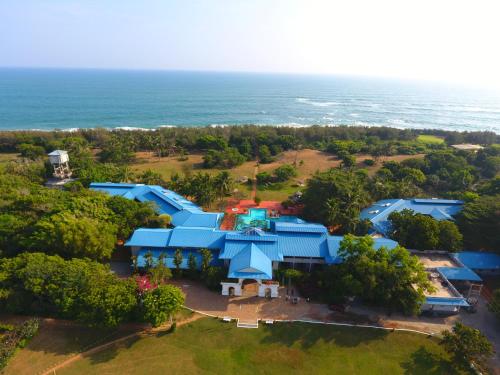
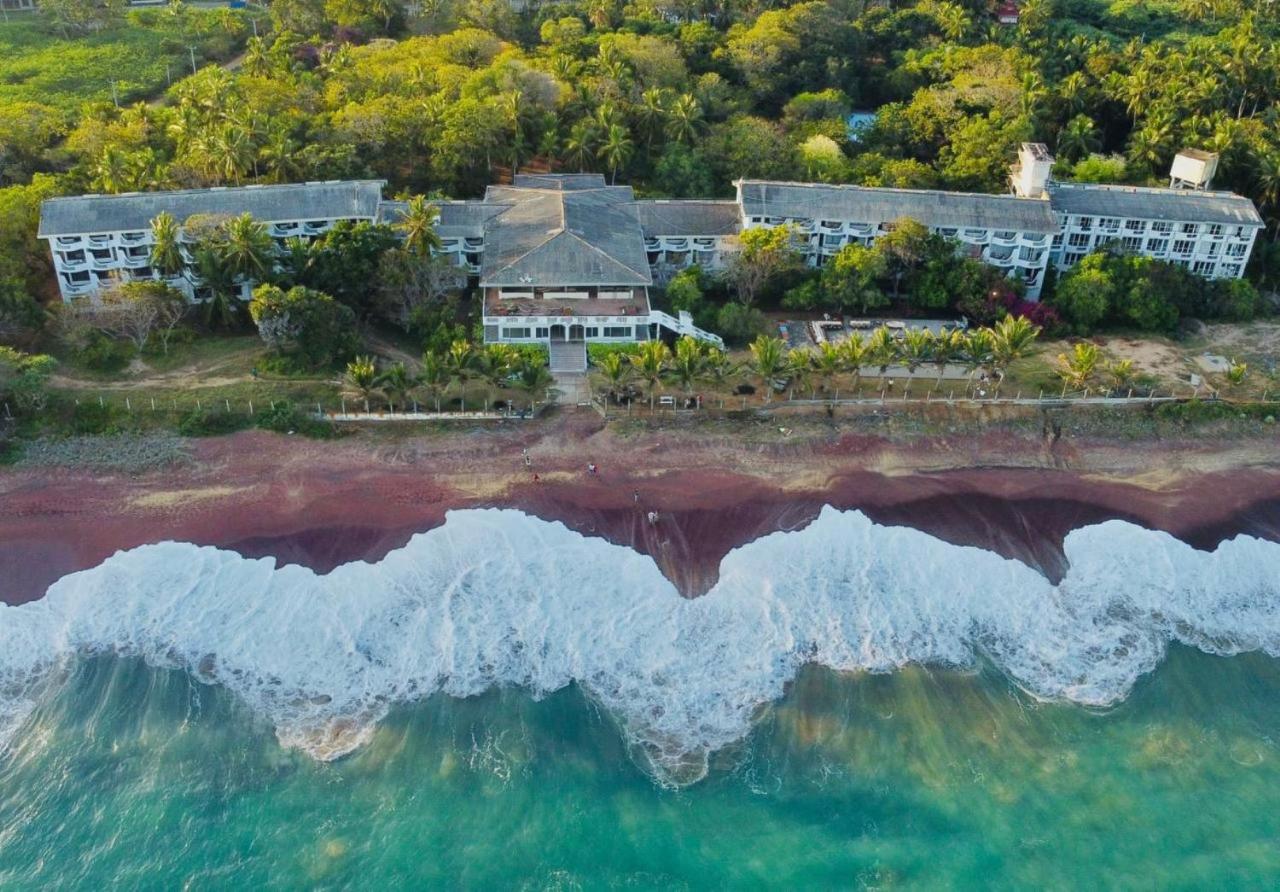
For those seeking a more relaxing experience, Hambantota is also home to some of Sri Lanka's most stunning beaches, including the gorgeous Kirinda Beach. This pristine stretch of coastline is perfect for swimming, sunbathing, or simply taking in the breathtaking views.
In addition to its natural beauty and cultural heritage, Hambantota is also a hub of economic activity in Sri Lanka. The area is home to a number of industrial zones and ports, which have helped to boost the local economy and create jobs for the region's residents.
China's Ownership of Sri Lanka: Which Region?
China's ownership of Sri Lanka has been a topic of discussion for some time now. In particular, the Chinese government has invested heavily in the Hambantota locality in Sri Lanka.
Hambantota is a district in the southern province of Sri Lanka. It is a strategic location, situated near the sea and is an important hub for trade and commerce. The Chinese government has invested billions of dollars in this region, building a port, an airport, and other infrastructure projects.
China's investment in Hambantota has not been without controversy. Critics argue that the Chinese government is essentially buying Sri Lanka's sovereignty by investing so heavily in this region. The Sri Lankan government has also faced criticism for allowing China to take control of important infrastructure projects.
In 2017, the Sri Lankan government made a deal with China to lease the Hambantota port to a Chinese company for 99 years. This sparked protests from Sri Lankan citizens who were concerned about the implications of such a deal. Critics argue that this deal gives China too much control over the region and could have serious economic and political implications for Sri Lanka in the long run.
Despite these concerns, the Chinese government has continued to invest heavily in Hambantota. In addition to the port, China has also built an airport and other infrastructure projects in the region. These projects have been met with mixed reactions from the Sri Lankan people, with some arguing that they will bring much-needed economic development to the region, while others fear that China's growing influence in the area could have negative consequences.
Discover Hambantota Port's Location in Sri Lanka
Hambantota is a district located in the southern province of Sri Lanka. It is situated in the eastern coast of the country, bordering the Indian Ocean. The district is known for its natural beauty, diverse wildlife, and historical significance.
The Hambantota Port is a major landmark of the district. It is located in the south-eastern coast of Sri Lanka, in the town of Magampura Mahinda Rajapaksa Port. The port was constructed under the supervision of the Sri Lankan government, with the aim of turning Hambantota into a major shipping hub in the region.
The location of the Hambantota Port is strategically important due to its proximity to major shipping routes. The port is situated on the main sea route that connects the East and the West, making it an ideal location for transshipment activities. The port is also located near the main oil shipping route from the Middle East to Asia, adding to its significance.
The Hambantota Port is a deep-water port that can accommodate large vessels. It has a total area of 4,000 hectares and a water depth of 17-18 meters, making it one of the largest ports in Asia. The port has state-of-the-art facilities that enable it to handle a wide range of cargo, including containers, vehicles, and bulk cargo.
The Hambantota Port is not only a major commercial hub but also a popular tourist destination. The port offers a range of activities for tourists, including boat rides, water sports, and fishing trips. Visitors can also enjoy the scenic beauty of the port and the surrounding area, which is home to a diverse range of wildlife, including elephants, leopards, and crocodiles.
Discovering Hambantota: Landmarks and Attractions.
Hambantota is a district in the southern part of Sri Lanka that has become increasingly popular for its beautiful landmarks and attractions. Located about 240 km from the capital city of Colombo, Hambantota is a great place to explore and discover the natural beauty and cultural heritage of Sri Lanka.
The Hambantota Port is one of the most impressive landmarks in Hambantota. It is a deep-water port that was built with the help of the Chinese government. The port is strategically located close to the main shipping routes between the East and the West, making it an important hub for international trade.
The Madunagala Hot Springs are another popular landmark in Hambantota. The hot springs are believed to have healing properties and are a great place to relax and rejuvenate.
The Bundala National Park is a beautiful nature reserve that is home to a wide variety of birds and other wildlife. The park is a popular destination for birdwatchers and nature lovers.
The Sithulpawwa Rock Temple is a historic temple that is believed to have been built in the 2nd century BC. The temple is located on a rocky outcrop and offers stunning views of the surrounding countryside.
The Ussangoda National Park is another popular attraction in Hambantota. The park is known for its unique geological formations and is believed to be the site of an ancient meteorite impact.
The Yala National Park is one of the most popular attractions in Sri Lanka. It is a wildlife sanctuary that is home to a wide variety of animals, including elephants, leopards, and crocodiles.
Chinese Population in Sri Lanka: Facts and Figures
Hambantota is a locality in the southern province of Sri Lanka. It has recently gained attention due to its strategic location for the Chinese government's Belt and Road Initiative. As a result, there has been an influx of Chinese population in the area.
In 2016, there were only 500 Chinese nationals living in Sri Lanka. However, by 2019, the number had increased to over 10,000. This growth can be attributed to the Chinese investments in various projects in Sri Lanka, including the Hambantota Port and the Mattala Airport.
The Chinese government's investment in the Hambantota Port has been a significant driving force behind the Chinese population growth in the area. The port has been leased to China Merchants Port Holdings for 99 years, allowing China to establish a foothold in the Indian Ocean.
There are several benefits to having a large Chinese population in Sri Lanka. Firstly, it can lead to economic growth and development, as Chinese nationals invest in local businesses and infrastructure projects. Secondly, it can improve cultural exchange and understanding between Sri Lanka and China.
However, there are also concerns about the impact of the Chinese population on Sri Lanka's sovereignty. Some critics argue that the large Chinese presence in the country could lead to a loss of control over key assets and resources.
In conclusion, Hambantota has a rich history and culture that visitors can explore. From its beautiful beaches to its iconic landmarks, this locality offers something for everyone. The recent developments in infrastructure have also made it a hub for business and commerce, attracting investors from all over the world. However, there are also challenges that need to be addressed, such as environmental concerns and the displacement of local communities. As Hambantota continues to evolve and grow, it is important that we preserve its heritage and ensure sustainable development for the future.