Discover Holywell
If you're a history buff, you'll love visiting Holywell's many landmarks and museums. The Greenfield Valley Heritage Park offers a fascinating glimpse into the area's industrial past, with restored cottages and watermills dating back to the 18th century. The Holywell Town Trail takes you on a journey through the town's history, from the ruins of the 13th century Basingwerk Abbey to the impressive St. James' Church.
For those seeking outdoor adventure, Holywell has plenty to offer. From hiking and cycling to fishing and golfing, there's something for every type of outdoor enthusiast. The nearby Loggerheads Country Park is a must-visit destination, with its scenic walks and stunning views of the River Alyn.
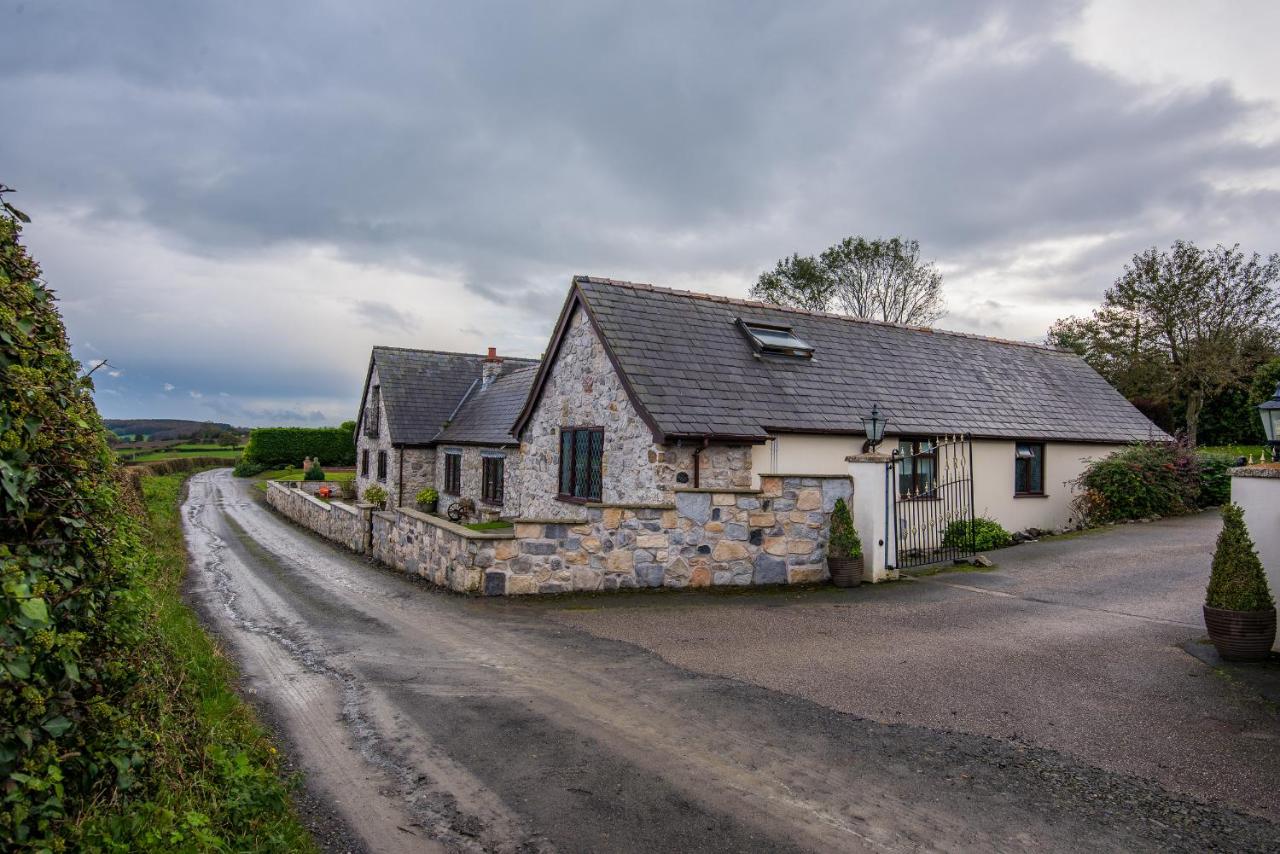
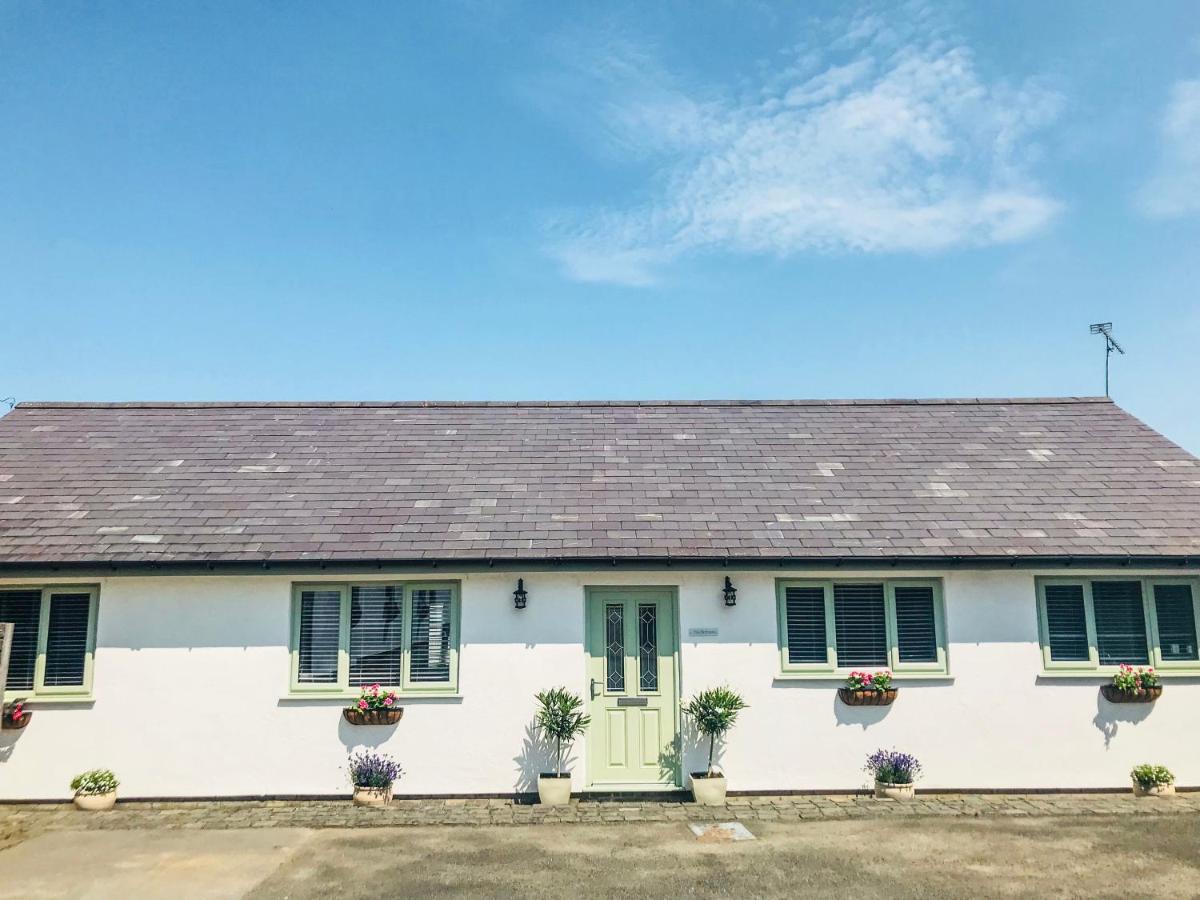
When it comes to accommodation, Holywell has a variety of options to suit every budget and preference. Whether you're looking for a cozy bed and breakfast or a luxurious spa hotel, you'll find it here.
Discovering Holywell: History, Attractions & More
Holywell is a small town located in the county of Flintshire, North Wales. It is known for its religious history and for being the location of one of the most important pilgrimage sites in medieval Wales.
The town's name comes from the Welsh words "hol" and "well", which mean "holy well". The town is named after St. Winefride's Well, which is said to have healing powers.
The well has been a site of pilgrimage since the seventh century, and it is still visited by thousands of people every year. The well was also an important site for the Catholic Church in Wales, and it was visited by many important religious figures throughout history.
In addition to its religious history, Holywell was also an important center for the coal mining industry in the nineteenth and early twentieth centuries. The town's location near the coast made it an ideal location for exporting coal to other parts of the country.
One of the most popular attractions in Holywell is St. Winefride's Well. Visitors can take a tour of the well and learn about its history and religious significance. The well is also surrounded by beautiful gardens and a picnic area, making it a great place to spend a day with family and friends.
In addition to the well, Holywell also has several other historic sites worth visiting. These include the ruins of Basingwerk Abbey, a Cistercian monastery founded in the twelfth century, and the seventeenth-century Tower Windmill.
For those interested in outdoor activities, Holywell has several parks and nature reserves to explore. These include the Greenfield Valley Heritage Park, which has over 70 acres of woodland and meadows, and the Holywell Common, which is a great place for hiking and bird watching.
Holywell is a town with a rich history and many attractions to explore. Whether you are interested in religious history, outdoor activities, or just spending time with family and friends, there is something for everyone in Holywell.
Discover Holywell: A Pleasant Place to Call Home
Discover Holywell: A Pleasant Place to Call Home
Holywell, located in the county of Flintshire, Wales, is a small town with a population of around 8,000 people. The town is situated on the River Dee and is surrounded by picturesque countryside, making it an ideal place to live for those who enjoy the outdoors.
The town has a rich history, with evidence of human habitation dating back to the Bronze Age. It was also an important site for the production of lead and coal in the 18th and 19th centuries. Today, visitors can explore the town's past at the Holywell Heritage Centre and the Greenfield Valley Museum.
One of Holywell's most famous landmarks is St. Winefride's Well, a holy well that has been a site of pilgrimage for over 1,300 years. Legend has it that St. Winefride's Well was created when the saint's head was cut off by a prince who desired her hand in marriage. The well is said to have miraculous healing properties and is still visited by pilgrims today.
Aside from its rich history and natural beauty, Holywell also offers a range of amenities for residents. The town has a variety of shops, restaurants, and cafes, as well as a leisure centre and sports facilities. There are also several schools in the area, including Ysgol Treffynnon secondary school and Holywell High School.
For those who enjoy outdoor activities, Holywell is surrounded by beautiful countryside with plenty of opportunities for walking, cycling, and horse riding. The nearby Loggerheads Country Park offers stunning views and a range of activities for all ages, including a children's play area and a visitor centre.
Discover Holywell: County Location in UK
Holywell is a quaint town located in the county of Flintshire, Wales, UK. The town is situated on the River Dee, just 6 miles from the coast of the Irish Sea. Holywell is a town steeped in history, with its name derived from the Welsh 'Treffynnon' meaning 'town of the well'.
The town is home to a number of historic landmarks, including the Holywell Town Walls, which date back to the 13th century. These walls were built to protect the town from Welsh raiders, and today visitors can still walk along the walls and take in the stunning views of the surrounding countryside.
The most famous landmark in Holywell, however, is St. Winefride's Well, which is said to have healing powers. The well has been a place of pilgrimage for over 1,300 years, and visitors can still take a dip in the waters and drink from the well.
Aside from its historic landmarks, Holywell is also home to a number of shops, restaurants, and cafes, making it the perfect place for a day out. Visitors can also explore the nearby Greenfield Valley Heritage Park, which offers a fascinating insight into the history of the area and its industrial past.
For those who enjoy the great outdoors, Holywell is surrounded by beautiful countryside, with plenty of opportunities for hiking and cycling. The nearby Loggerheads Country Park is a must-visit for nature lovers, with its stunning woodland walks and picturesque waterfall.
Discovering Holywell Clwyd: Location and History.
Holywell is a small town located in the county of Clwyd, in the northeast of Wales, United Kingdom. The town is situated on the A55 road, which connects it to the nearby cities of Chester and Liverpool.
The history of Holywell dates back to the 7th century, when St. Winefride's Well was discovered. According to legend, St. Winefride was beheaded by a rejected suitor, and her head fell into a spring. Her uncle, St. Beuno, prayed for her to be brought back to life, and she was resurrected. The well that sprang up is said to have healing properties, and has become a site of pilgrimage for many Catholics over the centuries.
Over time, Holywell grew around the well, and became a popular destination for visitors seeking healing and spiritual renewal. The town also benefited from its location on the trade route between Chester and Ireland, and became a center for the wool trade in the Middle Ages.
In the 18th and 19th centuries, Holywell underwent significant development, with the construction of several large buildings and the opening of new industries such as coal mining and quarrying. Today, the town is home to a number of historic buildings, including the 15th century St. Winefride's Church and the 18th century Greenfield Valley Heritage Park.
Despite its small size, Holywell has a rich and fascinating history, and continues to attract visitors from around the world who come to explore its historic sites and experience its healing waters.
In conclusion, Holywell is a beautiful locality that is rich in history, culture, and natural beauty. From its stunning beaches and nature reserves to its historic landmarks and architecture, Holywell offers something for everyone. Whether you are a local resident or a visitor, you will find plenty to explore and enjoy in this charming town. So, come and experience the magic of Holywell for yourself and discover why it is one of the most beloved destinations in the United Kingdom.