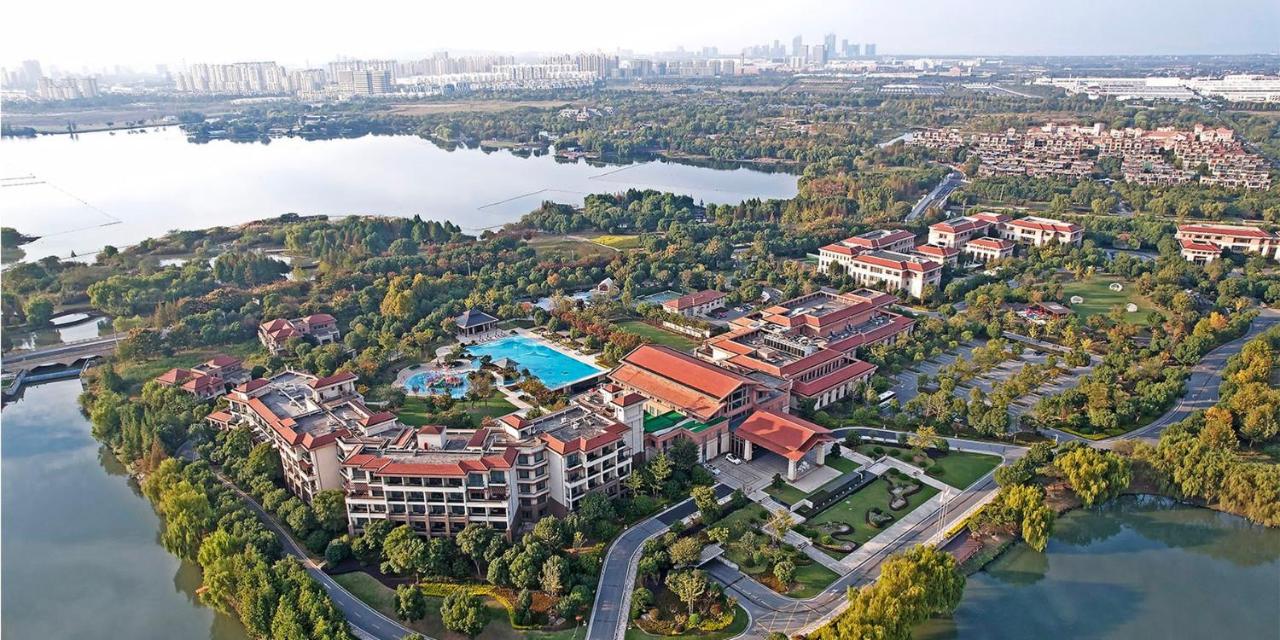


Discover Huzhou
The city is also home to several ancient towns, including Nanxun and Wuzhen, which are well-preserved and provide a glimpse into traditional Chinese culture. YOU can explore the narrow alleyways, old bridges, and ancient buildings that have stood for centuries.
Huzhou is also famous for its production of silk and bamboo, which have been the main economic drivers of the region for centuries. YOU can visit the local markets to purchase silk products, bamboo crafts, and other traditional souvenirs.
The city has a rich history, dating back to the 5th century BC, and has been an important center of trade and culture for centuries. YOU can visit the Huzhou Museum to learn more about the city's history and cultural heritage.
Huzhou China: Discover the City's Famous Attractions
Huzhou, China: A city located in the northern part of Zhejiang province, Huzhou is known for its beautiful natural scenery and rich cultural heritage. The city is situated on the southern bank of Lake Taihu and is surrounded by mountains on three sides.
Huzhou has a long history and has been inhabited since the Neolithic period. The city played an important role in the development of silk production in ancient China and was an important center for trade and commerce.
One of the most famous attractions in Huzhou is the Nanxun Ancient Town: A well-preserved historic town that dates back to the Ming and Qing dynasties. The town is known for its beautiful gardens, canals, and traditional architecture. Visitors can explore the town's many temples, museums, and other cultural sites.
Another popular attraction in Huzhou is the Feiying Pagoda: A seven-story pagoda that was built during the Tang dynasty. The pagoda is located on a hill and offers stunning views of the surrounding countryside.
Huzhou is also known for its natural beauty: Visitors can take a boat tour of Lake Taihu, which is the third-largest freshwater lake in China. The lake is surrounded by picturesque mountains and is home to many species of fish and birds.
The city is also home to several hot springs: Visitors can relax and enjoy the therapeutic benefits of the hot springs while taking in the beautiful scenery.
Finally, Huzhou is famous for its bamboo products: Visitors can visit the Huzhou Bamboo Museum to learn more about the history and production of bamboo products in the area. They can also purchase bamboo products such as furniture, handicrafts, and clothing.
Discovering the Meaning of Hangzhou in Chinese Culture
Located in the northern part of Zhejiang province, Huzhou is a city with a rich cultural heritage that dates back to ancient times. The city is situated on the southern shore of Lake Taihu and is known for its picturesque scenery and historical landmarks.
One of the most significant cultural landmarks in Huzhou is the Feiying Pagoda, which is also known as the Flying Eagle Pagoda. This five-story pagoda was built during the Tang Dynasty and is considered one of the best preserved ancient pagodas in China. The pagoda is said to have been built to commemorate a famous general who was buried in Huzhou. The Feiying Pagoda is also significant because it represents the close relationship between Huzhou and Hangzhou, two cities that are considered to be cultural and economic hubs in Zhejiang province.
Hangzhou, which is located approximately 70 kilometers south of Huzhou, is one of the most important cities in Chinese culture. Hangzhou was the capital of the Southern Song Dynasty and is known for its beautiful West Lake, which has inspired poets and artists for centuries. Hangzhou is also famous for its silk production and tea culture. The city is home to the Longjing tea fields, which produce some of the finest green tea in China.
The connection between Huzhou and Hangzhou is significant because it reflects the importance of trade and commerce in Chinese culture. In ancient times, Huzhou was an important center for the production of silk. Hangzhou, on the other hand, was a major trading center for silk and other goods. The close relationship between these two cities helped to facilitate trade and commerce, which was essential for the growth and prosperity of both cities.
Today, Huzhou is still an important center for silk production, while Hangzhou has grown into a modern metropolis with a thriving economy and a rich cultural heritage. Visitors to Huzhou can explore the Feiying Pagoda and other historical landmarks, while also enjoying the city's beautiful scenery and delicious local cuisine. Those who are interested in Chinese culture and history should not miss the opportunity to discover the meaning of Hangzhou in the context of Huzhou locality.
Exploring Hangzhou: China's Picturesque County
Huzhou is a city in the northern part of Zhejiang province in China. It is located on the south bank of Taihu Lake, which is one of the largest freshwater lakes in China. Huzhou is known for its beautiful natural scenery and rich cultural heritage.
The city has a long history that dates back to the Neolithic period, and it was an important center of silk production during the Tang dynasty (618-907). Today, Huzhou is a modern and vibrant city that attracts visitors from all over the world.
One of the most popular tourist attractions in Huzhou is the Nanxun Ancient Town, which is a well-preserved water town that dates back to the Ming and Qing dynasties (1368-1911). The town is known for its beautiful gardens, ancient bridges, and traditional buildings.
Another must-see attraction in Huzhou is the Feiying Pagoda, which is a seven-story wooden pagoda that was built during the Tang dynasty. The pagoda is located on top of a hill and offers stunning views of the surrounding countryside.
Huzhou is also home to several beautiful parks and natural reserves. The Lotus Park is a popular spot for locals and tourists alike, and it is known for its beautiful lotus flowers. The Taihu Lake National Wetland Park is a protected area that is home to a wide variety of birds and other wildlife.
If you are interested in learning more about Huzhou's rich cultural heritage, you can visit the Huzhou Museum, which is located in the city center. The museum houses a collection of artifacts and exhibits that showcase the city's history and culture.
Huzhou is also known for its delicious local cuisine. Some of the must-try dishes include the Huzhou Fried Rice, the Sweet and Sour Fish, and the Stinky Tofu.
Discover the Former Name of Hangzhou
Huzhou is a beautiful city located in the northern part of Zhejiang Province, China. It is famous for its scenic beauty, rich cultural heritage, and historical significance. One of the most interesting aspects of Huzhou is its connection with the former name of Hangzhou, a neighboring city that was once known as Lin'an.
The former name of Hangzhou is a topic of great interest for historians, scholars, and tourists alike. Hangzhou was known as Lin'an during the Song Dynasty (960-1279 AD) and the Yuan Dynasty (1271-1368 AD). It was an important political, economic, and cultural center of China during that time and played a significant role in the development of Chinese civilization.
The name Lin'an means "Peaceful and Secure," which reflects the city's peaceful and prosperous nature during those times. The city was surrounded by beautiful mountains, lakes, and rivers, which added to its charm and appeal. It was also an important center for silk production and trade, which brought wealth and prosperity to the region.
Today, Hangzhou is a modern city that has undergone significant development and transformation. It is known for its scenic beauty, cultural heritage, and technological advancements. The city attracts millions of tourists every year, who come to explore its many attractions and experience its unique culture and way of life.
Despite its modernization, the city has managed to preserve its rich history and cultural heritage. Visitors can still see many ancient temples, pagodas, and other historical sites that date back to the Song and Yuan dynasties. They can also explore the city's beautiful parks, lakes, and gardens, which offer a peaceful respite from the hustle and bustle of city life.
In conclusion, Huzhou, with its rich cultural heritage, beautiful natural scenery, and booming economy, is a city that has a lot to offer. From its ancient water towns to its modern industrial parks, Huzhou is a place where tradition meets innovation. Whether you are a history buff, an outdoor enthusiast, or a business traveler, Huzhou has something for everyone. So, if you are planning a trip to China, be sure to add Huzhou to your itinerary and experience the best of what this amazing city has to offer.