
Discover Jambiani
And if you're in the mood for a more leisurely experience, you can simply relax on the beach and soak up the sun, or take a stroll through the village and explore the local markets and shops. You'll find a wide range of handicrafts, textiles, and souvenirs that you can take home to remember your trip by.
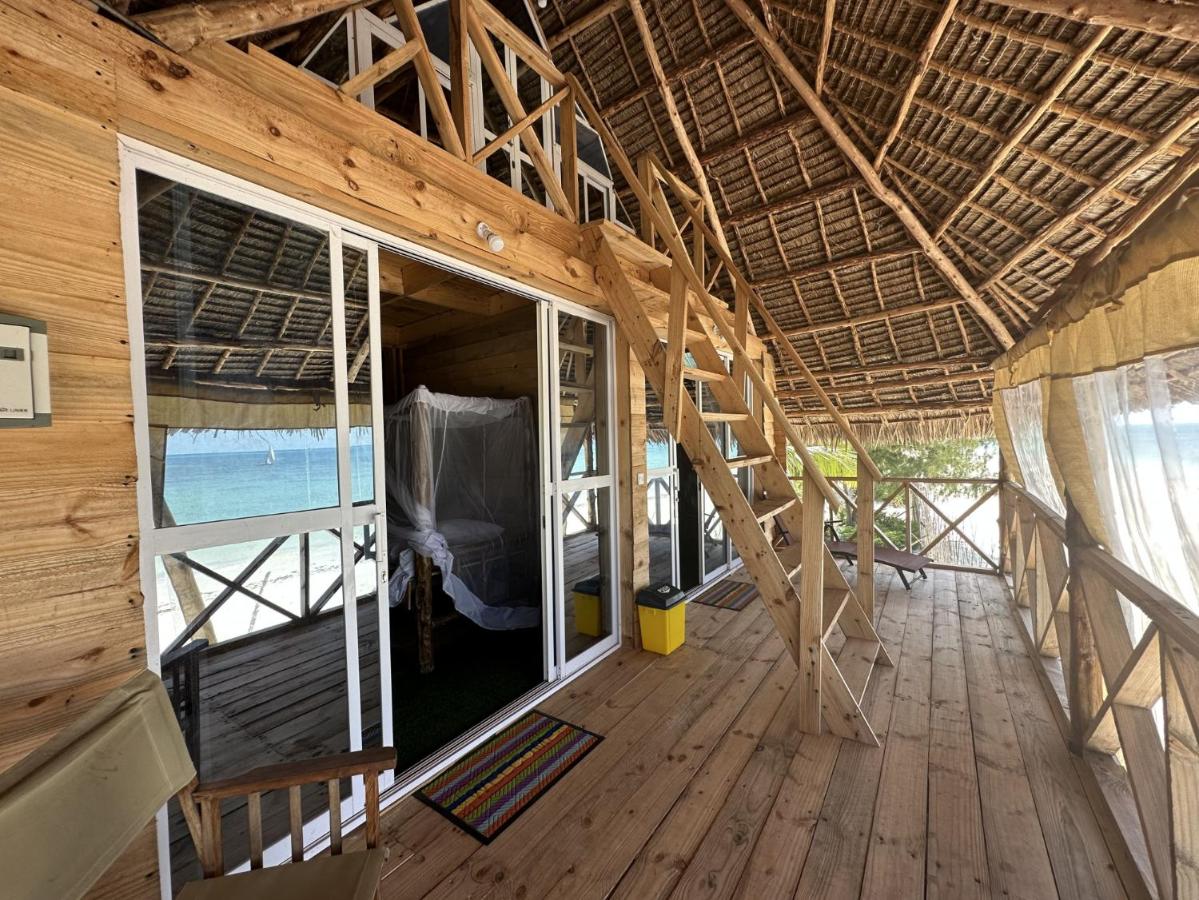
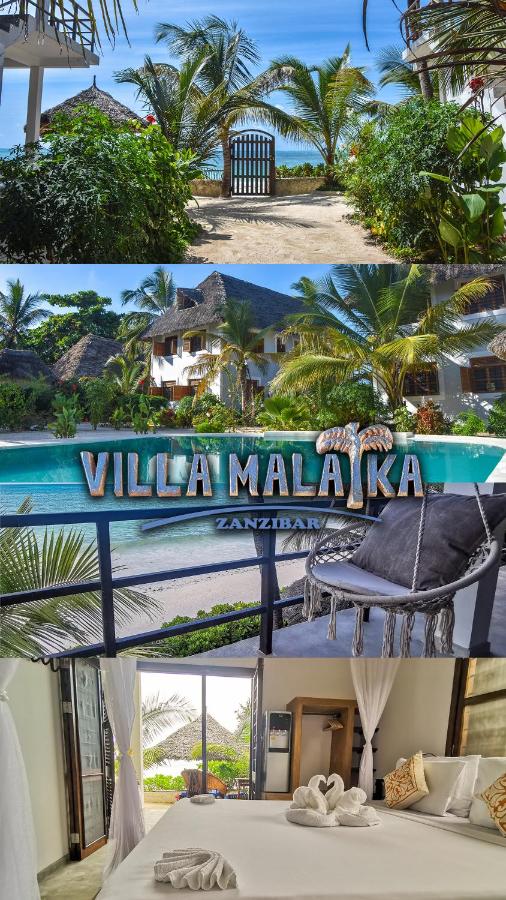
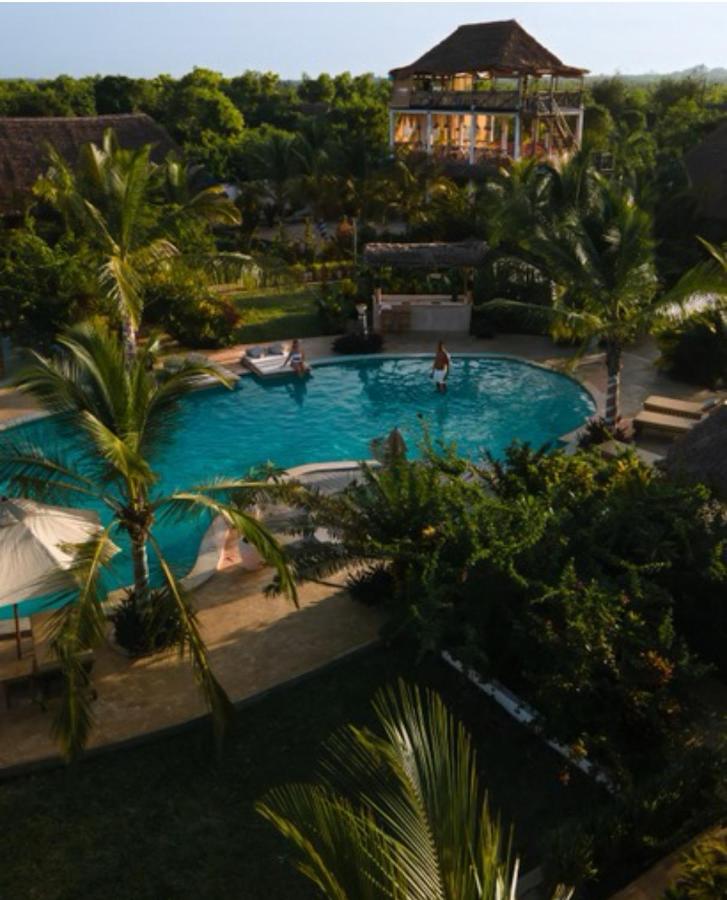
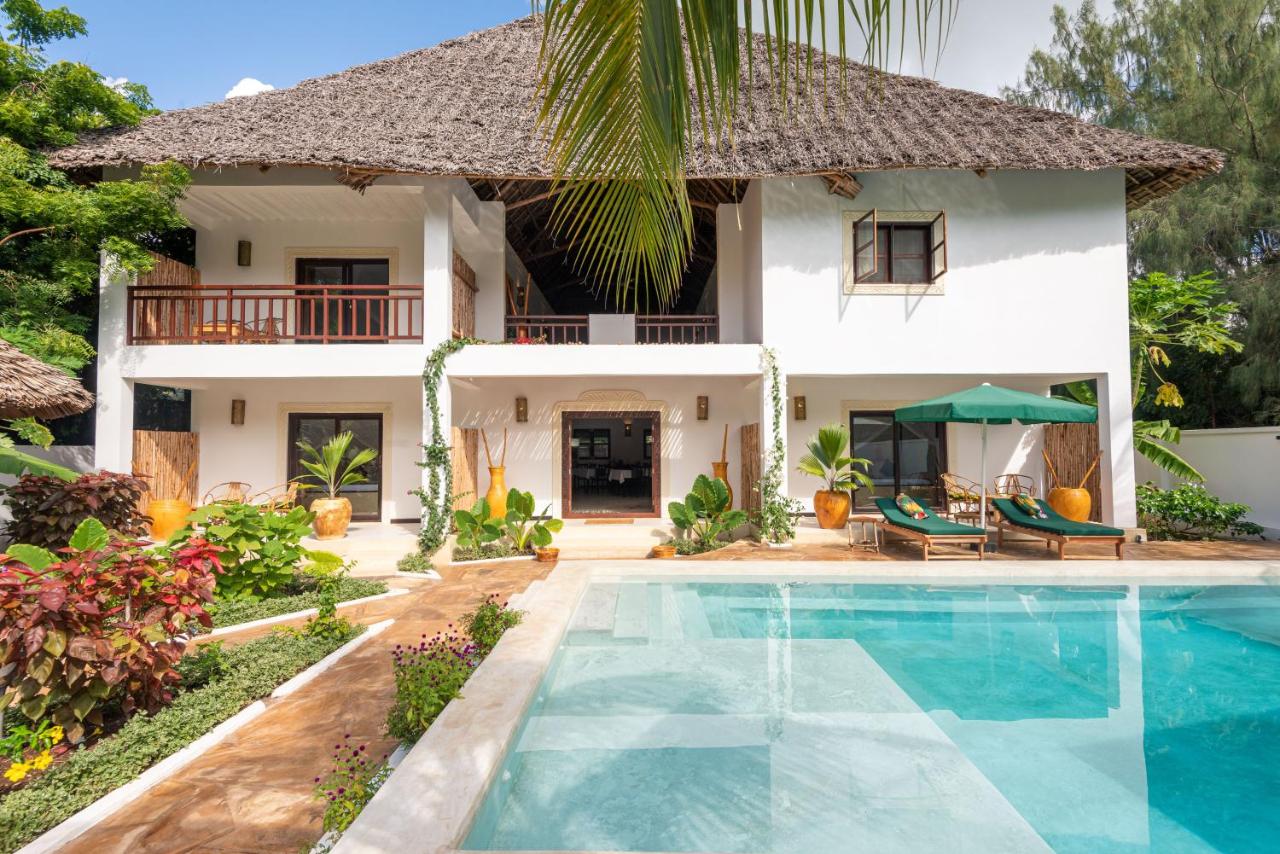
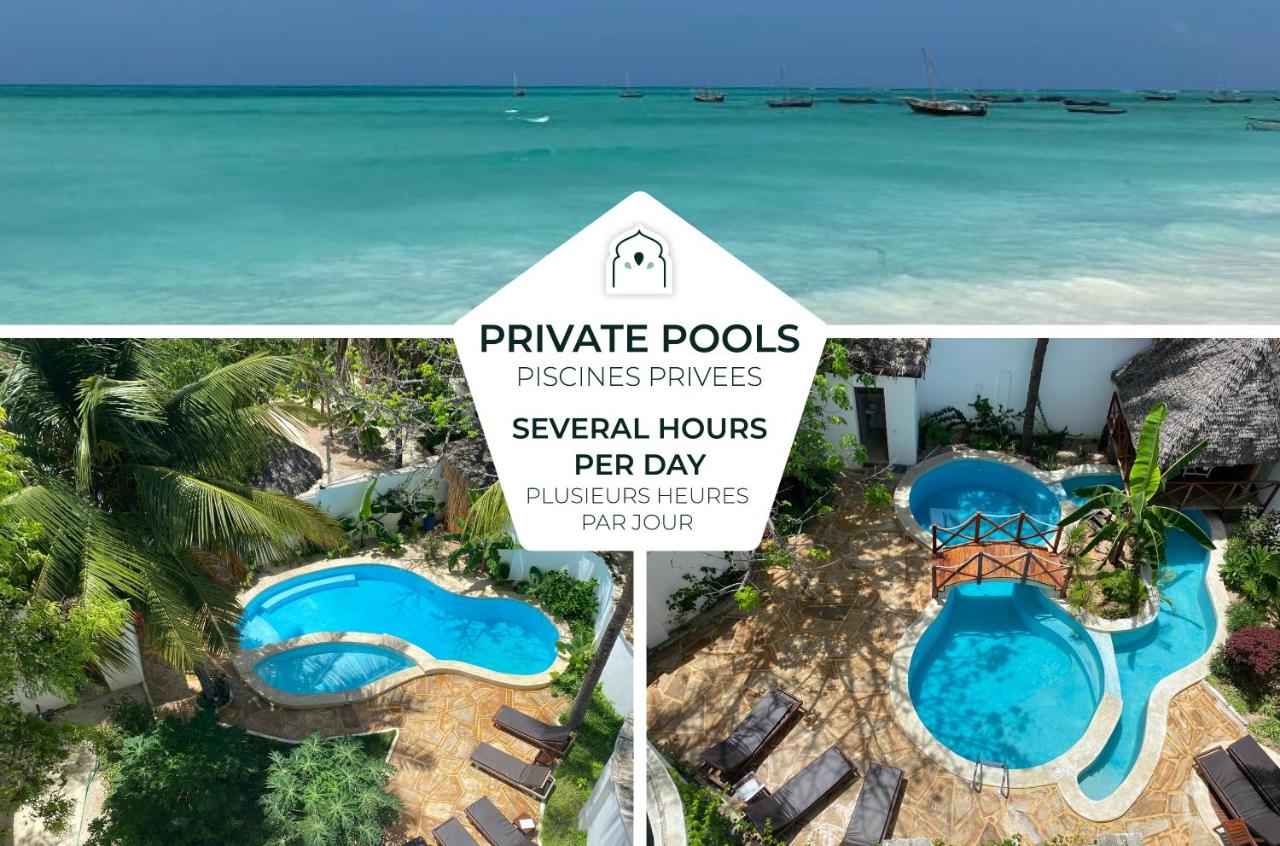
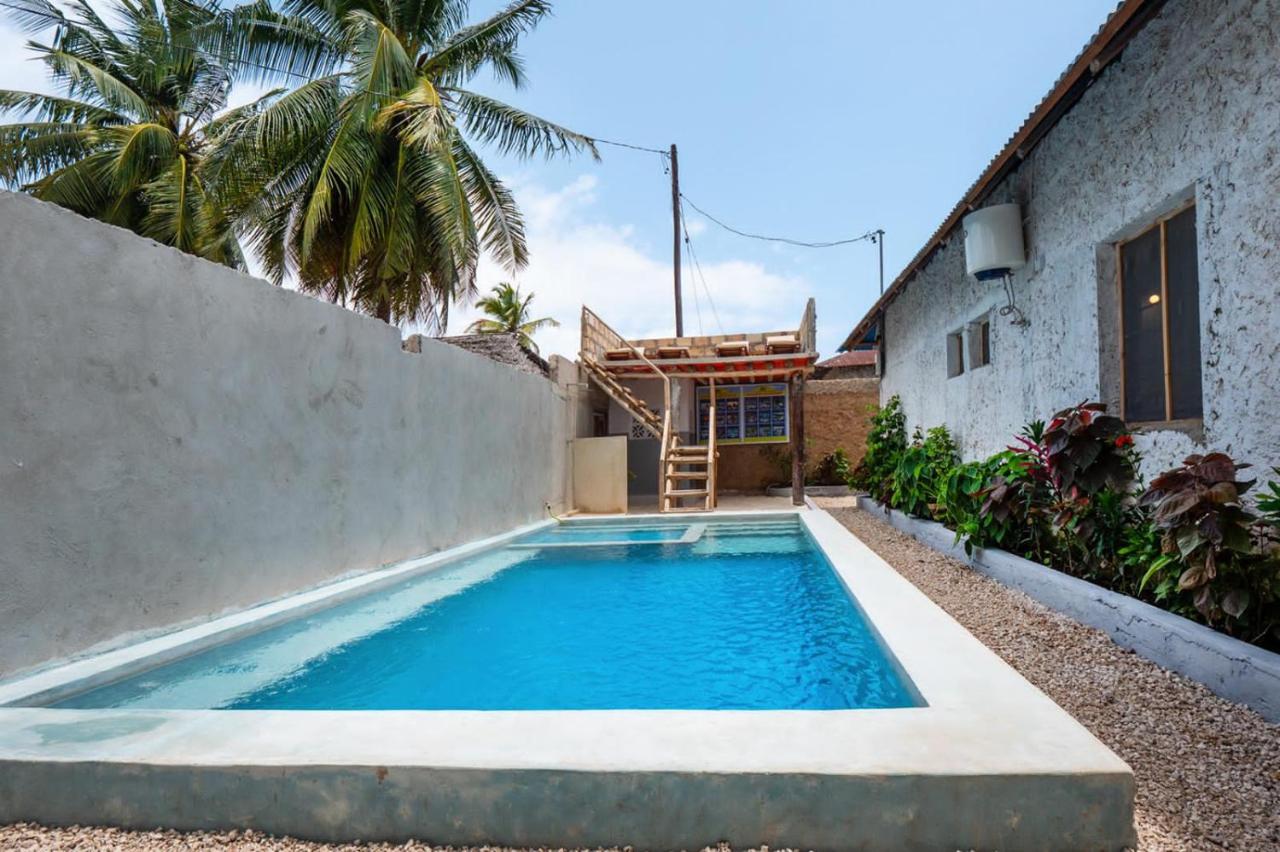
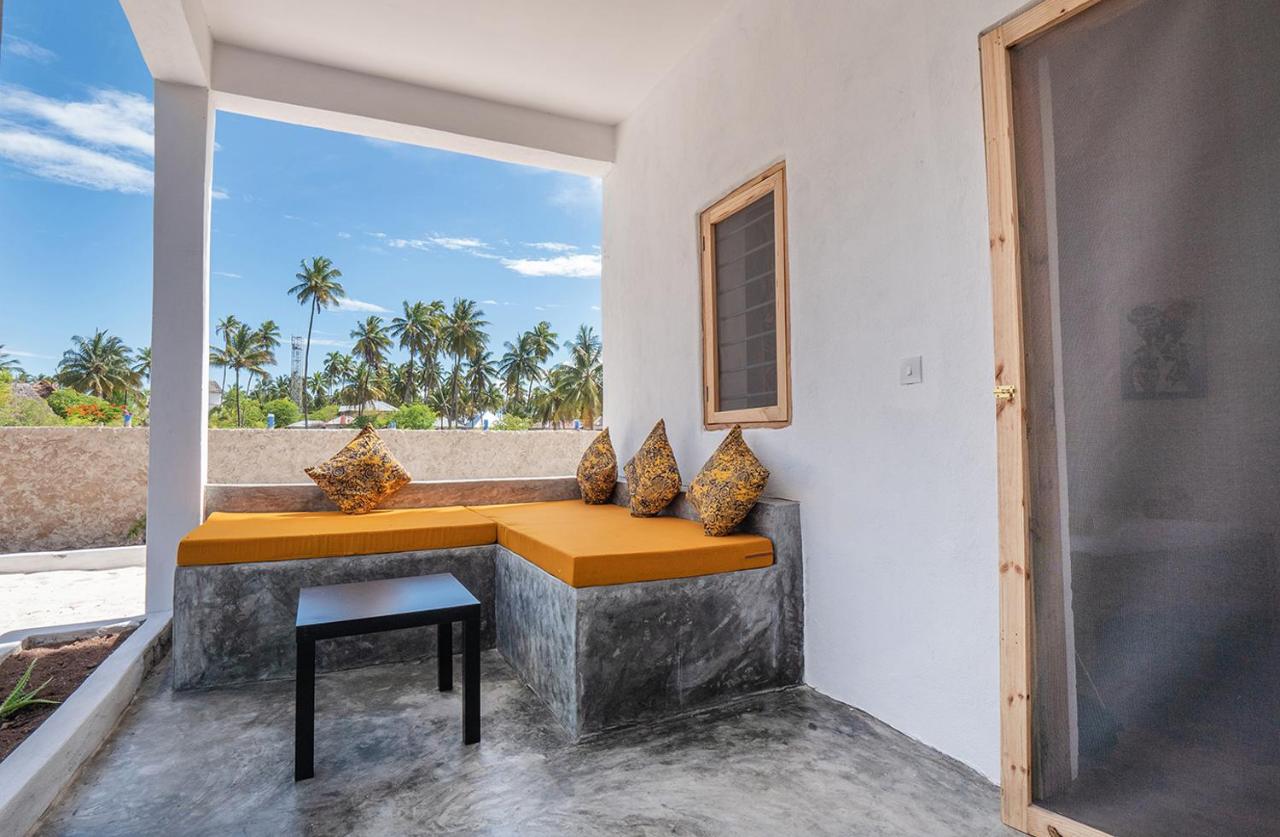
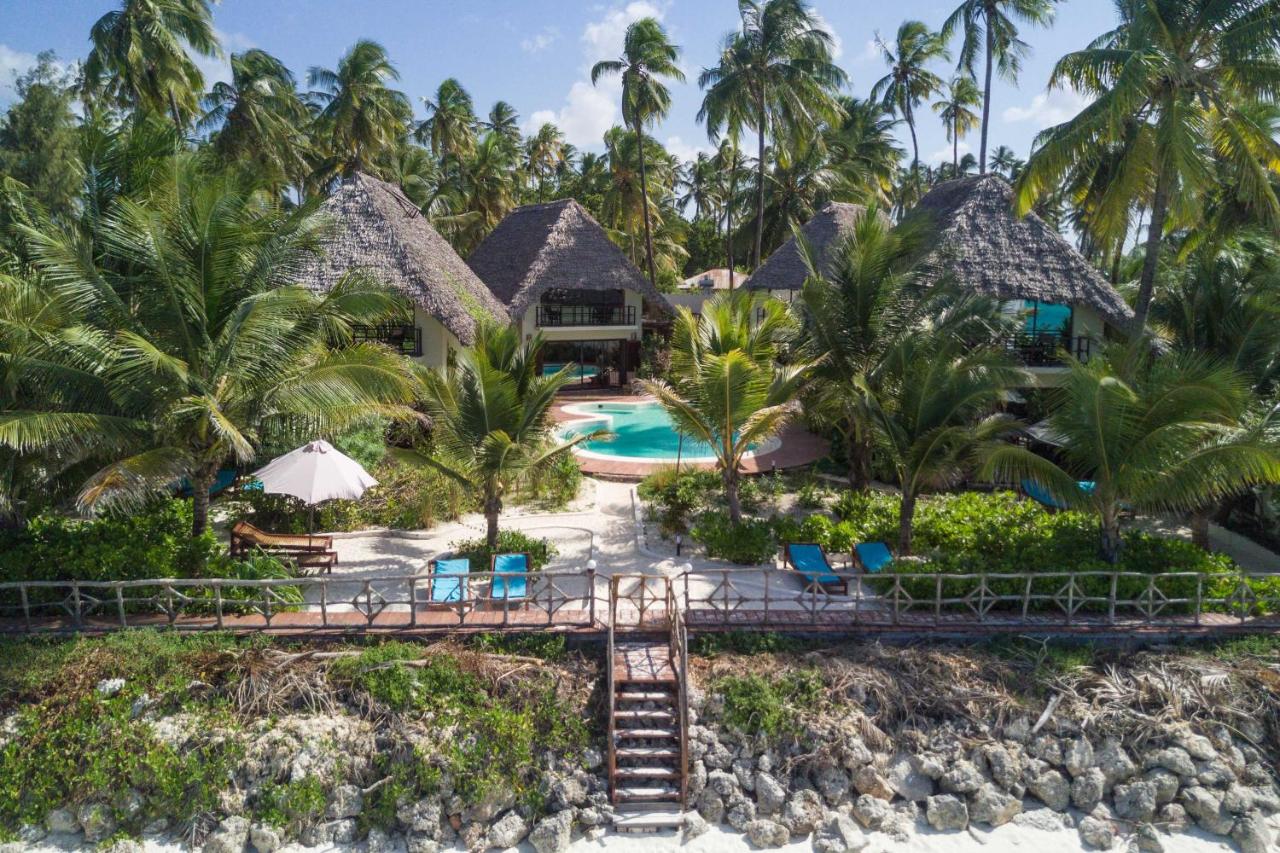
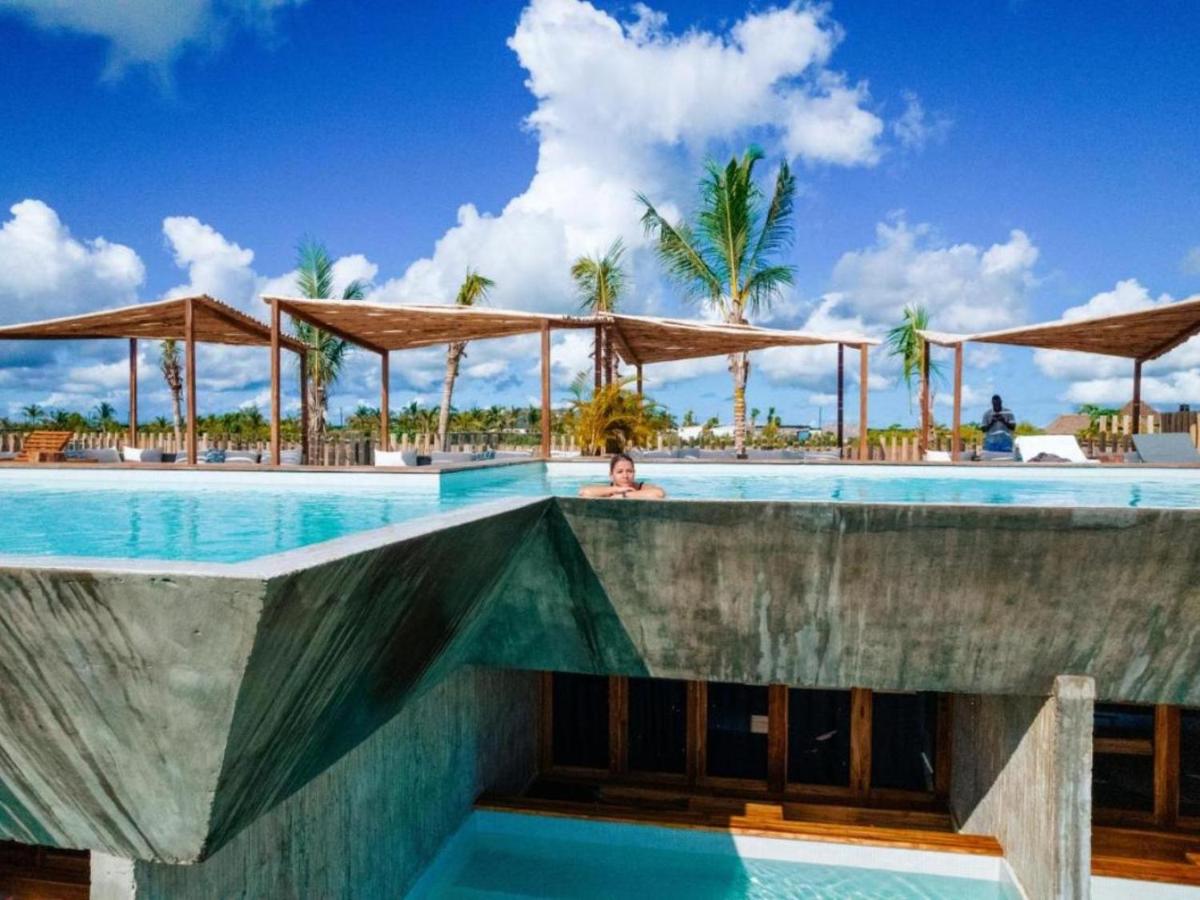
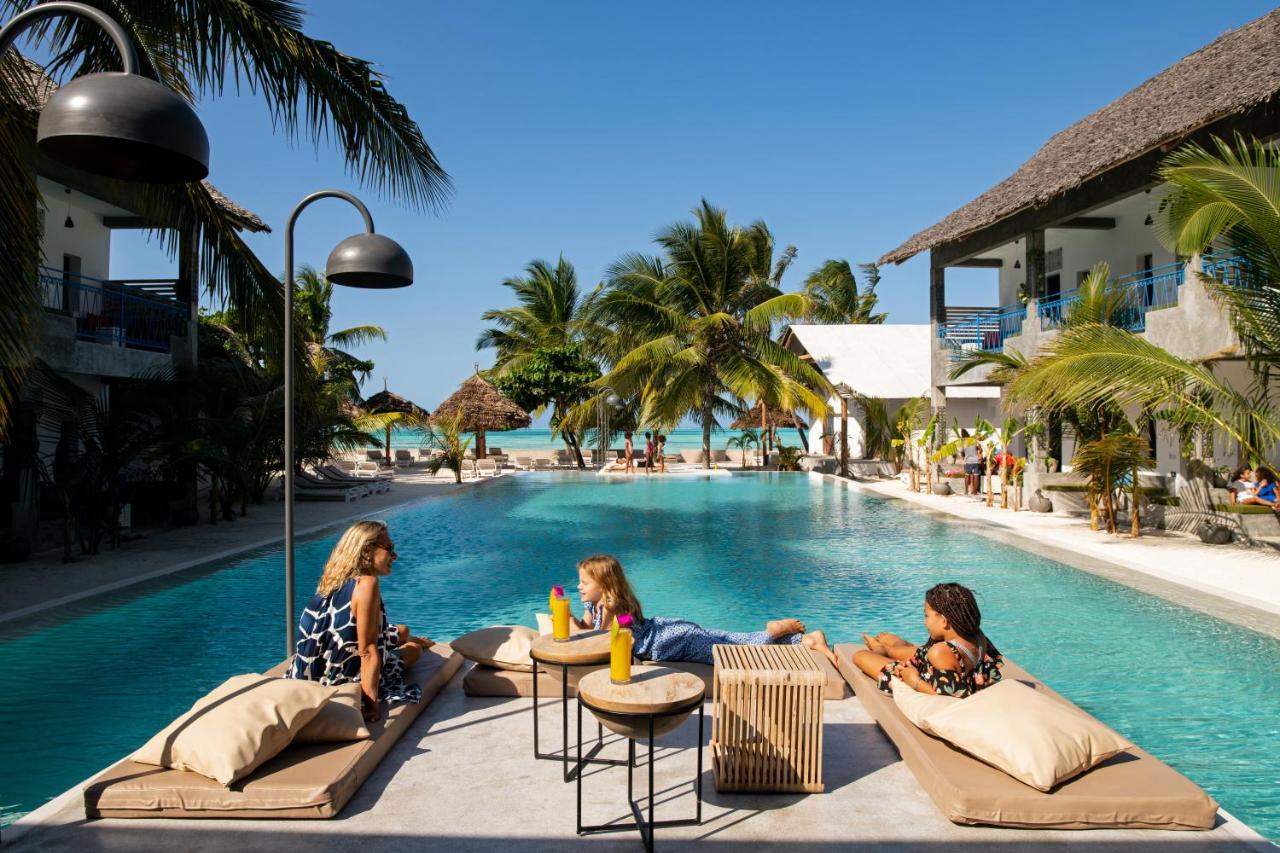
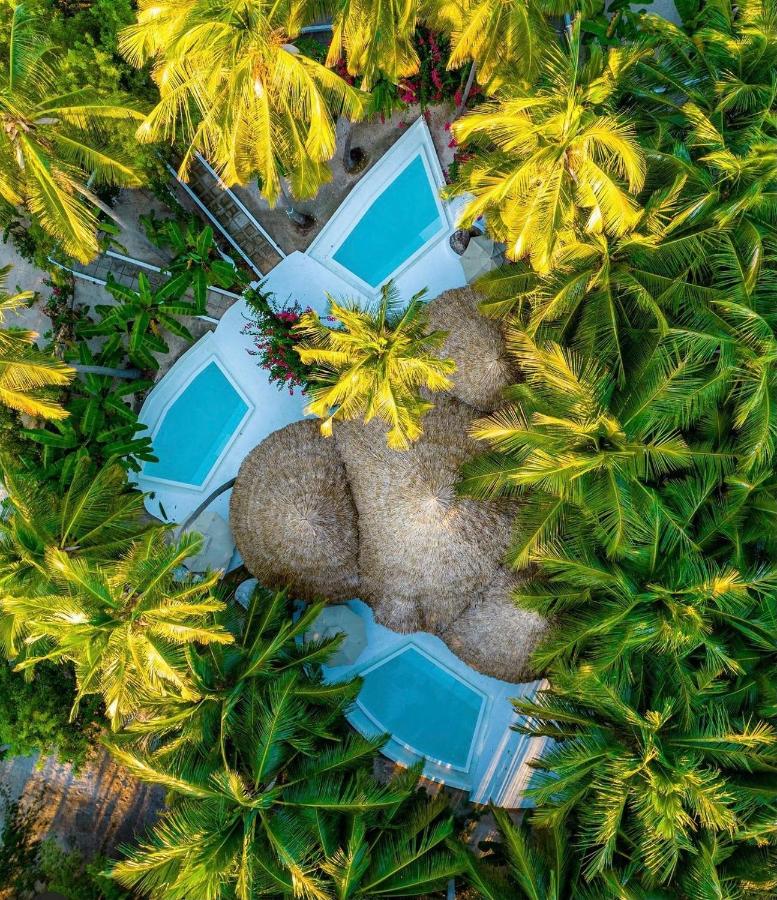
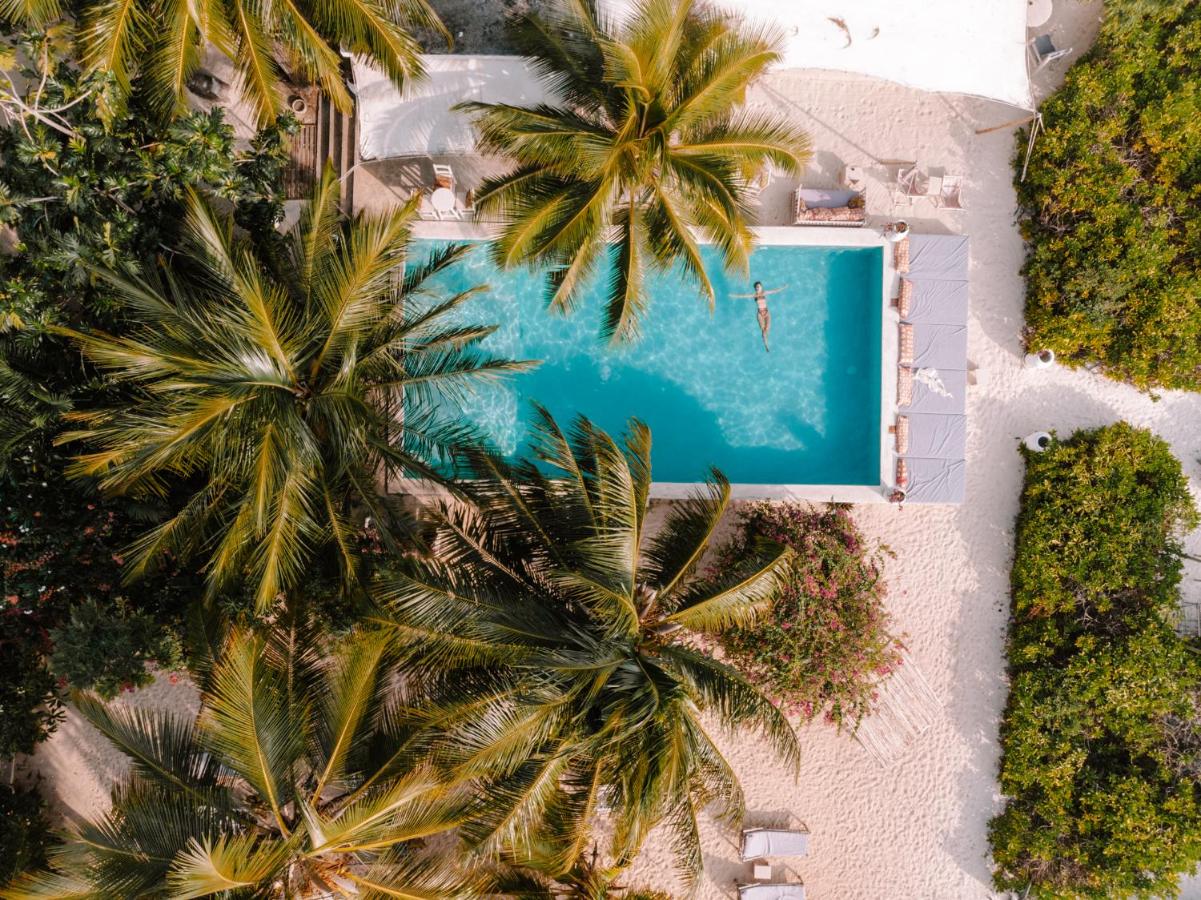
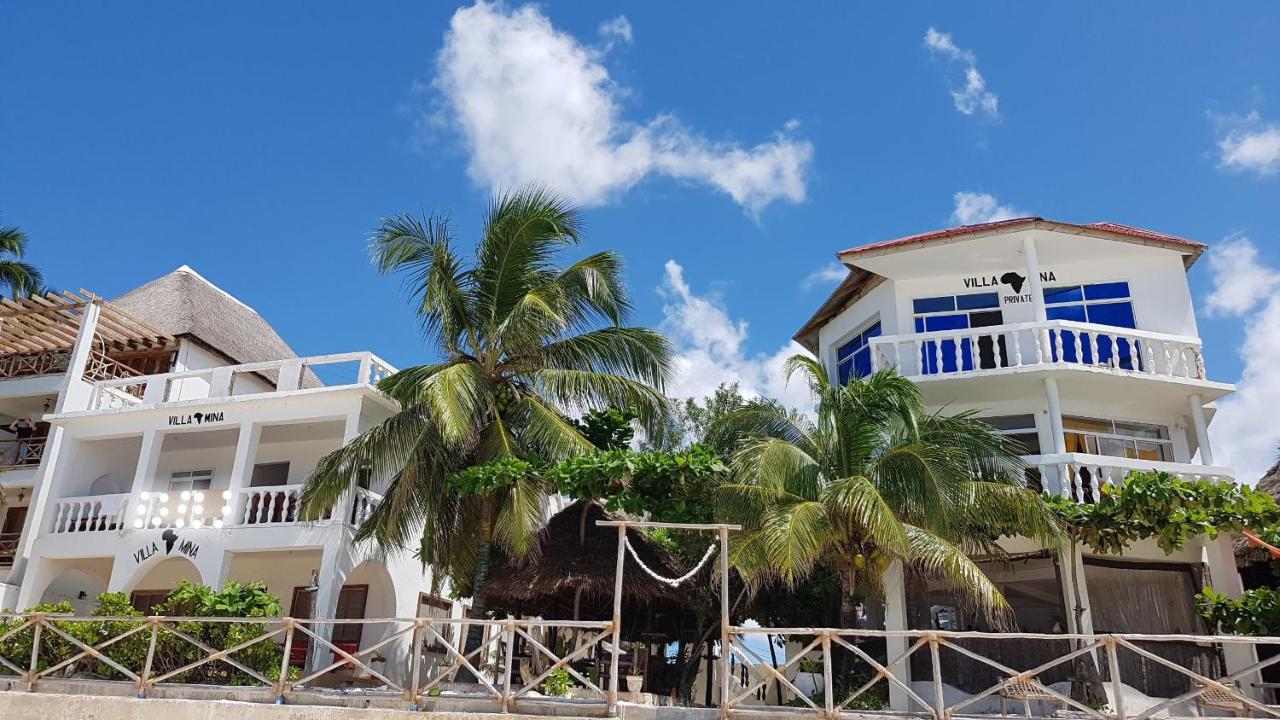
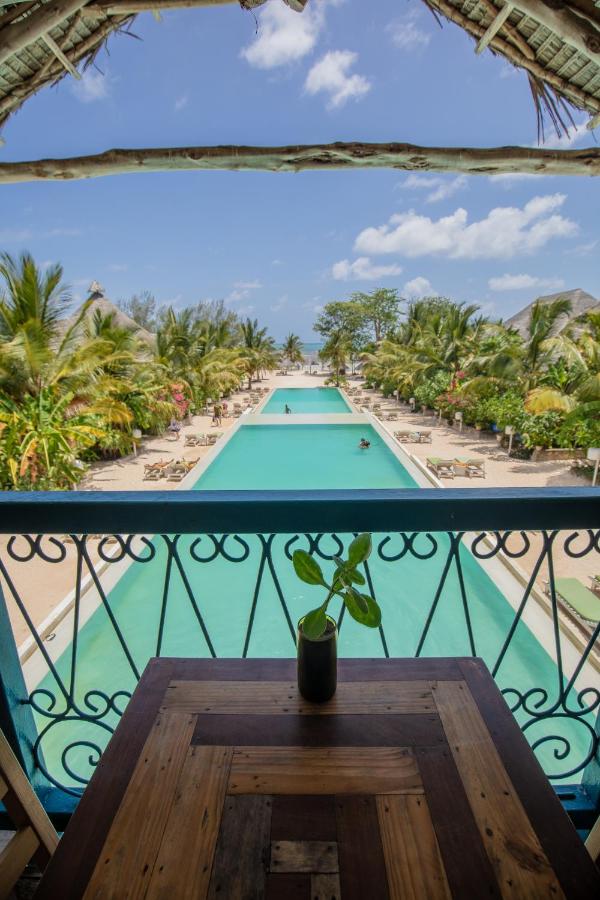
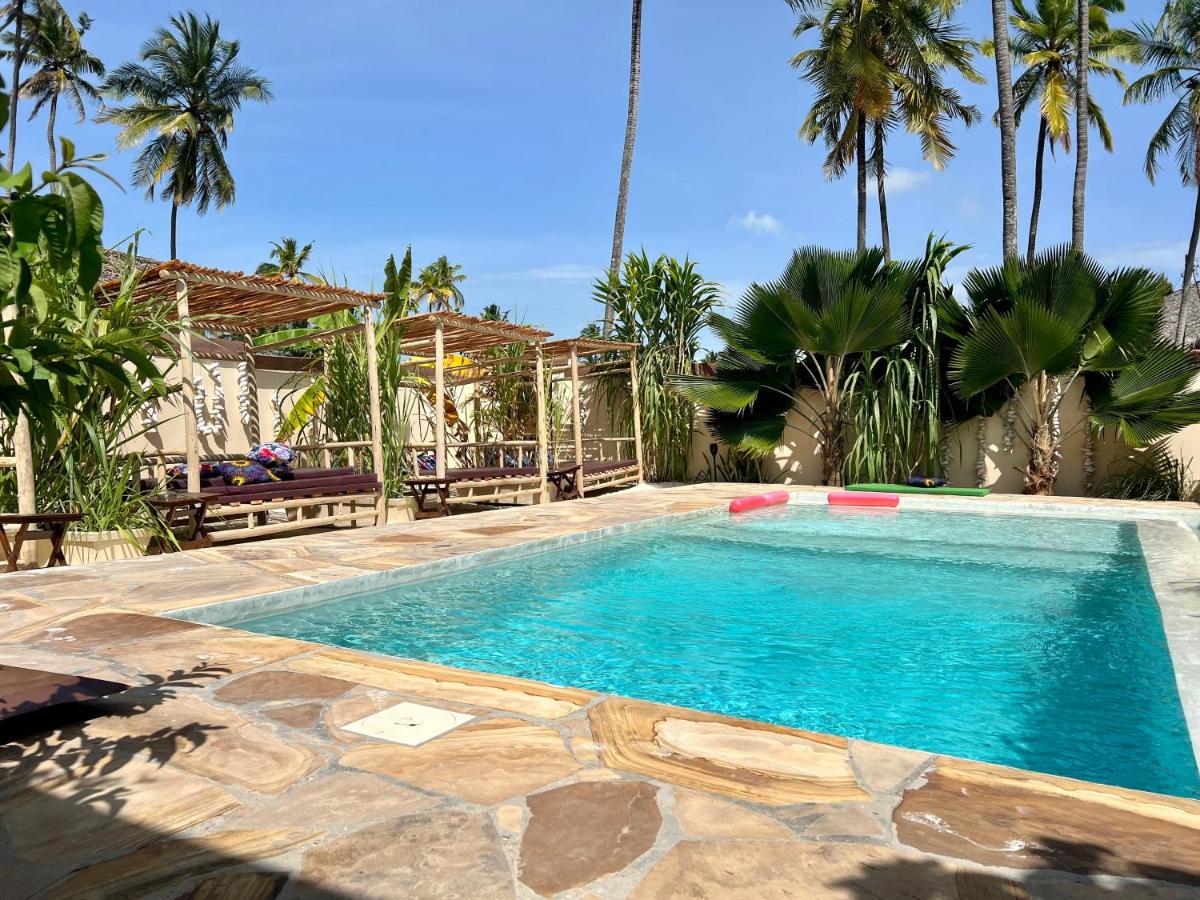
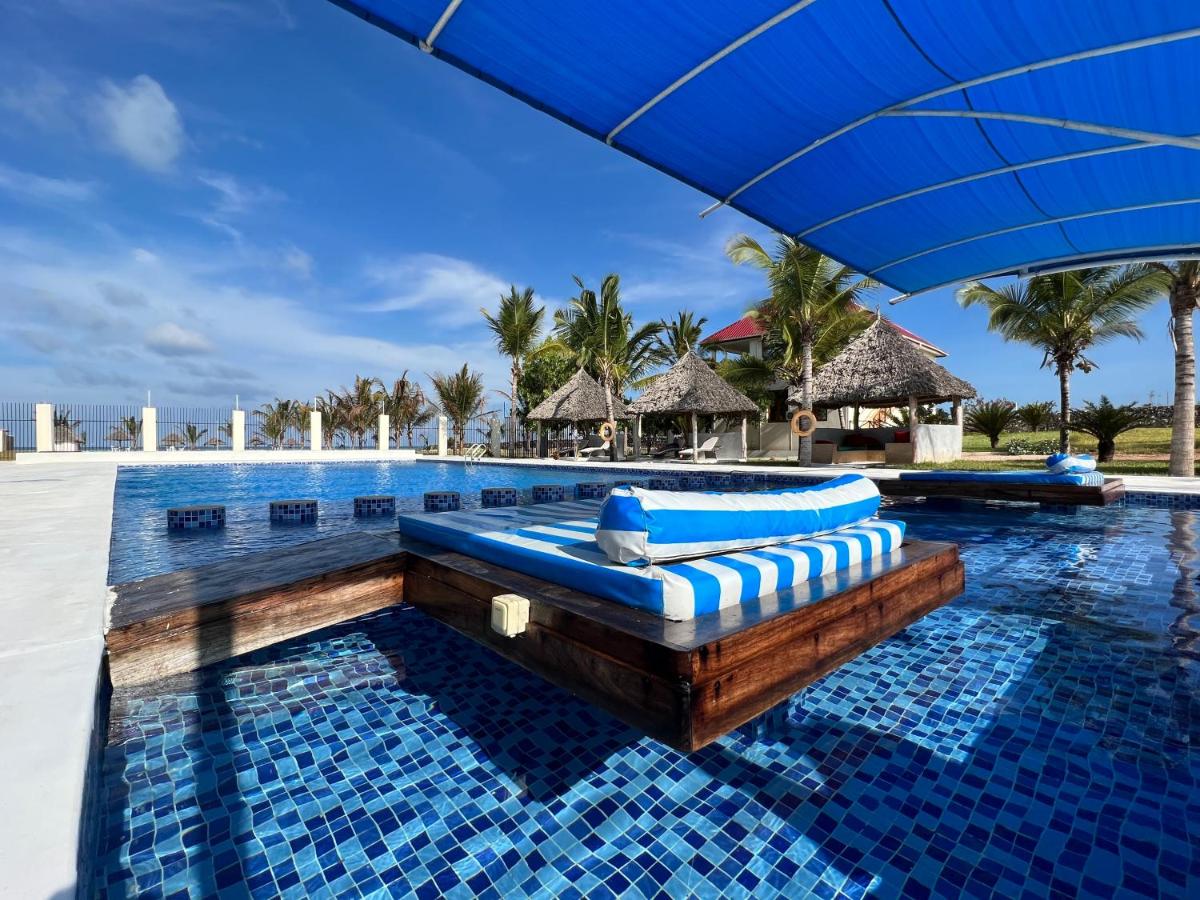
In terms of accommodation, Jambiani has a great selection of hotels, resorts, and guesthouses to choose from, ranging from budget-friendly options to more luxurious ones. No matter what your budget is, you'll be able to find a place to stay that's perfect for you.
Jambiani vs Nungwi: Comparing the Best Beaches
Tanzania, the United Republic of, is home to some of the most beautiful beaches in the world. With its crystal clear waters and sandy beaches, it's no wonder that Tanzania is a popular tourist destination. Two of the most popular beaches in Tanzania are Jambiani and Nungwi. In this article, we'll compare these two beaches to help you decide which one is right for you.
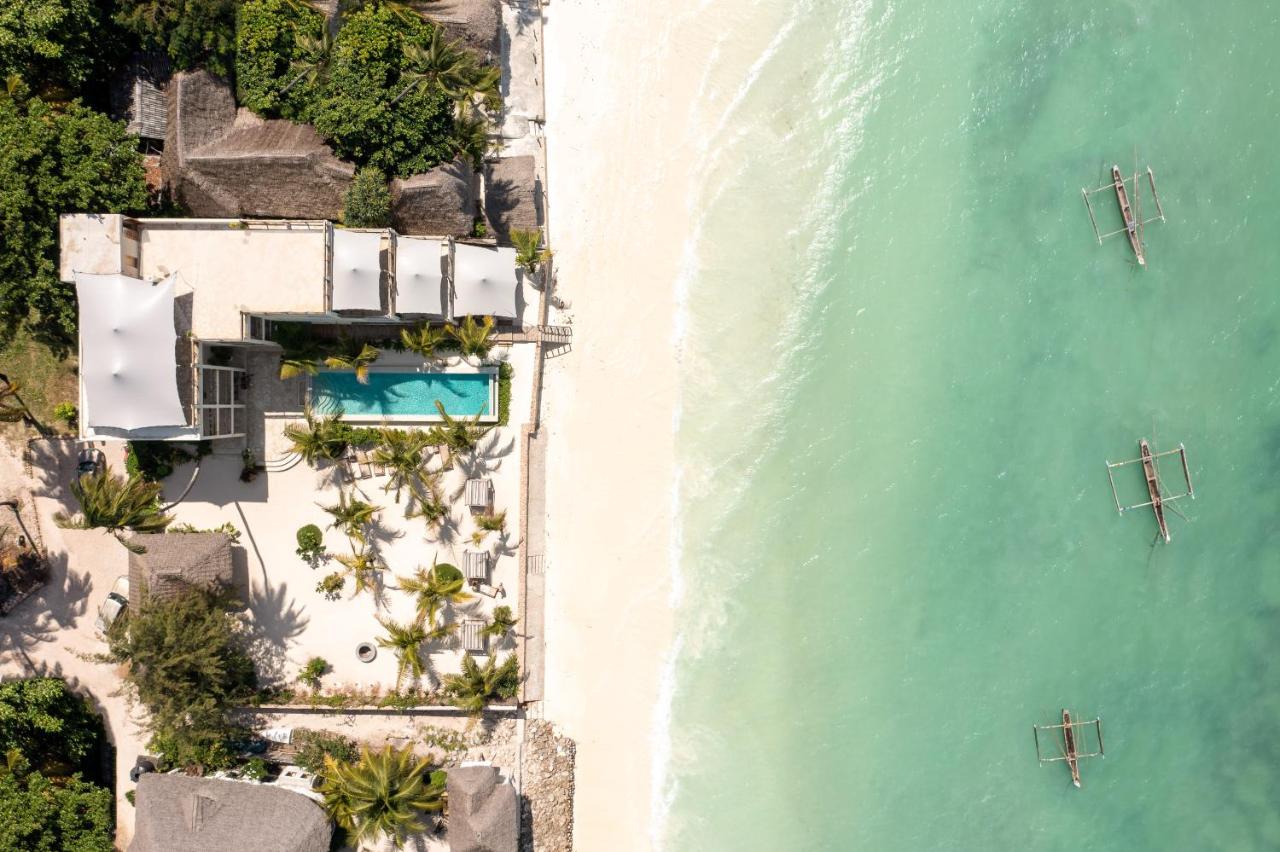
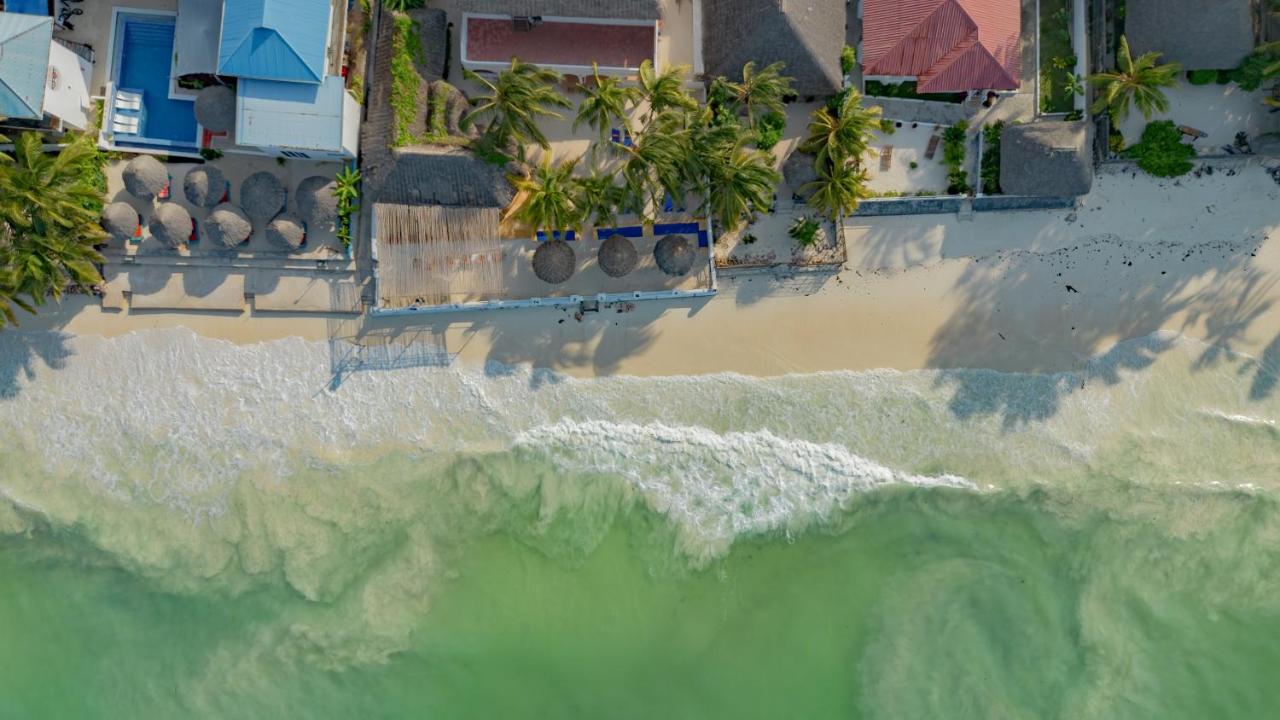
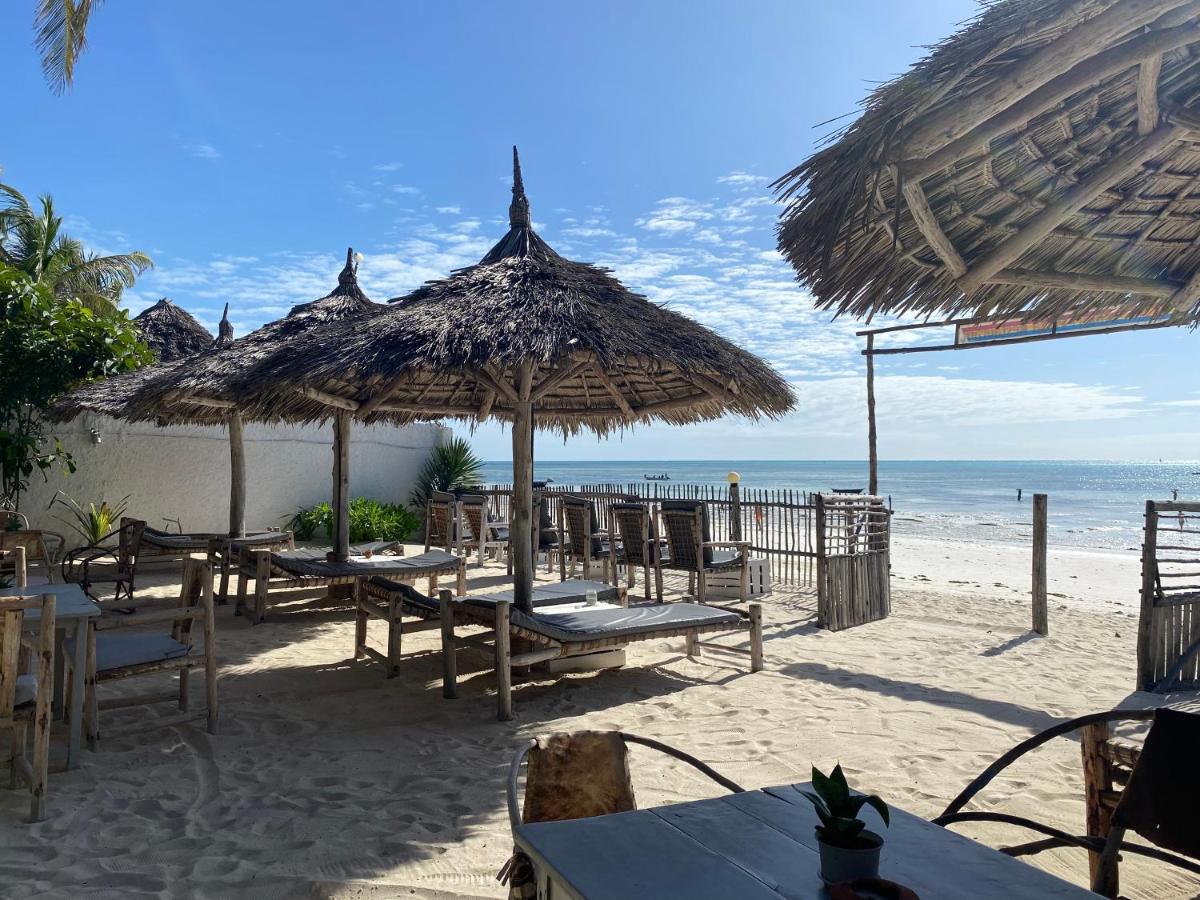
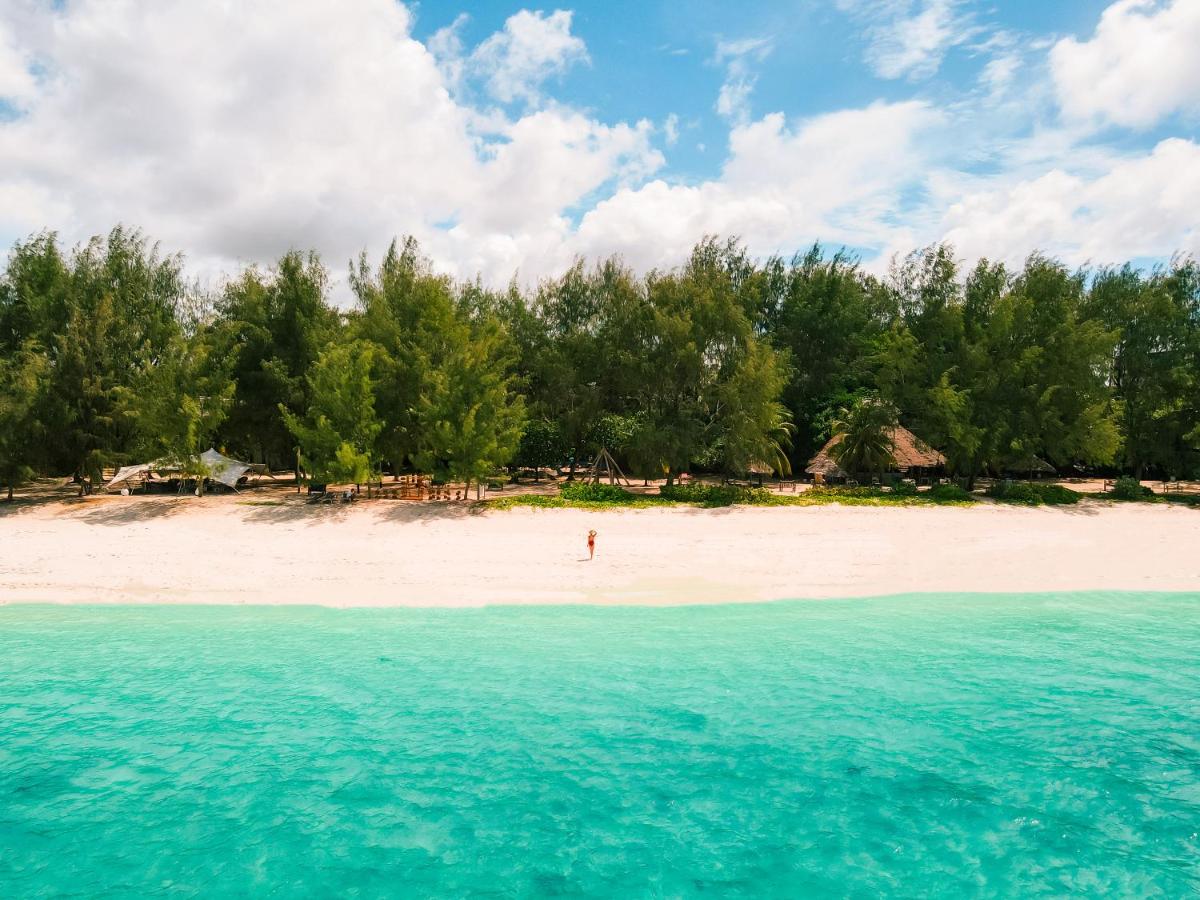
Jambiani is a small fishing village located on the southeast coast of Zanzibar Island. The village is home to one of the most beautiful beaches in Tanzania. The beach is wide and sandy, and the water is crystal clear. The beach is also relatively quiet, making it a great place to relax and unwind.
Jambiani is the perfect beach for those who want a peaceful and relaxing vacation.
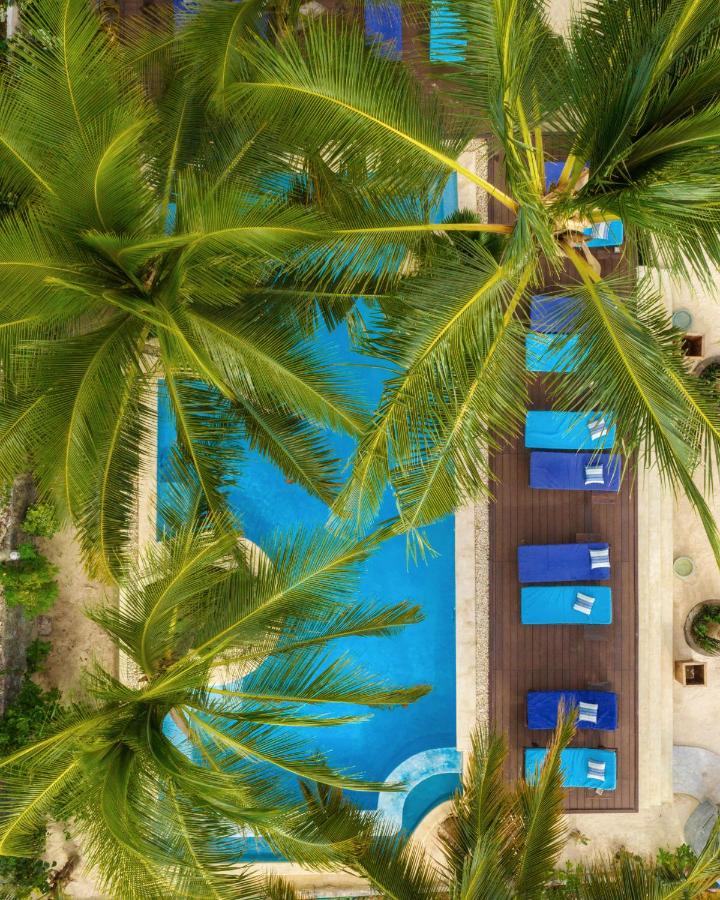
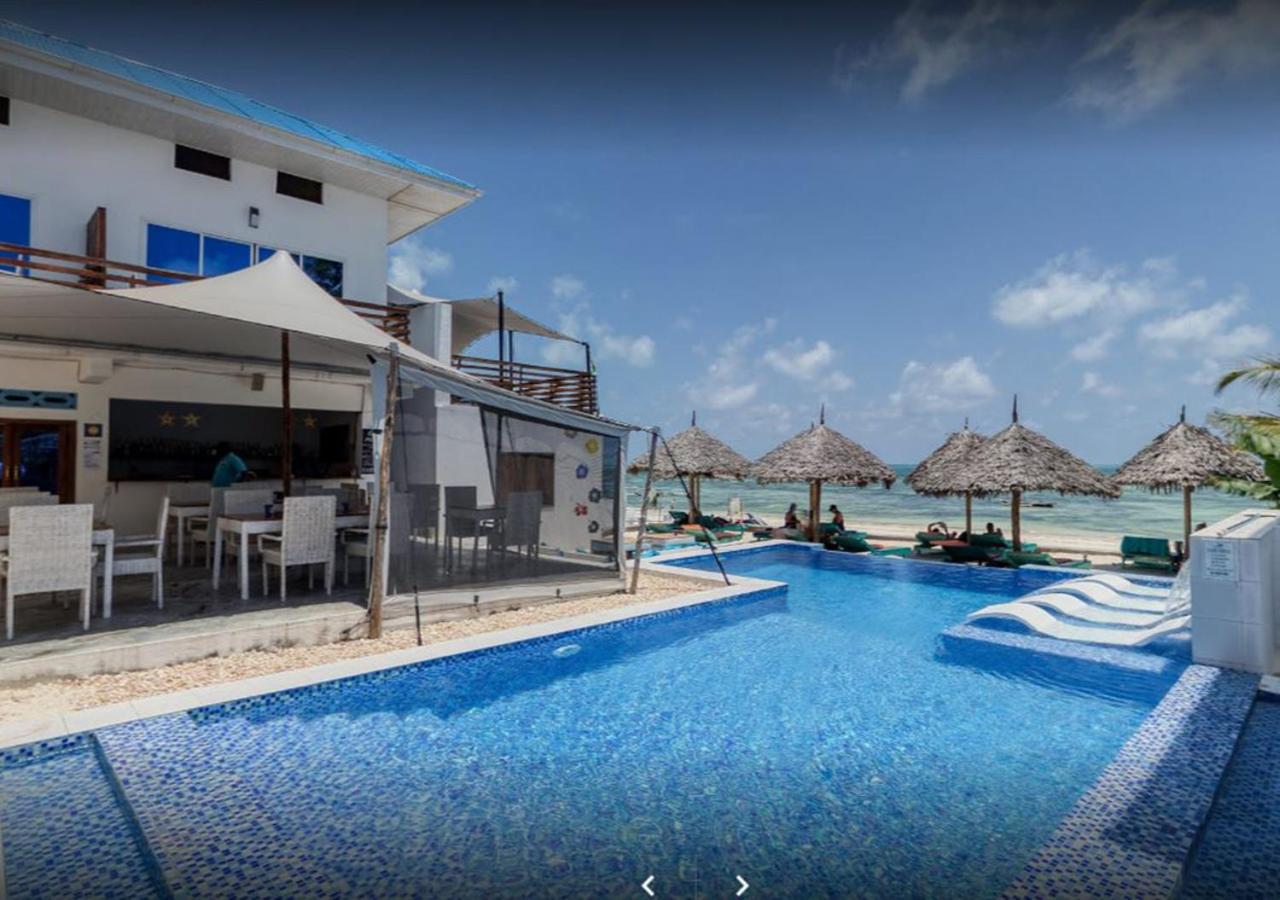
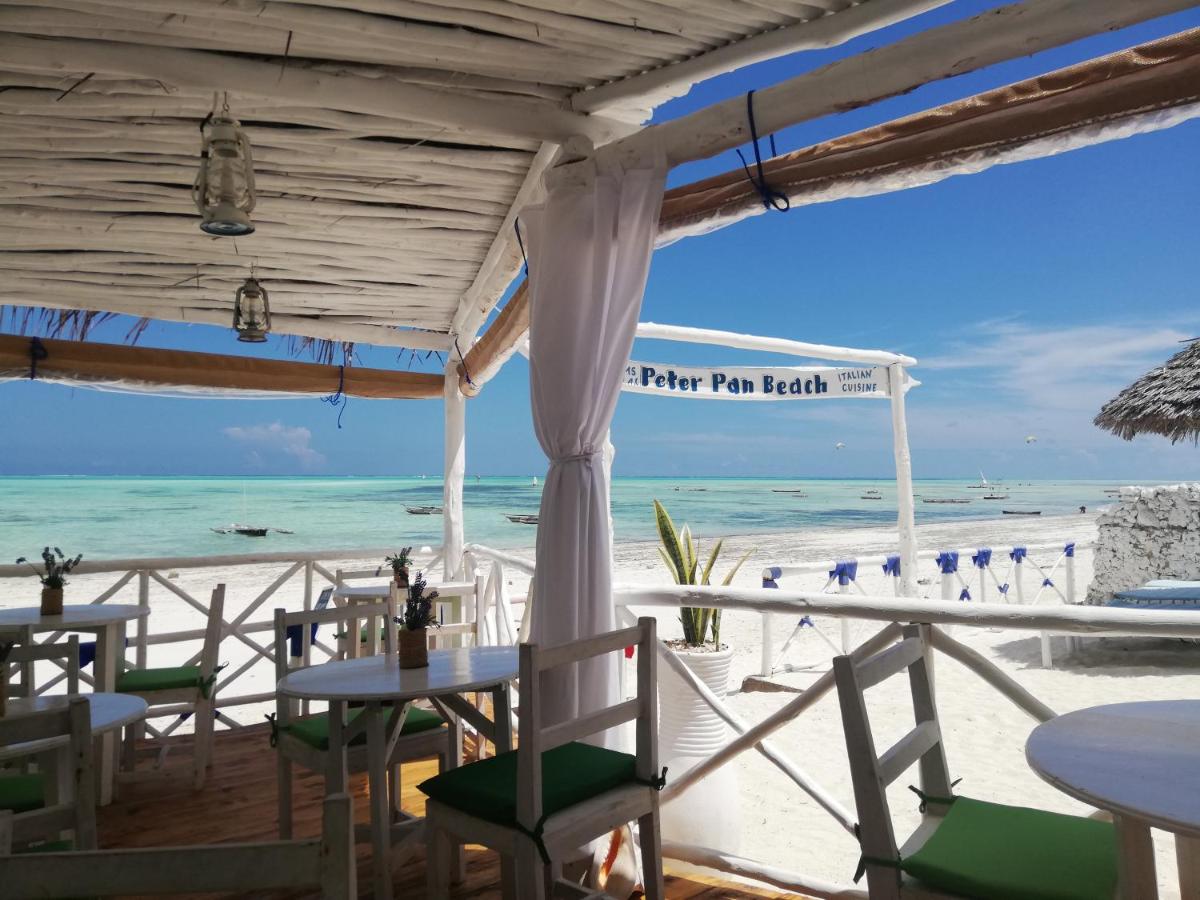
The beach is surrounded by palm trees, and there are several small bars and restaurants where you can enjoy a cold drink or a meal. There are also several small shops where you can buy souvenirs and other items.
Jambiani is a great place to experience the local culture.
Nungwi is a village located on the northern tip of Zanzibar Island. The village is home to one of the most popular beaches in Tanzania. The beach is wide and sandy, and the water is crystal clear. The beach is also much busier than Jambiani, with many tourists and locals enjoying the sun and sea.
Nungwi is the perfect beach for those who want a lively and energetic vacation.
There are several bars and restaurants along the beach where you can enjoy a cold drink or a meal. There are also several water sports activities available, such as jet skiing and parasailing.
Nungwi is a great place to experience the nightlife of Tanzania.
Both Jambiani and Nungwi are beautiful beaches in Tanzania, but they offer different experiences. Jambiani is perfect for those who want a peaceful and relaxing vacation, while Nungwi is perfect for those who want a lively and energetic vacation. Both beaches offer crystal clear waters and sandy beaches, so you can't go wrong with either choice.
Unveiling the Meaning of Jambiani: A Fascinating Insight
Jambiani is a beautiful coastal village located in the southeastern part of Zanzibar, Tanzania, United Republic of country. This serene village is home to a fascinating culture, a rich history, and a breathtaking landscape that is sure to leave you mesmerized. In this article, we will be unveiling the meaning of Jambiani and exploring the unique features that make it a must-visit destination.
First and foremost, the name "Jambiani" is believed to have been derived from the Swahili word "jambii" which means "giant clams". This is because the village is known for its abundance of giant clams that are found along its shores.
One of the most fascinating aspects of Jambiani is its rich cultural heritage. The village is predominantly inhabited by the Bantu people who have their own unique customs, traditions, and way of life. Visitors to Jambiani have the opportunity to immerse themselves in the local culture by participating in traditional dances, trying local cuisine, and interacting with the friendly locals.
Jambiani is also known for its stunning beaches which are characterized by white sandy shores and crystal clear waters. These beaches are perfect for swimming, sunbathing, and enjoying a wide range of water sports such as snorkeling, diving, and kayaking.
Another unique feature of Jambiani is its vibrant coral reefs which are home to a diverse range of marine life. These reefs are a major attraction for visitors who are interested in marine biology and snorkeling. The village is also home to the Jambiani Turtle Sanctuary which is dedicated to the conservation of sea turtles. Visitors can learn about the conservation efforts and even participate in releasing hatchlings into the ocean.
What is Zanzibar's Current Name? | Exploring the Island's Identity
Zanzibar is a semi-autonomous archipelago off the coast of Tanzania, consisting of Zanzibar Island and several smaller islands. The current official name of Zanzibar is the Zanzibar Archipelago, which is made up of two main islands, Unguja and Pemba, and several smaller islands.
Zanzibar has a complex history of colonization and control by various nations. The island was first settled by Bantu-speaking Africans around 1000 AD and later came under the control of the Sultanate of Oman in the 17th century. In 1890, Zanzibar became a British protectorate, and in 1963 it gained independence as a constitutional monarchy. The following year, it merged with Tanganyika to form the United Republic of Tanzania.
The name "Zanzibar" is believed to have come from the Persian words "zanj" (black) and "bar" (coast), referring to the island's dark-skinned inhabitants and its location on the East African coast. However, the island has been known by many names throughout its history, including the Spice Islands, the Isle of Cloves, and the Sultans' Isles.
Jambiani is a small fishing village located on the southeast coast of Zanzibar Island, known for its pristine beaches and coral reefs. The village has a population of around 6,000 people, mostly Swahili-speaking Muslims. Jambiani has a rich cultural heritage, with traditional fishing and seaweed farming practices still in use today.
The identity of Zanzibar and its various names and histories reflect the complex and diverse nature of the island. Whether it is known as Zanzibar, the Zanzibar Archipelago, or by one of its many other names, the island remains a unique and vibrant part of Tanzania's culture and heritage.
Zanzibar Island: Which Country Claims Ownership?
Zanzibar Island, also known as Unguja, is a tropical paradise located off the coast of East Africa. The island is part of the Zanzibar Archipelago, which includes several other islands. Zanzibar Island is known for its beautiful beaches, rich culture, and history.
Jambiani is a village located on the southeast coast of Zanzibar Island. It is a popular tourist destination due to its stunning beaches and clear waters. The village has a rich history and is home to several cultural sites, including the Jambiani Cultural Tourism Programme, which offers visitors a chance to experience traditional Swahili culture.
The ownership of Zanzibar Island has been a topic of debate for many years. The island is currently part of Tanzania, which is a united republic country located in East Africa. However, Zanzibar has a complex political history that has led to disagreements over its ownership.
Zanzibar was once an independent sultanate until it was merged with Tanganyika in 1964 to form the United Republic of Tanzania. However, in 2010, a new constitution was adopted that granted Zanzibar greater autonomy. Zanzibar now has its own president, government, and parliament, and is considered a semi-autonomous region of Tanzania.
Despite this autonomy, there are still some who argue that Zanzibar should be fully independent. The issue of ownership is particularly contentious because Zanzibar is rich in natural resources, including spices, fish, and tourism.
In conclusion, Jambiani is a fascinating and unique destination that offers a blend of natural beauty, cultural diversity, and history. From its pristine beaches to its rich Swahili heritage, Jambiani is a place that is worth exploring. Whether you are interested in snorkeling, swimming, or simply relaxing in the sun, Jambiani has something for everyone. The local community is friendly and welcoming, and visitors can experience the authentic Tanzanian way of life. If you are looking for an off-the-beaten-path travel destination, Jambiani is definitely worth considering.