

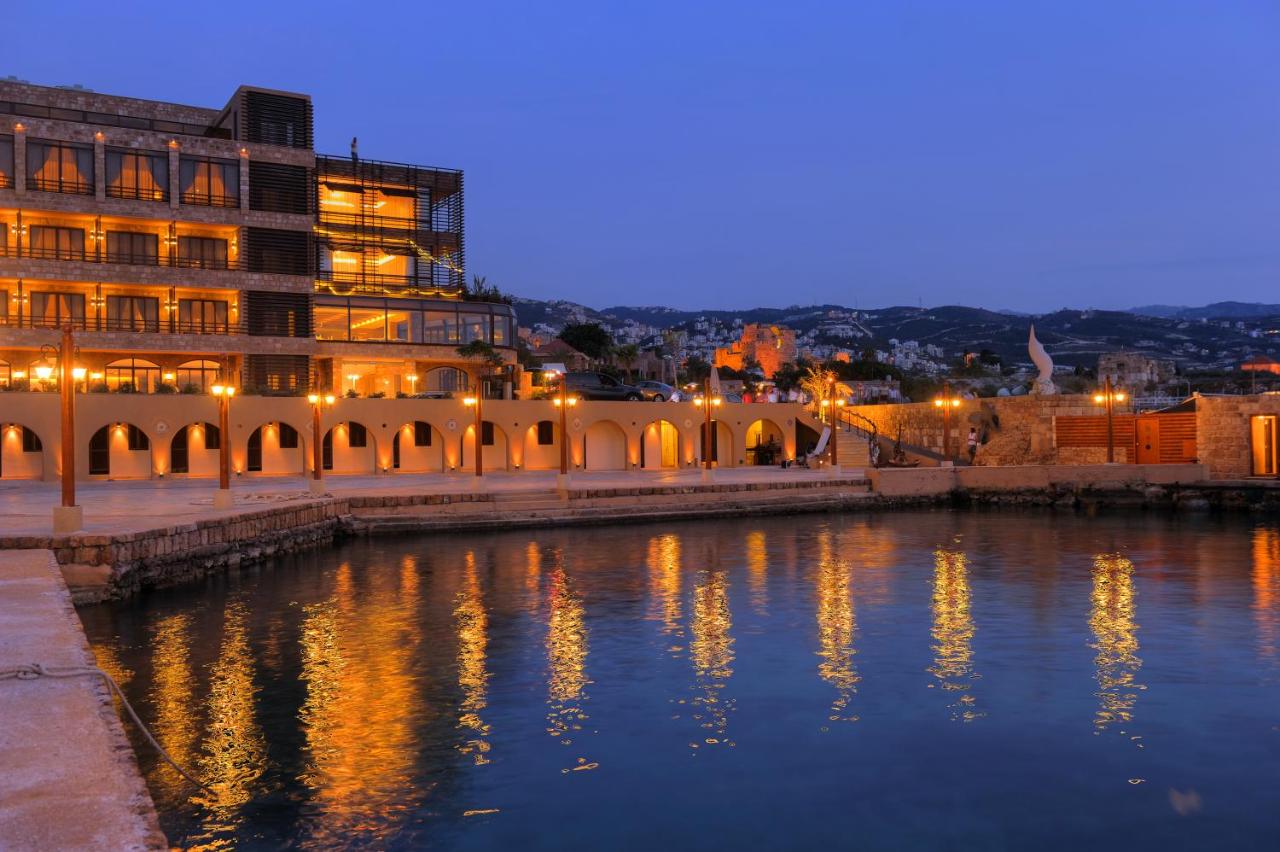
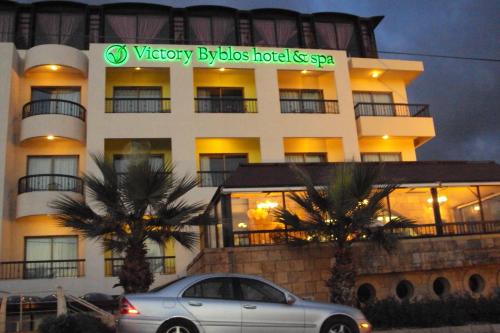
ค้นพบ Jbeil
Another must-visit spot in Jbeil is the souk, a bustling marketplace where vendors sell everything from spices and textiles to jewelry and pottery. The souk is a great place to soak up the local culture and pick up some unique souvenirs to take home.
If you're interested in history, be sure to visit the Byblos Archaeological Site, which features the ruins of ancient temples, a Roman theater, and a Phoenician royal palace. The site is also home to the Byblos Wax Museum, which showcases life-sized wax figures of historical figures and scenes from Lebanese history.
For those who love the outdoors, Jbeil has plenty of natural beauty to explore. The town is surrounded by lush green hills and is just a short drive from the stunning Jeita Grotto, a series of limestone caves filled with underground rivers and waterfalls.
After a day of exploring, be sure to stop by one of Jbeil's many restaurants and cafes to sample some delicious Lebanese cuisine. From fresh seafood to mouthwatering mezze, there's something for every taste bud in Jbeil.
Discovering Jbeil: A Guide to Its Famous Attractions
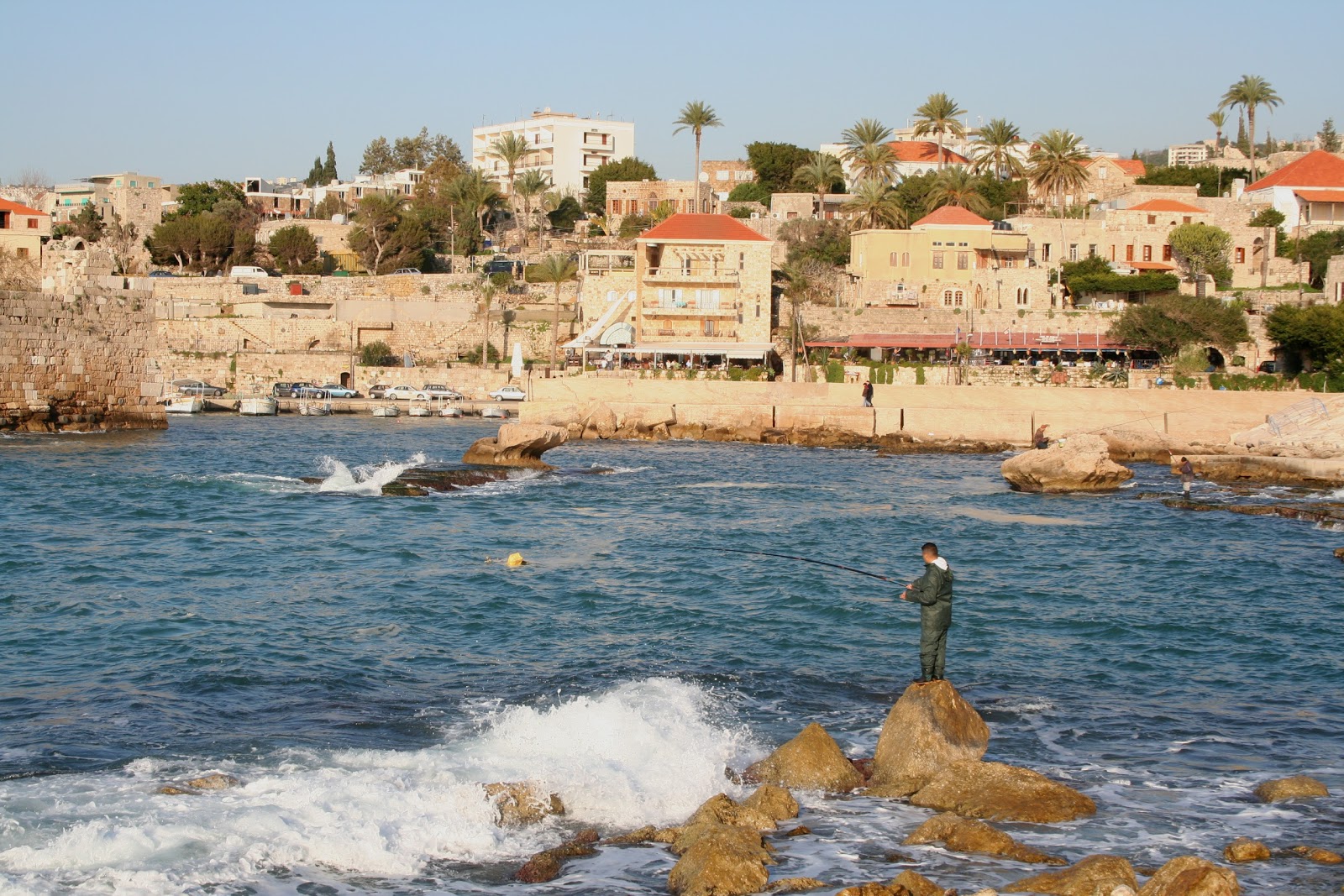
Jbeil, also known as Byblos, is a beautiful coastal city in Lebanon. It is one of the oldest continuously inhabited cities in the world, dating back to 5000 BC. Jbeil is a popular tourist destination, attracting visitors from all over the world. In this guide, we will explore some of the famous attractions that Jbeil has to offer.
The old city of Jbeil is a UNESCO World Heritage Site. It is a beautiful, well-preserved area that dates back to the Phoenician period. The old city is full of narrow streets, old houses, and historic buildings. One of the most famous landmarks in the old city is the Crusader Castle, which was built in the 12th century. Visitors can also explore the old souk, which is full of shops selling traditional Lebanese handicrafts, spices, and souvenirs.
The Byblos Fishing Port is a picturesque spot that offers visitors a glimpse into the daily lives of the local fishermen. Visitors can watch the fishermen unloading their catch of the day, and can even buy fresh fish to take home. The port is also a great place to enjoy a meal at one of the many seafood restaurants.
The Byblos Wax Museum is a unique attraction that showcases the history of Lebanon through wax figures. Visitors can see life-size wax figures of famous Lebanese people, as well as scenes depicting important events in Lebanese history.
The Byblos International Festival is a popular cultural event that takes place every summer. It attracts international musicians, artists, and performers, and offers visitors a chance to experience Lebanese culture in a fun and festive atmosphere.
Jbeil is home to some of the most beautiful beaches in Lebanon. Visitors can enjoy swimming, sunbathing, and water sports at the many beaches in the area. Some of the most popular beaches include the Amchit Beach, the Halat Beach, and the Batroun Beach.
Jbeil Population: Facts and Figures
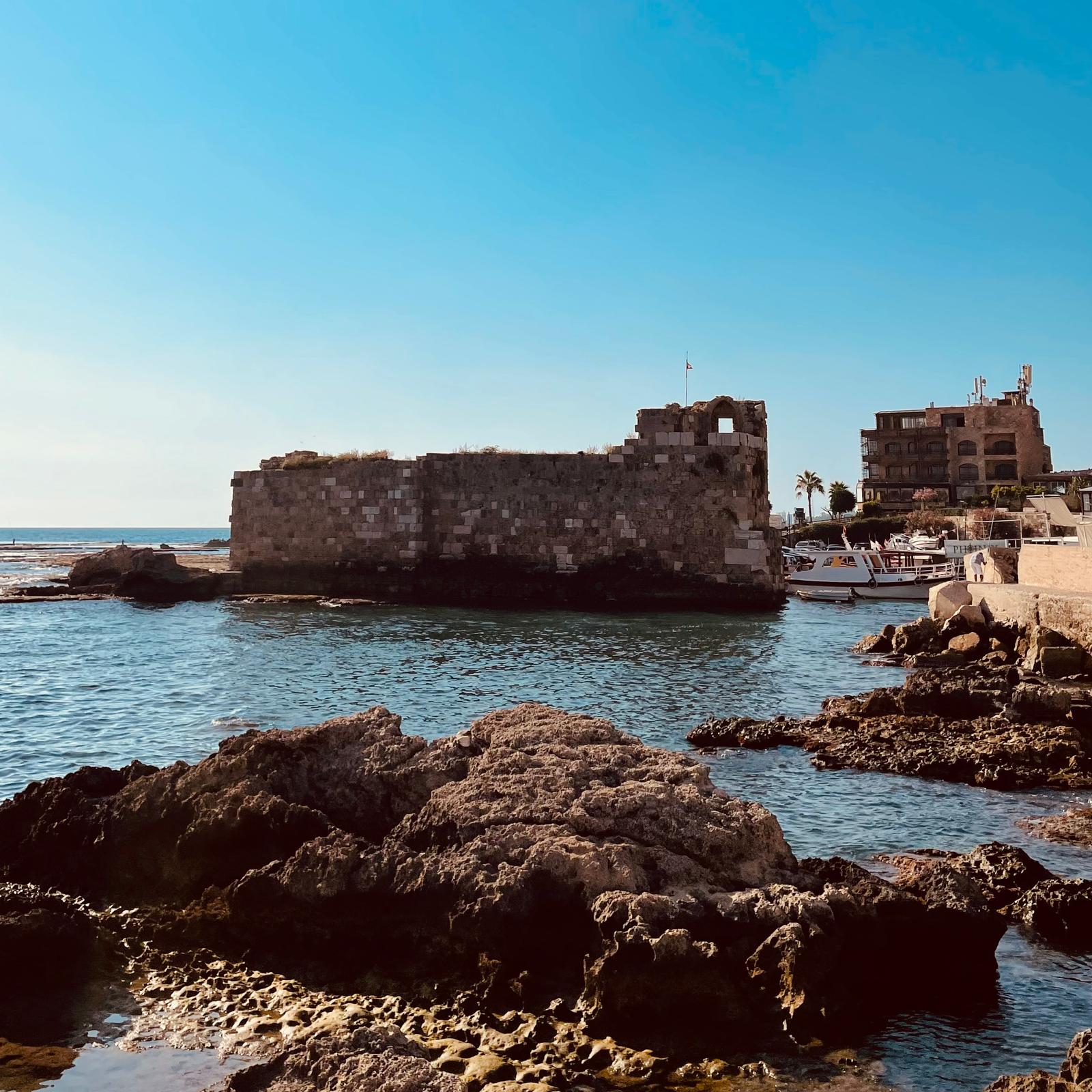
Jbeil, also known as Byblos, is a coastal city in the country of Lebanon. It is located about 40 kilometers north of the capital city of Beirut. Jbeil is one of the oldest continuously inhabited cities in the world, with a history that dates back to the third millennium BC.
The population of Jbeil is estimated to be around 100,000 people. This includes both native Lebanese citizens and a significant number of foreign residents. Jbeil has a diverse population, with a mix of Christians and Muslims, as well as a small number of Jews.
Historically, Jbeil has been an important center of trade and commerce in the region. Today, it is a popular tourist destination, with many visitors coming to see the ancient ruins and historical sites that can be found throughout the city.
The majority of the population in Jbeil speaks Arabic, which is the official language of Lebanon. However, many residents also speak French and English, as these languages are commonly taught in Lebanese schools.
Jbeil has a Mediterranean climate, with hot summers and mild winters. The city is known for its beautiful beaches, which attract many visitors during the summer months.
In recent years, Jbeil has experienced significant development and growth. New businesses and residential areas have been established, and the city has become a hub for technology and innovation in the region.
Despite these changes, Jbeil has managed to maintain its unique cultural identity and historical significance. The city is home to many museums, art galleries, and cultural institutions, which showcase the rich history and traditions of the region.
Discover Jbeil's District Location: A Comprehensive Guide
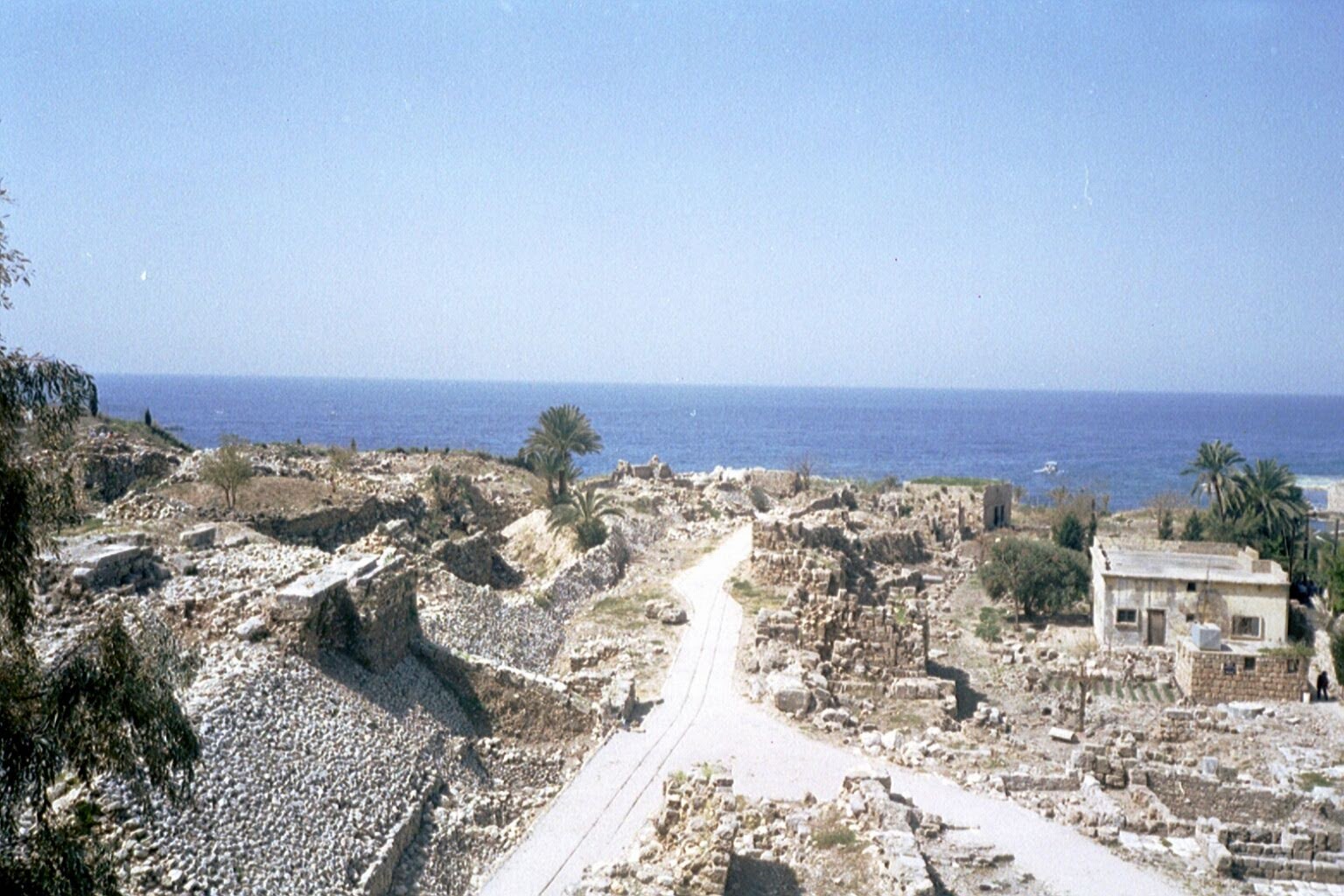
Jbeil, also known as Byblos, is a beautiful coastal city located in Lebanon. This city is known for its rich history, ancient ruins, stunning beaches, and delicious cuisine. Jbeil is situated in the northern part of Lebanon, which makes it easily accessible from major cities like Beirut and Tripoli.
One of the main attractions of Jbeil is its historic district, which is located in the heart of the city. This district is home to several ancient ruins, including the Byblos Castle, the Crusader Castle, and the Roman Amphitheater. Visitors can stroll through the narrow streets of the district, admire the traditional Lebanese architecture, and enjoy the lively atmosphere of the area.
In addition to its historic district, Jbeil is also known for its beautiful beaches. The city boasts several stunning beaches, including the public beach, which is located near the historic district. Visitors can swim in the crystal clear waters of the Mediterranean Sea, soak up the sun on the sandy beaches, and enjoy a variety of water sports.
Another must-visit attraction in Jbeil is the Souk, which is located in the heart of the city. This market is a vibrant hub of activity, and visitors can find everything from traditional Lebanese handicrafts to modern souvenirs. The Souk is also home to several restaurants and cafes, where visitors can sample delicious Lebanese cuisine.
Jbeil's district location is also ideal for exploring other parts of Lebanon. The city is just a short drive away from major tourist destinations like Batroun, Tripoli, and Beirut. Visitors can easily book day trips to these locations, or explore them on their own.
Discovering Jbeil's Fascinating History
Jbeil, also known as Byblos, is a coastal city in Lebanon that is rich in history and culture. Its name is derived from the Greek word "biblos," which means book, as it was the center of the Phoenician script, the first alphabet in the world.
Jbeil's history dates back to the third millennium BC, and it has been inhabited by various civilizations, including the Phoenicians, Assyrians, Persians, Greeks, Romans, Arabs, Crusaders, Ottomans, and French. Each of these civilizations has left a mark on the city's architecture, culture, and traditions.
One of the most iconic landmarks in Jbeil is the Crusader Castle, also known as the Castle of Byblos, which was built in the 12th century. The castle is a testament to the city's importance during the Crusades and is considered one of the best-preserved examples of Crusader architecture in the world.
Jbeil is also home to the famous Phoenician ruins, which are believed to be the oldest continuously inhabited city in the world, dating back to around 5000 BC. The ruins include temples, tombs, and the ancient city walls, which provide a glimpse into the city's past and its importance as a trading center in the Mediterranean.
The city also has a vibrant souk, or market, where visitors can buy traditional handicrafts, spices, and souvenirs. There are also numerous restaurants and cafes that offer local Lebanese cuisine, including fresh seafood and mezze, a selection of small dishes that are perfect for sharing.
Jbeil's history and culture have also been recognized by UNESCO, which has designated the city as a World Heritage Site. This designation acknowledges the significance of Jbeil's cultural heritage and the need to preserve it for future generations.
In conclusion, Jbeil is a remarkable locality in Lebanon that has a rich history and culture to offer. From its stunning ancient ruins to its picturesque harbor, Jbeil has something for everyone. The town's vibrant atmosphere and hospitable people make it a popular destination for tourists from all over the world. Whether you're a history buff, a nature lover, or simply looking for a relaxing getaway, Jbeil is definitely worth a visit. So pack your bags, head to Lebanon, and discover the wonders of Jbeil for yourself!