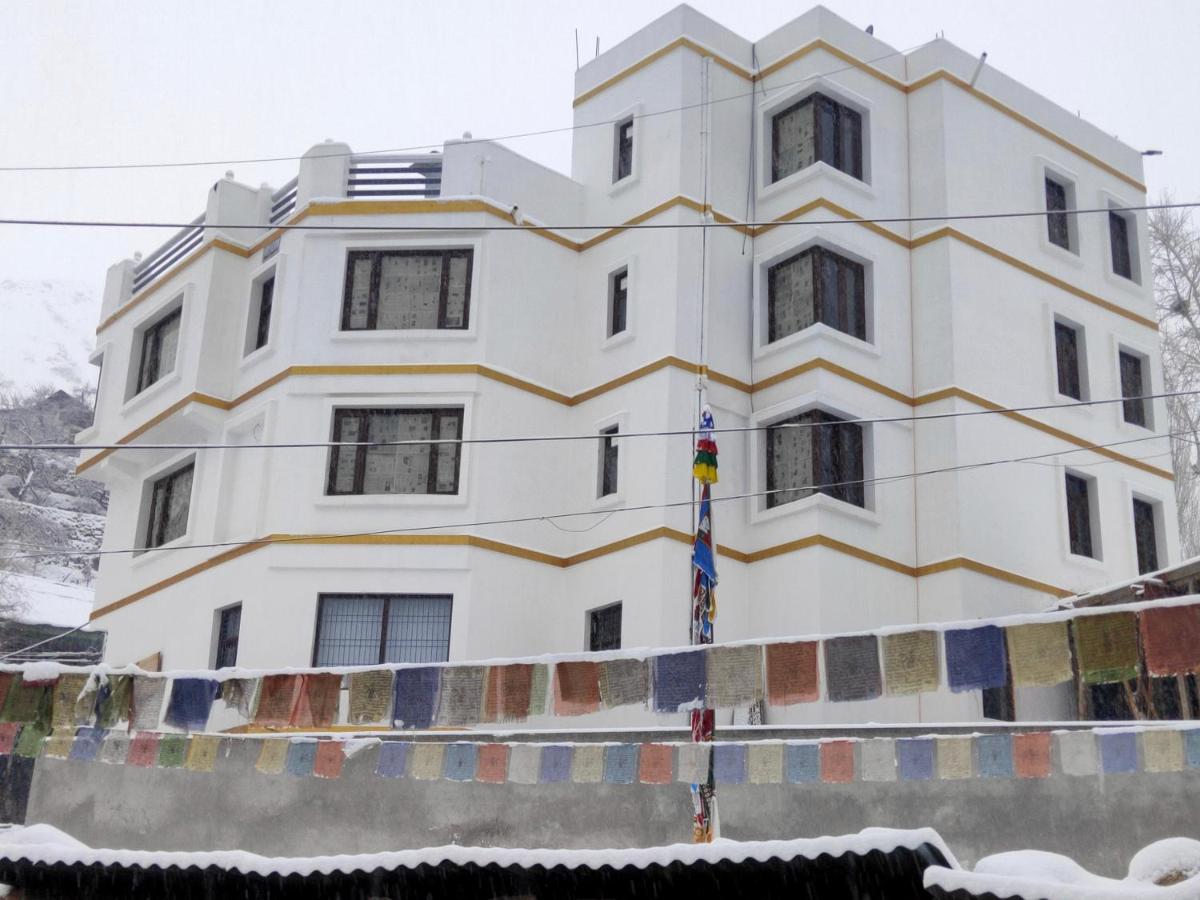
Discover Kargil
One of the most awe-inspiring places to visit in Kargil is the Suru Valley. It is a vast expanse of land that is dotted with small villages and is home to some of the most spectacular scenery in the region. The valley is surrounded by rugged mountain ranges and is known for its lush green meadows, glistening streams, and snow-capped peaks.
Another must-visit place in Kargil is the Drass War Memorial. It is a tribute to the brave soldiers who sacrificed their lives during the Kargil War. The memorial is located on the Srinagar-Leh highway and offers a panoramic view of the surrounding mountains.
Apart from its natural beauty and historical significance, Kargil is also known for its delicious food. The town is famous for its apricots, walnuts, and dried fruits, which are used in a variety of local dishes. Some of the must-try delicacies include goshtaba, rogan josh, and kahwa.
Discover Kargil's Location in Country
Kargil is a district located in the Indian union territory of Ladakh. It is situated in the northernmost part of India and shares its borders with Pakistan and China. The district is spread over an area of 14,086 square kilometers and is surrounded by the Himalayan ranges.
Kargil's location in India is strategically important as it is situated on the line of control between India and Pakistan, making it a sensitive area. The district is located at an altitude of 2,704 meters above sea level and has a population of approximately 140,000 people.
The district is divided into two main regions, namely the Suru Valley and the Dras Valley. The Suru Valley is located in the west of the district and is known for its picturesque landscapes and scenic beauty. The Dras Valley, on the other hand, is located in the east of the district and is known for its extreme climate, being one of the coldest inhabited places in the world.
Kargil is well connected to the rest of India through a network of roads and airways. The nearest airport to Kargil is located in Leh, which is approximately 220 kilometers away. The district is also connected to major cities in India through a network of roads.
Kargil has a rich cultural heritage and is home to several historical and religious sites. The district is known for its unique blend of Tibetan and Islamic cultures. The locals speak Ladakhi, Balti, Urdu, and Hindi.
Discovering the Location of Kargil in India's States
Located in the northernmost region of India, Kargil is a town situated in the Kargil district of the union territory of Ladakh. It is situated at an altitude of 2,676 meters above sea level. The town is located in the western Himalayas and shares its borders with Pakistan and China.
Kargil is a remote town that is accessible by road and air. The nearest airport is the Kushok Bakula Rimpochee Airport, which is located in Leh, around 220 km away from Kargil. The town is also well-connected by road to other major cities in the region.
Kargil is the second-largest town in Ladakh after Leh. The majority of the population in Kargil is Muslim, and the town has a rich cultural heritage that is reflected in its traditional architecture and local cuisine.
Kargil is known for its scenic beauty and is a popular tourist destination. The town is situated on the banks of the Suru River and is surrounded by snow-capped mountains. The region is also home to a number of historic sites, including the Kargil War Memorial and the Drass War Memorial.
Kargil experiences a cold desert climate, with temperatures ranging from -48°C to 30°C. The best time to visit Kargil is from June to September, when the weather is pleasant and the town is accessible by road.
Kargil: Pakistan's Territory or a Disputed Region?
Kargil is a small town located in the northernmost region of India, in the state of Jammu and Kashmir. The town is situated at an altitude of about 2,676 meters, and is known for its scenic beauty and strategic location. However, Kargil has also been at the center of a long-standing dispute between India and Pakistan over its territorial ownership.
At the heart of the conflict is the Line of Control (LoC), which separates the Indian-administered Kashmir from the Pakistan-administered Kashmir. The LoC was established in 1972, following the Simla Agreement between India and Pakistan, and was supposed to be a temporary ceasefire line. However, over the years, the LoC has become a de facto border between the two countries, with both sides laying claim to the entire region.
Kargil came into the limelight in 1999, when Pakistani troops infiltrated the region and occupied strategic positions in the mountains overlooking the highway that connects Srinagar (the capital of Indian-administered Kashmir) with Leh (the capital of Ladakh region). The move was a major provocation by Pakistan, and led to a full-scale war between the two countries.
The conflict, known as the Kargil War, lasted for about three months and resulted in heavy casualties on both sides. The Indian military was eventually able to evict the Pakistani troops from the region, but the incident highlighted the volatile nature of the dispute over Kashmir.
For India, Kargil is an integral part of its territory, and any attempt by Pakistan to interfere in the region is seen as a direct threat to its national security. However, for Pakistan, Kargil is part of the larger issue of Kashmir, and the dispute cannot be resolved without addressing the grievances of the Kashmiri people.
In recent years, there have been some efforts by both India and Pakistan to resolve the Kashmir dispute through dialogue. However, the issue remains unresolved, and the LoC continues to be a source of tension between the two countries.
Discovering Kargil: A Land of Rich History and Culture
Located in the northernmost part of India, Kargil is a beautiful town with a rich history and culture. It is situated in the Kargil district of the Ladakh region in Jammu and Kashmir and is known for its breathtaking landscapes, colorful festivals, and warm hospitality.
The history of Kargil dates back to the 16th century when it was a part of the Baltistan district of Ladakh. The town was an important center for trade as it was situated on the famous Silk Route. It was also a hub for Buddhism and Islam, and the influence of both these religions can be seen in the local culture.
The natural beauty of Kargil is awe-inspiring. The town is surrounded by majestic mountains, glaciers, and rivers. The Suru River flows through the town and adds to its charm. The town is also home to several beautiful lakes, including the famous Pangong Lake, which is a popular tourist destination.
Kargil is also known for its vibrant festivals that are celebrated throughout the year. The most famous festival is the Ladakh Festival, which is held every year in September. The festival showcases the rich culture and traditions of the Ladakh region and attracts tourists from all over the world. Other popular festivals include the Hemis Festival, the Dosmoche Festival, and the Losar Festival.
The people of Kargil are known for their warm hospitality and friendly nature. The town has a mixed population of Buddhists and Muslims, and both communities live in harmony. The local cuisine is also a treat for food lovers. The traditional dishes of Kargil include momos, thukpa, and skyu.
If you are planning a trip to India, a visit to Kargil should
In conclusion, Kargil is a unique locality that has a rich history and culture. The town has faced numerous challenges in the past, from the Kargil War to natural disasters, but has always bounced back with resilience and fortitude. Today, Kargil is a bustling town with a vibrant tourism industry and a growing economy. The people of Kargil are known for their warmth and hospitality, making it an ideal destination for travelers looking to experience the beauty and diversity of India. Despite its remote location, Kargil has a lot to offer and is quickly emerging as a must-visit destination in India.