




Discover Krapina
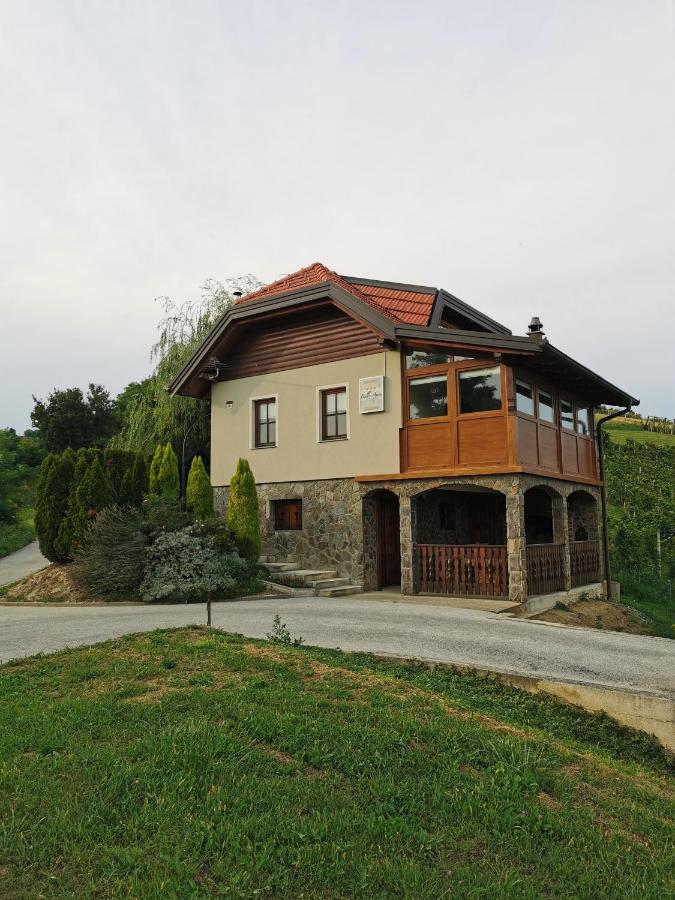
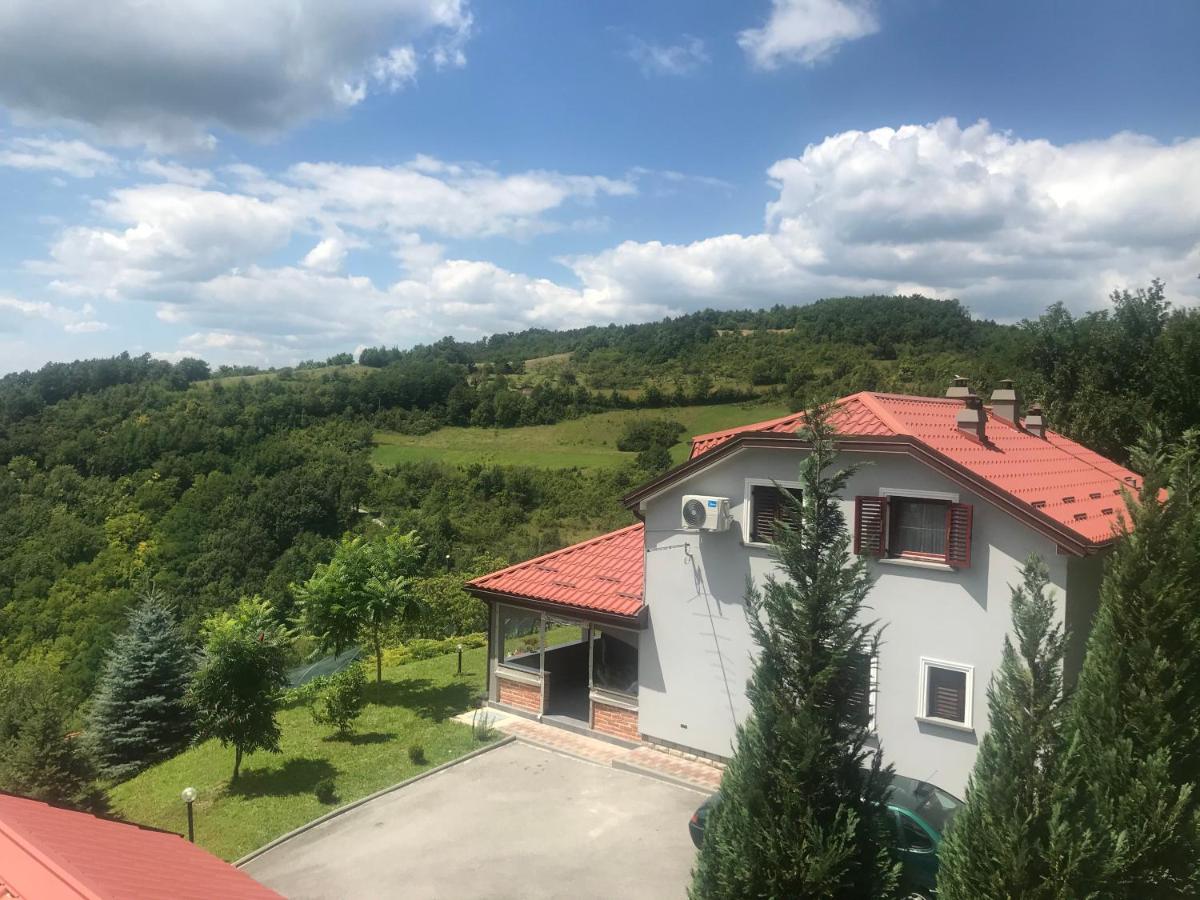
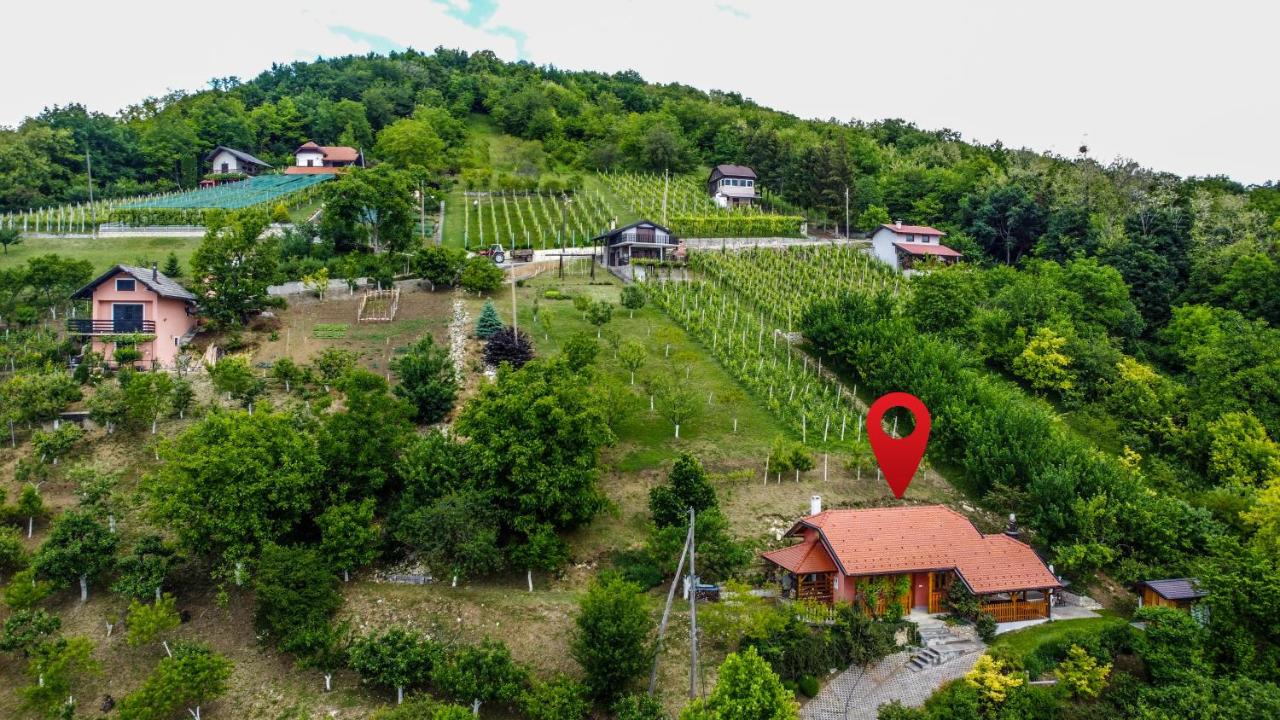
For those who enjoy spending time in nature, Krapina is surrounded by beautiful hills and forests that offer plenty of opportunities for hiking, cycling, and other outdoor activities. The town is also home to several parks and gardens, including the popular Park of Sculptures, which features a collection of contemporary sculptures by local artists.
If you're looking for a taste of traditional Croatian cuisine, Krapina has plenty to offer as well. The town is known for its delicious local dishes, such as roasted duck with mlinci (a type of flatbread), and štrukli (a type of pastry filled with cheese). There are also a number of local wineries in the area that offer tastings and tours.
Discover the Fame of Krapina Cave in Croatia
If you're planning a trip to Croatia, don't miss out on visiting the charming town of Krapina. Located in the northern part of the country, Krapina is known for its rich history, stunning natural surroundings, and most notably, the Krapina Cave.
The Krapina Cave is a paleontological site that was discovered in 1899 by a Croatian paleontologist named Dragutin Gorjanović-Kramberger. The cave is located near the town of Krapina and is known for its extensive collection of fossils belonging to the Neanderthal man.
The cave has been open to the public since 1951 and is one of the most popular tourist destinations in the region. Visitors can explore the cave and learn about the history of the Neanderthal man through a series of exhibits and interactive displays.
The Krapina Cave is also home to the Krapina Neanderthal Museum, which is dedicated to the study of the Neanderthal man. The museum features a collection of original fossils as well as replicas, and visitors can learn about the daily life, tools, and customs of this ancient species.
Aside from the cave, Krapina has plenty of other attractions to offer visitors. The town is home to a number of historic landmarks, including the Krapina Castle and the Church of St. Mary Magdalene. Krapina is also known for its beautiful natural surroundings, which are perfect for hiking and exploring.
Discovering Krapina's Fascinating History
Krapina is a small town located in the heart of Croatia, surrounded by stunning natural beauty and steeped in a rich and fascinating history that is waiting to be discovered.
One of the most significant attractions in Krapina is the Krapina Neanderthal Museum, which tells the story of the Neanderthals who once inhabited the area. The museum features a range of exhibits that explore the lives and culture of these ancient people, including a reconstruction of a Neanderthal cave and numerous artifacts that have been discovered in the surrounding landscape.
Another must-visit attraction in Krapina is the Castle Krapina, a medieval fortress that sits atop a hill overlooking the town. The castle dates back to the 13th century and has been well-preserved over the centuries, providing visitors with a glimpse into the region's turbulent past.
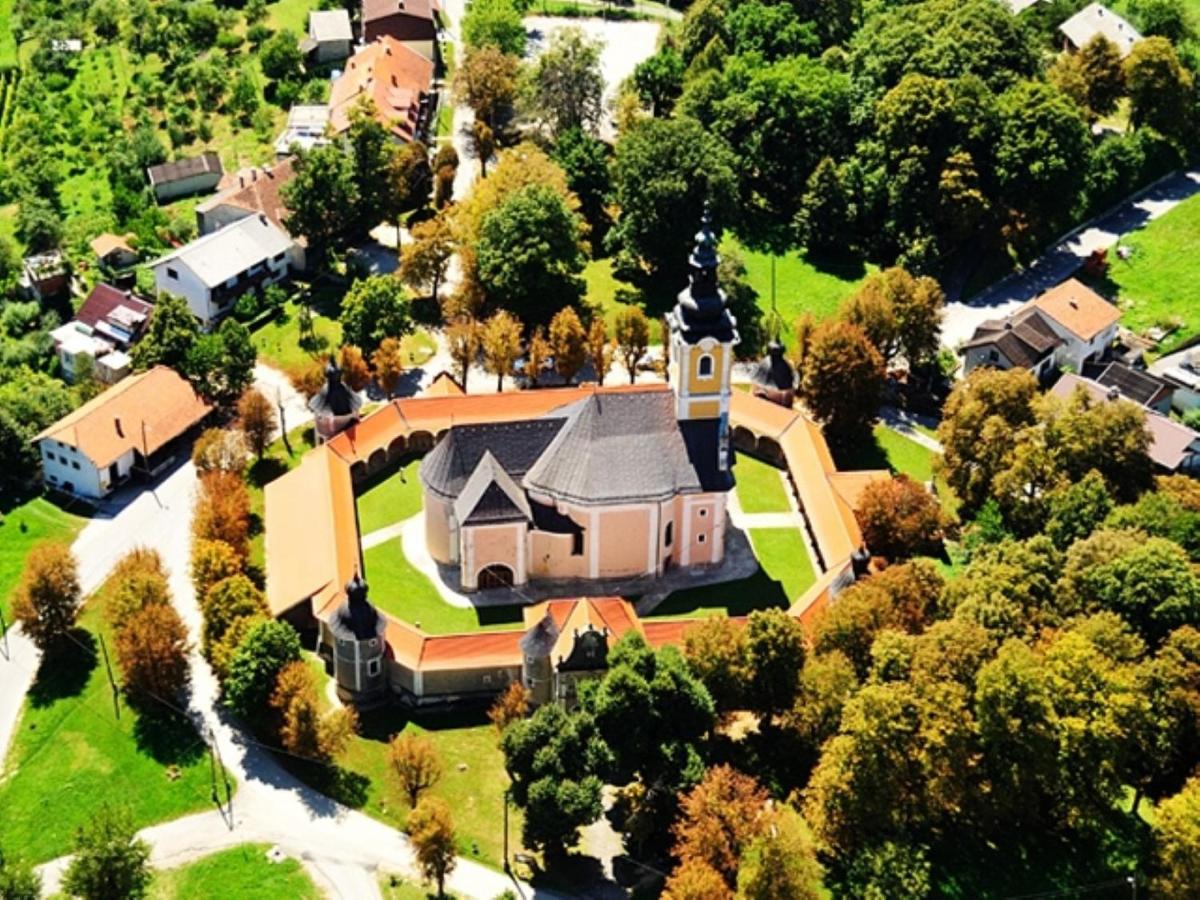
Krapina is also home to a number of beautiful churches and religious buildings, including the Church of St. Mary of Krapina, which dates back to the 16th century and boasts a stunning Baroque-style interior. Other notable religious sites include the Church of St. Catherine and the Franciscan Monastery of St. Anthony of Padua, both of which offer visitors a chance to explore the area's spiritual heritage.
Visitors to Krapina can also explore the surrounding countryside and experience some of Croatia's most breathtaking natural scenery. The town is located near the Medvednica Nature Park, which features an expansive network of hiking trails, waterfalls, and forests that are home to a variety of wildlife and plant species.
Discovering the People of Krapina in Stone Age
Krapina is a locality in the northern region of Croatia, known for its rich history and cultural heritage. Recently, archaeologists have discovered fascinating evidence of human life in the Stone Age that sheds light on the people who lived in Krapina thousands of years ago.
The discovery was made in a cave in Krapina, where over 900 bones belonging to Neanderthals were found. These bones are believed to be around 130,000 years old and have provided valuable insight into the physical characteristics and behavior of the Neanderthals who lived in this region.
The bones were discovered by Croatian archaeologist Dragutin Gorjanović-Kramberger in 1899, and since then, there have been numerous excavations that have uncovered more artifacts from the Stone Age. Some of the most significant findings include stone tools, animal remains, and evidence of fire pits.
These discoveries have helped researchers understand the daily lives of the people who lived in Krapina during the Stone Age. They were hunter-gatherers who relied on the surrounding environment for their survival. They used stone tools to hunt animals and prepare food, and they likely lived in small family groups.
The discoveries at Krapina have also shed light on the physical characteristics of the Neanderthals who lived in this region. They were shorter and stockier than modern humans and had a larger brain capacity. They also had a different dental structure, which suggests they had a different diet than modern humans.
The discoveries at Krapina have provided invaluable information about the people who lived in this region thousands of years ago. They have helped researchers understand the evolution of human behavior and culture and have given us a glimpse into our past.
Discovering Evidence of Practices at Krapina Cave
Krapina Cave, located in northern Croatia, has been a site of ongoing archaeological research for over a century. The cave has yielded an abundance of evidence about the lives and practices of early human inhabitants of the region, including the Neanderthals.
One of the most significant discoveries at Krapina Cave is the evidence of cannibalism among the Neanderthals who lived there around 120,000 years ago. Researchers have found numerous bones with cut marks and signs of being smashed open to extract marrow, indicating that the Neanderthals were consuming each other as a source of food.
Another important discovery at the site is evidence of tool-making and other cultural practices. Neanderthals at Krapina Cave were skilled at flint-knapping, the process of shaping flint into tools such as knives and scrapers. They also created jewelry from animal teeth and bones, and engraved patterns onto shells.
The cave has also yielded evidence about the environment and climate of the region during the time of the Neanderthals. Pollen and other plant remains found in the cave indicate that the area was a mixed forest with a variety of plant species. Analysis of the sediment layers in the cave has also revealed information about changes in climate and sea level over time.
Today, visitors to Krapina Cave can explore the site and learn about the fascinating history of the Neanderthals who once called it home. The cave is also a UNESCO World Heritage site, recognized for its importance in understanding human evolution and prehistory.
In conclusion, Krapina is an exceptional locality in Croatia that is rich in history, culture, and natural beauty. The town is home to some of the most significant archaeological sites in Europe, attracting visitors from all over the world. Visitors can explore the Krapina Neanderthal Museum, which is dedicated to the discovery of Neanderthal remains, or take a stroll through the town's charming streets and admire the stunning architecture. With its abundant natural beauty, cultural heritage, and warm hospitality, Krapina is a must-visit destination in Croatia for those seeking an authentic and unforgettable experience.