






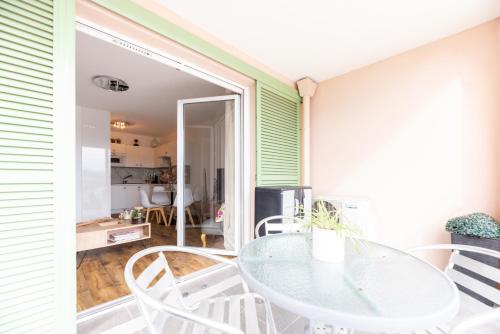
Discover LʼÎle-Rousse
The town is also home to a bustling marketplace, where YOU can find a wide range of local products, including fresh seafood, fruits, and vegetables. The market takes place every morning, and it is a great place to experience the local culture and interact with the friendly locals.
For those interested in history, LʼÎle-Rousse has plenty of sites to visit, such as the 18th-century Genoese Tower, which offers stunning views of the surrounding area. There is also the Church of Our Lady of Mercy, which dates back to the 19th century and is a true masterpiece of architecture.
Finally, LʼÎle-Rousse is surrounded by stunning natural landscapes, such as the Balagne region, which is known for its olive groves and picturesque villages. WE highly recommend taking a drive through this region to fully appreciate its beauty.
Is Corsica French or Italian? Exploring the Island's Identity
Is Corsica French or Italian? This is a question that has been debated for centuries due to the island's complex history and cultural diversity. Corsica is a French territory that is located in the Mediterranean Sea, closer to Italy than to France. The island has been ruled by various empires and nations throughout its history, including the Greeks, Romans, Genoese, and French.
The island's identity is a blend of French, Italian, and Corsican influences. The Corsican language, which is closely related to Italian, is still spoken by many locals, and the island's cuisine features Italian-inspired dishes such as pasta and pizza. However, Corsica is also known for its unique cultural traditions, such as its traditional polyphonic singing and its festivals celebrating the island's history and heritage.
Exploring the Island's Identity in LʼÎle-Rousse
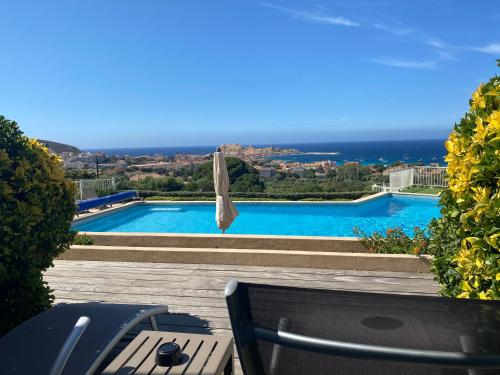
LʼÎle-Rousse is a town located on the northwest coast of Corsica, known for its picturesque beaches and red granite cliffs. The town has a rich history that reflects the island's cultural diversity.
During the 18th century, LʼÎle-Rousse was a Genoese trading post, and the town still features many Genoese-style buildings and architecture. However, the town was also a center of Corsican resistance during the 18th and 19th centuries, and it was here that Pasquale Paoli, a Corsican revolutionary leader, established the short-lived independent Republic of Corsica in 1758.
Today, LʼÎle-Rousse is a popular tourist destination that attracts visitors from all over the world. The town's cultural heritage is celebrated through its many festivals and events, such as the Fiera di u Vinu, a wine festival that showcases the island's wine-making traditions, and the Festa di a Nazione, a celebration of Corsican national identity.
Corsica French Name: Discover What it's Called!
Located in the northern part of Corsica, LʼÎle-Rousse is a beautiful locality in France that attracts tourists from all over the world. But have you ever wondered why it's called LʼÎle-Rousse? In this article, we'll explore the meaning behind the Corsica French Name.
LʼÎle-Rousse literally translates to "The Red Island" in English. The name comes from the red porphyry rocks that can be found in the area. These rocks give the town a unique and striking appearance, especially when they catch the light at sunset.
The town was originally founded in the 18th century by Pasquale Paoli, a Corsican political leader. It was named LʼÎle-Rousse in 1848, replacing its previous name, Isola Rossa. Today, LʼÎle-Rousse is a popular tourist destination known for its beautiful beaches, historic architecture, and stunning natural scenery.
If you're planning a trip to LʼÎle-Rousse, make sure to take some time to explore the town and learn more about its history and culture. Whether you're interested in relaxing on the beach, hiking in the mountains, or exploring historic landmarks, LʼÎle-Rousse has something for everyone.
Discover the Corsican Language: History and Usage
If you're planning a trip to the LʼÎle-Rousse locality in France, you may be interested in learning about the Corsican language. Corsican is an officially recognized language in France and is spoken by around 350,000 people, primarily on the island of Corsica.
The history of the Corsican language dates back to the 13th century when it began to develop as a distinct language from Italian. Over the centuries, Corsican has been influenced by various languages including French, Genoese, and Tuscan.
Today, Corsican is classified as a Romance language and has two main dialects: the northern dialect and the southern dialect. The northern dialect is the most widely spoken and is the variety that is taught in schools.
One of the unique features of the Corsican language is its use of apostrophes. These are used to mark the elision of certain letters in words, giving the language a distinctive sound.
While Corsican is not widely spoken outside of Corsica, it is an important part of the island's culture and history. Corsican is used in literature, music, and theater, and there are even Corsican-language newspapers and television programs.
If you're interested in learning more about the Corsican language, there are many resources available. The University of Corsica offers courses in Corsican, and there are also language schools and online courses available.
Whether you're a language enthusiast or simply interested in the culture of Corsica, learning about the Corsican language can enhance your experience of the island and its people. So why not take the time to discover this unique and fascinating language?
Discovering Corsica: Its Top Attractions & Traditions.
If you're planning a trip to France, be sure to include a stop in LʼÎle-Rousse, a beautiful locality located on the island of Corsica. Corsica is known for its stunning beaches, rugged mountains, and rich culture. In this article, we'll explore some of the top attractions and traditions that you can experience in LʼÎle-Rousse and the surrounding areas.
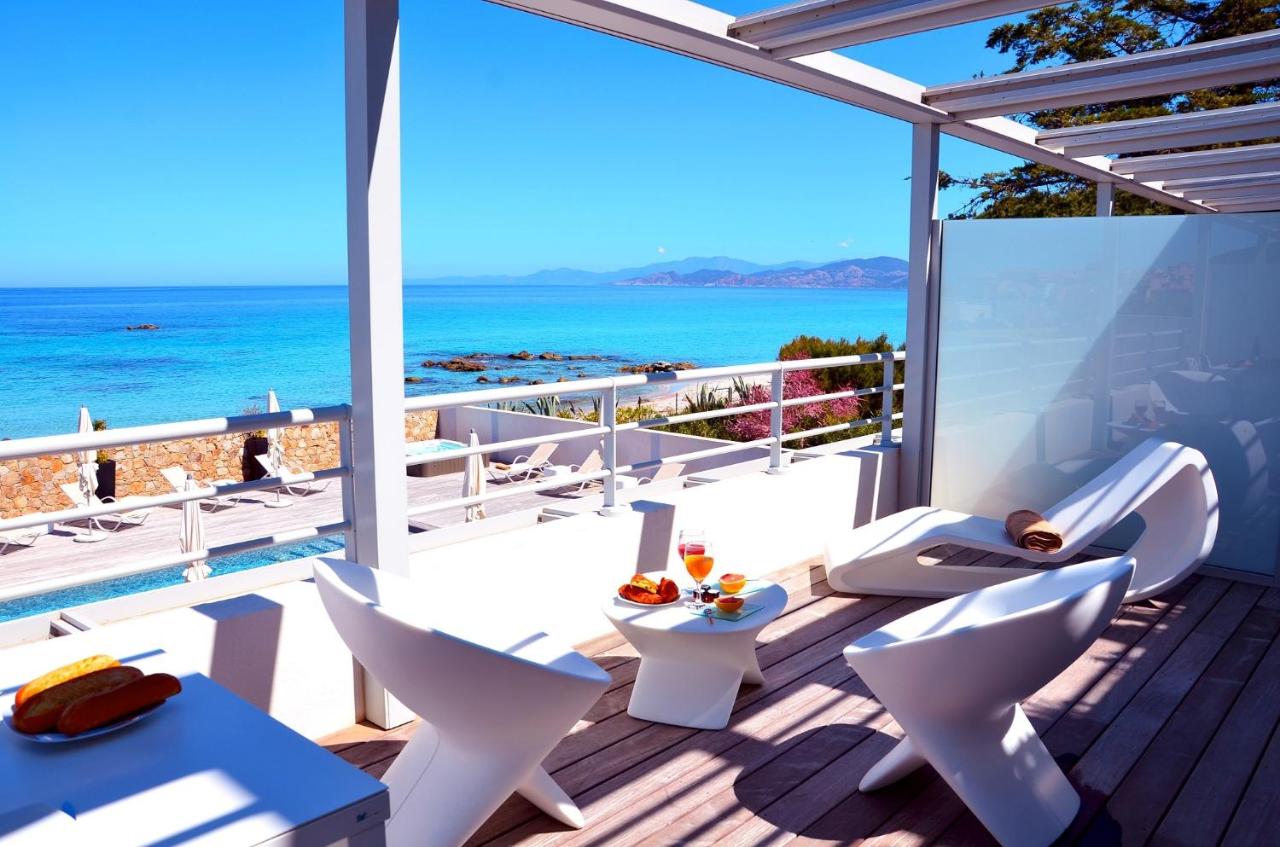
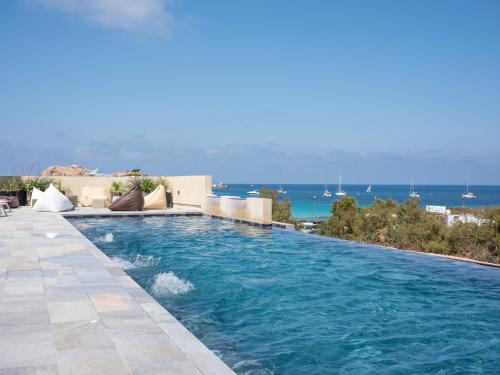
Beaches: One of the main draws of LʼÎle-Rousse is its beautiful beaches. The Plage de l'Ostriconi and the Plage de Bodri are two of the most popular beaches in the area, and both offer crystal-clear waters and gorgeous scenery.
Old Town: LʼÎle-Rousse's old town is a charming area filled with narrow streets, colorful buildings, and a bustling market square. Be sure to visit the Place Paoli, which is the heart of the old town and a great place to grab a coffee or a meal.
Lighthouse: The Lighthouse of LʼÎle-Rousse is a historic landmark that offers stunning views of the town and the surrounding sea. It's a bit of a climb to the top, but the views are well worth it.
Wine Tasting: Corsica is known for its wine, and there are many vineyards in the area that offer tastings and tours. Be sure to try the local specialty, Muscat wine, which is sweet and refreshing.
Local Cuisine: Corsican cuisine is a mix of Italian and French influences, and there are many delicious dishes to try in LʼÎle-Rousse. Be sure to try the local charcuterie, which includes cured meats like coppa and lonzu.
Music and Dance: Corsican music is a unique blend of traditional and modern styles, and there are often live performances in LʼÎle-Rousse. The island is also known for its traditional polyphonic singing, which is a UNESCO World Heritage Site.
LʼÎle-Rousse is a beautiful locality that offers a wide variety of attractions and traditions to explore. Whether you're interested in relaxing on the beach, trying local cuisine, or immersing yourself in Corsican culture, there's something for everyone in this charming town. Be sure to add it to your itinerary the next time you're in France!
In conclusion, LʼÎle-Rousse is a charming and picturesque locality that offers visitors a taste of authentic Corsican culture. With its stunning beaches, bustling markets, and rich history, it is the perfect destination for those seeking a relaxing holiday with a touch of adventure. Whether you are looking to soak up the sun or explore the rugged island landscapes, LʼÎle-Rousse has something for everyone. So why not pack your bags and head to this idyllic corner of France for a truly unforgettable experience?