

Discover Lamu
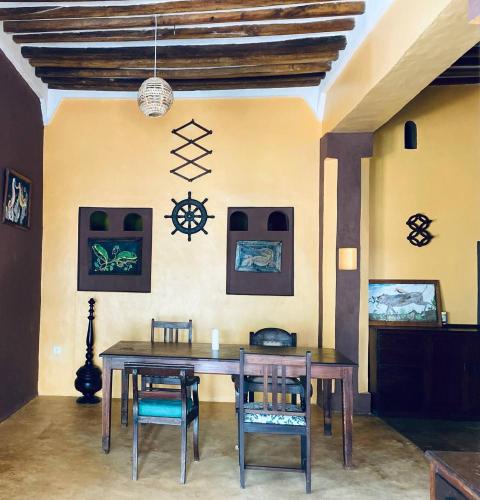
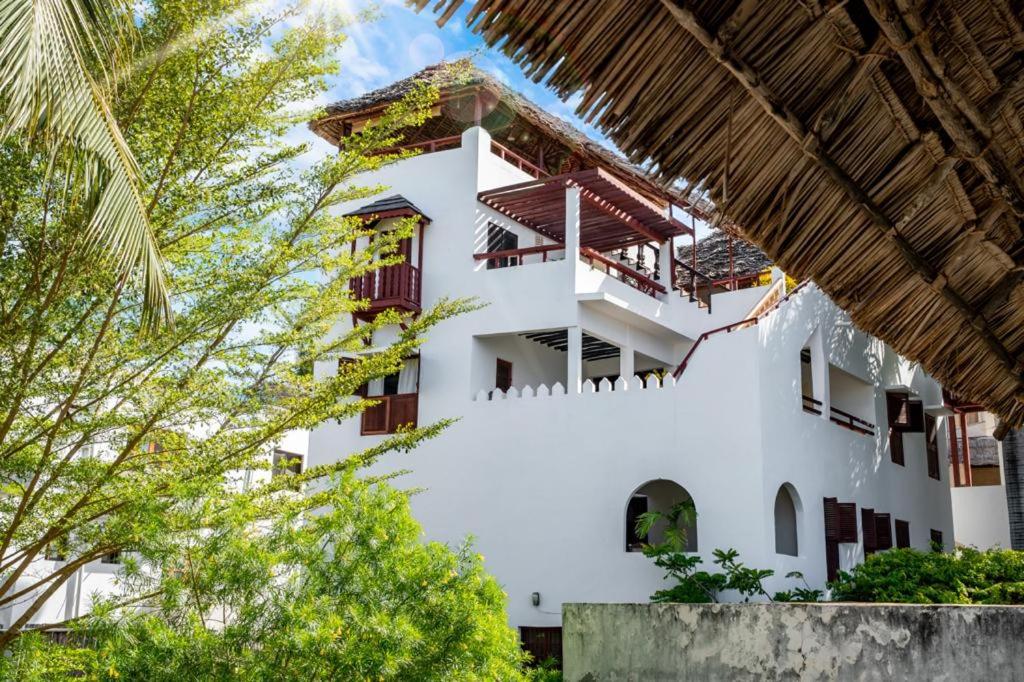
In addition to its natural beauty, Lamu is also known for its stunning architecture. The island is home to a number of historic buildings that showcase the unique blend of African, Arab, and European influences that make up the Swahili culture. Some of the must-see landmarks include the Lamu Fort, the Lamu Museum, and the Riyadha Mosque.
Finally, no trip to Lamu would be complete without experiencing the island's vibrant cultural traditions. From the colorful street festivals to the lively music and dance performances, there's always something happening on the island. You'll have the opportunity to learn about the local customs and traditions firsthand and get a sense of what life is like for the people who call Lamu home.
Discovering Lamu: A Guide to its Iconic Attractions.
Lamu is a small island located off the coast of Kenya, known for its rich cultural heritage and pristine beaches. It is one of the oldest and best-preserved Swahili settlements in East Africa, and has been declared a UNESCO World Heritage Site.
The island is home to a variety of iconic attractions that are worth discovering.
Lamu Old Town is the heart of the island, and is a maze of narrow streets and alleyways that are lined with traditional Swahili houses. Visitors can explore the town on foot or by donkey, and can admire the intricate woodcarvings and ornate doors that are a hallmark of Swahili architecture. The town also has a number of historic sites, including the Lamu Fort and the Swahili House Museum.
Shela Beach is one of the most beautiful beaches on the island, and is a great place to relax and soak up the sun. The beach is lined with palm trees and has crystal-clear waters that are perfect for swimming and snorkeling. Visitors can also take a dhow ride along the coast and enjoy a seafood lunch on board.
Manda Island is another popular destination on Lamu, and is home to the ruins of Takwa, an ancient Swahili city. Visitors can explore the ruins on foot, and can see the remains of mosques, houses, and tombs that date back to the 15th century. Manda Island also has a beautiful beach and is a great place to watch the sunset.
Lamu Museum is a must-visit for anyone interested in the island's history and culture. The museum has a collection of artifacts that showcase Lamu's Swahili heritage, including traditional clothing, jewelry, and furniture. Visitors can also learn about the island's role in the slave trade and its connections to other Swahili settlements along the coast.
Lamu Cultural Festival is an annual celebration of the island's culture and traditions, and is a great time to visit. The festival includes traditional dances, music, and food, as well as a dhow race and a donkey race. Visitors can also see demonstrations of traditional crafts, such as woodcarving and basket weaving.
What Ethnicity is Lamu, Kenya? Discover its Cultural Roots
Lamu, Kenya: The Cultural Roots of an Ethnicity
Lamu is a small island located off the coast of Kenya, known for its rich cultural heritage. The Lamu Archipelago consists of several islands, with Lamu Island being the largest and most populous. The people of Lamu are predominantly Muslim, with a significant portion of the population being of Swahili ethnicity.
The Swahili people are a blend of Arab, African, and Indian cultures, with their unique language and customs. The Swahili language is a mixture of Arabic and Bantu languages, and it is the main language spoken in Lamu. The Swahili people are known for their love of music, poetry, and dance, with Taarab music being a popular genre in Lamu.
The majority of the Lamu population is Muslim, and the island is home to several mosques and Islamic schools. The Lamu Old Town is a UNESCO World Heritage Site, with several well-preserved buildings and mosques that date back to the 18th and 19th centuries. The Swahili people have a rich history of trade, and Lamu was an important trading port in the Indian Ocean, with connections to Arabia, Persia, India, and China.
The people of Lamu have a unique cuisine that is a blend of Swahili, Indian, and Arabic influences. Seafood is a staple in their diet, with fish, prawns, and crabs being the most popular dishes. The Swahili people also have a love for spices, with cinnamon, cardamom, and cloves being commonly used in their dishes.
Lamu is known for its colorful festivals, which are a blend of Swahili, Arab, and Indian cultures. The most popular festival in Lamu is the Lamu Cultural Festival, which takes place annually in November. The festival celebrates the Swahili culture, with traditional music, dance, and food being the main attractions.
What Language is Spoken in Lamu?
Lamu is a locality located on the northeastern coast of Kenya, in the Lamu Archipelago. It is a small island town and is considered one of the oldest and best-preserved Swahili settlements in East Africa. The population of Lamu is predominantly Muslim, and the town is known for its beautiful beaches, historical architecture, and traditional dhow sailing boats.
Swahili is the main language spoken in Lamu. It is considered the lingua franca of East Africa and is spoken by around 150 million people. Swahili is a Bantu language that has been heavily influenced by Arabic due to centuries of trade between East Africa and the Middle East. It is also heavily influenced by Portuguese, English, and German due to colonialism in the region.
Swahili is the official language of Kenya and Tanzania, and it is also spoken in Uganda, Rwanda, Burundi, and the Democratic Republic of Congo. In Lamu, Swahili is spoken as the first language, followed by English, which is used for official purposes and education. Arabic is also spoken by some members of the community, particularly the older generation who were educated in Quranic schools.
In addition to Swahili, Lamu has a diverse mix of ethnic groups who speak their own languages. These include the Bajuni, Orma, and Pokomo communities. However, the majority of people living in Lamu are Swahili speakers, and it is the language that brings the community together.
Lamu's Poverty Rate: Facts and Figures
Lamu is a small locality located in the coastal region of Kenya. Although it is a popular tourist destination, the poverty rate in Lamu is quite high. According to a report by the Kenya National Bureau of Statistics, Lamu's poverty rate stands at 67.1%.
This means that more than two-thirds of the population in Lamu live below the poverty line. The poverty line is defined as the minimum amount of income needed to meet basic needs such as food, shelter, and clothing.
The high poverty rate in Lamu is mainly attributed to the lack of employment opportunities. The majority of the population in Lamu rely on fishing and small-scale agriculture for their livelihoods. However, these activities are not sufficient to provide a decent income and many families struggle to make ends meet.
Another factor contributing to the high poverty rate in Lamu is the lack of access to basic services. Many households in Lamu do not have access to clean water, electricity, and proper sanitation facilities. This makes it difficult for families to maintain good health and hygiene, which can further exacerbate their poverty situation.
The government of Kenya has recognized the need to address poverty in Lamu and has implemented several initiatives aimed at improving the economic situation in the area. These initiatives include the construction of a new port and the development of the Lamu Port-South Sudan-Ethiopia Transport (LAPSSET) corridor, which is expected to create new employment opportunities and improve infrastructure in the area.
However, more needs to be done to reduce poverty in Lamu. This includes investing in education and training programs that can equip the local population with the skills needed to access better-paying jobs. It also means improving access to basic services such as healthcare and clean water, which can have a significant impact on the health and well-being of the local population.
In conclusion, Lamu is a unique and culturally rich locality in Kenya that offers a blend of history, nature, and tradition. Its narrow alleys, coral buildings, and traditional Swahili architecture provide a glimpse into the past, while its pristine beaches, turquoise waters, and marine wildlife offer an unforgettable experience. Lamu's people are welcoming and hospitable, and their customs and festivals are a celebration of their heritage. From exploring the old town to sailing on a dhow, Lamu is a destination that should be on every traveler's list. It is a place where time slows down, and one can immerse themselves in the beauty and tranquility of Africa's eastern coastline.