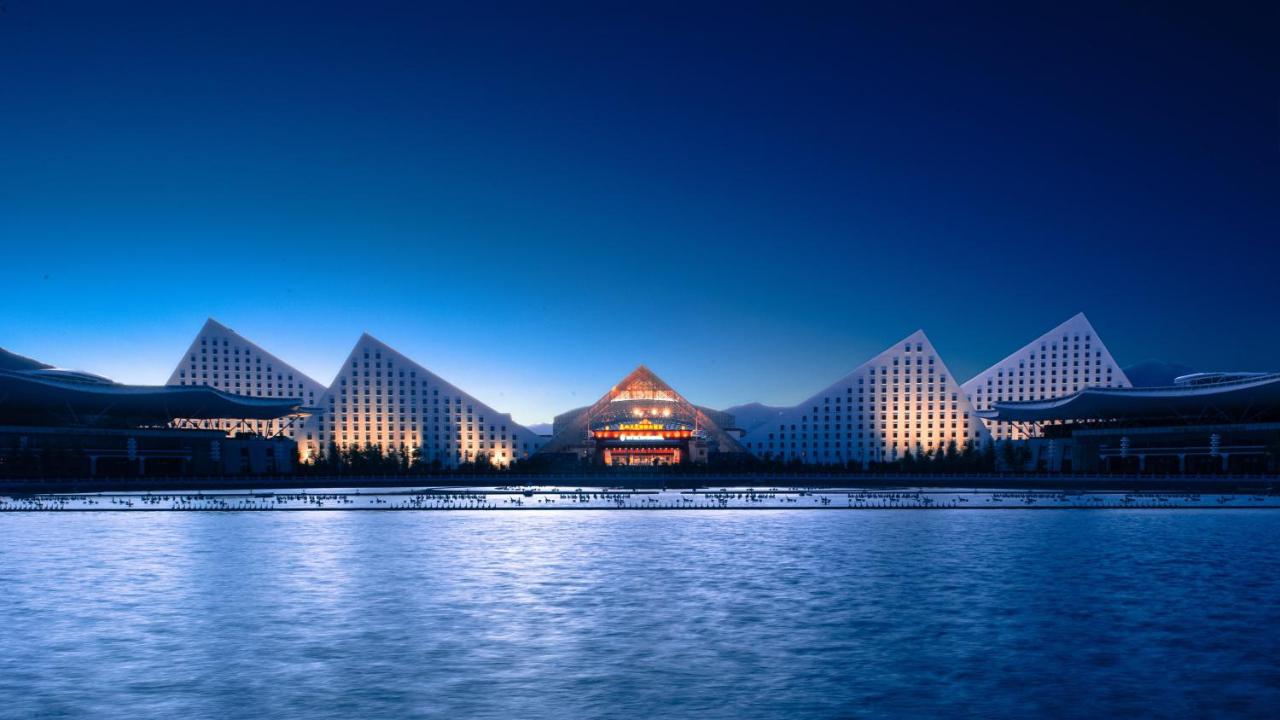


Discover Lhasa
Another must-see attraction in Lhasa is the Jokhang Temple, which is considered the most important religious site in Tibet. The temple is a stunning example of traditional Tibetan architecture, with colorful prayer flags fluttering in the breeze and intricate murals adorning the walls. Thousands of pilgrims flock to the temple each year to pay their respects and offer prayers.
Of course, there's more to Lhasa than just its temples and landmarks. The city is also a hub for traditional Tibetan culture, with vibrant markets selling everything from handmade textiles to intricate jewelry. The local cuisine is also a must-try, with delicious dishes like momos (steamed dumplings) and thukpa (noodle soup) on offer at many of the city's restaurants.
Discovering Lhasa: The Location in China
Lhasa, the capital city of Tibet, is a unique and fascinating destination that attracts travelers from all over the world. Located in the southwestern part of China, Lhasa is situated at an altitude of 3,650 meters above sea level, making it one of the highest cities in the world. Its location in the Himalayan Mountains gives it a breathtakingly beautiful natural setting, with snow-capped peaks and crystal-clear lakes.
The city of Lhasa has a rich history and culture, dating back more than 1,300 years. It was once the seat of the Dalai Lama, the spiritual leader of Tibetan Buddhism, and is home to some of the most important religious sites in the region. The most iconic of these is the Potala Palace, a massive fortress-like structure that towers over the city and is a UNESCO World Heritage Site.
Today, Lhasa is a modern city that has undergone significant development in recent years. It has a population of over 500,000 people, and is a major center of commerce, tourism, and education in the region. Despite its modernization, however, Lhasa has managed to preserve much of its traditional culture and way of life.
One of the best ways to experience the city is by exploring its ancient streets and alleys, which are lined with traditional Tibetan-style buildings. Visitors can also sample local cuisine, which includes dishes such as yak meat and momos (dumplings filled with meat or vegetables). For those interested in Tibetan Buddhism, there are numerous monasteries and temples to visit, including the Jokhang Temple, which is considered the holiest site in Tibetan Buddhism.
Lhasa: Is it in Tibet or China?
Lhasa is a city located in the Tibet Autonomous Region of China. It is the administrative capital of the region and has been an important cultural and religious center for more than a thousand years.
The city is situated on the banks of the Lhasa River and is surrounded by mountains, making it a picturesque location. Its altitude of 3,650 meters above sea level makes it one of the highest cities in the world.
Lhasa is known for its rich Tibetan culture and heritage. The city is home to several important landmarks, including the Potala Palace, Jokhang Temple, and Norbulingka Palace. These landmarks are not only important cultural sites but also attract a large number of tourists from around the world.
While Lhasa is located in China, the region's political status is controversial. Tibetans and other supporters of Tibetan independence argue that Tibet is a separate country and not a part of China. However, the Chinese government maintains that Tibet is an integral part of China.
Despite the political controversy, Lhasa remains an important locality in China. Its unique culture and heritage make it a popular tourist destination, and its strategic location on the Tibetan plateau makes it an important hub for trade and commerce.
Why Lhasa Is the Forbidden City: Uncovering the Mysteries
Lhasa, the capital city of Tibet located in China, is often referred to as the "Forbidden City." This name has been given to Lhasa due to its mysterious and secretive nature. There are several reasons why Lhasa is considered a forbidden city, and this article aims to uncover the mysteries surrounding this unique locality.
One of the main reasons why Lhasa is a forbidden city is because of its political significance. Tibet has a long and complicated history with China, and Lhasa has been at the center of many political disputes. In 1950, China invaded Tibet and took control of the region, including Lhasa. Since then, the Chinese government has implemented strict controls over the city and its people. This has led to a situation where Lhasa is heavily monitored, and foreigners are only allowed to visit with a special permit.
Another reason why Lhasa is considered a forbidden city is because of its cultural and religious importance. Lhasa is the spiritual center of Tibetan Buddhism, and it is home to many important religious sites, including the Potala Palace, which was once the seat of the Dalai Lama. The Chinese government has been accused of trying to suppress Tibetan culture and religion, and this has led to restrictions on travel and access to these important sites.
Lhasa is also considered a forbidden city due to its remote location and difficult terrain. Lhasa is located in the Himalayan mountains, and it is one of the highest cities in the world. The city is surrounded by rugged terrain, which makes it difficult to reach. This has helped to create a sense of isolation and mystery around Lhasa, which has contributed to its forbidden status.
Discovering the Fascinating History of Lhasa
Located in the Tibet Autonomous Region of China, Lhasa is a city steeped in history and culture. Known as the "Land of the Gods," Lhasa is home to numerous temples, palaces, and monasteries that have survived for centuries. The city's history dates back to the 7th century, when King Songtsen Gampo established his capital here. Since then, Lhasa has been the center of political and religious power in Tibet.
One of the most famous landmarks in Lhasa is the Potala Palace, which was built in the 17th century by the Fifth Dalai Lama. The palace served as the winter residence of the Dalai Lama until the 14th Dalai Lama fled to India in 1959. Today, the Potala Palace is a UNESCO World Heritage Site and a popular tourist attraction.
Another notable attraction in Lhasa is the Jokhang Temple, which was built in the 7th century by King Songtsen Gampo. The temple is considered one of the most sacred sites in Tibet and is a popular pilgrimage destination for Buddhists. The temple houses a statue of the Buddha that is said to have been brought to Tibet by Princess Wencheng, a Chinese princess who married King Songtsen Gampo.
Lhasa is also home to numerous monasteries, including the Sera Monastery and the Drepung Monastery. Both monasteries were founded in the 15th century and are known for their stunning architecture and vibrant religious ceremonies.
Despite its rich history, Lhasa has faced numerous challenges over the years. In the mid-20th century, the Chinese government annexed Tibet and began a campaign to suppress Tibetan culture and religion. Many Tibetans were imprisoned or killed during this period, and the Potala Palace and other cultural landmarks were damaged or destroyed.
Today, Lhasa remains a center of Tibetan culture and spirituality. Visitors can explore the city's many temples and monasteries, learn about its history and traditions, and experience the unique blend of Chinese and Tibetan culture that defines this fascinating city.
If you're interested in history and culture, a trip to Lhasa is a must-see. With its stunning architecture, rich traditions, and unique blend of Chinese and Tibetan culture, Lhasa is a city unlike any other.
In conclusion, Lhasa is an enchanting and mystical destination that is well worth a visit. From its stunning natural landscapes to its rich cultural heritage and ancient traditions, there is something for everyone in this unique part of China. Whether you are interested in exploring the city's many temples and monasteries, or simply want to take in the breathtaking views of the Himalayan Mountains, Lhasa has it all. So why not plan your next adventure to this fascinating part of the world and discover all that Lhasa has to offer?