
Discover Lipa
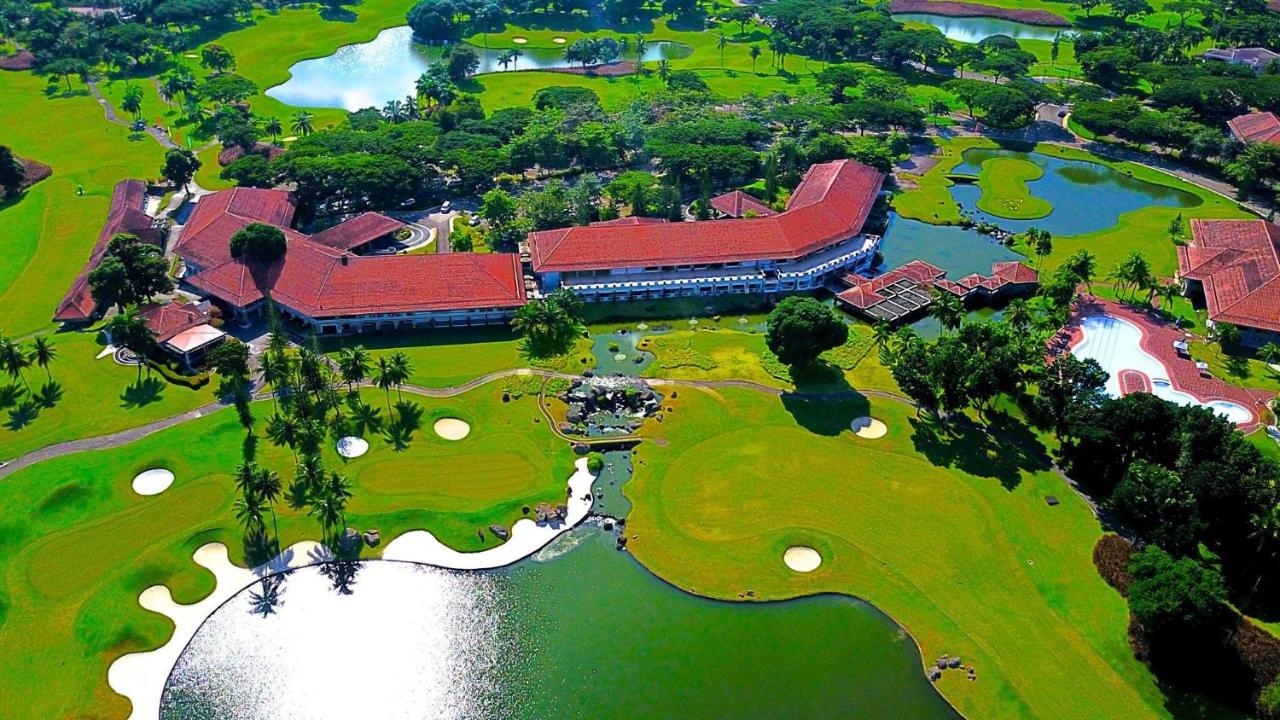
For those who love nature, Lipa has plenty of options. You can visit the Mt. Malarayat Golf and Country Club, which offers stunning views of the mountains and has a variety of activities such as golf, swimming, and hiking. There is also the Fernando Airbase Lake, where you can rent a boat and enjoy the peaceful surroundings.
Finally, if you're looking for some delicious food, Lipa has plenty to offer. It's known for its crispy pata, a Filipino dish made of deep-fried pork leg, and its bulalo, a beef soup that's perfect for chilly nights. You can also try some of the local delicacies such as the bibingka, a rice cake that's cooked in a clay pot.
Is Lipa in Manila? Exploring the Geographical Relationship
Lipa is a locality located in the Batangas province of the Philippines country. It is not in Manila, which is the capital city of the Philippines.
Geographically, Lipa is located about 73 kilometers south of Manila. It is accessible by land transportation, and the estimated travel time from Manila to Lipa is around 2 hours, depending on the traffic condition.
Lipa is known for its rich cultural heritage, natural attractions, and agricultural products. It is also a popular destination for pilgrims due to its many churches and religious sites.
Lipa City Region: Exploring the Heart of Batangas
Lipa City is a first-class city located in the province of Batangas, Philippines. It is known for its rich culture, scenic views, and tourist attractions that cater to all types of travelers.
One of the most popular destinations in Lipa is the San Sebastian Cathedral, a 17th-century church that features a unique blend of Baroque and Neoclassical architecture. The church is also home to the largest church bell in Asia, which weighs around 7,000 kilograms.
Another must-visit attraction in Lipa is the Museo de Lipa, which showcases the city's history and culture through various exhibits and artifacts. The museum is housed in a beautifully restored ancestral house that dates back to the Spanish colonial period.
For nature lovers, the Mount Malarayat Range is a must-visit destination in Lipa. It is a popular spot for hiking and trekking, offering stunning views of the surrounding landscape.
Lipa is also known for its coffee industry, with various coffee shops and plantations offering a taste of the city's famous Kapeng Barako (Barako coffee). Visitors can also learn about the coffee-making process and purchase freshly roasted beans as souvenirs.
Lipa Batangas: North or South Luzon?
Lipa is a city in the province of Batangas, located on the island of Luzon in the Philippines. Luzon is the largest and most populous island in the country, and is divided into four geographical regions: Northern Luzon, Central Luzon, CALABARZON, and MIMAROPA. So, which region does Lipa belong to?
Lipa is located in the CALABARZON region, which stands for Cavite, Laguna, Batangas, Rizal, and Quezon. This region is located in the southern part of Luzon, and is known for its proximity to Metro Manila, as well as its beautiful beaches, tourist destinations, and historical landmarks.
Lipa is situated about 78 kilometers south of Metro Manila, making it a popular destination for weekend trips and short vacations. The city is known for its cool climate, scenic views, and rich cultural heritage. Lipa is home to several notable landmarks, including the San Sebastian Cathedral, the Lipa City Public Market, and the Mabini Shrine.
The city is also known for its coffee industry, with several coffee farms and plantations located in and around Lipa. Lipa City is often referred to as the "coffee capital of the Philippines," and is famous for its Barako coffee, which is known for its strong flavor and aroma.
Living in Lipa: Discover the Pros and Cons
Living in Lipa: Discover the Pros and Cons
Lipa is a city located in the province of Batangas in the Philippines. It is known as the "Coffee Capital of the Philippines" due to its numerous coffee farms and plantations. Living in Lipa has its own advantages and disadvantages, and here are some of them:
1. Affordable cost of living - Compared to other cities in the Philippines, Lipa has a relatively low cost of living. Housing, food, and transportation are all affordable.
2. Beautiful natural attractions - Lipa is surrounded by lush greenery and mountains, making it an ideal place for nature lovers. There are numerous hiking trails and waterfalls to explore.
3. Good education system - Lipa has a number of reputable schools and universities, making it an ideal place for families with children.
4. Rich culture and history - Lipa has a rich cultural heritage, with numerous historical sites and museums to visit.
5. Friendly community - Lipa is known for its friendly and welcoming community, making it easy for newcomers to adjust to life in the city.
1. Traffic congestion - Like many other cities in the Philippines, Lipa suffers from traffic congestion, especially during rush hour.
2. Limited job opportunities - While there are a number of schools and universities in Lipa, job opportunities outside of the education sector can be limited.
3. Limited nightlife - Lipa is not known for its nightlife, with few bars and clubs in the city.
4. Limited healthcare facilities - While there are a number of hospitals and clinics in Lipa, some residents may need to travel to nearby cities for specialized medical care.
5. Limited public transportation - While there are jeepneys and tricycles available for transportation, there is no mass transit system in Lipa.
In conclusion, Lipa is a wonderful place to visit in the Philippines for its rich history and cultural heritage, as well as its scenic natural attractions. From exploring the historic landmarks and museums to hiking the lush mountains and relaxing in the hot springs, Lipa offers a diverse range of experiences for every traveler. Whether you are a history buff, an adventure seeker, or a nature lover, you will find something to love in this charming locality. So pack your bags and get ready to discover the hidden gems of Lipa that will leave you with unforgettable memories of your trip to the Philippines.