










Darganfod Lisbon
In addition to its historic landmarks, Lisbon is also famous for its delicious cuisine. The city is known for its fresh seafood, traditional pastries, and exquisite wines that are sure to tantalize your taste buds. Be sure to try the famous Pastel de Nata, a delicious pastry that is a staple of Portuguese cuisine.
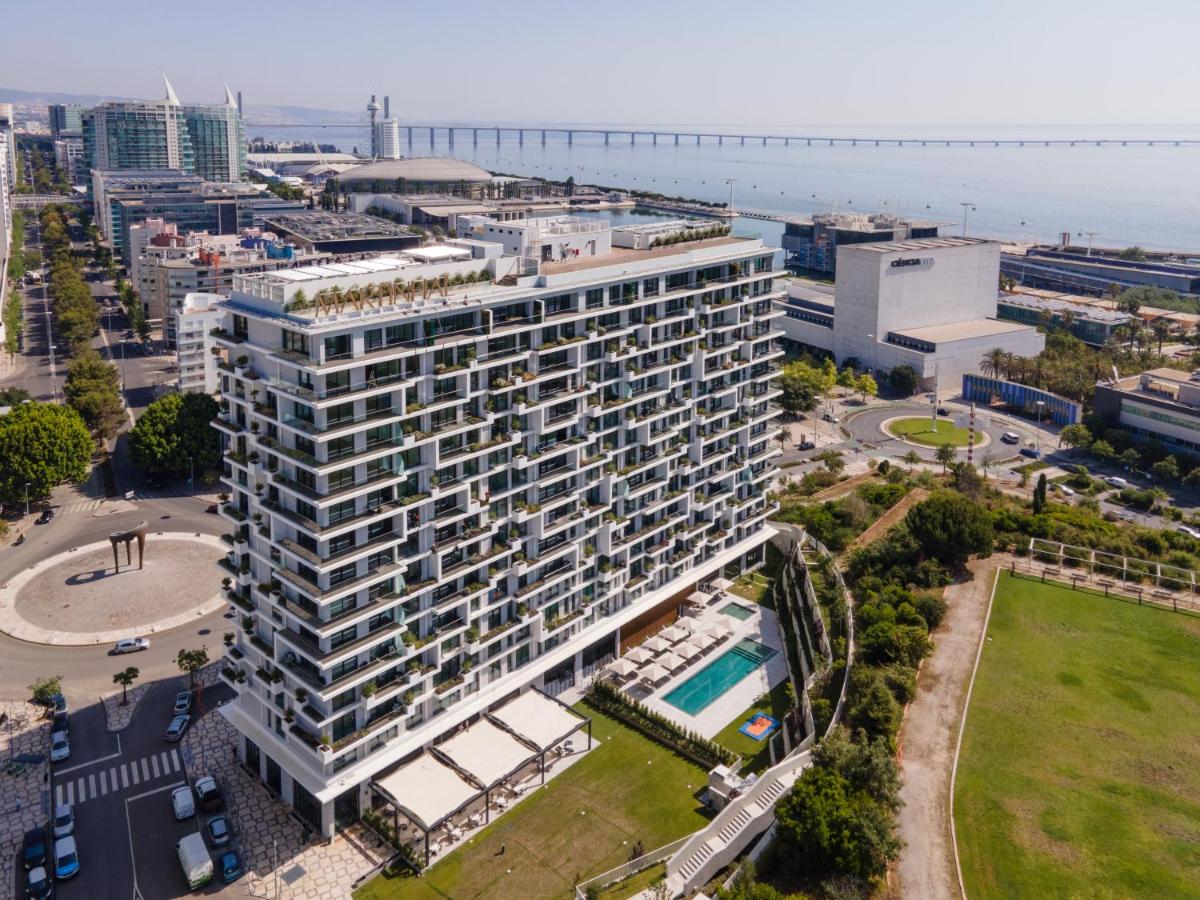
If you're a fan of the outdoors, Lisbon has plenty to offer. The city is surrounded by beautiful parks and gardens, including the stunning Parque das Nacoes. This modern park boasts a variety of attractions, including an aquarium, a cable car, and a stunning waterfront promenade that offers breathtaking views of the Tagus River.
Discover Lisbon's Region: Where Does Portugal's Capital City Lie?
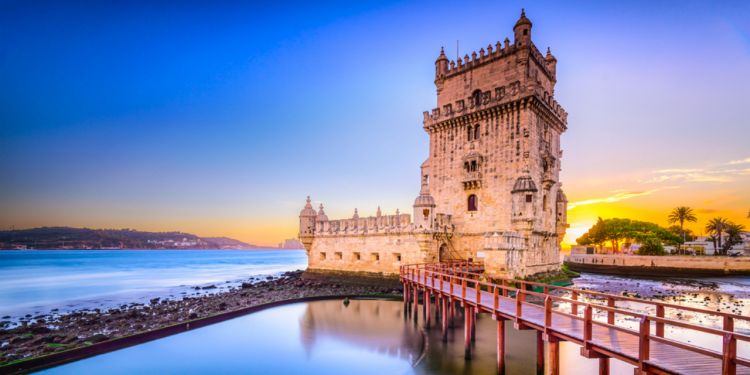
Discover Lisbon's Region: Where Does Portugal's Capital City Lie?
Lisbon is the capital city of Portugal and sits along the west coast of the country. It is a vibrant and historically rich city that attracts millions of tourists every year. But Lisbon's region extends beyond just the city limits, encompassing a diverse and beautiful area that is worth exploring.
The Lisbon Metropolitan Area
The region surrounding Lisbon is known as the Lisbon Metropolitan Area. It includes municipalities such as Sintra, Cascais, and Almada, which are all easily accessible by public transportation from the city center.
Sintra is a picturesque town located about 30 minutes from Lisbon by train. It is known for its stunning architecture, including the colorful Pena Palace and the Moorish Castle, as well as its beautiful gardens and parks.
Cascais is a coastal town located about 40 minutes from Lisbon by train. It is a popular destination for beachgoers and water sports enthusiasts, with several stunning beaches to choose from. Cascais also has a charming old town and a picturesque marina.
Almada is located across the Tagus River from Lisbon and is accessible by ferry or by crossing the 25 de Abril Bridge. It is known for its beautiful beaches, such as Costa da Caparica, as well as its historic sites, including the Cristo Rei statue and the Santuário Nacional de Cristo Rei.
The Lisbon Region's Wine Country
The Lisbon region is also home to several vineyards and wineries, producing delicious wines such as Vinho Verde and Port. The town of Colares, located about 30 minutes from Lisbon, is particularly known for its wine production.
The Serra de Sintra is a mountain range located west of Lisbon, offering stunning views of the surrounding area. It includes several hiking trails and is home to several historic sites, including the Convento dos Capuchos and the Castelo dos Mouros.
Discover Lisbon's County: Geography Explained
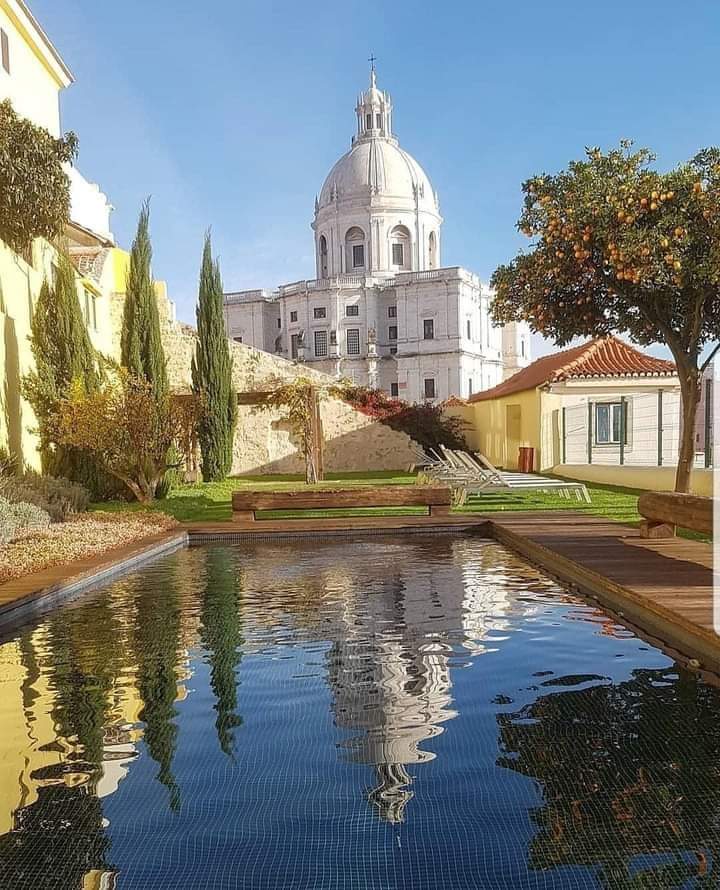
If you're planning a trip to Portugal, you might want to add Lisbon to your itinerary. Located on the western coast of the country, Lisbon is not only the capital city but also the center of a county with the same name. In this article, we'll explore the geography of Lisbon's county in detail.
Lisbon's county covers an area of 100.05 square kilometers and has a population of around 800,000 people. It is bordered by the Atlantic Ocean to the west, the Tagus River to the south, and the municipalities of Loures, Odivelas, Amadora, and Oeiras to the north and east.
The landscape of Lisbon's county is diverse, ranging from hills and mountains to plains and beaches. The highest point is the Serra de Monsanto, which reaches 226 meters above sea level. The county is also home to several parks and green spaces, including the Monsanto Forest Park, the largest urban park in Europe.
With a coastline of around 10 kilometers, Lisbon's county has several beaches that are popular with both locals and tourists. The most famous is probably Cascais, a seaside resort town located about 30 kilometers from Lisbon. Other popular beaches include Carcavelos, Estoril, and Praia do Guincho.
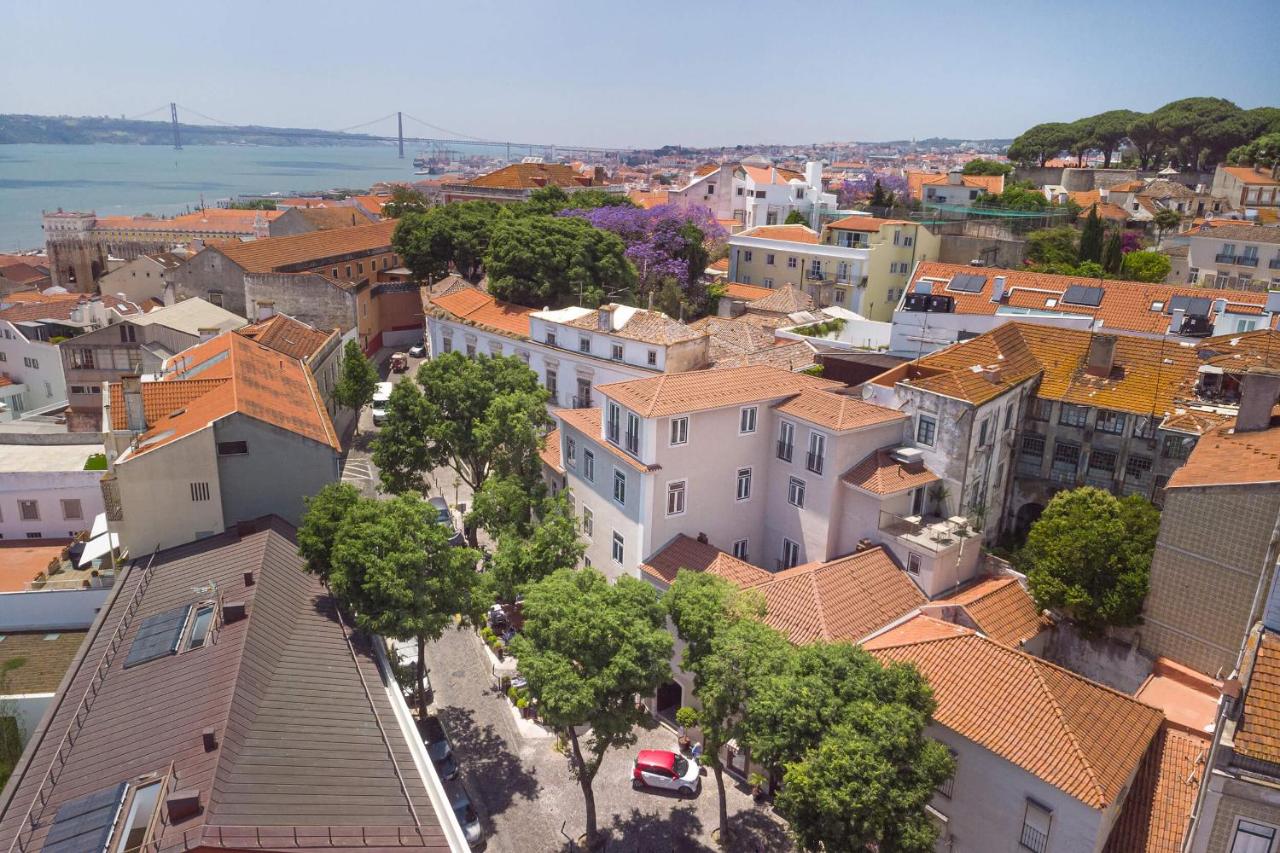
The Tagus River, which flows through Lisbon's county, is the longest river on the Iberian Peninsula. It is also an important waterway for commerce and transportation. Several bridges connect the two banks of the river, including the iconic 25 de Abril Bridge, which is often compared to the Golden Gate Bridge in San Francisco.
Discover Lisbon's Portuguese Name: Unveiling the City's Identity
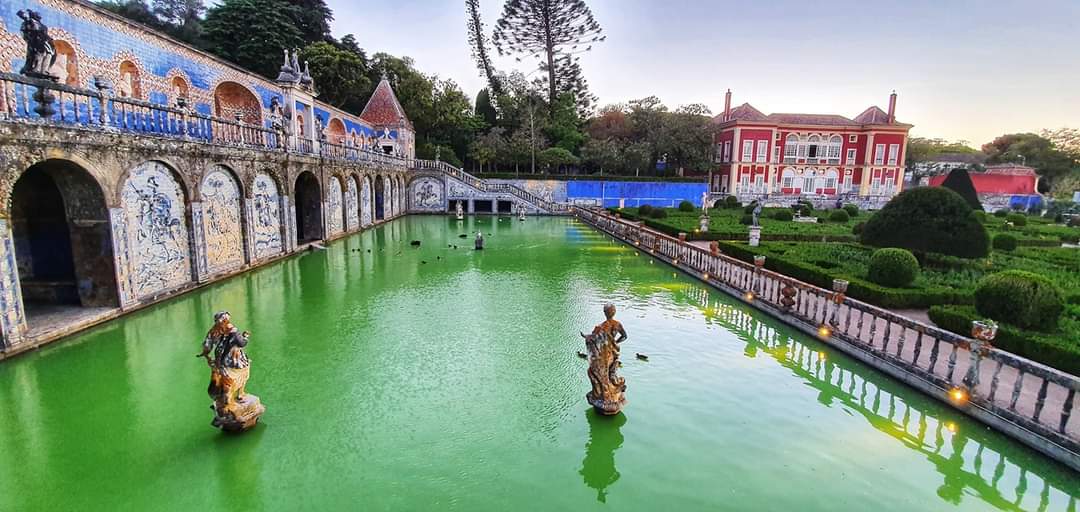
Lisbon, the capital of Portugal, is a charming and vibrant city that attracts millions of visitors every year. But did you know that Lisbon has a Portuguese name that reveals its history and identity?
The Portuguese name for Lisbon is Lisboa, and it comes from the Latin word Olisipo. Olisipo was the name given to the city by the Romans when they conquered the area in the 2nd century BC. The name is believed to come from the Phoenician words Allis Ubbo, which means "enchanting port".
Knowing the history behind Lisbon's name can give you a deeper understanding of the city and its culture. Lisbon has a rich history that dates back to pre-Roman times, and it has been a major center of trade and commerce for centuries. The city has been influenced by many cultures throughout its history, including Roman, Moorish, and Christian. All of these influences have shaped Lisbon into the unique and fascinating city that it is today.
One of the best ways to discover Lisbon's identity is to explore its neighborhoods. Each neighborhood has its own character and charm, and they all have a story to tell. For example, the Alfama neighborhood is one of the oldest in Lisbon and is known for its narrow streets and traditional Fado music. The Bairro Alto neighborhood is known for its nightlife and trendy bars and restaurants.
Another way to discover Lisbon's identity is to try its cuisine. Portuguese cuisine is known for its fresh seafood, grilled meats, and delicious pastries. Some of the must-try dishes in Lisbon include grilled sardines, bacalhau (salt cod), and pastéis de nata (custard tarts).
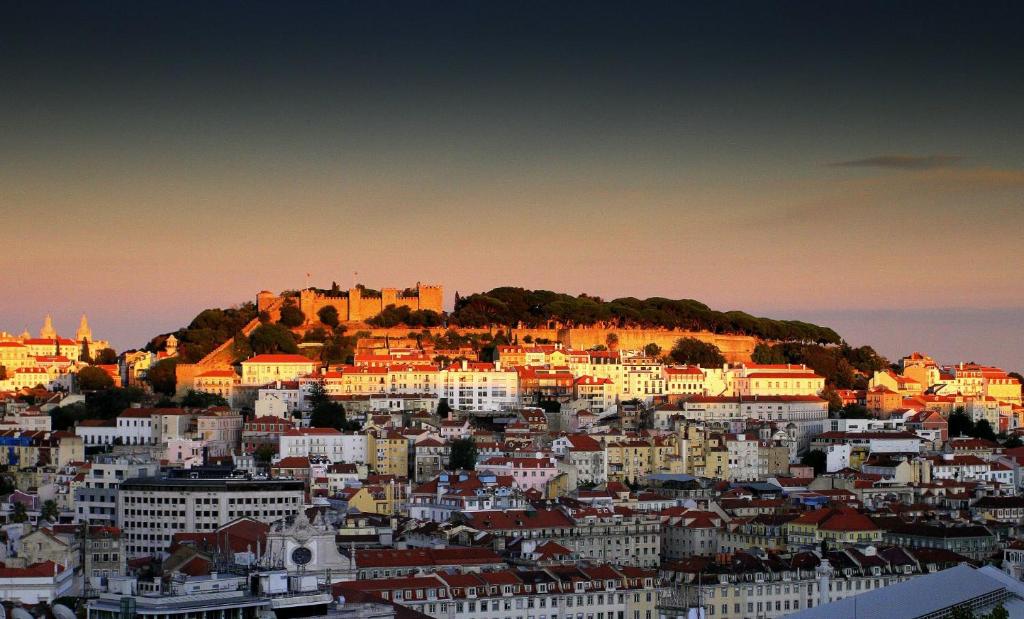
Finally, Lisbon's identity is also tied to its geography. The city is located on the Tagus River and has a beautiful coastline. The hills of Lisbon offer stunning views of the city and the river, and the beaches just outside the city are perfect for a day trip.
Discovering the Name for Lisbon Natives
When visiting Lisbon, it's important to know the proper term to refer to the locals. The term for natives of Lisbon is Lisboetas.
The term Lisboetas comes from the Portuguese name for the city, Lisboa. It is used to refer to anyone who is from Lisbon or who has lived there for an extended period of time. This term is widely used in Portugal and is recognized by most people.
It's important to note that while the term Lisboetas is used to refer to people from Lisbon, it's not the only term used. Some people may also use the term Alfacinhas, which means "little lettuces." This term is also derived from the name of the city, as Lisbon was once known for its lettuce production.
Regardless of which term you use, it's always important to be respectful when referring to the locals. Lisbon is a beautiful city with a rich history and culture, and the Lisboetas are proud of their heritage.
So, if you're planning a trip to Lisbon, be sure to remember the term Lisboetas and use it to refer to the locals. They will appreciate your effort to learn about their culture and will be more than happy to welcome you to their city.
Overall, Lisbon is a charming and vibrant city that offers a unique blend of history, culture, and modernity. From the winding streets of the Alfama district to the trendy neighborhoods of Chiado and Bairro Alto, there is something for everyone to explore and enjoy. Whether you're looking to indulge in delicious Portuguese cuisine, soak up some sun on the beaches of Cascais, or simply wander through the city's many museums and galleries, Lisbon has it all. With its warm climate, friendly locals, and endless opportunities for adventure, it's no wonder that this city has become a top destination for travelers from all over the world. So if you're planning a trip to Portugal, be sure to put Lisbon at the top of your list!