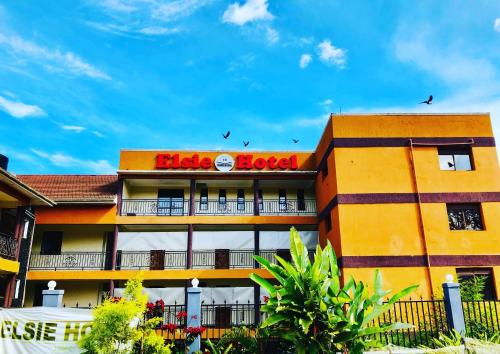
Discover Masaka
If you are interested in learning about the culture and traditions of the Baganda people, a visit to the Masaka Cultural Museum is a must. The museum showcases various artifacts and exhibits that highlight the history and way of life of the Baganda people.
For nature lovers, Masaka is also home to the Lake Nabugabo Wetland, which is a popular spot for bird watching and nature walks. The wetland is home to over 100 bird species and is a great place to relax and enjoy the serene surroundings.
Foodies will also be thrilled to know that Masaka is a culinary hotspot, with a range of restaurants that offer traditional Ugandan dishes and international cuisine. Some of the popular dishes in Masaka include matooke (steamed green bananas), luwombo (steamed meat or fish wrapped in banana leaves), and rolex (a popular Ugandan street food made of chapati, eggs, and vegetables).
Discover Masaka Uganda: Top Attractions & Landmarks
Masaka is a town located in the southern part of Uganda, roughly 135 km southwest of Kampala. This bustling town is the capital of the Masaka District and is known for its vibrant markets, bustling streets, and friendly people. It is also home to a number of top attractions and landmarks that are worth exploring.
The Masaka Central Market is one of the most popular attractions in the town. This bustling marketplace is a great place to experience the local culture and buy souvenirs. Here, you can find everything from fresh produce, handmade crafts, clothing, and household items. The market is open every day of the week and is a great place to interact with locals and learn more about their way of life.
Kitovu Cathedral is a Catholic Church that was built in the early 1940s. The church is known for its beautiful architecture and is a popular destination for both locals and tourists. The church is located on a hill and offers stunning views of the surrounding countryside.
Lake Nabugabo is a small freshwater lake located about 20 km from Masaka. The lake is surrounded by lush vegetation and is a popular spot for bird watching and fishing. Visitors can also take a boat ride on the lake and enjoy the scenery.
The Equator Crossing is located about 10 km south of Masaka town. This is a popular destination for tourists as it marks the spot where the equator passes through Uganda. Visitors can take photos and learn more about the science behind the equator.
Kalinzi Hill is located about 5 km from Masaka town. The hill offers stunning views of the surrounding countryside and is a popular spot for hiking and picnicking. Visitors can also explore the small caves located on the hill.
Tribes in Masaka: A Detailed Guide
The Masaka locality in Uganda is home to a number of different tribes, each with their own unique culture and traditions. The Tribes in Masaka: A Detailed Guide provides a comprehensive overview of these tribes and their way of life.
The Baganda tribe is the largest tribe in Masaka and in Uganda as a whole. They are known for their rich cultural heritage, which includes music, dance, and storytelling. The Baganda people also have a strong sense of community, with many of their traditions centered around family and social gatherings.
The Banyankole tribe is another prominent tribe in Masaka. They are known for their pastoral way of life, which involves raising cattle and other livestock. The Banyankole people also have a rich oral tradition, with many of their stories passed down through generations.
The Bakiga are a tribe known for their resilience and hard work. They are primarily farmers, and are known for their skill in cultivating crops like bananas and coffee. The Bakiga people also have a strong sense of community, with many of their traditions centered around family and social gatherings.
The Banyoro tribe is known for their strong cultural heritage, which includes music, dance, and storytelling. They are also known for their traditional dress, which includes colorful fabrics and intricate beadwork. The Banyoro people are primarily farmers, and are known for their skill in cultivating crops like maize and millet.
The Basoga tribe is known for their traditional dance, which is characterized by energetic movements and vibrant costumes. They are also known for their skill in fishing, with many Basoga people living near the River Nile. The Basoga people have a strong sense of community, with many of their traditions centered around family and social gatherings.
Discover Masaka's Neighborhoods: A Guide to the Areas
If you're planning a trip to Masaka, Uganda, it's important to know the different neighborhoods that make up this bustling town. Each area has its own unique vibe and attractions, so it's worth exploring them all to get a full taste of Masaka.
Kimaanya is a residential neighborhood located on the outskirts of Masaka. It's known for its quiet streets and peaceful atmosphere, making it a great place to escape the hustle and bustle of the town center. Kimaanya is also home to the famous Nyendo Market, where you can find everything from fresh produce to handmade crafts.
Nyendo is one of the busiest areas in Masaka, with plenty of shops, restaurants, and markets to explore. It's a great place to experience the local culture and pick up some souvenirs to take home. One of the highlights of Nyendo is the Masaka Central Market, which is one of the largest markets in Uganda.
Kijjabwemi is a quiet, residential area that's popular with families and expats. It's known for its large, spacious homes and beautiful gardens. Kijjabwemi is also home to the Masaka Golf Club, which offers stunning views of the surrounding countryside.
Nyendo-Ssenyange is a bustling neighborhood that's home to many of Masaka's most popular attractions. It's known for its vibrant nightlife, with plenty of bars and clubs to choose from. Nyendo-Ssenyange is also home to the Masaka Hospital, one of the largest medical facilities in the region.
Bukoto is a lively area that's popular with young people and students. It's known for its trendy cafes, bars, and restaurants, as well as its vibrant music scene. Bukoto is also home to the Masaka District Headquarters, which is an impressive example of colonial architecture.
Kizungu is a residential area that's popular with middle-class families. It's known for its quiet streets and spacious homes, as well as its proximity to Masaka Town. Kizungu is also home to the Masaka District Sports Ground, which hosts a variety of sporting events throughout the year.
Whether you're looking for a quiet residential area or a bustling neighborhood with plenty of attractions, Masaka has something for everyone. Be sure to explore all of the different areas to get a full taste of this vibrant town.
Language Spoken in Masaka Uganda
Masaka is a city located in the southern part of Uganda. The people in Masaka speak Luganda, which is the most widely spoken language in the country. Luganda is a Bantu language and is spoken by over 5 million people in Uganda, making it the second most spoken language in the country after English.
Luganda has a rich history and is considered a major language in East Africa. It is the official language of Buganda Kingdom, which is one of the largest ethnic groups in Uganda. Many people in Masaka still practice the customs and traditions of the Buganda Kingdom, which has influenced the way the Luganda language is spoken in the region.
Luganda has many dialects, and the dialect spoken in Masaka is unique to the area. It is characterized by a distinct intonation and accent, which sets it apart from other dialects spoken in Uganda. The language is tonal, meaning that words can have different meanings depending on the tone used to pronounce them.
Learning Luganda can be a great way to immerse oneself in the culture of Masaka and Uganda as a whole. It can help visitors communicate with locals more effectively and understand the customs and traditions of the region. Many language schools and cultural centers offer Luganda language classes for foreigners interested in learning the language.
In conclusion, Masaka locality is a vibrant town in Uganda with a rich history and culture that is worth exploring. It is home to various tourist attractions, including the Kitovu Cathedral, Lake Nabugabo, and the Nyendo Market. The town is also well-connected to other parts of Uganda, making it an excellent base for exploring the country. Additionally, Masaka is a hub of economic activities, with various industries and businesses operating in the area. Overall, Masaka is an excellent destination for anyone seeking to experience the beauty and diversity of Uganda.