Discover Narbonne
Discover Narbonne's Region in France
Narbonne is a city in the Occitanie region, located in the south of France. It is a historic city with a rich cultural heritage that dates back to the Roman times. The city is situated near the Mediterranean Sea, which makes it an excellent destination for those who enjoy beaches and water sports.
The city's main attraction is the Narbonne Cathedral, which is a magnificent Gothic church that was built in the 13th century. The cathedral is known for its beautiful stained glass windows and its impressive organ. Visitors can also see the Archbishop's Palace, which was built in the 18th century and now houses the town hall and a museum.
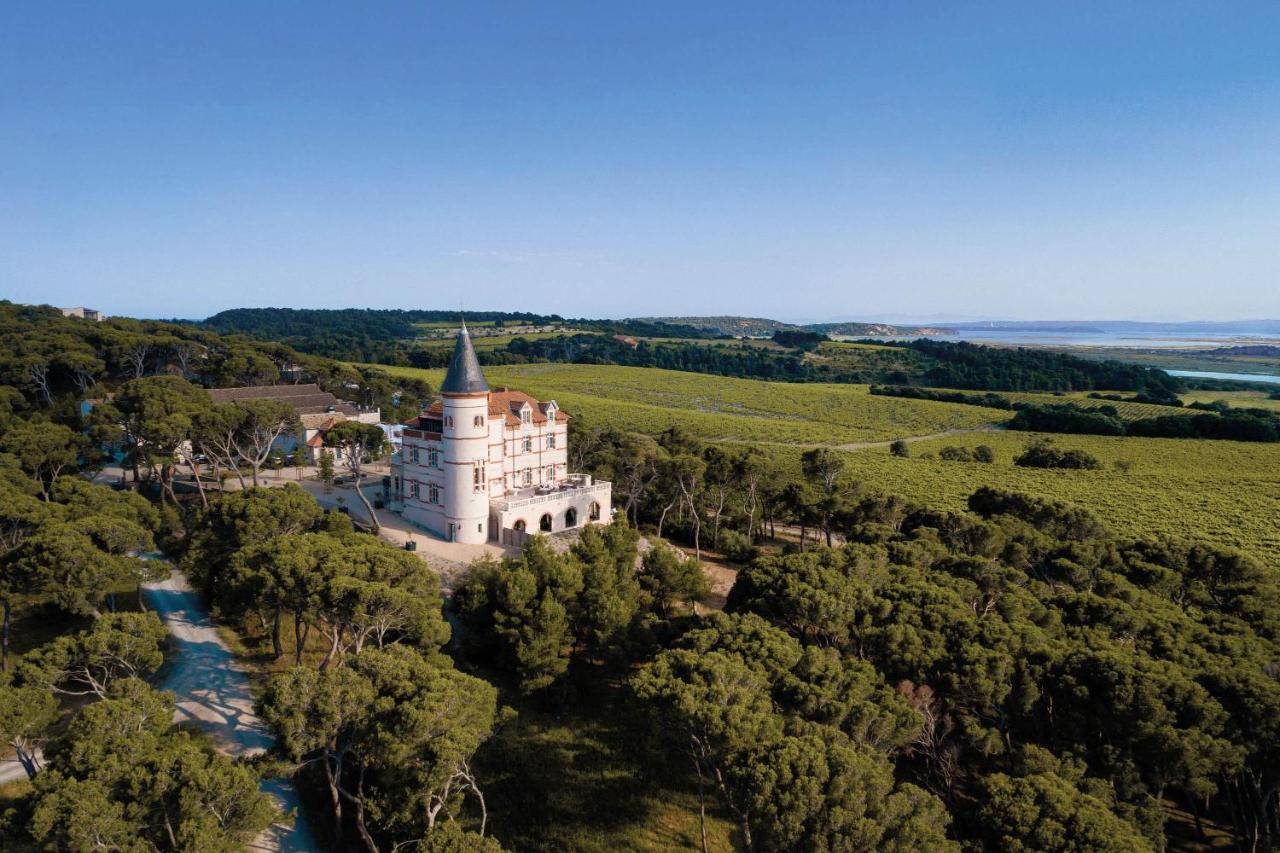
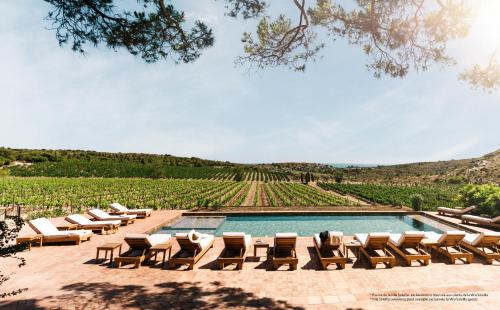
Narbonne is also known for its excellent food and wine. The city is located in the heart of the Languedoc wine region, which produces some of the best wines in France. Visitors can explore the vineyards and taste the local wines at the many wineries in the area. The city is also known for its seafood, including oysters, mussels, and other shellfish, which can be enjoyed at the local restaurants.
For those who enjoy the outdoors, Narbonne is an excellent destination. The city is located near the Narbonnaise en Méditerranée Natural Regional Park, which offers a variety of activities, including hiking, cycling, and birdwatching. Visitors can also explore the nearby beaches, which are known for their clear waters and white sand.
Narbonne is a perfect destination for history and culture enthusiasts, food and wine lovers, and outdoor enthusiasts. The city offers a unique blend of history, culture, and natural beauty that is sure to impress visitors from all over the world.
Narbonne, France: Discover the Charm of this Historic City
Narbonne, France: Discover the Charm of this Historic City
Narbonne is a beautiful city located in the Occitanie region of southern France. This historic city sits on the Canal de la Robine, which flows through the heart of the city, adding to its charm and character.
Narbonne has a rich history and culture that dates back to Roman times. The city was an important Roman port and was once the capital of the Roman province of Gallia Narbonensis. Today, visitors can explore the city's Roman heritage at sites such as the Horreum, an underground grain warehouse, and the Via Domitia, a Roman road that once connected Italy to Spain.
The city also has a beautiful cathedral, the Cathédrale Saint-Just-et-Saint-Pasteur, which is a masterpiece of Gothic architecture. Visitors can also explore the Archbishop's Palace, which was once the residence of the archbishop of Narbonne, and the Palais des Archevêques, a beautiful palace that now serves as a museum.
Narbonne is known for its delicious food and wine. The city is located in the heart of the Languedoc region, which is famous for its wine. Visitors can enjoy wine tasting at local vineyards and sample the region's delicious cuisine in the city's many restaurants.
Beaches and Outdoor Activities
Narbonne is also located just a short drive from the Mediterranean coast, which is home to some of the most beautiful beaches in France. Visitors can spend the day lounging on the beach, swimming in the sea, or taking part in a variety of water sports.
The city is also surrounded by beautiful countryside, which is perfect for hiking, biking, and horseback riding.
Discovering Narbonne: A Look at its Rich History
Narbonne is a city located in the south of France, in the region of Occitanie. It is known for its rich history, which dates back to the Roman Empire. The city is situated near the Mediterranean Sea and the Canal du Midi, making it a popular tourist destination.
One of the most interesting aspects of Narbonne’s history is its role as an important hub of the Roman Empire. During the Roman era, Narbonne was known as Narbo Martius and was a key center for trade and commerce. The city was also an important port and served as a gateway to the rest of the Roman Empire.
Throughout the Middle Ages, Narbonne continued to be an important center of trade and commerce. The city was a major producer of wine and textiles, and its merchants traded with other cities throughout Europe. Narbonne was also known for its beautiful architecture, including its impressive cathedral and palace.
In the 19th and 20th centuries, Narbonne underwent significant changes as it became a center of industry and transportation. The city’s port was expanded, and railway lines were built to connect Narbonne to other cities in France. Today, Narbonne is known for its thriving tourism industry, as well as its wine production and other agricultural products.
Visitors to Narbonne can explore the city’s rich history by visiting its many museums and historic sites. The Narbonne Archaeological Museum, for example, features a collection of artifacts from the Roman era, while the Palais des Archevêques showcases the city’s impressive architecture. The Canal de la Robine, which runs through the heart of Narbonne, is also a popular attraction.
Discovering Narbonne: Worth the Trip?
If you're planning a trip to France and looking for a lesser-known destination off the beaten path, consider adding Narbonne to your itinerary. This charming city in the Languedoc-Roussillon region offers a blend of history, culture, and natural beauty that is sure to delight visitors.
Narbonne's rich history dates back to Roman times, and evidence of its past can be seen throughout the city. The most notable landmark is the Narbonne Cathedral, a stunning Gothic masterpiece that took over two centuries to complete. Other historical sites worth visiting include the Archbishop's Palace, the Roman Horreum, and the Via Domitia, an ancient Roman road that once linked Italy and Spain.
But Narbonne is more than just a city of the past. Its vibrant present is evident in its bustling markets, lively restaurants, and thriving cultural scene. The city's covered market, Les Halles, is a food lover's paradise, with vendors selling everything from fresh produce to artisanal cheeses and charcuterie. And with its close proximity to the Mediterranean, Narbonne is a seafood lover's dream, with plenty of restaurants offering fresh, locally caught fish and seafood.
Nature lovers will also be impressed with Narbonne's offerings. The city is located near the Regional Natural Park of Narbonne, which features a diverse range of landscapes, from coastal lagoons to pine forests. Visitors can hike, bike, or even take a boat tour to explore the park's natural beauty.
So, is Narbonne worth the trip? Absolutely. With its rich history, vibrant present, and natural beauty, this hidden gem in the south of France is a destination that should not be missed.
In conclusion, Narbonne is a charming and historic city with a rich cultural heritage. Its impressive cathedral, stunning canal, and scenic vineyards make it a must-visit destination for any traveler to France. Whether you're interested in exploring the city's ancient Roman ruins, tasting the local wines, or simply soaking up the atmosphere of its bustling squares and narrow streets, Narbonne has something for everyone. So, if you're planning a trip to France, be sure to add Narbonne to your itinerary and experience the unique beauty and charm of this lovely city for yourself.