



Discover Oviedo
Oviedo is also famous for its cuisine. The city is known for its hearty and flavorful dishes, including fabada asturiana (a bean stew), cachopo (a stuffed and fried beef dish), and cider (a local beverage). The food in Oviedo is a true reflection of the region’s unique culture and traditions.
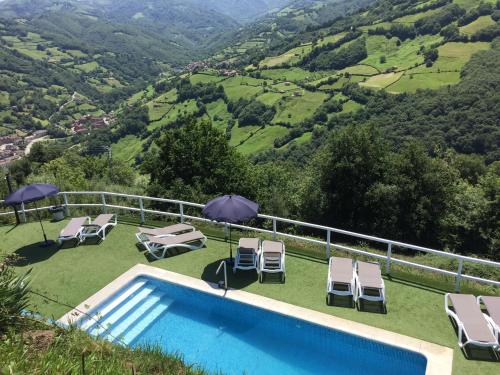
For nature lovers, Oviedo is an ideal destination. The city is located in the midst of a stunning mountain range, providing ample opportunities for hiking, skiing, and other outdoor activities. There are also several parks and gardens within the city, including the Campo de San Francisco and the Parque de Invierno, which are perfect for a leisurely stroll.
Discovering Oviedo Spain: Region Guide
Oviedo is a beautiful city located in the Asturias region of Spain. This charming locality is known for its rich cultural heritage, stunning architecture, and delicious cuisine. In this region guide, we will take a closer look at what Oviedo has to offer.
Oviedo has a long and fascinating history that dates back to the 8th century. The city was founded by King Fruela I of Asturias and it played an important role in the Reconquista, the period when Christian forces reclaimed Spain from the Moors. Today, visitors to Oviedo can explore the city's historical landmarks, such as the Gothic-style Oviedo Cathedral and the 9th century Santa Maria del Naranco, a UNESCO World Heritage site.
Aside from its history, Oviedo is also known for its vibrant cultural scene. The city is home to several museums and art galleries, including the Museum of Fine Arts of Asturias and the Archaeological Museum of Asturias. Additionally, Oviedo hosts several festivals throughout the year, such as the International Bagpipe Festival and the Feast of San Mateo.
Oviedo is a city with a rich architectural heritage. The city's buildings reflect a variety of architectural styles, from Romanesque to Gothic to Baroque. One of the most iconic landmarks in Oviedo is the Cathedral of San Salvador, which features a stunning Gothic facade and a beautiful collection of religious art. Other notable buildings include the Palace of Camposagrado, the University of Oviedo, and the Convent of San Francisco.
Oviedo is known for its delicious cuisine, which draws inspiration from the region's agricultural and coastal roots. Visitors can sample traditional Asturian dishes, such as fabada asturiana (a hearty bean stew), cachopo (a meat-filled dish), and sidra (a local cider). Additionally, Oviedo has a thriving food scene, with numerous restaurants and bars offering a range of international and fusion cuisine.
Oviedo is a hidden gem in the Asturias region of Spain, with a rich history, stunning architecture, and delicious cuisine. Whether you're interested in exploring the city's cultural landmarks, sampling its culinary delights, or simply taking in the beautiful scenery, Oviedo has something to offer everyone.
Discovering the Charm of Oviedo, Spain
Oviedo is a beautiful city located in the northern region of Spain. This city is known for its stunning architecture, rich history, and delicious food.
One of the most impressive sights in Oviedo is the Cathedral of San Salvador. This Gothic-style cathedral was built in the 14th century and is one of the most important religious buildings in the city. Visitors can admire the intricate stone carvings and stained glass windows that adorn the cathedral's interior.
Another must-see attraction in Oviedo is the Campoamor Theater. This beautiful theater was built in the early 20th century and is known for its ornate decoration and excellent acoustics. Visitors can attend a performance or take a guided tour of the theater.
Oviedo is also famous for its cuisine. Visitors can try local specialties such as fabada asturiana, a hearty stew made with white beans and assorted meats, or cachopo, a dish made with breaded beef or pork and stuffed with cheese and ham.
For those who love museums, Oviedo has plenty to offer. The Museum of Fine Arts of Asturias is a must-visit, with an impressive collection of Spanish art from the 15th to the 20th century. The Archeological Museum of Asturias is also worth a visit, with exhibits showcasing the history of the region from prehistoric times to the Roman era.
Finally, Oviedo is a great place to simply wander and explore. The old town is full of narrow, winding streets and charming plazas, perfect for a leisurely stroll. Visitors can admire the colorful buildings and ornate balconies that are typical of Asturian architecture.
Discover Oviedo's Location: Which Country is it In?
Oviedo is a city located in the northern region of Spain, specifically in the Principality of Asturias. It is the capital city of the province of Asturias and has a population of approximately 220,000 people.
Oviedo is situated in the midst of a mountainous landscape, surrounded by the Asturian mountains, which makes it a popular destination for outdoor enthusiasts and nature lovers. The city is also known for its beautiful medieval architecture, with many of the buildings dating back to the 13th and 14th centuries. Visitors to the city can marvel at the Gothic-style Oviedo Cathedral and the Palace of Santa Maria del Naranco, both of which are UNESCO World Heritage sites.
One of the unique features of Oviedo is its rich cultural heritage, which is reflected in the city's many museums, art galleries, and cultural events. Visitors can explore the Museum of Fine Arts of Asturias, which houses a collection of works by Spanish artists such as Goya and Picasso, or attend one of the city's many festivals, such as the International Bagpipe Festival or the San Mateo Fair.
Getting to Oviedo is easy, as the city is well-connected by road, rail, and air. The Asturias Airport is located just outside the city and offers regular flights to destinations across Europe, while the city's train station provides easy access to other cities in Spain. Visitors can also reach Oviedo by car, as the city is connected to the rest of Spain by a network of highways and roads.
Is Asturias in Basque Country? Exploring Regional Identities
Is Asturias in Basque Country? No, Asturias is not in Basque Country. Asturias is a region located in the north of Spain, while Basque Country is located in the northeast of Spain and the southwest of France. Although both regions have their own distinct cultural identities, they are not the same.
Exploring regional identities is an important aspect of understanding the diversity of Spain. Oviedo, the capital city of Asturias, has a unique cultural heritage that is shaped by its history and geography. The region is known for its beautiful landscapes, vibrant cities, and rich cultural traditions.
One of the most important cultural traditions in Asturias is the celebration of the Feast of St. James, which takes place every year on July 25th. This festival is celebrated throughout the region and features parades, music, and traditional dances. Another important cultural tradition in Asturias is the art of cider-making. Cider is an important part of Asturian cuisine and is often enjoyed with meals or as a social drink.
Oviedo is also home to many museums and cultural institutions that showcase the region's history and art. The Museum of Fine Arts of Asturias is one of the most important cultural institutions in the city and features works by Spanish artists such as Goya and El Greco. The Archaeological Museum of Asturias is another important institution that showcases the region's ancient history and pre-Roman cultures.
In conclusion, Oviedo is a charming and historic city that offers a unique blend of tradition and modernity. With its stunning architecture, rich cultural heritage, and vibrant social scene, Oviedo is a must-visit destination for anyone interested in exploring the beauty of Spain. Whether you're looking to immerse yourself in the city's fascinating history, sample its delicious cuisine, or simply soak up its laid-back atmosphere, Oviedo has something for everyone. So why not plan a trip to this enchanting city and experience all that it has to offer? You won't be disappointed!