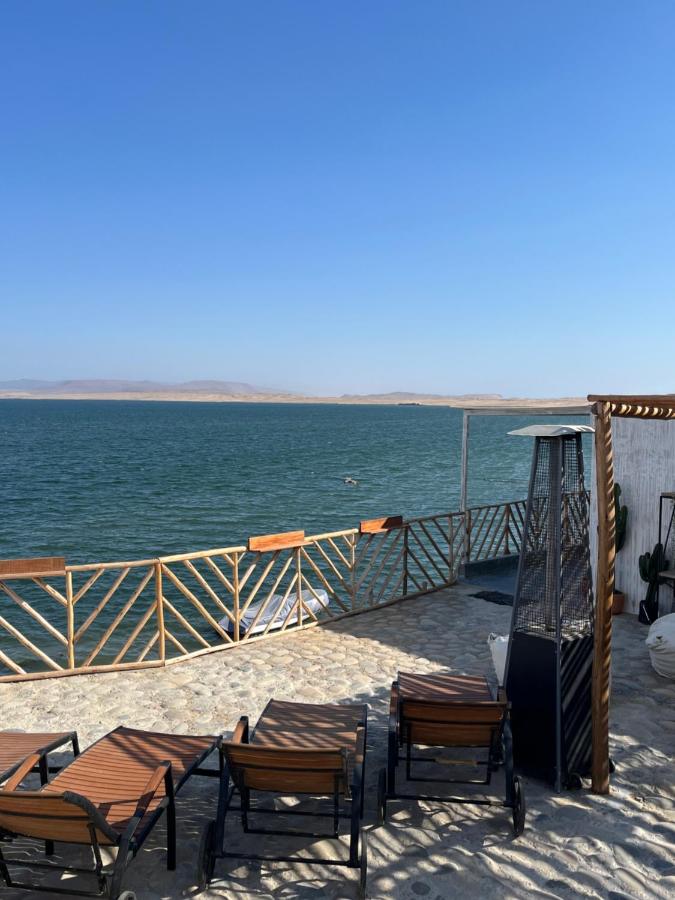

Discover Paracas
For those looking for a more active vacation, Paracas has plenty of options. The town is a popular destination for kiteboarding and windsurfing, thanks to its strong winds and flat water. There are also plenty of opportunities for hiking, biking, and kayaking.
When it comes to food, Paracas is known for its fresh seafood. The town has a thriving fishing industry, and you'll find plenty of restaurants serving up delicious ceviche and other seafood dishes. Be sure to try the local Peruvian specialty, pisco sour, a cocktail made with pisco brandy, lime juice, and egg whites.
Discovering the Paracas People: Ancient Mysteries of Peru
Peru is a country steeped in history and culture, with a rich and diverse heritage that spans thousands of years. One of the most fascinating aspects of this heritage is the Paracas people, an ancient civilization that thrived in the region that is now Peru from around 800 BCE to 100 BCE.
The Paracas people are known for their distinctive art and textiles, which feature intricate designs and rich colors that have been preserved for centuries. They were also skilled farmers and fishermen, and their society was organized around a complex social hierarchy that included priests, warriors, and artisans.
The Paracas people are also known for their remarkable burial practices, which involved wrapping the bodies of the deceased in layers of textiles and placing them in elaborate tombs. These tombs have been excavated in recent years, revealing a wealth of information about the Paracas people and their way of life.
One of the most intriguing discoveries from these excavations is the presence of elongated skulls among the Paracas people. These skulls have a different shape and size than normal human skulls, leading some researchers to speculate that they were the result of intentional cranial deformation, a practice that was common in many ancient cultures. However, others believe that the elongated skulls may be evidence of a separate, unknown human species that once inhabited the region.
Despite the mysteries that still surround the Paracas people, their legacy continues to fascinate and inspire people around the world. From their art and textiles to their burial practices and unusual physical characteristics, the Paracas people represent a unique and important chapter in the history of Peru and the world.
Discovering Paracas: Peru's Coastal Oasis
Paracas is a beautiful coastal town located in the Ica region of Peru. It is known for its natural beauty, cultural heritage, and unique wildlife. The town is situated on the Paracas Peninsula, which juts out into the Pacific Ocean, and provides stunning views of the sea.
One of the main attractions of Paracas is the Paracas National Reserve, which protects the marine and coastal ecosystems of the area. The reserve covers over 335,000 acres of land and sea, and is home to a diverse range of wildlife, including sea lions, dolphins, whales, and numerous species of seabirds. Visitors can explore the reserve on foot, by bike, or by boat, and can enjoy activities such as hiking, bird watching, and swimming.
Another popular activity in Paracas is visiting the Ballestas Islands, which are often referred to as the "Galapagos of Peru." The islands are located just off the coast of Paracas and are home to large colonies of sea lions, penguins, and a variety of seabirds. Visitors can take a boat tour to the islands, where they can observe these creatures in their natural habitat.
Paracas is also known for its rich cultural heritage, as it was once inhabited by the Paracas people, who left behind numerous archaeological sites and artifacts. The Paracas Candelabra, a large geoglyph etched into the side of a hill overlooking the sea, is one of the most famous landmarks in the area. Visitors can also explore the Paracas Necropolis, which contains the remains of hundreds of ancient Paracas people.
For those looking to relax and enjoy the beautiful scenery, Paracas offers numerous beaches and coastal areas to explore. The town itself has a small but charming beach, where visitors can swim, sunbathe, and enjoy the local seafood. There are also numerous other beaches in the area, such as Playa Roja, Playa Lagunillas, and Playa Supay.
Discovering the Paracas People's Ancient Home
Peru is a country in South America known for its rich history and culture. One of the most fascinating places to visit in Peru is the Paracas locality, which is located on the southern coast of the country.
The Paracas people were an ancient civilization that lived in this area thousands of years ago. They were known for their exquisite textiles and sophisticated pottery, and their culture is still studied and admired today.
The discovery of the Paracas people's ancient home was a major archaeological breakthrough.
In 1925, a Peruvian archaeologist named Julio Tello discovered a cemetery in the Paracas locality that contained hundreds of mummies. These mummies were wrapped in layers of intricately woven textiles and buried with pottery, jewelry, and other artifacts.
The textiles found in the Paracas cemetery are some of the finest examples of ancient Peruvian weaving.
They are made from alpaca and llama wool and were dyed using natural pigments. The patterns and colors used in the textiles are incredibly complex and demonstrate a high level of skill and artistry.
Today, visitors to the Paracas locality can visit the Paracas History Museum, which houses many of the artifacts and textiles discovered in the area. The museum also offers guided tours of the Paracas cemetery and other important archaeological sites.
Exploring the Paracas locality is a unique opportunity to learn about the fascinating history and culture of the Paracas people.
Visitors can see firsthand the mastery of their weaving and pottery techniques, as well as the intricate designs and symbols used in their artwork.
Discovering Paracas Culture: Location and History
Paracas is a locality located in the Ica region of Peru country. This locality is known for its rich cultural heritage that dates back to the pre-Columbian era. The Paracas culture flourished between 800 BCE and 100 BCE on the southern coast of Peru.
The Paracas culture is known for its impressive textiles, especially their intricate embroidery and use of vibrant colors. They also produced pottery, jewelry, and other artifacts that reflect their advanced knowledge of agriculture, fishing, and trade.
The Paracas culture was divided into two phases: Paracas Cavernas and Paracas Necropolis. The Paracas Cavernas phase is characterized by the use of caves as burial sites, while the Paracas Necropolis phase used underground chambers for burials.
The Paracas culture was known for their unique burial practices, which included mummification. They created elaborate mummy bundles that were wrapped in layers of cotton cloth. These mummies were often adorned with jewelry and other artifacts, and were buried with food and other offerings.
The Paracas culture declined around 200 BCE, likely due to climate change and environmental factors that affected their agricultural practices. The Nazca culture eventually replaced the Paracas culture in the region.
Today, visitors can explore the Paracas National Reserve, which encompasses a large portion of the Paracas Peninsula and is home to diverse wildlife and geological formations. Visitors can also visit the Paracas History Museum, which features exhibits on the Paracas culture and its artifacts.
In conclusion, Paracas is undoubtedly one of the most spectacular and fascinating destinations in Peru. With its unique natural beauty, rich history, and diverse culture, the locality offers an experience that is hard to find anywhere else in the world. Whether you are a history buff, an adventure seeker, or a lover of natural wonders, Paracas has something for everyone. So, if you're planning a trip to Peru, make sure to include Paracas in your itinerary, and get ready to be amazed by the beauty and charm of this stunning locality.