Discover Port-of-Spain
For a taste of the city's vibrant arts and culture scene, WE recommend a visit to the National Museum and Art Gallery, which showcases a diverse collection of Trinidadian and Tobagonian art, artifacts, and historical exhibits. Alternatively, YOU can immerse yourself in the sights, sounds, and flavors of local life by exploring Port-of-Spain's bustling markets, such as the Queen's Park Savannah Flea Market or the downtown Central Market.
Of course, no trip to Port-of-Spain would be complete without experiencing the city's legendary Carnival celebrations, which take place every year in February or March. During this festive season, the streets of Port-of-Spain come alive with colorful costumes, lively music, and non-stop partying, as locals and visitors alike revel in the spirit of the season.
Whether YOU are seeking a vibrant cultural experience, a relaxing tropical getaway, or a little bit of both, Port-of-Spain is a must-see destination on your next Caribbean adventure. So pack your bags, grab your sunscreen, and get ready to explore all that this exciting city has to offer!
Discovering Port of Spain: Trinidad's Vibrant Capital
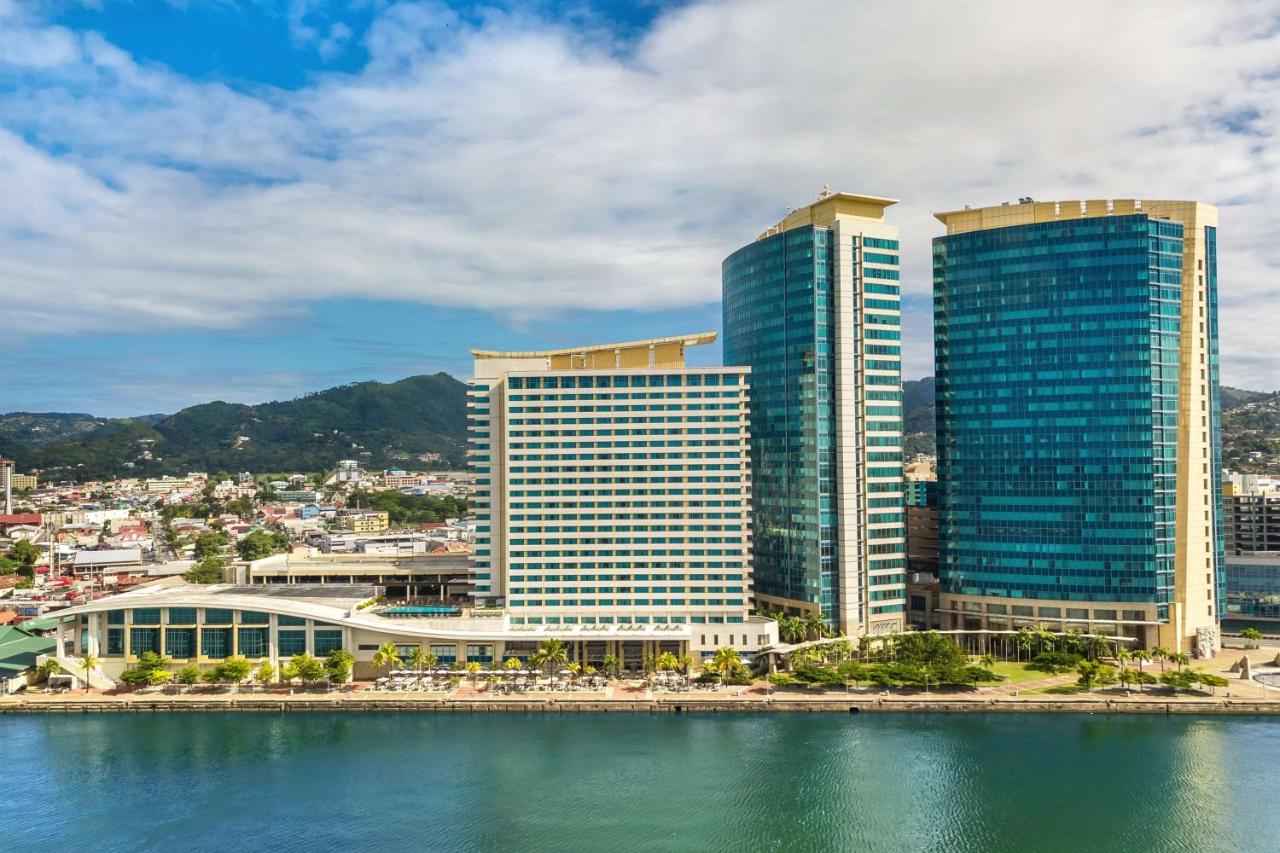
Port of Spain, the capital city of Trinidad and Tobago, is a vibrant and bustling metropolis located on the northwest coast of the island of Trinidad. This city is a melting pot of cultures, with influences from African, Indian, Chinese, and European heritage.
One of the must-see attractions in Port of Spain is the Queen's Park Savannah, a large park located in the heart of the city. This park is home to several important landmarks, such as the Queen's Royal College, the President's House, and the National Academy for the Performing Arts. Visitors can take a leisurely walk or jog around the savannah, or simply relax on the grass and enjoy the views.
The Magnificent Seven is a group of historic mansions located on the outskirts of the Queen's Park Savannah. These mansions were built in the early 1900s and are a testament to the city's colonial past. Visitors can take a tour of these mansions and learn about their history and architecture.
The food scene in Port of Spain is a must-try for any visitor. The city is known for its street food, such as doubles and roti, which are delicious and affordable. For a more upscale dining experience, visitors can try one of the city's many restaurants serving local and international cuisine.
Carnival is an annual festival held in Port of Spain, and is one of the biggest and most famous carnivals in the world. The festival takes place in February or March and lasts for two days. Visitors can experience the vibrant music, dancing, and costumes that make up this colorful celebration.
The Brian Lara Promenade is a pedestrianized street in downtown Port of Spain that is perfect for walking and shopping. Visitors can browse the many shops and boutiques, or simply people-watch and enjoy the lively atmosphere.
The National Museum and Art Gallery is located in downtown Port of Spain and is a must-visit for history and art enthusiasts. The museum contains a collection of artifacts and exhibits that showcase the history and culture of Trinidad and Tobago.
Discovering Port of Spain: Location in Trinidad & Tobago
Port of Spain, commonly known as POS, is the capital city of Trinidad and Tobago. It is located on the northwest coast of Trinidad, the larger of the two islands that make up the country.
Trinidad and Tobago is situated in the southern Caribbean Sea, just off the coast of Venezuela. It is part of the Lesser Antilles, a group of islands that extends from the Virgin Islands in the north to Trinidad and Tobago in the south.
Port of Spain is the main center of commerce, government and culture in Trinidad and Tobago. It is a bustling city with a population of over 37,000 people. The city is also a major port, handling both cargo and passenger ships.
The climate in Port of Spain is tropical, with high humidity and temperatures that typically range from 25 to 30 degrees Celsius throughout the year. The rainy season runs from June to December, while the dry season is from January to May.
Port of Spain is home to many attractions, including the Queen's Park Savannah, the National Museum and Art Gallery, and the Botanic Gardens. The city is also famous for its Carnival, a colorful and vibrant festival held annually in February or March.
Distance from Port of Spain to Trinidad: Explained
The distance from Port of Spain to Trinidad is an interesting topic to explore, as it brings to light the unique geography of the Trinidad and Tobago country. Port of Spain is the capital city of Trinidad and Tobago, located on the island of Trinidad. Trinidad, on the other hand, is the larger of the two islands that make up the country.
The distance between Port of Spain and Trinidad is zero, as they are both located on the same island. However, it is important to note that Port of Spain is located on the northwest coast of Trinidad, while other major cities such as San Fernando and Point Fortin are located on the southern coast.
When discussing the distance from Port of Spain to Trinidad, it is often in reference to the distance from Port of Spain to Tobago. Tobago is the smaller of the two islands and is located approximately 20 miles northeast of Trinidad. The distance from Port of Spain to Tobago is approximately 90 miles by sea, and can be reached by ferry or plane.
It is worth noting that the distance from Port of Spain to Tobago is not only a measure of physical distance, but also a measure of cultural and economic distance. Port of Spain is a bustling urban center with a diverse population and a thriving economy, while Tobago is known for its quieter, more laid-back lifestyle and tourism industry.
Language Spoken in Port of Spain Trinidad & Tobago
Port of Spain is the capital city of Trinidad and Tobago, a Caribbean country located just off the coast of Venezuela. The city has a population of approximately 37,000 people and is known for its vibrant cultural scene, lively nightlife, and beautiful architecture.
The official language spoken in Port of Spain and throughout Trinidad and Tobago is English. This is due to the country's history as a British colony and the fact that English is widely spoken around the world. However, the English spoken in Trinidad and Tobago has its own unique flavor and is often referred to as Trinidadian English or Trinidadian Creole.
In addition to English, there are several other languages spoken in Port of Spain and throughout Trinidad and Tobago. One of the most widely spoken is Spanish, due to the country's proximity to Latin America. Many Trinidadians and Tobagonians also speak a French-based Creole language known as Patois or Trinidadian French Creole.
Another important language spoken in Port of Spain is Hindi. This is due to the large Indian population in Trinidad and Tobago, many of whom are descended from Indian indentured laborers who were brought to the country in the 19th century. Hindi is also an official language in India and is widely spoken around the world.
Other languages spoken in Port of Spain and throughout Trinidad and Tobago include Chinese, Arabic, and several indigenous languages such as Carib and Arawak.
In conclusion, Port-of-Spain is a unique and vibrant locality in Trinidad and Tobago that offers visitors a taste of the country's rich culture and history. With its bustling streets, colorful markets, and lively nightlife, this city is a must-visit destination for anyone traveling to the Caribbean. From the iconic Queen's Park Savannah to the bustling Independence Square, Port-of-Spain is a city that is sure to leave a lasting impression on all who visit. So if you're looking for an authentic Caribbean experience, make sure to add Port-of-Spain to your travel itinerary.