








Discover Puerto Natales
If you're looking for a more relaxed pace, take a stroll along the waterfront and enjoy the views of the fjords. You may even spot some wildlife such as dolphins or sea lions. And for those seeking a bit of culture, the town has a thriving arts scene with galleries and workshops showcasing local artists and artisans.
Discovering Puerto Natales: A Guide to Its Attractions
Puerto Natales is a charming town located in the southern region of Chile. Known for its stunning landscapes and proximity to the famous Torres del Paine National Park, this small town has become a popular destination for travelers looking to explore the natural beauty of Patagonia.
Puerto Natales is easily accessible by bus from major cities in Chile, such as Santiago and Punta Arenas. There is also a small airport located just outside of town.
One of the main attractions in Puerto Natales is the Milodon Cave, a large cave system that was once home to a prehistoric giant sloth. Visitors can explore the cave and learn about its fascinating history.
Torres del Paine National Park is also a must-see for visitors to Puerto Natales. This stunning park is home to glaciers, lakes, and mountains, and offers a wide variety of hiking trails for all skill levels.
For those interested in history, the Municipal Historical Museum offers a glimpse into the town's past, with exhibits on the indigenous Kawésqar people and the early settlers of the area.
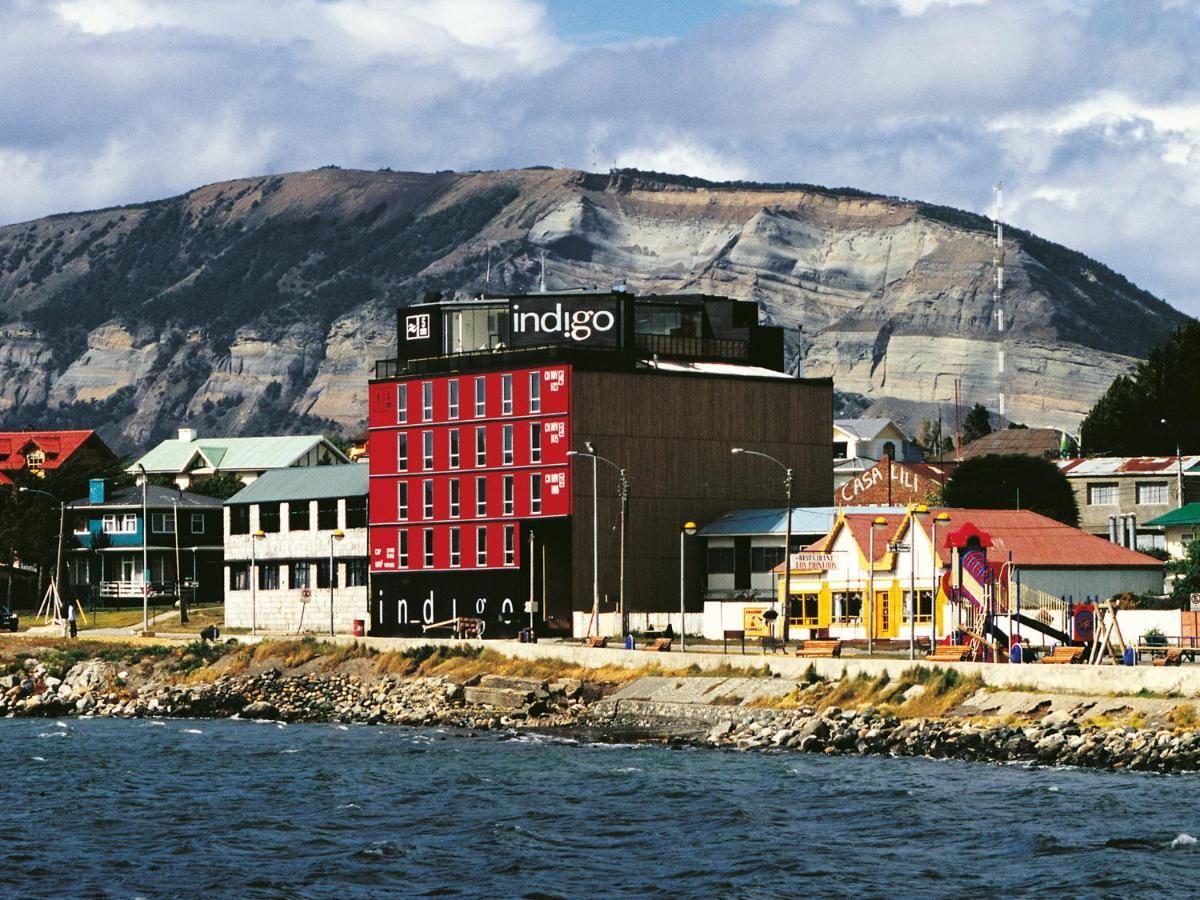
The Costanera is a scenic waterfront area where visitors can stroll along the coast and enjoy views of the fjords and mountains in the distance. There are also several restaurants and cafes in the area, making it a great place to relax and enjoy some local cuisine.
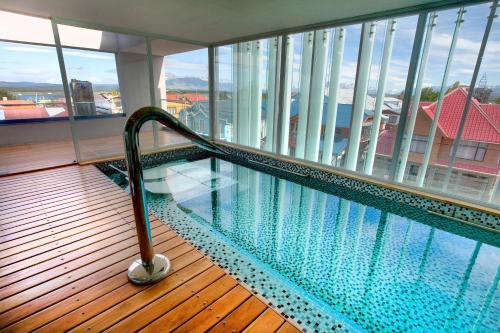
There are several hotels and hostels in Puerto Natales, ranging from budget-friendly options to more luxurious accommodations. Many hotels offer tours and excursions to nearby attractions, such as the Torres del Paine National Park.
Whether you're an outdoor enthusiast looking to explore the natural beauty of Patagonia or a history buff interested in learning about the town's past, Puerto Natales has something for everyone. With its stunning landscapes, friendly locals, and vibrant culture, this charming town is sure to leave a lasting impression on visitors.
Is Puerto Natales in Chile or Argentina? Explained
Puerto Natales is a locality located in the southern region of Chile. It is the capital of the Última Esperanza Province, which is part of the Magallanes and Chilean Antarctica Region.
Puerto Natales is not located in Argentina, but it is close to the border between the two countries. It is approximately 250 km (155 miles) north of Punta Arenas, the largest city in the region, and 275 km (170 miles) south of El Calafate, a city in Argentina known for its proximity to the famous Perito Moreno Glacier.
The town of Puerto Natales is located on the shores of the Última Esperanza Sound, a large inlet that is part of the Pacific Ocean. It is surrounded by stunning natural landscapes, including the Torres del Paine National Park, which is located about 115 km (71 miles) north of the town.
Puerto Natales is a popular destination for tourists who want to explore the natural beauty of southern Chile. The town has a small airport and a port that serves as a gateway to the nearby fjords and glaciers. It is also a starting point for visitors who want to hike or trek in the Torres del Paine National Park.
In addition to its natural attractions, Puerto Natales has a rich cultural heritage. The town was founded in 1911 as a port for the sheep farming industry, and it has since become an important center for tourism and commerce in the region. Visitors can explore the town's museums, art galleries, and historic buildings, which showcase the history and culture of the area.
The Fascinating History of Puerto Natales, Chile
Puerto Natales is a small city located in the southern part of Chile, in the province of Última Esperanza. It is a popular tourist destination due to its proximity to the stunning Torres del Paine National Park and the beautiful fjords of Patagonia. However, the history of this charming town is equally fascinating.
The first inhabitants of the area were the Kawésqar people, who were nomadic hunters and gatherers. They were expert navigators and lived on the shores of the fjords and channels, relying on the sea for their survival. The Kawésqar called the area "Seno de Última Esperanza," which means "Last Hope Sound," as it was the last place where they could find shelter before reaching the open sea.
In the late 19th century, European immigrants started to arrive in the area, attracted by the abundant natural resources and the strategic location of Puerto Natales. The town was founded in 1911, and its development was boosted by the arrival of the sheep ranching industry. Sheep farming became the main economic activity in the area, and Puerto Natales became a hub for the export of wool and meat.
During the 20th century, Puerto Natales went through several transformations. In the 1930s, the government of Chile built a meatpacking plant in the town, which created new job opportunities and brought more people to the area. In the 1950s, the opening of a cement factory further boosted the local economy.
However, in the 1970s, the sheep ranching industry started to decline due to the competition from synthetic fibers and the increasing cost of labor. The meatpacking plant and the cement factory also closed down, leaving many people without jobs. The town went through a period of economic hardship, and many young people left in search of better opportunities elsewhere.
Despite these challenges, Puerto Natales managed to reinvent itself as a tourist destination in the 1980s. The opening of Torres del Paine National Park in 1959 had already put the area on the map as a natural wonder. However, it was not until the 1980s that tourism started to become a significant source of income for the town. Today, Puerto Natales is a bustling tourist center, with a wide range of accommodation options, restaurants, and outdoor activities.
The history of Puerto Natales is rich and varied, reflecting the challenges and opportunities of a remote and beautiful corner of the world. From the Kawésqar people to the European immigrants, from sheep farming to tourism, the town has adapted and evolved over time, always finding new ways to thrive.
Drinking Tap Water in Puerto Natales, Chile: Safe or Risky?
Puerto Natales is a small city located in the southern region of Chile, known for its proximity to incredible natural wonders such as Torres del Paine National Park and the Perito Moreno Glacier. However, when it comes to drinking tap water in Puerto Natales, travelers may wonder if it is safe or risky.
The short answer is: it is generally safe to drink tap water in Puerto Natales, but it is recommended to take precautions.
The tap water in Puerto Natales comes from underground wells and is treated with chlorine, which helps to kill most bacteria and viruses. However, the water may still contain minerals and other contaminants that can cause stomach problems for some people, especially those who are not used to the local water.
To be on the safe side, it is recommended to:
Boil tap water for at least 3 minutes before drinking it.
Use water filters or purification tablets.
Buy bottled water, which is widely available in stores and restaurants.
It is important to note that:
The quality of tap water may vary in different parts of the city.
During times of heavy rainfall, the water may become contaminated with runoff.
Some travelers may experience minor stomach problems even when drinking bottled water, as their digestive systems adjust to new foods and water.
In conclusion, Puerto Natales is a hidden gem in Chile that is worth exploring. From its stunning natural landscapes to its rich cultural heritage, there is something for everyone in this charming locality. Whether you are a nature enthusiast, a history buff, or simply looking for a relaxing getaway, Puerto Natales has it all. So if you are planning a trip to Chile, be sure to add Puerto Natales to your itinerary and experience the magic of this picturesque town for yourself.