











Discover Salta
If you're feeling adventurous, take a trip to the Salinas Grandes salt flats, where you can witness the vast expanse of white salt and take some incredible photos. And for the more adrenaline-seeking tourists, there are opportunities for mountain biking, hiking, and even paragliding.
Salta also has a rich cultural heritage, with a mix of indigenous and Spanish influences. You can experience this through the city's traditional food, music, and dance. Don't miss the chance to try empanadas, humitas, and locro – all delicious dishes that are unique to the region.
Discover Salta's Location: Region in Argentina
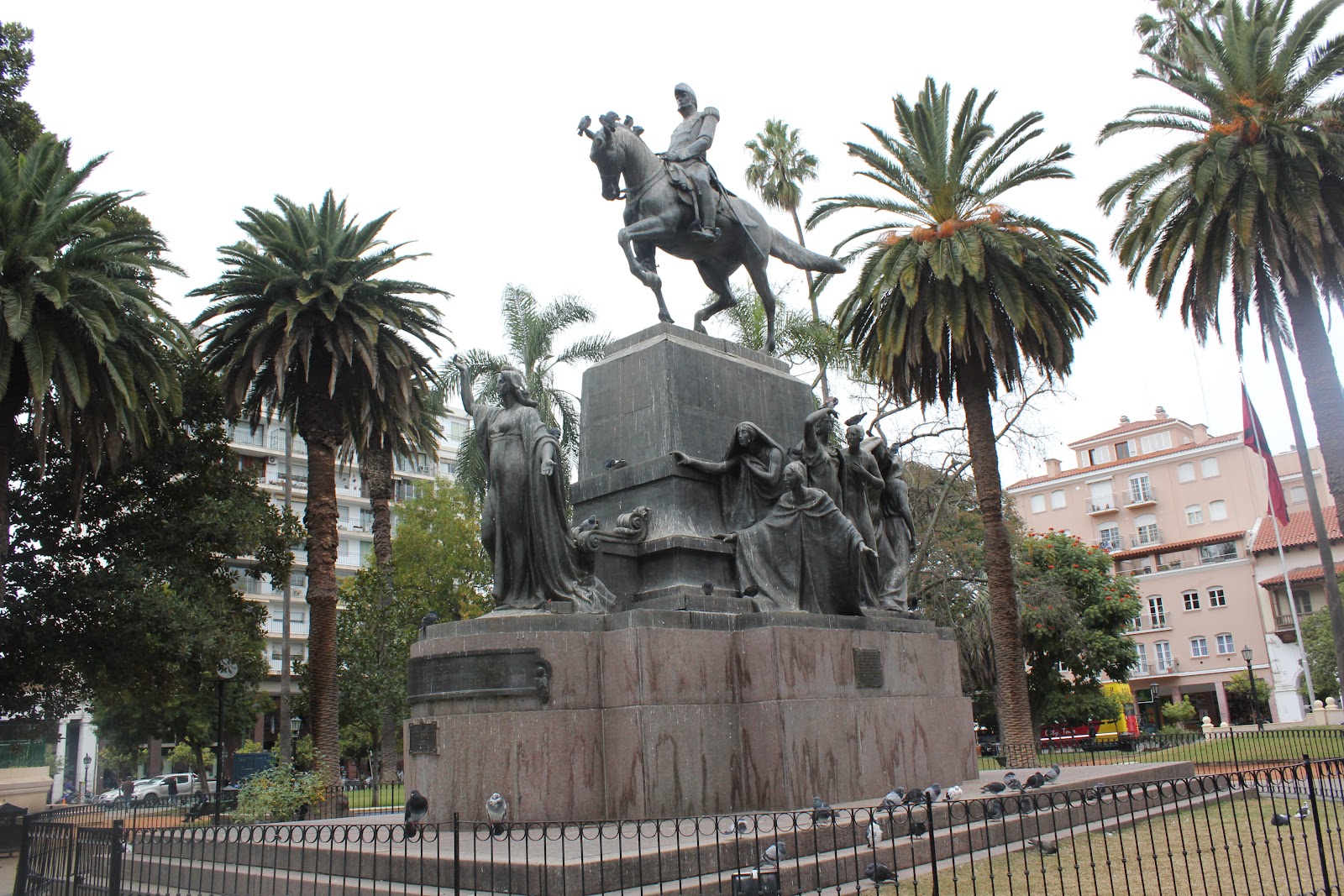
Salta is a province located in the northwest of Argentina. It is bordered by Chile, Bolivia, and Paraguay, making it an important location for international trade and tourism.
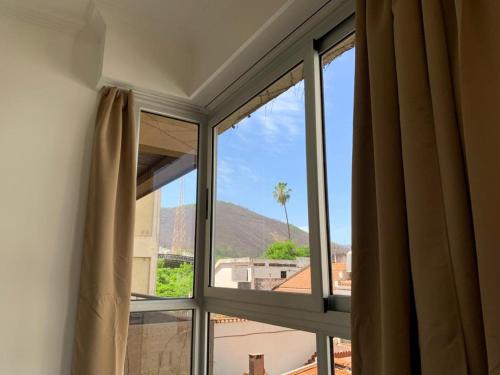
The region is known for its stunning natural landscapes, including the Andes mountains, the Puna desert, and the Salinas Grandes salt flats. Visitors can also explore the Quebrada de Humahuaca, a UNESCO World Heritage site that contains ancient ruins and colorful rock formations.
Salta city, the capital of the province, is a colonial-era town with beautiful architecture and a vibrant cultural scene. The city is home to several museums and galleries displaying local art and history. One of the most popular attractions in Salta city is the Cerro San Bernardo, a hill that offers stunning panoramic views of the city and the surrounding mountains.
Salta is also known for its delicious cuisine, which includes regional specialties such as empanadas, locro, and tamales. Visitors can also enjoy local wines from the nearby Cafayate region.
Discover Salta Argentina's Cultural Wonders
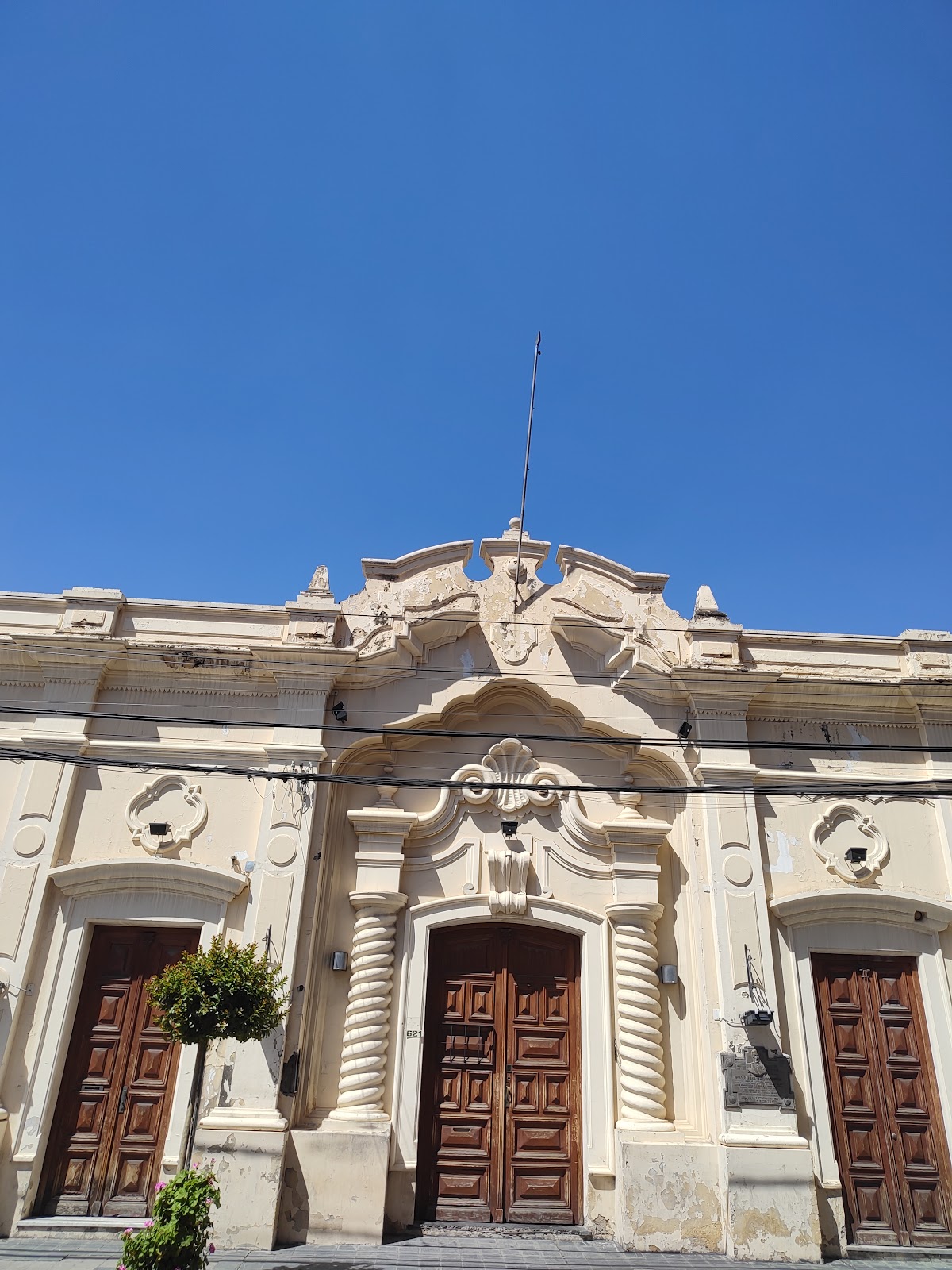
Salta is a province located in the northwest of Argentina. It is known for its rich culture and history, as well as its stunning landscapes. Visitors to Salta can experience the region's unique blend of Spanish and indigenous traditions.
One of the most popular attractions in Salta is the city of Salta itself. The city is known for its colonial architecture, museums, and churches. The Cathedral of Salta, also known as the Cathedral of Saint John the Baptist, is a must-see attraction. The church was built in the 19th century and features stunning neo-classical architecture. Other popular attractions in the city include the Museum of High Mountain Archaeology and the San Francisco Church and Convent.
Another popular attraction in Salta is the Train to the Clouds. This train ride takes visitors through the stunning Andes Mountains, providing breathtaking views of the region's natural beauty. The train reaches an altitude of over 13,000 feet, making it one of the highest train rides in the world.
The province of Salta is also known for its traditional music and dance. Visitors can experience the region's music and dance at the Peña Gauchos de Güemes, a traditional music and dance venue located in the city of Salta. The venue features live performances by local musicians and dancers, as well as traditional food and drink.
Another cultural attraction in Salta is the Pachamama Museum. The museum is dedicated to the history and culture of the region's indigenous people. Visitors can learn about the traditional beliefs and practices of the indigenous people of Salta, as well as view artifacts and artwork.
Finally, Salta is known for its traditional food and drink. Visitors can sample local dishes such as empanadas, locro, and humitas at traditional restaurants throughout the city. The region is also known for its wine, particularly the Torrontés varietal.
Discovering Salta Argentina's Size
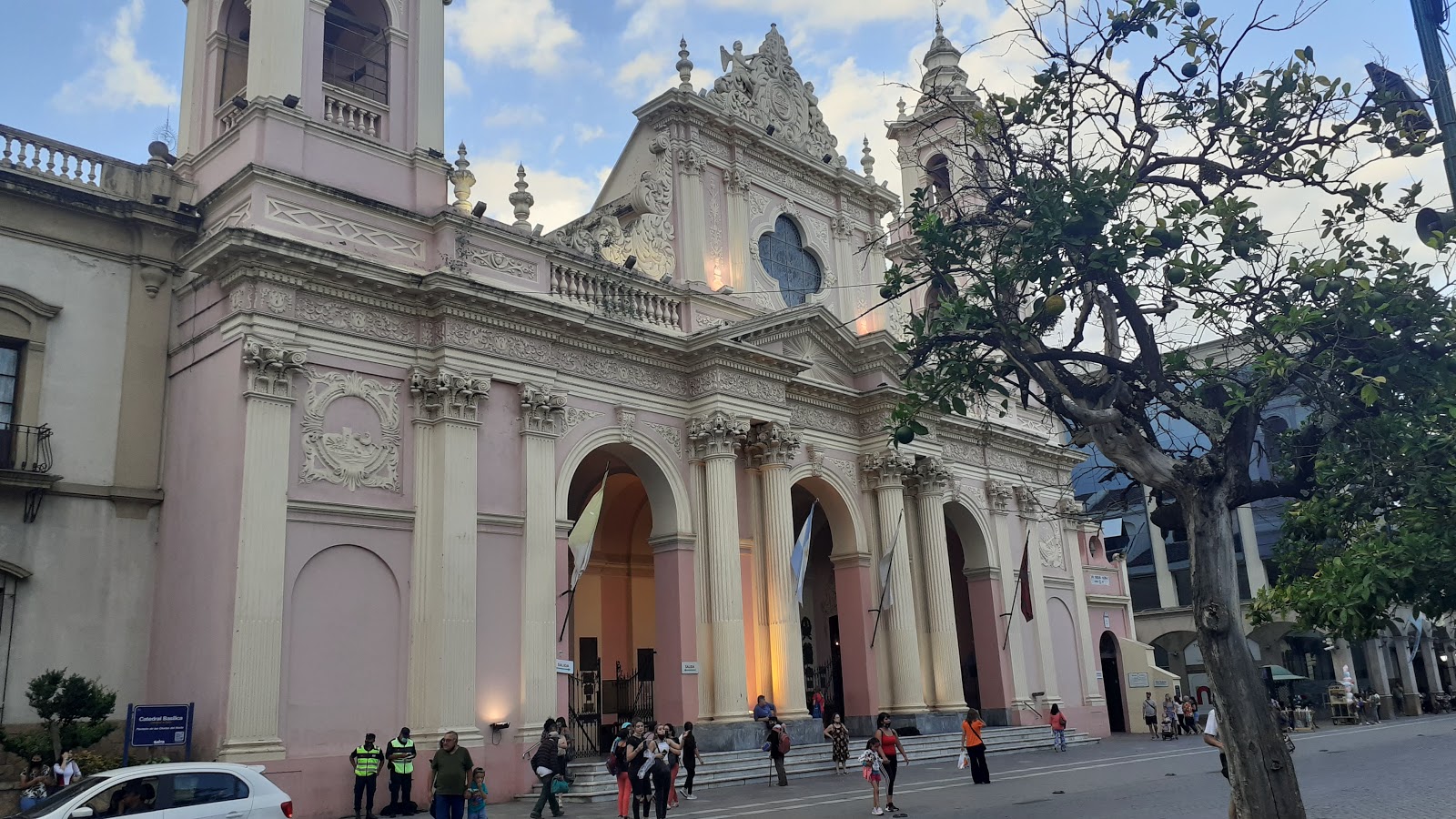
Salta is a city located in the northwestern part of Argentina. It is the capital of the Salta province and one of the most important cities in the region. This city has a rich history, and it is known for its colonial architecture, museums, and beautiful landscapes. However, one of the most striking features of Salta is its size.
Salta has a total area of 15,441 km², which makes it one of the largest cities in Argentina. This size allows the city to have a diverse landscape, with mountains, rivers, and valleys, which are ideal for outdoor activities such as hiking, rafting, and horseback riding. The city itself is relatively small, with a population of around 600,000 people. However, the metropolitan area of Salta is home to over 1 million people, which makes it the eighth-largest metropolitan area in Argentina.
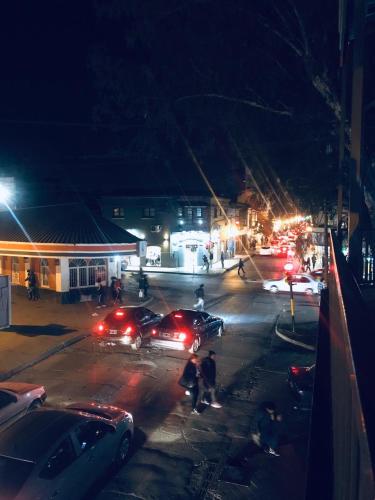
The city of Salta is divided into several neighborhoods, each with its own unique characteristics. The most popular neighborhoods are the Historic Center, which is home to the city's most important museums and landmarks, and the Balcarce area, which is known for its nightlife and live music.
Salta is also an important cultural center in Argentina. The city is home to several festivals and events throughout the year, including the famous Salta Carnival, which takes place every February. The carnival is a celebration of the city's rich cultural heritage, with music, dance, and colorful costumes.
The city of Salta is also known for its delicious cuisine. The local cuisine is a blend of indigenous and Spanish influences, and it is characterized by its use of regional ingredients and spices. Some of the most popular dishes include locro, empanadas, and humita.
Discover Salta Argentina's Population
Salta is a locality located in the northwest of Argentina, known for its beautiful landscapes and rich cultural heritage. The population of Salta is estimated to be around 1.2 million people, making it one of the largest cities in the country.
The population of Salta is diverse, with people of European, indigenous, and mixed-race backgrounds. The city has a long history of immigration, with many Europeans arriving in the late 19th and early 20th centuries. Today, Salta is home to a significant number of people of Italian, Spanish, and German descent.
Indigenous groups also make up a significant portion of Salta's population. The Quechua people are the largest indigenous group in the region, and their influence can be seen in the city's architecture, food, and customs.
Salta's population is growing steadily, with many people moving to the city to take advantage of its strong economy and high quality of life. The city is a major hub for tourism, agriculture, and mining, and has a thriving cultural scene. As a result, many young professionals are choosing to make Salta their home.
In conclusion, Salta is a hidden gem in Argentina that is definitely worth a visit. Its rich history, stunning landscapes, and vibrant culture make it a unique destination that will leave you in awe. From exploring the colonial architecture of its old town to trekking through the colorful valleys of the Andes, Salta has something for everyone. So, if you're looking for an off-the-beaten-path adventure, add Salta to your travel bucket list and get ready to discover one of Argentina's most captivating destinations.