









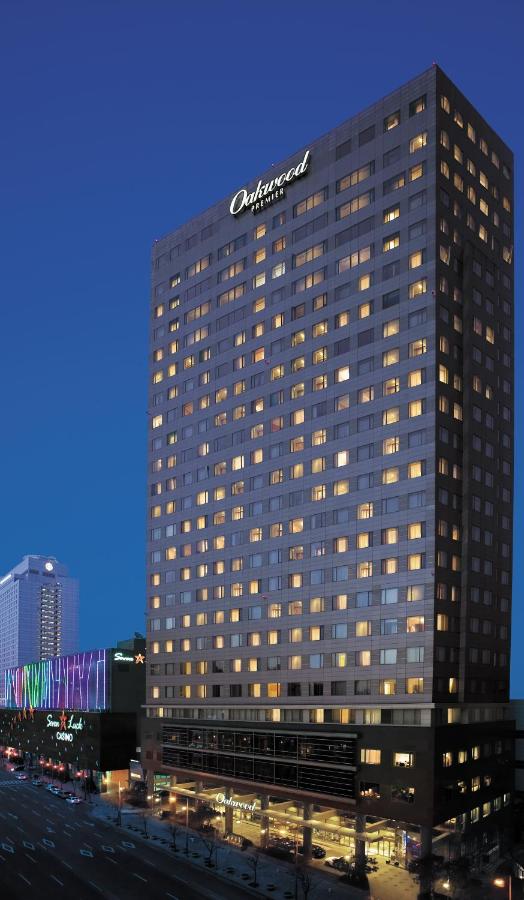
Discover Seoul
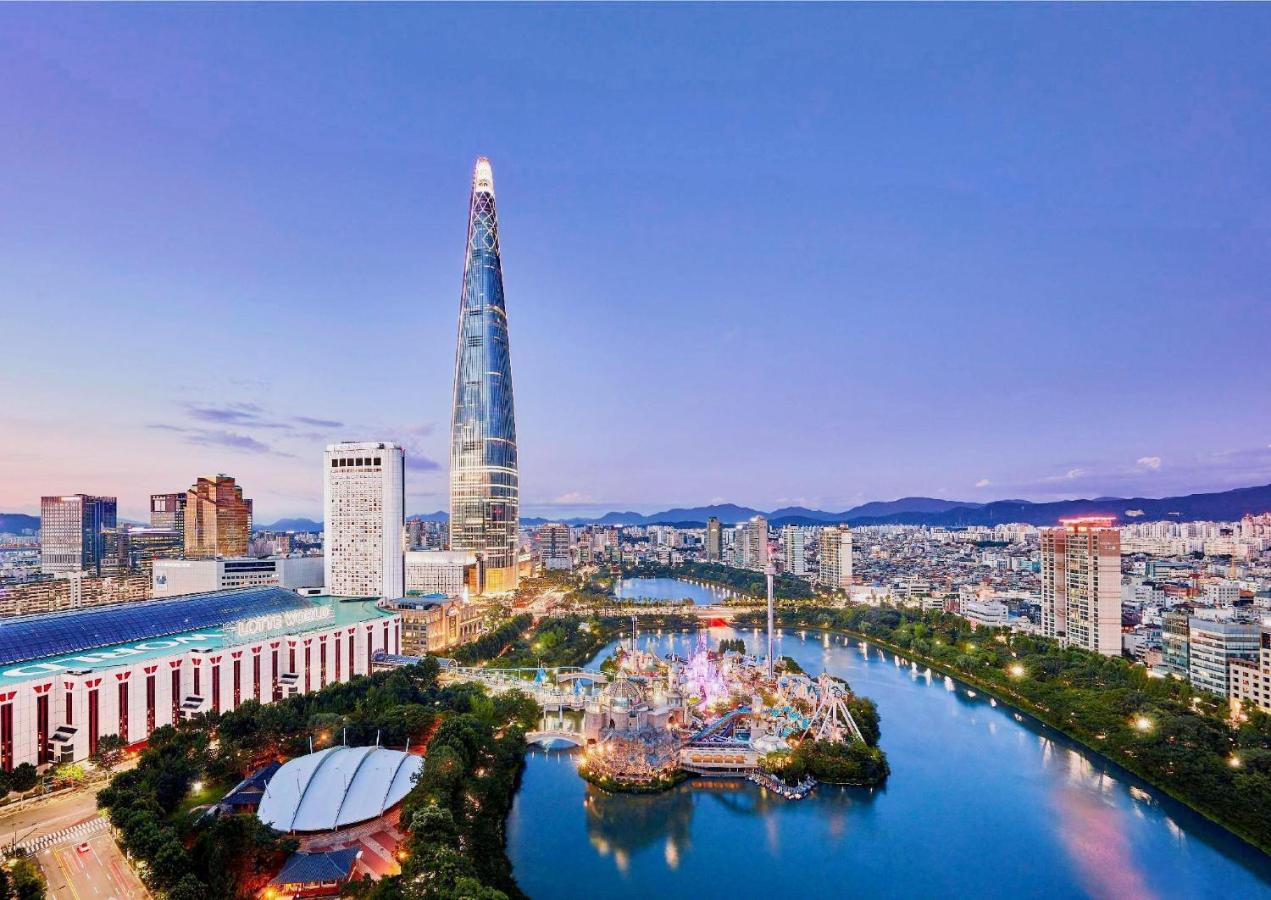
Another must-see attraction in Seoul is the Namsan Tower, a 236-meter tall communications tower that offers breathtaking views of the city. You can take a cable car up to the observation deck and enjoy panoramic views of Seoul's skyline. At the tower's base, you'll find the Namsan Park, a beautiful green oasis in the heart of the city.
Of course, no visit to Seoul would be complete without sampling the local cuisine. Korean food is known for its bold flavors, spices, and fermented ingredients. You'll find countless restaurants and street vendors throughout the city serving up classics like bibimbap, kimchi, and bulgogi.
If you're looking for a unique shopping experience, head to Myeong-dong, a bustling commercial district known for its fashion boutiques, street food vendors, and skincare shops. You can also visit the Dongdaemun Market, one of the largest wholesale and retail markets in the city, where you'll find everything from clothing to electronics.
Whether you're interested in history, food, or shopping, Seoul has something for everyone. It's a city that seamlessly blends tradition and modernity, offering a truly unforgettable travel experience. So why not add Seoul to your bucket list and experience all that this dynamic city has to offer?
Discover the Republic of Seoul: Facts and Insights
Seoul, the capital city of South Korea, is a bustling metropolis with a rich history and culture. It is a city that is deeply rooted in tradition but is also embracing modernity with open arms. Here are some fascinating facts and insights about the city:
1. Seoul is the largest city in South Korea, with a population of over 10 million people.
It is also one of the most densely populated cities in the world. Despite the large population, Seoul is known for its cleanliness and safety.
2. Seoul has a rich cultural heritage, with many UNESCO World Heritage sites.
The city is home to five palaces, including the Gyeongbokgung Palace, which was built in 1395. Other UNESCO sites include the Jongmyo Shrine and the Changdeokgung Palace.
3. Seoul is known for its vibrant food scene.
The city is famous for its street food, including dishes like tteokbokki (spicy rice cakes) and bibimbap (mixed rice bowl). Korean barbecue is also a must-try when visiting Seoul.
4. The city is a hub for technology and innovation.
Seoul is home to some of the world's largest tech companies, including Samsung and LG. It is also one of the most connected cities in the world, with free Wi-Fi available throughout the city.
5. Seoul has a vibrant music and entertainment industry.
K-pop, or Korean pop music, has become a global phenomenon in recent years. Many of the biggest K-pop groups, like BTS and BLACKPINK, are based in Seoul. The city also has a thriving nightlife scene, with many clubs and bars open late into the night.
Discover Seoul's Strategic Location: A Guide
Seoul, the capital city of South Korea, is located in the northwest part of the country. It is surrounded by the Gyeonggi Province, which is the most populated province in South Korea. The city is situated on the Han River, which flows through the heart of the city.
Seoul's strategic location has played a crucial role in its history and development. The city is located at the center of the Korean Peninsula, making it a hub for transportation, trade, and commerce. Its location also makes it a gateway to Asia, as it is only a few hours away from major cities such as Tokyo, Beijing, and Shanghai.
One of the main advantages of Seoul's strategic location is its accessibility. The city has two international airports, Incheon International Airport and Gimpo International Airport, which connect Seoul to major cities around the world. Incheon International Airport is one of the busiest airports in the world and serves as a hub for many airlines.
Another advantage of Seoul's strategic location is its proximity to the DMZ (Demilitarized Zone). The DMZ is a buffer zone between North and South Korea and is located only 50 kilometers north of Seoul. Visitors can take a tour of the DMZ, which includes a visit to the Joint Security Area (JSA) where soldiers from both North and South Korea stand face-to-face.
Seoul's location also makes it a great destination for outdoor activities. The city is surrounded by mountains, including Bukhansan National Park, which is only a short distance from downtown Seoul. Visitors can enjoy hiking, rock climbing, and other outdoor activities in the park.
Finally, Seoul's strategic location has made it a center for global business and innovation. The city is home to many multinational corporations, including Samsung, LG, and Hyundai. It is also a hub for technology and innovation, with many startups and tech companies based in the city.
Seoul: Which State or Province is it Located?
Seoul is the capital city of the Korea, Republic of, also known as South Korea. It is located in the northwest of the country and is the largest city in South Korea with a population of over 10 million people. Seoul is a bustling metropolis that is known for its modern skyscrapers, traditional temples, and street markets.
Seoul has a long and fascinating history, dating back to the Three Kingdoms period in Korea (57 BC – 668 AD). It was first established as a city in 1394 when it became the capital of the Joseon Dynasty. Throughout the centuries, Seoul has been at the center of many important events in Korean history, including the Japanese occupation in the early 20th century and the Korean War in the 1950s.
Seoul is a popular tourist destination, attracting millions of visitors each year. The city is home to many attractions, including Gyeongbokgung Palace, a beautiful palace that dates back to the 14th century, Myeong-dong, a shopping district that is famous for its street food and trendy boutiques, and Namsan Tower, a popular landmark that offers breathtaking views of the city.
Today, Seoul is a modern and vibrant city that is known for its cutting-edge technology and innovative design. It is home to many international companies, including Samsung, LG, and Hyundai, and is a hub for business and finance in Asia. Despite its modernity, Seoul has managed to preserve its rich cultural heritage and is a great place to experience both old and new Korea.
Addressing Mail to Korea: Tips and Guidelines
When sending mail to Korea, it is important to follow certain guidelines to ensure it reaches its destination without any issues. Here are some tips to consider:
The format of the address should be written in the following order:
Building name and/or number + street name
Dong (neighborhood) + gu (district)
City or province + postal code
Korean postal codes consist of five digits and are written before the name of the city or province. It is important to include the postal code to ensure prompt delivery.
When writing the recipient’s name, it is important to use the full name and avoid using any nicknames or abbreviations. In Korea, the surname comes before the first name, so it should be written in this order.
When addressing mail to Korea, it is recommended to use Korean characters to avoid any confusion or errors. However, if you are unable to write in Korean, it is acceptable to write the address in English.
Seoul is the capital city of Korea and is located in the northern part of the country. It is divided into 25 districts or gu, each with its own postal code. When addressing mail to Seoul, it is important to include the specific district as well as the postal code.
Following these guidelines will ensure that your mail is delivered to its intended recipient in Korea without any delays or issues.
In conclusion, Seoul is a vibrant and dynamic city that offers visitors a unique blend of traditional and modern Korean culture. From exploring ancient palaces and temples to enjoying the latest in K-pop music and fashion, there is something for everyone in this bustling metropolis. Whether you are interested in shopping, dining, or sightseeing, Seoul has it all. So, if you are planning a trip to Korea, Republic of, be sure to put Seoul at the top of your list of must-visit destinations. You won't be disappointed!