Tutustu kohteeseen Subic
For a more laid-back experience, check out the beaches of Subic Bay, such as Camayan Beach and All Hands Beach. These white sand beaches are perfect for swimming, sunbathing, and snorkeling. You can also rent a kayak or paddleboard and explore the bay on your own.
If you're interested in history, don't miss the chance to visit the Subic Bay Naval Base Historical Museum, which showcases the area's rich military past. You can also take a tour of the Spanish-era San Roque Church, which was built in 1885 and still stands today.
Discovering Subic: Location in the Philippines
Discovering Subic: Location in the Philippines
Subic is a locality located in the province of Zambales, which is located in the Central Luzon region of the Philippines. It is a coastal town that is known for its beautiful beaches, lush forests, and rich history. Subic was once a United States naval base, but now it has become a popular tourist destination.
If you are coming from Manila, the easiest way to get to Subic is by taking the North Luzon Expressway (NLEX) and Subic-Clark-Tarlac Expressway (SCTEX). The travel time is approximately 2-3 hours, depending on traffic. Alternatively, you can take a bus from Manila to Olongapo City, which is the nearest city to Subic.
There are plenty of things to do in Subic, whether you are looking for adventure or relaxation. Some of the popular activities include:
Visiting the Zoobic Safari
Exploring the Subic Bay Freeport Zone
Going on a jungle survival tour
Visiting the Pamulaklakin Forest Trail
Trying out water sports like jet skiing and banana boating
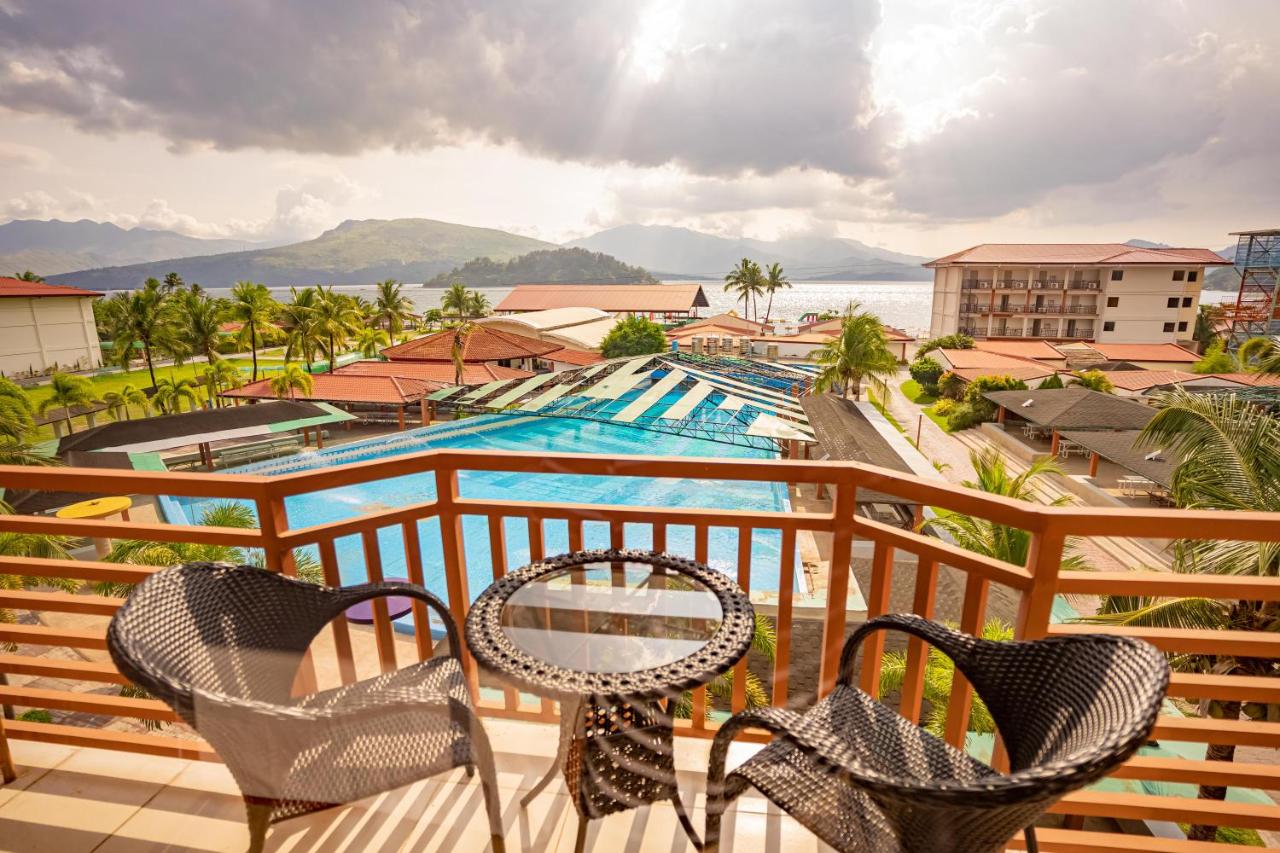
There are plenty of accommodations in Subic, ranging from budget-friendly hotels to luxurious resorts. Some of the popular options include:
Subic Bay Location: Which Country is it in?
Subic Bay is a coastal area located in the western part of the Philippines. Specifically, it is situated in the province of Zambales, which is in the Central Luzon region of the country. The bay is bordered by the towns of Subic and Morong, and is located approximately 100 kilometers northwest of the capital city of Manila.
Subic Bay has a rich history and was once an important naval base for the United States during their occupation of the Philippines. The base was established in 1899, and was used to support American military operations in the region until 1992, when the Philippine government ordered the US military to leave the area.
Since then, the area has been transformed into a commercial and industrial hub, with many businesses setting up shop in the former naval base. Today, Subic Bay is a popular tourist destination, with many attractions such as beaches, water parks, and zoos.
Subic Bay is also home to a number of important conservation efforts, particularly with regards to marine life. The area is home to a variety of marine species, including dolphins, whales, and sea turtles, and efforts have been made to protect these animals and their habitats.
Subic Bay: Location and Distance from Manila
Subic Bay is a coastal town in the province of Zambales, located in the Central Luzon region of the Philippines. It is situated on the west coast of the island of Luzon, facing the South China Sea.
The distance from Manila to Subic Bay is approximately 110 kilometers. It takes about 2-3 hours to travel by car or bus, depending on traffic conditions.
Subic Bay is a popular tourist destination known for its beaches, water sports, and other outdoor activities. It is also home to various historical landmarks, such as the Spanish Gate and the Subic Bay Naval Base, which was once used by the United States Navy.
The town of Subic Bay is located near other popular tourist destinations, such as the city of Olongapo and the town of Morong. It is also within driving distance of the famous Mount Pinatubo volcano.
Why US left Subic Bay: Causes & Consequences
Subic Bay, located in the Philippines, is a natural deep-water harbor that has played a significant role in the country's history. For over a century, the United States Navy used Subic Bay as a major military base in the Asia-Pacific region. However, this all changed in 1992 when the US officially pulled out of Subic Bay. This article will explore the causes and consequences of this decision.
The decision to leave Subic Bay was not a sudden one. It was the result of a long and complicated process that began in the 1970s. One of the main reasons for the US withdrawal was the rising anti-American sentiment in the Philippines. The US had been seen as a colonial power that had exploited the country for its own interests. This sentiment was fueled by a number of factors, including the Philippine government's demand for increased rent for the use of the base, and the conviction of a US Marine for raping a Filipina in 2005.
In addition to these political factors, there were also economic considerations. The US was facing budget constraints and was looking to reduce its military presence in the world. This meant that maintaining a large military base in the Philippines was becoming increasingly expensive.
The US withdrawal had a significant impact on the local economy in Subic Bay. The base had been a major source of employment for the local population, and its closure resulted in the loss of thousands of jobs. However, in the long term, the withdrawal has also had some positive effects. The Philippine government was forced to look for alternative sources of income, which led to the development of the Subic Bay Freeport Zone. This zone is now a major economic hub, attracting foreign investment and providing job opportunities for the local population.
The withdrawal also had a political impact on the Philippines. It signaled a shift away from the country's traditional reliance on the US for security and towards a more independent foreign policy. The Philippines has since strengthened its ties with other countries, such as China and Russia, and has pursued a more assertive stance in regional politics.
The US withdrawal from Subic Bay was a significant event in the history of the Philippines. It was the result of a complex set of factors, including rising anti-American sentiment and economic considerations. While the withdrawal had a negative impact on the local economy, it also led to the development of the Subic Bay Freeport Zone and a more independent foreign policy for the Philippines.
In conclusion, Subic Bay offers a unique blend of history, natural beauty, and modern amenities that make it a must-visit destination in the Philippines. Its rich cultural heritage, stunning beaches, and vibrant nightlife make it an ideal spot for tourists seeking adventure and relaxation. Subic's strategic location also makes it a vital economic hub in the region, attracting both local and foreign investors. Whether you're looking for a family-friendly vacation or a romantic getaway, Subic has something to offer for everyone. Plan your next trip to this enchanting locality and discover the hidden gems of Subic Bay.