Discover Tsumeb
If you're a nature lover, Tsumeb won't disappoint. The town is surrounded by stunning landscapes and natural wonders, including the Etosha National Park and the Hoba Meteorite. The Etosha National Park is home to a diverse range of wildlife, including elephants, lions, and giraffes. The Hoba Meteorite, on the other hand, is the largest known meteorite on Earth, and it's estimated to be over 80,000 years old.
For adventure seekers, Tsumeb offers a range of outdoor activities, such as hiking and camping. The Otavi Mountains, where Tsumeb is located, are a hiker's paradise, with numerous trails that offer breathtaking views of the surrounding countryside.
Discovering Tsumeb's Province Location for Travelers
Tsumeb is a small town located in the Oshikoto region of Namibia, Africa. It is known for its rich mining history and diverse wildlife. It is a great destination for travelers who want to experience Namibia's unique culture, history, and natural beauty.
There are several ways to get to Tsumeb. The easiest way is to fly into Hosea Kutako International Airport in Windhoek and take a domestic flight to Tsumeb Airport. Alternatively, you can take a bus or hire a car to drive from Windhoek to Tsumeb, which takes about 4-5 hours.
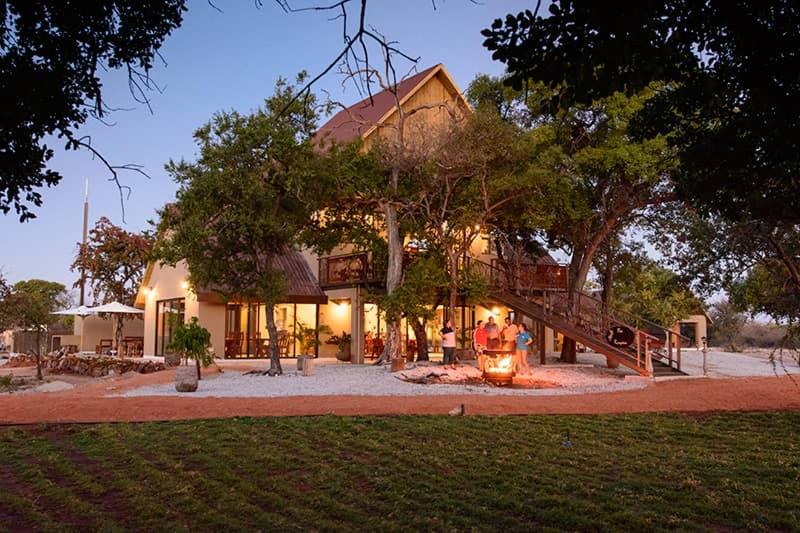
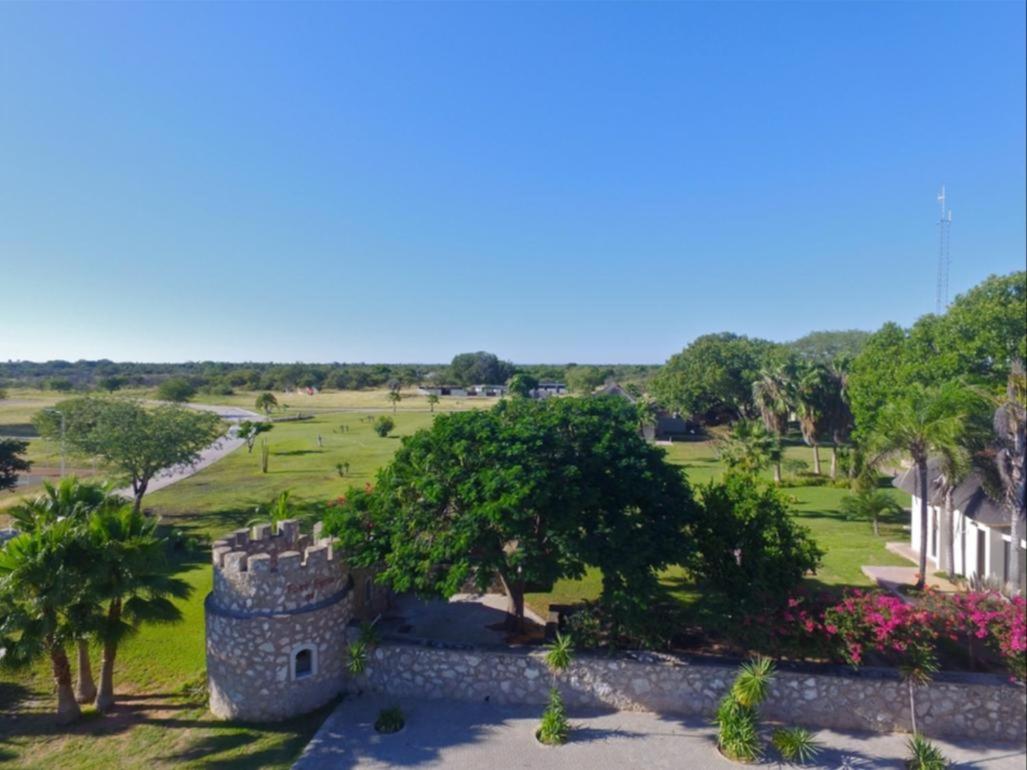
Tsumeb has a range of accommodation options to suit all budgets and preferences. There are hotels, lodges, guesthouses, and campsites available. Some popular options include Tsumeb Backpackers Lodge, Mokuti Etosha Lodge, and Onguma The Fort.
Tsumeb has a range of activities and attractions to suit all types of travelers. Here are some of the most popular things to do:
Visit the Tsumeb Museum - This museum showcases the town's mining history and has a collection of minerals and artifacts.
Explore the Tsumeb Open Market - This market sells a range of local crafts, souvenirs, and food.
Go on a wildlife safari - There are several game reserves and national parks in the area where you can see elephants, lions, giraffes, and other animals.
Visit the Etosha National Park - This park is located about an hour's drive from Tsumeb and is home to a variety of wildlife, including rhinos, zebras, and cheetahs.
Go on a cultural tour - You can learn about the local Herero and Himba tribes and their customs and traditions.
Discovering Tsumeb's Fascinating History
Tsumeb is a locality located in the Oshikoto region of Namibia. It is a small town with a population of around 15,000 people. Despite its size, Tsumeb has a fascinating history that is worth exploring.
The town was founded in the early 1900s by German colonizers who were interested in the area's rich mineral deposits. Tsumeb's name comes from the Herero word "Otjozondjii" which means "Place of the Moss". The Germans established a mining company, which became one of the most successful mining ventures in the world.
Tsumeb's history is closely linked to the copper, lead, and zinc deposits that were discovered in the area. The mining operations in Tsumeb were so successful that the town became known as the "Oasis of Namibia". The mining operations continued until the early 1990s, when they were eventually shut down due to declining ore quality and high production costs.
Aside from its mining history, Tsumeb is also known for its unique architecture and cultural heritage. The town has a number of historic buildings that date back to the colonial era, including the Tsumeb Museum, which showcases the town's mining history and cultural artifacts.
Tsumeb is also home to a number of traditional Himba villages. The Himba people are known for their distinctive red ochre skin coloring and intricate hairstyles. Visitors to Tsumeb can learn about the Himba culture and even take part in traditional ceremonies and dances.
Discovering the Source of Tsumeb's Water
Tsumeb is a locality in Namibia country that has been known for its abundant water resources since ancient times. However, the exact source of the water has been a mystery for many years. Recently, a team of geologists discovered the source of the water and it turns out to be a fascinating story.
The geologists discovered that the water in Tsumeb comes from an underground lake that is over 10,000 years old. The lake is located deep beneath the surface and is fed by a network of underground rivers that flow from the surrounding mountains. The water is then filtered through layers of rock and sand, which gives it its unique quality and taste.
The discovery of the underground lake has important implications for the people of Tsumeb. It means that the water supply is sustainable and will not run out anytime soon. This is especially important in a region where water scarcity is a major issue. The knowledge of the source of the water can also be used to ensure that the water is protected from pollution and other forms of contamination.
Furthermore, the discovery of the underground lake also has scientific significance. It sheds light on the geological processes that have shaped the landscape of Tsumeb and the surrounding areas. The study of the underground lake can also provide insights into how similar lakes and water systems form in other parts of the world.
The Tsumeb Mine: Uncovering its Name
The Tsumeb Mine is a historic mine located in the Tsumeb locality of Namibia country. The mine is known for its high-quality minerals and has a rich history dating back to the early 1900s. The name Tsumeb itself has an interesting origin story.
In the Herero language, Tsumeb means "Place of the Moss" or "Green Place". This is likely due to the fact that the area around Tsumeb receives more rainfall than other parts of Namibia, resulting in a lush and green landscape.
However, the name Tsumeb is also associated with the mine itself. According to local legend, the name Tsumeb was given to the mine by a group of Ovambo workers who were employed there in the early days. The workers were reportedly impressed by the high-quality minerals they were uncovering and dubbed the mine "Tsumeb", which roughly translates to "the place where the metal is".
Over the years, the Tsumeb Mine has become known for its exceptional specimens of minerals such as azurite, malachite, and dioptase. It has also played a significant role in the economic development of Namibia, providing jobs and revenue for the local community.
In recent years, the Tsumeb Mine has undergone a period of transition. In 2019, it was acquired by a Chinese consortium and is currently undergoing renovations and modernization efforts. Despite these changes, the mine's rich history and legacy continue to be celebrated by locals and mineral enthusiasts alike.
Overall, visiting Tsumeb in Namibia is a unique experience that offers a glimpse into the country's rich history, culture, and natural wonders. From exploring the Old Mine Museum to admiring the stunning landscapes of the Etosha National Park, there is something for everyone to enjoy. Whether you are a history buff, wildlife enthusiast, or simply seeking a new adventure, Tsumeb is a must-visit destination that promises to leave you with lasting memories and a newfound appreciation for Namibia's beauty and diversity.