
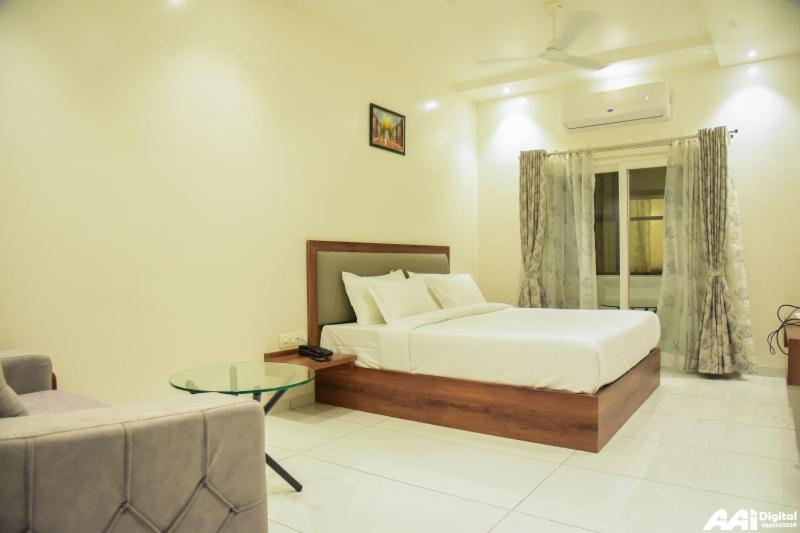
Discover Tuljapur
If YOU are interested in nature and wildlife, Tuljapur has plenty to offer. The town is home to the Naldurg Fort Wildlife Sanctuary, which is a haven for bird watchers and nature enthusiasts. The sanctuary is home to several species of birds, animals and reptiles, and is a great place to reconnect with nature.
Finally, no trip to Tuljapur is complete without sampling the local cuisine. The town is famous for its traditional Maharashtrian food, and YOU will find several street vendors and restaurants that serve delicious snacks and meals. Make sure to try the local specialty, the zunka bhakar, which is a dish made from gram flour and jowar.
Tuljapur: Discover the Fascinating History and Culture
Tuljapur is a small town located in the Osmanabad district of Maharashtra state in India. The town is famous for its temple dedicated to Goddess Tulja Bhavani, the family deity of the Maratha ruler Shivaji. The temple is considered to be one of the 51 Shakti Peethas, which are the places where body parts of the Goddess Sati fell when Lord Shiva carried her body. The temple attracts thousands of devotees every year.
Aside from the temple, Tuljapur also has a rich history and culture that is worth exploring. The town was an important center during the Maratha Empire and played a significant role in many of the battles fought by the Marathas. The town also has a number of historic structures that are worth visiting, including the Tuljapur Fort, which was built in the 12th century and is now in ruins.
Another interesting attraction in Tuljapur is the Gomukh Temple, which is dedicated to Lord Shiva and has a unique architectural style. The temple has a water spring that flows out of a sculpted cow head, which is why the temple is called Gomukh (meaning "cow's mouth" in Hindi).
Tuljapur is also known for its vibrant culture and festivals. The town celebrates the annual Tulja Bhavani fair, which is held during the Navratri festival and attracts thousands of visitors. The fair is known for its colorful processions, traditional music and dance performances, and street food stalls. Other festivals celebrated in Tuljapur include Diwali, Holi, and Ganesh Chaturthi.
Tuljapur is a great destination for those interested in history, culture, and spirituality. The town offers a unique glimpse into the Maratha Empire and the ancient Indian civilization. Visitors can explore the historic structures, attend the colorful festivals, and seek blessings at the Tulja Bhavani temple.
Discover Tuljapur's Location: State Revealed
Located in the state of Maharashtra, India, Tuljapur is a small town with a rich history and cultural significance.
The town is situated in the Osmanabad district and is well-known for its temple dedicated to the Hindu goddess Bhavani. The temple attracts thousands of devotees each year and is considered to be one of the most important religious sites in the region.
Tuljapur is also home to several other temples and historical landmarks, such as the Tulja Bhavani Mandir, the Shri Dhakte Tuljapur Ghat, and the Shri Ganesh Temple. These sites offer visitors a glimpse into the town's past and its enduring cultural traditions.
For those interested in exploring the natural beauty of the area, Tuljapur is surrounded by lush green hills and scenic countryside. The town is also located near the Bhuleshwar Wildlife Sanctuary, which is home to a variety of flora and fauna.
Discover Tuljapur's Ancient Name for a Glimpse into Its Rich History
Tuljapur is a locality located in the Indian state of Maharashtra. This small town is famous for its ancient temple dedicated to Goddess Bhavani. However, there is much more to Tuljapur than just its temple. The town has a rich history that dates back to ancient times. Discover Tuljapur's ancient name for a glimpse into its rich history.
The ancient name of Tuljapur was Chinchpur. It is believed that the town got its name from the Chinch plant that used to grow abundantly in the area. Chinchpur was an important town during the Yadava dynasty. The town was also an important center of trade and commerce during the medieval period. The town's strategic location on the trade route between North India and South India made it an important center of trade.
During the reign of the Maratha Empire, Tuljapur became an important center of power. The town was under the control of the Bhosale dynasty, who were the rulers of the Maratha Empire. The Bhosale rulers made significant contributions to the development of Tuljapur. They built several temples and other important structures in the town. Today, these structures stand as a testimony to the rich history of Tuljapur.
One of the most important structures in Tuljapur is the Bhavani temple. The temple is dedicated to Goddess Bhavani, who is considered to be an incarnation of Goddess Durga. The temple is believed to have been built during the 12th century. The temple is an important pilgrimage site for Hindus and attracts thousands of devotees every year. The temple's architecture and design are a reflection of the town's rich history and cultural heritage.
Tuljapur is also known for its vibrant culture and traditions. The town celebrates several festivals throughout the year, including Navratri, Diwali, and Holi. These festivals are an important part of the town's cultural heritage and are celebrated with great enthusiasm and zeal. Visitors to Tuljapur can experience the town's vibrant culture and traditions firsthand.
Tuljapur: Urban or Rural? Unveiling the Truth
Tuljapur is a locality situated in the Osmanabad district of the Indian state of Maharashtra. The town is known for its historic temple of Goddess Tulja Bhavani, which attracts a large number of devotees from all over the country. Apart from its religious significance, Tuljapur is also an important hub for agriculture and education in the region.
Tuljapur is primarily a rural area, with a majority of the population living in villages and engaged in agriculture and allied activities. However, in recent years, the town has witnessed some urbanization due to the growth of educational institutions and the establishment of small-scale industries. As a result, the town has seen an increase in population and the development of basic infrastructure such as roads, electricity, and water supply.
The economy of Tuljapur is largely agrarian, with the town being known for its production of jowar, bajra, and pulses. In addition to agriculture, the town also has a small-scale industry sector, with units engaged in the production of textiles, food products, and handicrafts. The presence of educational institutions such as Tuljapur College of Engineering and the Tuljapur Campus of the Tata Institute of Social Sciences has also led to the growth of ancillary services such as coaching classes, hostels, and restaurants.
As mentioned earlier, Tuljapur has seen some development of basic infrastructure in recent years, although there is still a long way to go. The town is well-connected by road to nearby cities such as Solapur and Osmanabad, and there is a bus stand and a railway station in the town. However, the quality of roads and public transport needs improvement. The town also faces issues with water scarcity and electricity supply, especially during the summer months.
Tuljapur is a predominantly rural area with some urbanization due to the growth of educational institutions and small-scale industries. The town is known for its historic temple and its role as an agricultural and educational hub in the region. While there has been some development of basic infrastructure, there is still a lot of work to be done to improve the quality of life for the people of Tuljapur.
In conclusion, Tuljapur is a small yet significant locality in Maharashtra, India. It has a rich history and cultural heritage that is evident in the many temples and monuments that dot the area. The town is also known for its delicious cuisine and vibrant festivals. Tuljapur is a perfect destination for those who want to explore the spiritual side of India and experience its unique traditions. Whether you are a history enthusiast or a foodie, Tuljapur has something for everyone. So, pack your bags and head to Tuljapur to immerse yourself in the beauty of this charming Indian locality.