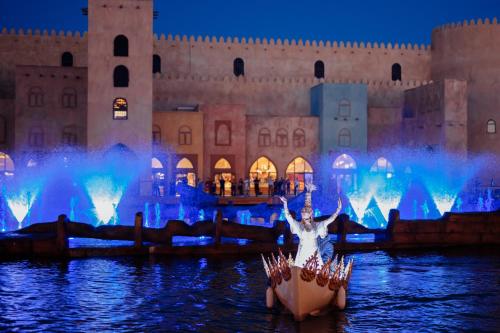


Discover Türkistan
Discover Turkistan's Rich Culture and History
Türkistan is a locality in Kazakhstan that is steeped in history and culture. The region has been inhabited since ancient times and has been the site of many important events throughout history.
One of the most notable historical sites in Türkistan is the Mausoleum of Khoja Ahmed Yasawi, which is a UNESCO World Heritage Site. The mausoleum was built in the 14th century and is one of the largest and most well-preserved examples of Timurid architecture in Central Asia. It is also an important pilgrimage site for Muslims, as Khoja Ahmed Yasawi is considered a saint.
In addition to the mausoleum, Türkistan is home to many other important historical sites and landmarks. The region was an important center of the Silk Road trade route, which brought goods and ideas from China to Europe and the Middle East. As a result, Türkistan has a rich cultural heritage that is reflected in its art, music, and cuisine.
The local cuisine is particularly noteworthy, as it blends influences from the Kazakh, Uzbek, and Tajik cultures that have historically inhabited the region. Some popular dishes include shashlik (grilled meat skewers), laghman (noodle soup), and plov (rice pilaf).
Visitors to Türkistan can also experience traditional music and dance performances, which are an important part of the local culture. One popular dance style is the Kazakh eagle dance, which is performed by men wearing traditional eagle hunting outfits.
Discover the Old Name of Turkistan
Turkistan is a historic city located in the southern region of Kazakhstan. It is known for its rich culture and heritage that dates back to the ancient times. The city is home to several historical landmarks that attract tourists from all over the world. However, not many people know the old name of Turkistan.
The old name of Turkistan was "Yasy" or "Shavgar". It was one of the oldest cities in Central Asia and was a prominent center of trade and culture. The city was known for its beautiful architecture, especially the mausoleums of famous Sufi saints. The city was also an important center of Islamic learning and attracted scholars from all over the world.
The city of Turkistan has a rich history that spans over thousands of years. It was once a part of the Silk Road, which was a trading route that connected China to the Mediterranean. The city was also an important center of the Kazakh Khanate, which was a powerful empire that ruled over the region for several centuries.
In the 19th century, the city was conquered by the Russian Empire and became a part of the Russian Turkestan. During this time, the city underwent several changes and modernization efforts. However, many of its historic landmarks were preserved and are still standing today.
Today, Turkistan is a popular tourist destination that attracts visitors from all over the world. The city is home to several historical landmarks, including the Mausoleum of Khoja Ahmed Yasawi, which is a UNESCO World Heritage Site. The city is also known for its beautiful parks, museums, and markets.
Discovering the People of Turkistan: A Cultural Exploration
Discovering the People of Turkistan: A Cultural Exploration is a fascinating journey through the rich history and culture of the Turkistan locality in Kazakhstan. Situated in the southern part of the country, Turkistan has been a center of trade and commerce for centuries, and is home to a diverse mix of ethnic groups, each with their own unique traditions and customs.
The region is known for its stunning natural beauty, with the steppe landscape dotted with mountains, lakes, and rivers. Visitors to Turkistan can explore the ancient ruins of the city of Otrar, which was once a thriving center of trade on the Silk Road, or visit the mausoleum of the famous Sufi philosopher, Khoja Ahmed Yasawi.
One of the highlights of the cultural exploration is the opportunity to meet and interact with the local people. The Kazakh people, who make up the majority of the population in Turkistan, are renowned for their hospitality and warmth. Visitors can enjoy traditional Kazakh food and drink, and learn about the customs and traditions of this fascinating culture.
The cultural exploration also includes visits to local markets and bazaars, where visitors can sample traditional foods and buy local handicrafts and souvenirs. The markets are a great place to experience the hustle and bustle of everyday life in Turkistan, and to see the many different ethnic groups that call the region home.
Turkistan's Relationship with Russia: Exploring the Connection
The locality of Türkistan, located in the southern region of Kazakhstan, has a long history of connections with Russia. These connections can be traced back to the 18th century when the Russian Empire began expanding its territory into Central Asia.
One of the key factors in Türkistan's relationship with Russia is its strategic location. The city is located on the Silk Road, an ancient trade route that connected China with the Mediterranean. The importance of this route made Türkistan a valuable location for both Russia and other empires that sought to control it.
During the 19th century, the Russian Empire established a military presence in Türkistan, which allowed them to exert more control over the region. This control was further cemented with the construction of the Trans-Caspian Railway in the late 19th century, which allowed for easier transportation of goods and military troops.
However, the relationship between Türkistan and Russia was not always peaceful. In the early 20th century, there were several uprisings against Russian rule, including the 1916 rebellion. These uprisings were largely driven by a desire for independence and a rejection of Russian control.
Following the Russian Revolution in 1917, the relationship between Türkistan and Russia changed once again. The newly formed Soviet Union sought to expand its influence in Central Asia, and Türkistan became part of the Soviet Union in 1924.
Under Soviet rule, Türkistan experienced significant changes. The Soviet government implemented policies aimed at modernizing the region, including the construction of new factories and infrastructure. However, these policies also had negative consequences, such as the forced collectivization of agriculture, which led to widespread famine.
After the collapse of the Soviet Union in 1991, Türkistan became part of the newly independent country of Kazakhstan. Today, the relationship between Türkistan and Russia remains complex. While there are still ties between the two countries, such as trade and cultural exchange, there is also a level of tension due to historical grievances and differences in political ideologies.
In conclusion, Türkistan is a fascinating locality in Kazakhstan that boasts a rich cultural heritage and historical significance. With its ancient architecture, religious landmarks, and diverse communities, the region offers a unique glimpse into the country's past and present. Whether you're interested in exploring the mausoleums and museums, experiencing the local cuisine, or simply enjoying the scenic landscapes, Türkistan has something for everyone. So, if you're planning a trip to Kazakhstan, be sure to add this enchanting locality to your itinerary!