
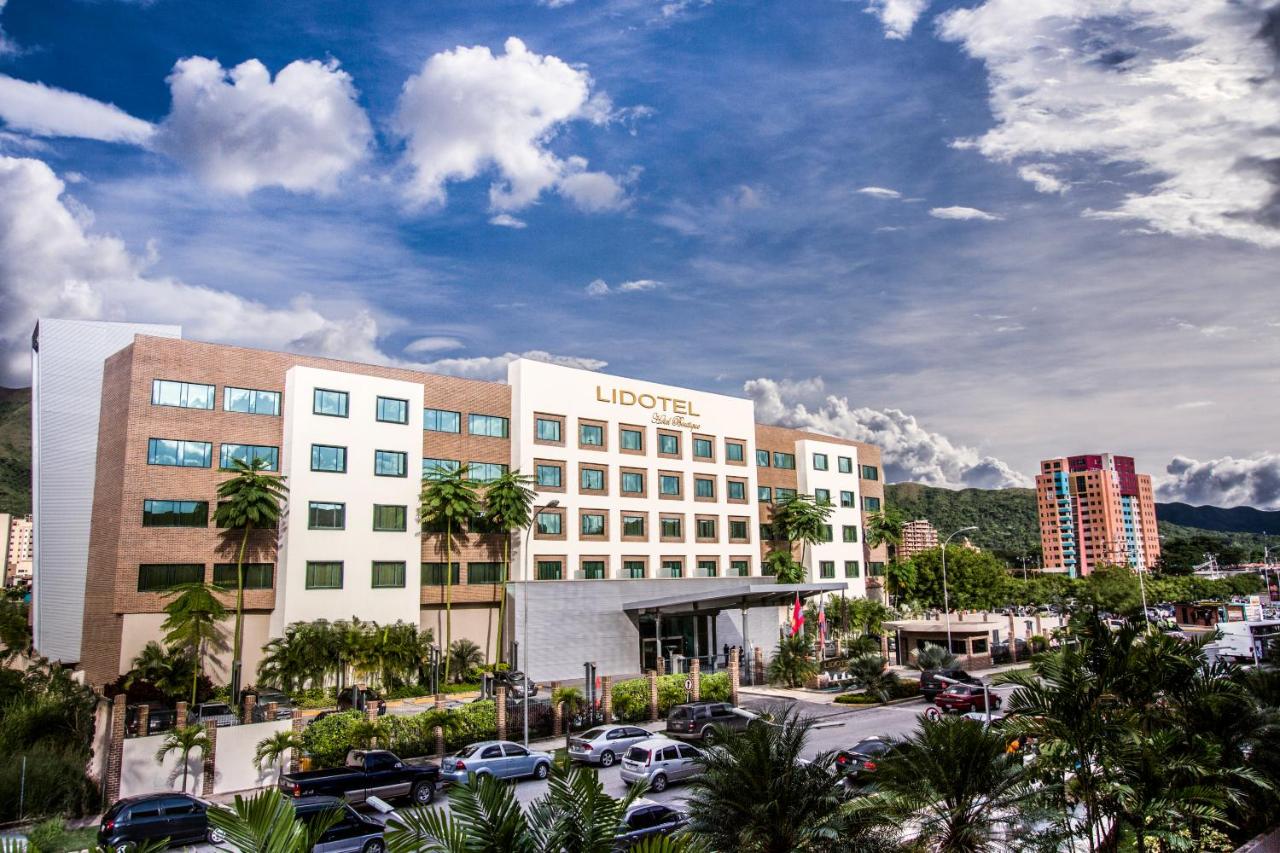
Discover Valencia
Of course, no trip to Valencia would be complete without sampling some of the city's delicious cuisine. Local specialties include arepas (corn cakes filled with cheese, meat, or vegetables), empanadas (stuffed pastries), and pabellón criollo (a hearty beef stew). Wash it all down with a refreshing glass of chicha, a traditional Venezuelan beverage made from fermented corn.
Whether you're a history buff, a nature lover, or a foodie, Valencia has something to offer. So why not book your trip today and discover all that this amazing city has to offer?
Discover Valencia Venezuela's Top Attractions
Valencia is a city located in the central region of Venezuela, in the Bolivarian Republic of Venezuela. It is known for its beautiful landscapes, historical sites, and cultural attractions. If you're planning a trip to Valencia, here are some of the top attractions you should check out:
The Valencia Cathedral, also known as the Metropolitan Cathedral of the Holy Savior, is one of the most important religious sites in the city. It was built in the 16th century and features a beautiful mix of architectural styles, including Gothic, Baroque, and Neoclassical. Visitors can admire its intricate facade and stunning stained glass windows, as well as attend mass and other religious ceremonies.
The Valencia Aquarium is a popular attraction for families and animal lovers. It features a wide variety of marine life, including sharks, sea turtles, and dolphins. Visitors can watch feeding shows, interact with some of the animals, and learn about conservation efforts to protect the ocean's ecosystems.
The Arturo Michelena Museum is dedicated to the life and work of one of Venezuela's most famous artists. Arturo Michelena was a painter known for his portraits and historical scenes depicting important moments in Venezuelan history. The museum features a collection of his most famous works, as well as exhibits on the history of art in the region.
The Dunas Park is a natural wonder located just outside of Valencia. It features a large expanse of sand dunes that are perfect for hiking, sandboarding, and other outdoor activities. Visitors can also take a guided tour to learn about the local flora and fauna, as well as the geology of the area.
The Valencia Museum of Art is a must-visit for anyone interested in the arts. It features a collection of works by Venezuelan and international artists, including paintings, sculptures, and installations. Visitors can also attend lectures and workshops to learn more about the history and techniques of different art forms.
These are just a few of the many attractions that Valencia has to offer. Whether you're interested in history, art, nature, or just having fun with your family, there is something for everyone to enjoy in this beautiful city.
Discovering Valencia's Significance in Venezuela
Valencia is a locality in the Bolivarian Republic of Venezuela, located in the north-central part of the country. It is the third-largest city in Venezuela and is considered to be one of the country's most important industrial centers.
Valencia's significance in Venezuela is due to its strategic location and its contributions to the country's economy and culture.
Geographically, Valencia is situated in the Carabobo state, which is known for its fertile land and agricultural production. The city is also close to the coast and has access to major ports, making it an important hub for international trade. Additionally, Valencia is located near major highways and transportation routes, making it a key transportation hub within Venezuela.
Valencia's economy is based on a variety of industries, including manufacturing, agriculture, and services. The city is home to many international corporations, making it an important center for business and commerce. Additionally, Valencia is known for its food and beverage industry, particularly its production of rum and chocolate.
Valencia is also significant culturally. The city is known for its historic architecture and landmarks, including the Valencia Cathedral and the Casa Páez. It is also home to many museums, art galleries, and cultural centers, including the Arturo Michelena Museum and the Municipal Theater of Valencia.
Population of Valencia Venezuela: Facts and Figures
Valencia is a city located in the north-central region of Venezuela, in the Bolivarian Republic of Venezuela. It is the capital city of the Carabobo State and is one of the most important industrial centers in the country. Valencia is also known for its rich cultural history and heritage, making it a popular tourist destination.
The population of Valencia Venezuela is approximately 1.8 million people. This makes it the third-largest city in Venezuela, after Caracas and Maracaibo. Valencia has a diverse population, with a mix of indigenous, European, African, and Asian ancestry. The city has a high concentration of immigrants from neighboring countries such as Colombia and Peru.
Valencia has experienced significant population growth in recent years, with an annual growth rate of around 2%. This growth can be attributed to a number of factors, including the city's strong economy and infrastructure, as well as its cultural and educational offerings.
The majority of Valencia's population is Roman Catholic, with a significant Protestant minority. The city is home to a number of religious institutions, including the Archdiocese of Valencia and numerous Protestant churches.
Valencia is also known for its high levels of education, with several universities and colleges located in the city. Approximately 88% of the population is literate, making Valencia one of the most educated cities in Venezuela.
Despite its many positive attributes, Valencia also faces a number of challenges related to population growth and urbanization. The city has struggled to keep up with the demand for housing and infrastructure, leading to issues such as overcrowding and traffic congestion. Additionally, crime rates in Valencia are higher than the national average, which has led to concerns about public safety.
Despite these challenges, Valencia remains one of the most important cities in Venezuela, both in terms of its cultural significance and its economic importance. With a diverse population, a rich history, and a growing economy, Valencia is a city that is well worth visiting and exploring.
Exploring Venezuela's Regions: Geography and Landscapes
Venezuela is a diverse country, with a wide range of landscapes and geographical features. Valencia is a locality in Venezuela's Bolivarian Republic that you don't want to miss. It is located in the north-central region of the country and is the capital of Carabobo state.
One of the most striking features of Valencia is its location in the Venezuelan Coastal Range, which provides stunning views of the surrounding mountains and valleys. The city itself is situated in a valley between two mountain ranges, making it an ideal spot for outdoor activities such as hiking and mountain biking.
Valencia is also known for its beautiful beaches, which are located just a short drive away from the city center. Some of the most popular beaches include Playa Puerto Cabello, Playa Quizandal, and Playa Dunas. These beaches offer a variety of activities, including swimming, sunbathing, and surfing.
Valencia is also home to several important landmarks and attractions. The Valencia Cathedral, also known as the Cathedral of Our Lady of the Helpless, is a must-see for anyone interested in history and architecture. The cathedral dates back to the 18th century and features a stunning Baroque façade. Another popular attraction is the Central University of Venezuela, which is located in the nearby city of Caracas.
The city itself is a bustling metropolis with a rich cultural heritage. Valencia is known for its vibrant arts scene, which includes theater, music, and dance performances. The city is also home to several museums and galleries, including the Museum of Modern Art and the Museum of Natural Sciences.
In conclusion, Valencia is a vibrant and diverse locality in the Bolivarian Republic of Venezuela. It is an ideal destination for those looking to experience the country's culture, history, and natural beauty. From its stunning architecture and museums to its lush parks and gardens, there is no shortage of things to see and do in Valencia. Additionally, the city is home to a thriving food and music scene, making it an excellent place to experience the local culture. So, whether you are a history buff, nature lover, or simply looking to explore a new place, Valencia is definitely worth a visit.