


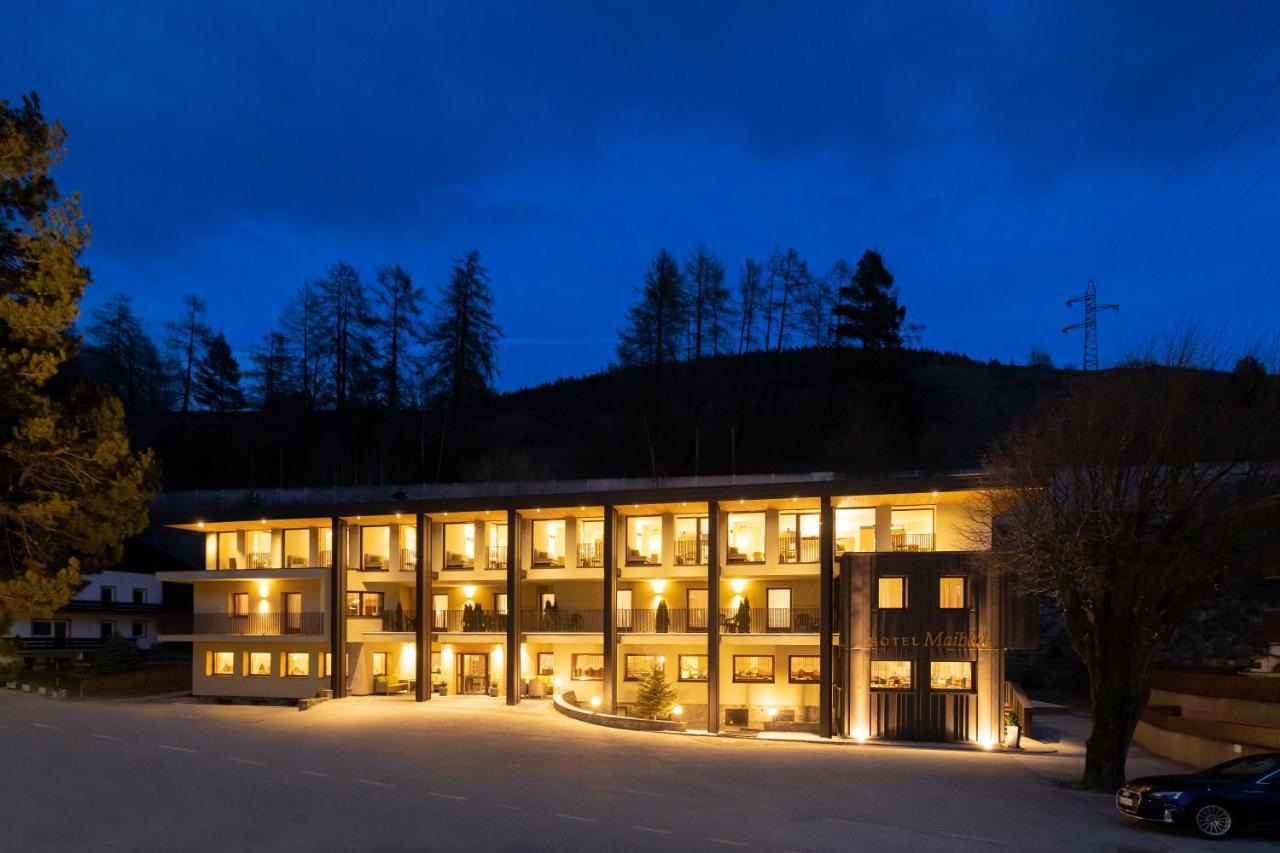

Discover Vipiteno
Foodies will also love Vipiteno, with its rich culinary traditions and delicious local cuisine. Make sure to try the town's famous dumplings, which come in a variety of flavors and are sure to satisfy any appetite. And of course, no trip to Italy would be complete without sampling some of the local wines.
The Fascinating History of Vipiteno: Exploring Its Past
Vipiteno, a charming town located in the South Tyrol region of Italy, has a fascinating history that is just waiting to be explored. The town, which is also known as Sterzing in German, has been inhabited since the Bronze Age and has been a hub of commerce and trade for centuries.
One of the most interesting aspects of Vipiteno's history is its role as a major trading center during the Middle Ages. The town was a key stop on the route connecting Italy to the rest of Europe, and its strategic location made it an important center for the export of goods such as wine, wool, and spices.
During the Renaissance, Vipiteno continued to thrive as a center of commerce and culture. The town was home to a number of wealthy merchants and aristocrats, many of whom commissioned grand palaces and public buildings that still stand today.
Throughout its history, Vipiteno has also been the site of a number of significant political and military events. In the 14th century, the town was sacked by the Visconti family, and it was later occupied by French and Bavarian forces during the Napoleonic Wars.
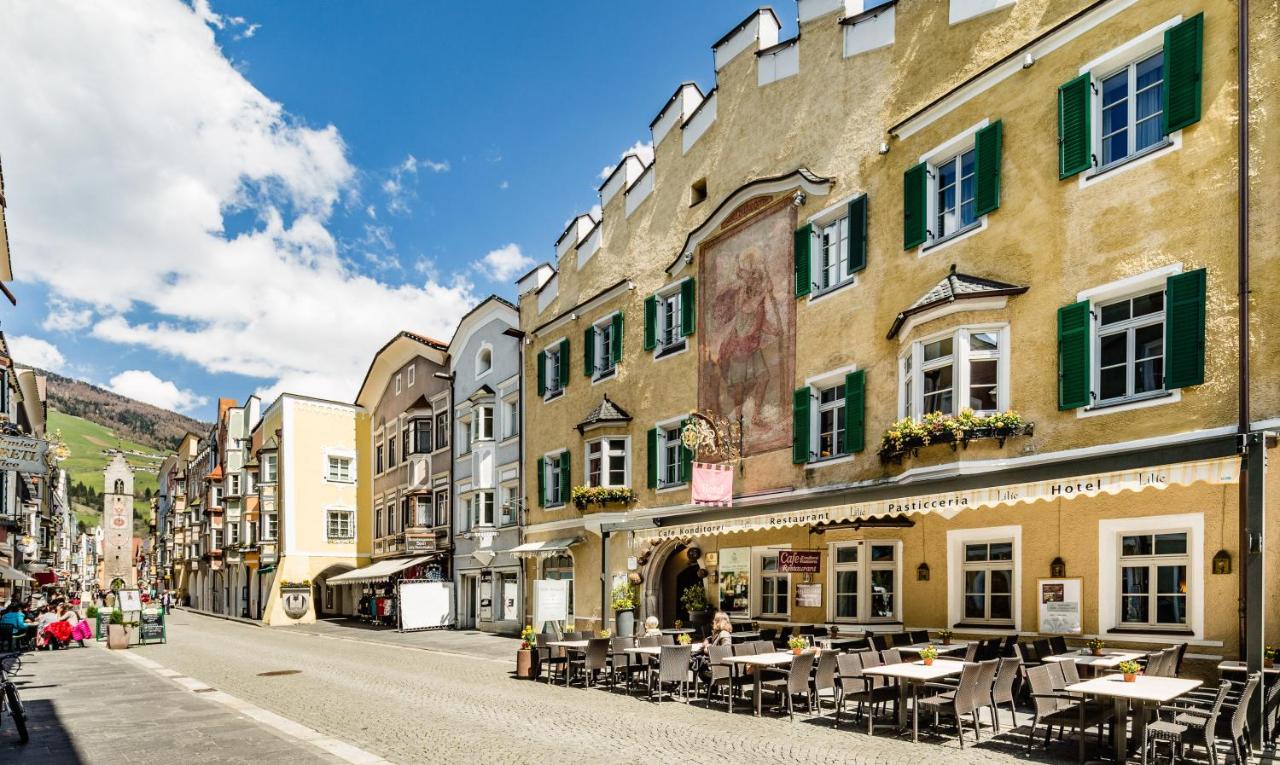
Today, Vipiteno is a popular destination for tourists who are interested in exploring the town's rich history and culture. Visitors can wander the charming streets and alleys, admire the beautiful architecture, and visit the many museums and galleries that celebrate the town's past and present.
Whether you are a history buff, a culture vulture, or simply someone who appreciates beautiful scenery and great food, Vipiteno is a destination that should not be missed. So why not plan a trip to this fascinating town today?
Language in South Tyrol: Exploring the Multilingual Culture
South Tyrol, a region in northern Italy, is known for its diverse and rich multilingual culture. The area is home to three main linguistic groups: German, Italian, and Ladin. These languages are not only spoken but also taught in schools and universities, making South Tyrol one of the best places to experience intercultural communication and exchange.
Vipiteno, a picturesque town in South Tyrol, is a perfect example of this multilingual culture. German is the predominant language spoken in the town, as it is in most of South Tyrol, but Italian is also widely spoken and understood. Signs, menus, and other public information are typically presented in both languages, and many locals are fluent in both. Even the street names are in both languages, with the German and Italian versions displayed side by side.
In addition to German and Italian, Vipiteno is also home to a small Ladin-speaking community. Ladin is a Romance language that is unique to the Dolomite region of South Tyrol. While it is not as widely spoken as German or Italian, Ladin is an important part of the cultural heritage of the region. Many locals in Vipiteno are proud of their Ladin heritage and work to preserve and promote the language and culture.
Discovering the Origin of Sterzing's Name
Vipiteno, also known as Sterzing in German, is a small town located in the northern region of Italy, South Tyrol. The town is nestled in the Italian Alps and has a rich history dating back to the Middle Ages.
The origin of the town's name has been a topic of debate for many years. Some believe that the name Sterzing comes from the Latin word "sterzare," which means to clear land by chopping down trees. Others believe that the name comes from the German word "sterz," which means a steep slope or hill.
However, recent research has revealed that the true origin of Sterzing's name is likely from the Celtic language. The town was originally called "Wibitina," which is derived from the Celtic word "vibidinia," meaning "place of the willows."
The name was later changed to "Vibistinum," which is a Latinized version of the original Celtic name. Over time, the name evolved into "Vipitenum" in the Middle Ages and eventually became "Sterzing" in German.
Vipiteno has a rich cultural heritage, with influences from both the German-speaking and Italian-speaking worlds. The town is known for its beautiful architecture, including the 14th-century Torre delle Dodici (Tower of the Twelve) and the Gothic-style Parish Church of San Michele.
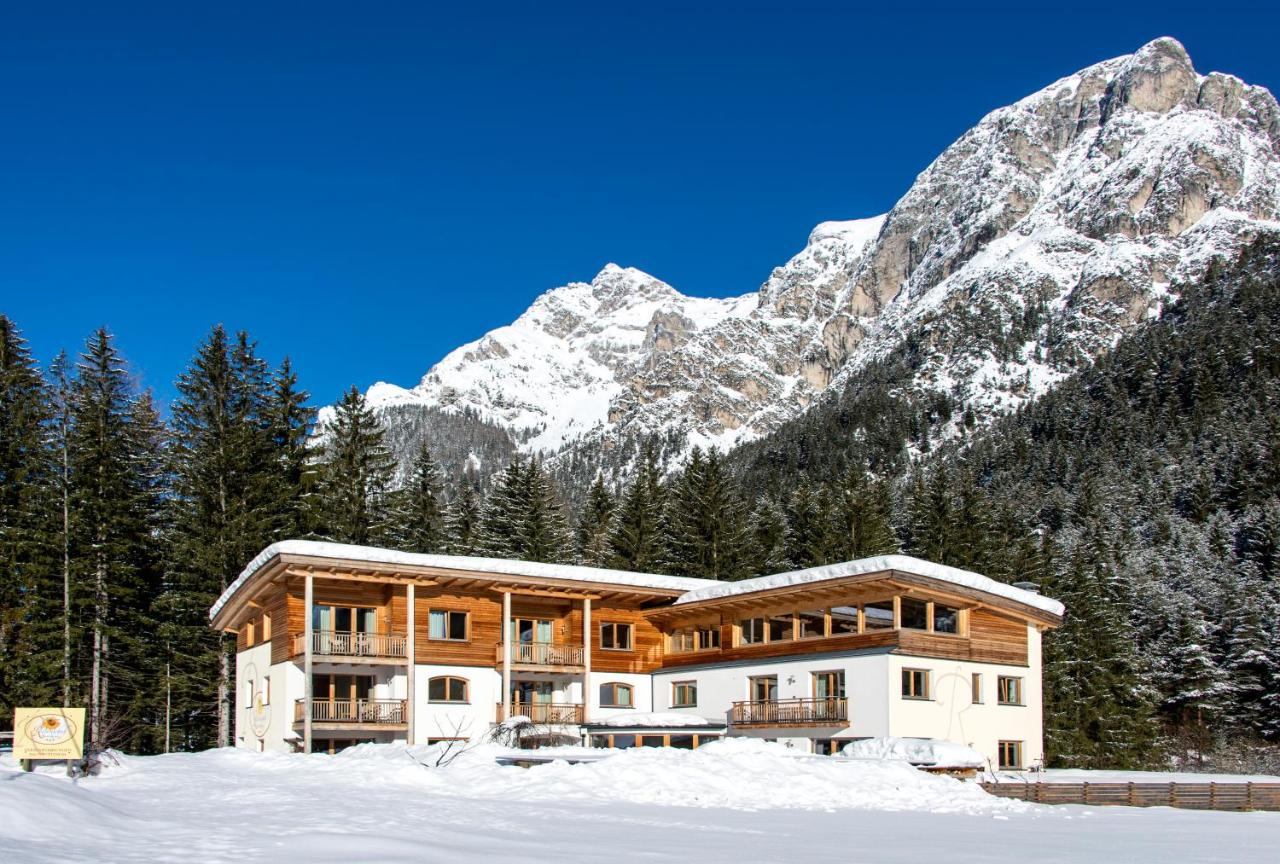
In addition to its rich history and architecture, Vipiteno is a popular destination for winter sports enthusiasts. The town is located near several ski resorts and is home to the Rosskopf ski area.
In conclusion, Vipiteno is a charming locality in Italy that offers a perfect blend of history, culture, and natural beauty. From exploring the medieval towers and historic buildings to skiing on the slopes of Monte Cavallo, there is something for everyone in Vipiteno. The town's rich cultural heritage and stunning landscapes make it an ideal destination for travelers looking to experience the unique beauty of Northern Italy. Whether you're a history buff, a nature lover, or simply seeking a peaceful getaway, Vipiteno is sure to leave you with lasting memories of your Italian adventure.