

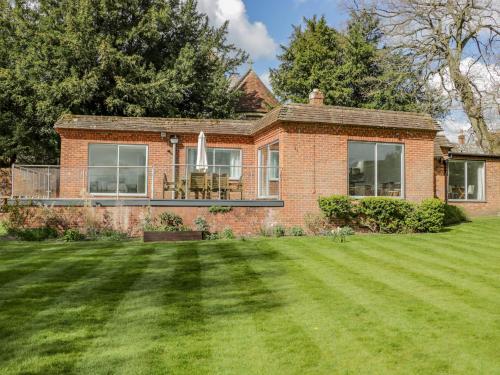
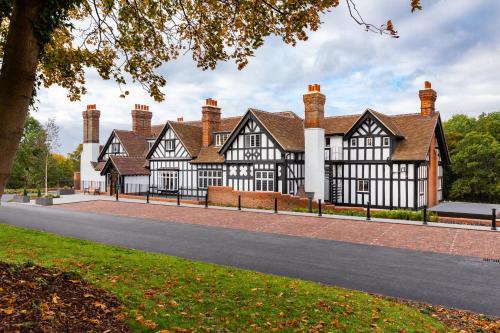



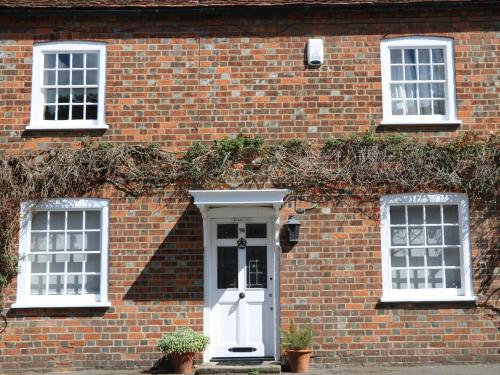



Discover Wallingford
For nature lovers, Wallingford is also home to the beautiful River Thames, which winds its way through the town and provides plenty of opportunities for boating, fishing, and waterside walks. You can also explore the nearby Chiltern Hills, an area of outstanding natural beauty that's perfect for hiking, cycling, or simply taking in the stunning scenery.
If you're looking for more cultural experiences, Wallingford has plenty to offer. The town is home to several museums, including the Wallingford Museum, which showcases the town's history and heritage, as well as the Agatha Christie Museum, which celebrates the life and works of the famous crime writer, who lived in the town for many years.
Lastly, no visit to Wallingford would be complete without sampling some of the town's local cuisine. From traditional English pubs to fine dining restaurants, Wallingford offers a range of culinary delights to suit all tastes and budgets. Be sure to try some of the locally-sourced produce, including fresh fish from the River Thames and delicious cheeses from the nearby Chilterns.
Wallingford's Claim to Fame: Exploring the City's Iconic Attractions
Located in the county of Oxfordshire in the United Kingdom of Great Britain and Northern Ireland, Wallingford is a charming town that boasts a rich history and a wide range of attractions that draw visitors from all over the world.
One of the town's most iconic attractions is the Wallingford Castle, which dates back to the 11th century. The castle was built by William the Conqueror and played a crucial role in the country's history, serving as a royal palace, a prison, and a military fortress. Today, visitors can explore the ruins of the castle and learn about its fascinating past.
Another major attraction in Wallingford is the River Thames, which runs through the town and provides a stunning backdrop for leisurely walks and picnics. Visitors can rent a boat and explore the river, or simply relax by the water and enjoy the peaceful surroundings.
Wallingford is also known for its connection to the famous crime writer Agatha Christie, who lived in the town for more than 40 years. Fans of Christie's work can follow the Agatha Christie Trail, which takes them to some of the locations that inspired her novels and features a range of interactive exhibits and displays.
For those interested in the town's history, a visit to the Wallingford Museum is a must. The museum showcases the town's rich heritage through a range of exhibits, from prehistoric times to the present day. Visitors can learn about the town's Roman and Saxon past, as well as its role in the English Civil War.
Finally, no visit to Wallingford would be complete without a trip to the Market Place, which is the heart of the town's social and commercial life. The square is home to a range of independent shops, cafes, and restaurants, as well as a weekly market that sells everything from fresh produce to handmade crafts.
Wallingford's Region: Where Does It Belong?
Wallingford is a historic market town located in the county of Oxfordshire in the United Kingdom of Great Britain and Northern Ireland. The town is situated on the River Thames, approximately 12 miles south of Oxford and 14 miles north-west of Reading.
Wallingford belongs to the South Oxfordshire district, which is a local government district in Oxfordshire. The district is made up of a number of towns and villages, including Wallingford, Henley-on-Thames, Thame, and Watlington. The district is governed by the South Oxfordshire District Council, which is responsible for local services such as waste management, planning, and leisure facilities.
Wallingford is a historic town with a rich history dating back to the Anglo-Saxon period. The town was an important stronghold during the Civil War, and its castle was a key strategic location. Today, the castle is in ruins, but visitors can still explore the remains and learn about the town's fascinating history.
The town is also home to a number of historic buildings and landmarks, including the Wallingford Bridge, St. Mary's Church, and the Corn Exchange. The Wallingford Bridge is a medieval bridge that crosses the River Thames and is one of the town's most iconic landmarks. St. Mary's Church is a beautiful 14th-century church that is famous for its stunning stained glass windows. The Corn Exchange is a Victorian building that has been restored and is now used as a venue for concerts, exhibitions, and other events.
Wallingford is a popular destination for tourists who want to explore the beautiful countryside of Oxfordshire. The town is surrounded by rolling hills, picturesque villages, and stunning countryside, making it the perfect base for hiking, cycling, and other outdoor activities.
Wallingford: Town or Village? Unveiling the Truth
Wallingford is a small market town located in the county of Oxfordshire, in the southern part of England. It has a population of around 12,000 and is situated on the River Thames.
Despite its small size, there is some debate as to whether Wallingford should be classified as a town or a village. Some argue that it is a town because of its history and importance as a market town in the past. Wallingford was granted a royal charter in the 12th century and was an important centre for trade and commerce in the region. It was also the site of a major battle during the English Civil War.
Others argue that Wallingford should be considered a village because of its size and character. The town centre is relatively compact and there is a strong sense of community among the residents. There are also many green spaces and parks in the surrounding area, giving the town a more rural feel.
Uncovering the Truth: Wallingford's Rotten Borough Status
Wallingford, a small town located in the county of Oxfordshire in the United Kingdom, has a long and fascinating history. In recent years, however, an interesting discovery has been made about the town's past that has shed new light on its political and social landscape.
It has been revealed that Wallingford was once a "rotten borough," a term used to describe a parliamentary constituency that was controlled by a single wealthy landowner or family. This practice was common in England in the 18th and 19th centuries, and was often associated with corruption and bribery.
The discovery of Wallingford's rotten borough status was made during a research project conducted by local historians and scholars. They found evidence that the town's parliamentary representatives were chosen by a small group of wealthy individuals, rather than through a fair and open election process.
This revelation has sparked a renewed interest in Wallingford's history, and has led to a deeper exploration of the town's political and social dynamics during this time period. It has also raised important questions about the impact of corruption and inequality on local communities, and has prompted discussions about the need for transparency and accountability in modern politics.
Despite its troubled past, Wallingford remains a vibrant and thriving community today. Visitors to the town can explore its many historic landmarks, including the ruins of Wallingford Castle and the famous Corn Exchange theatre. They can also enjoy its beautiful parks and gardens, and sample the local cuisine at one of its many restaurants and cafes.
The discovery of Wallingford's rotten borough status serves as a reminder that even the smallest of towns can have a rich and complex history, full of fascinating stories and intriguing mysteries waiting to be uncovered.
In conclusion, Wallingford is a charming and historic town that offers a peaceful escape from the hustle and bustle of nearby cities. Its rich history, stunning landscapes, and friendly community make it an ideal destination for those seeking a taste of quintessential English life. Whether you're interested in exploring the town's historic sites, enjoying a leisurely stroll along the Thames, or simply soaking up the local atmosphere, Wallingford is sure to captivate and inspire. So why not plan a visit today and discover the wonders of this charming English gem for yourself?