
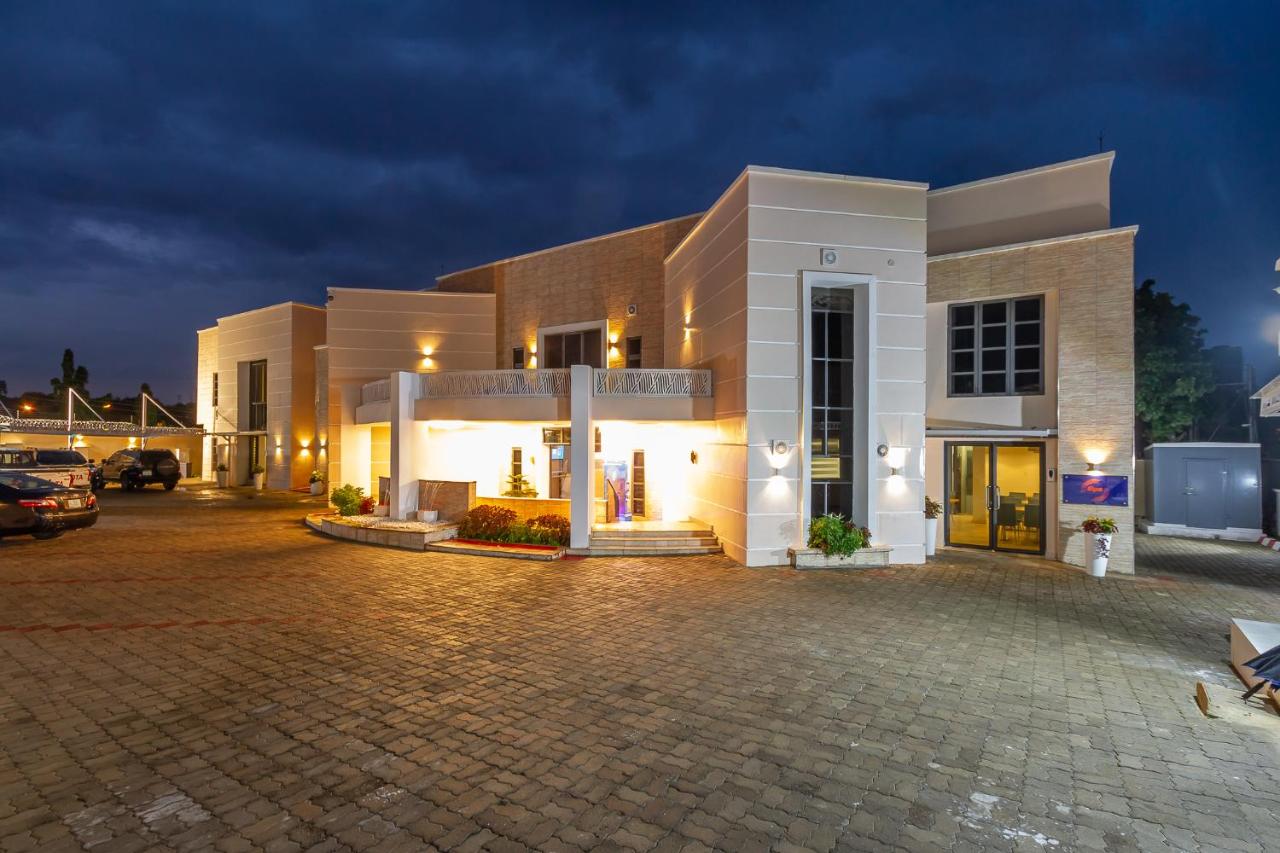
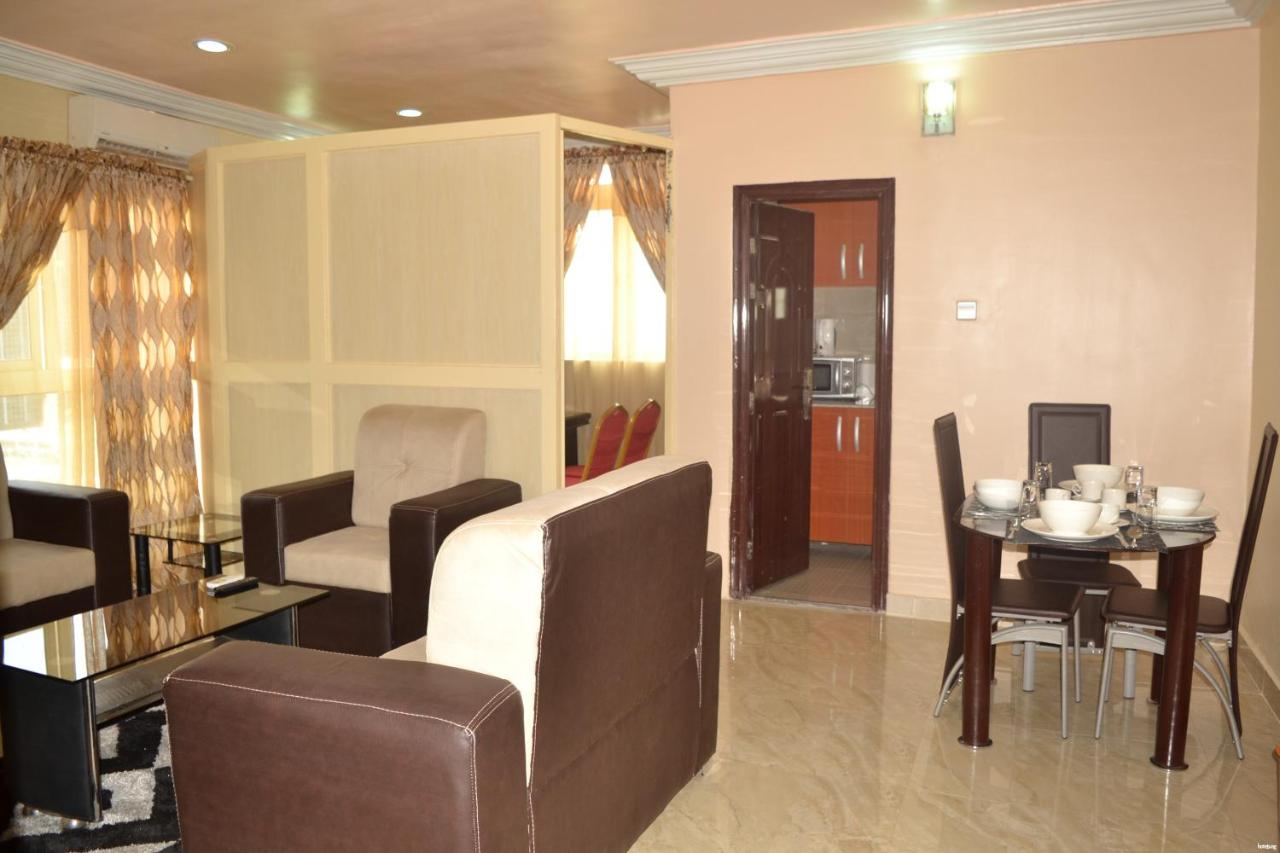
Discover Wuse
At night, Wuse comes alive with its many bars and clubs. Whether you want to dance the night away or enjoy a quiet drink with friends, there is something for everyone in this vibrant area.
In addition to its markets, dining, and nightlife, Wuse is also home to several important landmarks and cultural sites. The National Mosque and the Nigerian National Museum are two must-see attractions that offer insight into the history and culture of the region.
Discover WUSE's Local Government: Get Informed Now
Wuse is a bustling district located in the Federal Capital Territory, Abuja, Nigeria. It is divided into two major parts, Wuse I and Wuse II, both of which are home to a diverse range of people and businesses.
Understanding the local government structure: Wuse falls under the Abuja Municipal Area Council (AMAC), which is responsible for providing basic amenities such as water, electricity, healthcare facilities, and waste management services to the residents of the area. AMAC is headed by a chairman and is made up of councilors from different wards within the council area.
Wuse's population: According to the National Population Commission, Wuse has a population of over 200,000 people, making it one of the most populated districts in Abuja. The population is made up of different ethnic groups, including the Gbagyi, Hausa, and Igbo.
Commerce and Business: Wuse is a commercial hub, with many businesses ranging from small shops to large corporations. The district is home to several markets, including Wuse Market, which is one of the largest and oldest markets in Abuja. Many banks, hotels, and restaurants are also located in Wuse.
Transportation: Wuse is well-connected to other parts of Abuja through a network of roads and highways. The district is served by several bus stops, and taxis and commercial motorcycles are readily available.
Education: Wuse has several primary and secondary schools, both public and private. The district also has tertiary institutions such as the Nigerian Law School, Baze University, and Nile University of Nigeria.
Healthcare: Wuse has many healthcare facilities, including hospitals, clinics, and pharmacies. The National Hospital Abuja, which is one of the largest hospitals in the country, is located in Wuse.
By understanding the local government structure, population, commerce and business, transportation, education, and healthcare facilities, you can get informed about Wuse and make the most of your time in this bustling district.
Exploring WUSE: Local Government Area or Not?
If you have ever been to Abuja, the capital city of Nigeria, you have most likely heard of Wuse. It is a popular district in the city, known for its vibrant nightlife and commercial activities. However, there is often confusion about whether Wuse is a Local Government Area (LGA) or not. In this article, we will explore the status of Wuse and provide some insight into its history and significance.
Before we delve into Wuse's status, it is important to understand what a Local Government Area is. In Nigeria, an LGA is the third tier of government, after the federal and state governments. LGAs are responsible for providing basic amenities and services to their residents, including healthcare, education, and waste management. There are currently 774 LGAs in Nigeria, each with its own elected chairman and councilors.
Contrary to popular belief, Wuse is not an LGA. It is actually a district within the Abuja Municipal Area Council (AMAC), which is one of six Area Councils that make up the Federal Capital Territory (FCT). The FCT was created in 1976 to serve as the new capital of Nigeria, and it is not a part of any state in the country.
Wuse is further divided into three smaller districts: Wuse Zone 1, Wuse Zone 2, and Wuse Zone 3. Each of these zones has its own unique characteristics and attractions. For example, Wuse Zone 1 is known for its upscale shopping malls and restaurants, while Wuse Zone 3 is home to many government offices and embassies.
Despite not being an LGA, Wuse is still a significant part of Abuja and the FCT. It is one of the busiest districts in the city, with many commercial activities taking place there. Wuse is also a popular residential area, with many people choosing to live there due to its central location and proximity to amenities such as schools and hospitals.
Additionally, Wuse has a rich history and cultural significance. It was named after a traditional ruler from the Gbagyi ethnic group, who was known for his bravery and leadership. Today, Wuse is home to many different ethnic groups and religions, making it a diverse and vibrant community.
Wuse is not an LGA, but rather a district within the AMAC in the FCT. Despite this, it remains an important part of Abuja and Nigeria as a whole. Whether you are a resident or a visitor, Wuse has plenty to offer, from its bustling markets to its historical landmarks. So next time you find yourself in Abuja, be sure to explore all that Wuse has to offer.
Nigeria's Original Name: Uncovering the True Identity
The name Nigeria is well known throughout the world as the official name of the West African country. However, many people are unaware of the country's original name and the significance it holds.
Before Nigeria was colonized by the British, the area was inhabited by a variety of ethnic groups, each with their own languages and cultures. One of the most prominent of these groups was the Nri people, who lived in what is now the Wuse locality of Nigeria.
The Nri people were known for their advanced political system and cultural practices, which were centered around a sacred ruler known as the Eze Nri. The Eze Nri was believed to have divine powers and was responsible for maintaining order and justice within the community.
The original name of Nigeria was derived from the River Niger, which flows through the country and is an important source of water and transportation.
However, the Nri people had their own name for the region. They called it "Ọ̀ràézè Ǹàìjíríà" which can be translated to mean "Land of the Rising Sun." This name was believed to reflect the Nri people's belief in the importance of the sun in their culture and their reverence for the natural world.
Over time, the name Nigeria became more widely used and eventually replaced the original name. However, the significance of the Nri people and their cultural practices can still be seen in the Wuse locality and throughout Nigeria.
Today, the Wuse locality is a bustling urban center with a diverse population and a rich cultural heritage. Visitors can explore the local markets, sample traditional foods, and learn more about the history and culture of the area.
Discover Abuja's Area Names: A Comprehensive Guide
Discover Abuja's Area Names: A Comprehensive Guide is a valuable resource for anyone looking to navigate the many neighborhoods of Nigeria's capital city. One of the most prominent localities featured in the guide is Wuse, a bustling area in the heart of the city.
Wuse is divided into three sections: Wuse 1, Wuse 2, and Wuse Zone 3. Each section has its own unique character and attractions, making it a popular destination for both locals and tourists alike.
Wuse 1 is known for its upscale shopping and dining options. The area is home to several luxury hotels, including the Transcorp Hilton Abuja, as well as the popular Wuse Market where visitors can find a variety of goods, from traditional textiles to modern electronics.
Wuse 2 is more of a commercial hub, with a concentration of office buildings and government institutions. The National Mosque and National Christian Centre are also located in this section of Wuse, making it an important site for religious tourism.
Wuse Zone 3 is a residential area that is popular with expats and affluent locals. It is home to several international schools and embassies, as well as the popular Jabi Lake Mall, which offers a range of shopping and entertainment options.
In conclusion, Wuse locality in Nigeria country is a vibrant and bustling area that offers a lot to visitors and residents alike. With its numerous markets, shopping centers, and recreational facilities, Wuse is a hub for commerce and entertainment. Additionally, the area boasts a rich history and culture that is evident in its traditional festivals, museums, and monuments. However, like many other areas in Nigeria, Wuse faces its fair share of challenges, including infrastructural deficits, security concerns, and environmental degradation. Nevertheless, the resilient spirit of the people of Wuse continues to shine through as they work towards overcoming these obstacles and building a better future for themselves and their community.