Discover Zaghouan
For a more relaxing experience, head to the Zaghouan Hot Springs. These natural geothermal springs have been used for their therapeutic properties since Roman times, and today you can soak in the warm waters and enjoy the tranquil surroundings. The springs are also home to a variety of rare and endangered plant species, making them a must-visit for nature lovers.
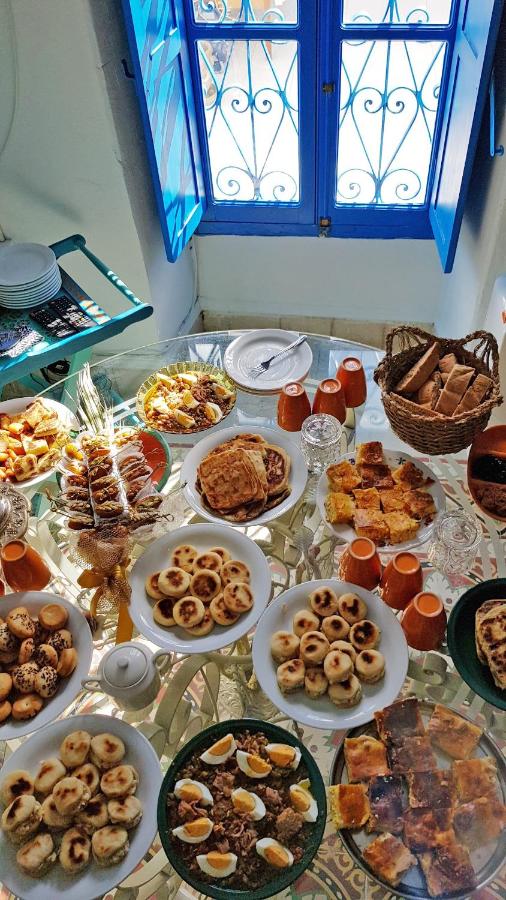
No trip to Zaghouan would be complete without sampling some of the local cuisine. The region is known for its delicious couscous and other traditional dishes, which are made using fresh, locally-sourced ingredients. You can also visit the local markets to pick up souvenirs and handicrafts made by local artisans.
Whether you're a history buff, nature lover, or foodie, Zaghouan has something to offer. So why not add this hidden gem to your travel bucket list? We guarantee you won't be disappointed.
Discover the Meaning of Zaghouan: History and Significance
Discover the Meaning of Zaghouan: History and Significance
Zaghouan is a locality situated in Tunisia, a country in North Africa. The town is located at a distance of 60 kilometers from Tunis, the capital city of Tunisia. The name Zaghouan is derived from the Berber language and means 'the source of water.'
Zaghouan has a rich history that dates back to the Roman Empire. During the Roman era, Zaghouan was known as Ziqua and was an important city for the Romans. The city was known for its water supply, which was brought to the city through a 132-kilometer long aqueduct. The Zaghouan Aqueduct was one of the most significant engineering feats of the Roman Empire. The aqueduct was built in the 2nd century AD and was used to supply water to Carthage, which was the capital city of the Roman province of Africa.
After the fall of the Roman Empire, Zaghouan came under the rule of various Arab and Muslim dynasties. During the Ottoman Empire, the town was an important center for the production of olive oil.
Zaghouan is a significant town in Tunisia for various reasons. The town is known for its natural beauty and is a popular tourist destination. The town is situated in the Zaghouan mountain range, which is known for its scenic beauty and is a popular destination for hiking and trekking.
Zaghouan is also significant for its historical and cultural heritage. The town has several important historical sites, including the Zaghouan Aqueduct, which is a UNESCO World Heritage Site. The town is also home to several important Islamic sites, including the Zaghouan Mosque, which is one of the oldest mosques in Tunisia.
Discover Zaghouan's Country: Location and Facts
Zaghouan is a locality in the northern part of Tunisia. It is located approximately 60 kilometers southwest of the country's capital, Tunis. The locality lies on the eastern slopes of the Djebel Zaghouan mountain range, which is part of the Atlas Mountains.
Zaghouan is known for its rich history and ancient ruins. It was originally founded by the Numidians, an ancient African tribe, and later became an important Roman city known as Ziqua. The ruins of the Roman city can still be seen today, including a large aqueduct that once supplied water to the city.
The locality is also known for its natural beauty, with lush forests and stunning waterfalls that attract visitors from all over the world. The most famous waterfall in Zaghouan is the Ain Draham waterfall, which is located near the top of the Djebel Zaghouan mountain range.
Another popular attraction in Zaghouan is the Temple of Water, which is located near the town center. The temple was built during the Roman period and was dedicated to the god of water, Neptune. It is considered to be one of the most well-preserved Roman temples in Tunisia.
Zaghouan is also known for its traditional crafts and industries. The locality is home to many artisans who produce pottery, textiles, and other handmade goods. Visitors can take a tour of these workshops and learn about the traditional methods used to create these beautiful products.
Discover Tunisia's Largest City by Area
If you're looking to explore a hidden gem in Tunisia, look no further than Zaghouan. This city, located in the northern part of the country, is the largest city by area in the entire country. Despite its size, it remains relatively unknown to tourists, making it the perfect destination for those looking for an off-the-beaten-path adventure.
One of the highlights of Zaghouan is its stunning natural beauty. The city is situated at the foot of the Djebel Zaghouan mountain range, which provides breathtaking views and ample opportunities for hiking and outdoor activities. The mountain also holds significant cultural and religious importance, as it is home to several ancient Roman ruins and an important Islamic holy site.
Aside from its natural attractions, Zaghouan is also home to several historic landmarks and cultural institutions. One of the most popular is the Zaghouan Aqueduct, which was built by the Romans in the 2nd century AD and still stands as a testament to their engineering prowess. The city also boasts several museums and theaters, where visitors can learn about the rich history and cultural heritage of Tunisia.
One of the most unique features of Zaghouan is its famous water source, which has been used for centuries for its medicinal properties. The water is believed to have healing powers and is said to help with various ailments, including digestive issues and skin problems.
If you're looking for a truly authentic Tunisian experience, Zaghouan is the perfect destination. With its stunning natural beauty, rich cultural heritage, and unique water source, it offers something for every type of traveler. So why not add Zaghouan to your travel itinerary and discover the largest city by area in Tunisia?
Exploring Tunisia's Roman Water System
Tunisia is home to many remarkable Roman ruins, and some of the best-preserved can be found in the locality of Zaghouan, particularly its Roman water system.
Zaghouan's Roman water system was built in the 2nd century AD and supplied water to the ancient city of Carthage, located 50 kilometers away. The system consisted of a series of aqueducts, canals, bridges, and underground tunnels that carried water from the Zaghouan mountain range to Carthage and its surrounding areas.
The water system was an engineering marvel for its time, and today visitors can explore the ruins and marvel at the ingenuity of the ancient Roman engineers who designed and built it.
The most impressive part of the water system is the aqueduct bridge, which spans a valley and is made up of 34 arches that are over 20 meters high. The bridge was a crucial part of the system, as it allowed the water to cross a natural barrier and continue on its way to Carthage.
Another fascinating feature of the water system is the underground tunnel, which runs for over 132 kilometers from Zaghouan to Carthage. The tunnel was dug by hand and is only about 1.5 meters in diameter, making it an incredible feat of engineering.
Visitors to Zaghouan can also see the remains of the various water channels and canals that were part of the system. These channels were made of stone and lined with concrete, and some still have water flowing through them today.
In conclusion, Zaghouan is a locality in Tunisia that is rich in history, culture, and natural beauty. Its Roman ruins, ancient aqueduct, and stunning mountain views make it a popular tourist destination. The town's traditional pottery and carpet weaving industries are also worth exploring. Visitors can enjoy exploring the local markets, sampling traditional cuisine, and hiking in the nearby mountains. Whether you are interested in history, culture, or nature, Zaghouan has something to offer everyone. It is a hidden gem in Tunisia that is definitely worth a visit.