Discover Zamość
Zamość also has a vibrant cultural scene, with numerous festivals and events throughout the year. The most famous of these is the Zamość Culture Festival, which takes place every July and features music, dance, theater, and art.
If you're a foodie, you'll love the local cuisine in Zamość. The town's traditional dishes include pierogi (dumplings), kielbasa (sausage), and bigos (stew). There are also plenty of cafes and restaurants serving up delicious Polish and international cuisine.
Finally, Zamość is a great base for exploring the surrounding countryside. The nearby Roztocze National Park offers hiking, cycling, and wildlife watching opportunities, while the historic town of Lublin is just a short drive away.
Discovering Italy's Town in Poland
Located in southeastern Poland, the town of Zamość is often referred to as the "Italian city in Poland." This is due to its unique Renaissance architecture, which was heavily influenced by Italian design.
Zamość was founded in the late 16th century by Jan Zamoyski, a Polish nobleman and statesman. He wanted to create a town that would be a symbol of his wealth and power, as well as a center of culture and education.
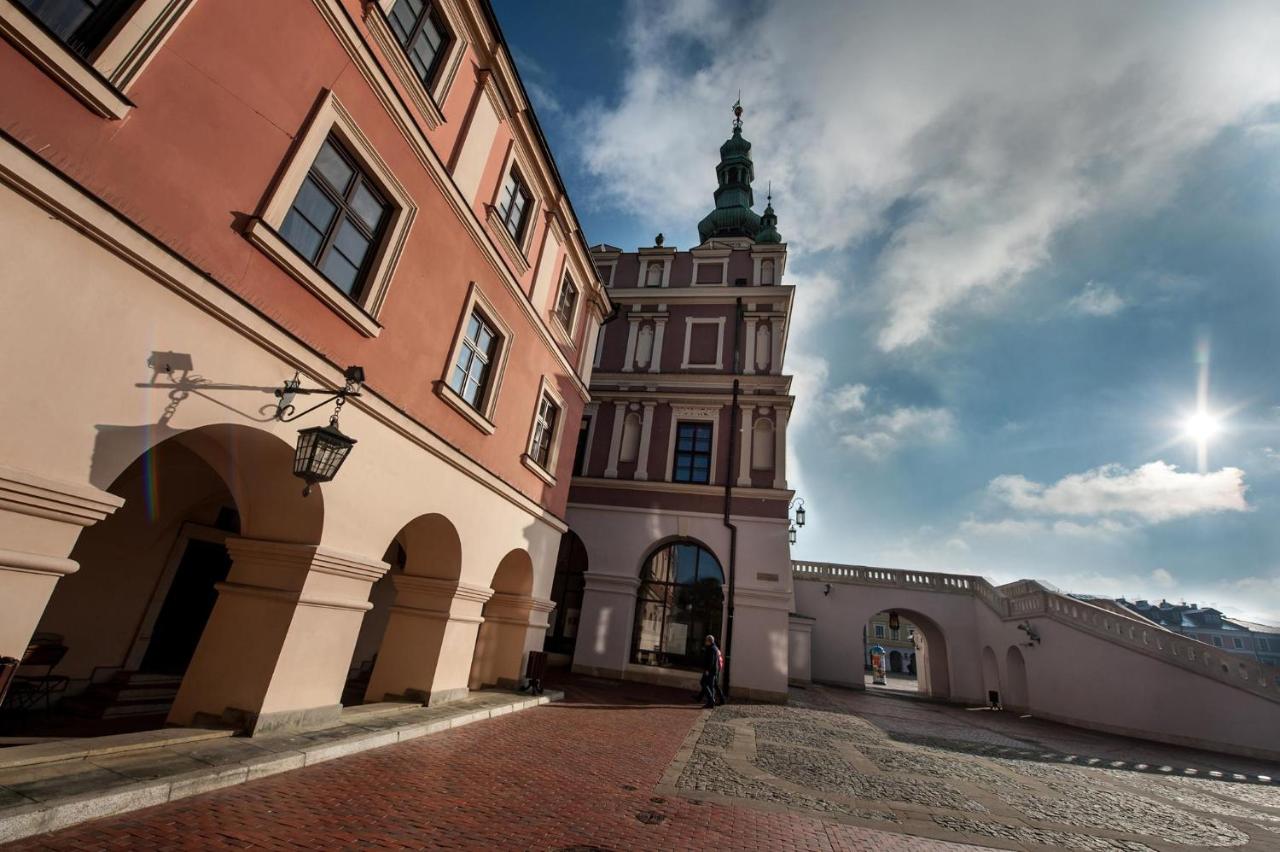
The town was built according to a plan that was ahead of its time. It included a central square, surrounded by arcaded galleries, and a network of streets that were laid out in a grid pattern.
Zamość's architecture is a blend of Renaissance and Mannerist styles, with elements of both Eastern and Western European design. The most prominent building in the town is the Zamoyski Palace, which was the residence of Jan Zamoyski and his family. The palace is now a museum, and visitors can explore its rich history and admire its stunning interior.
Zamość is also home to the Zamość Synagogue, which is one of the most important Jewish sites in Poland. The synagogue was built in the 17th century and is a testament to the rich Jewish heritage of the town.
Zamość was added to the UNESCO World Heritage List in 1992, and it is easy to see why. The town's unique architecture and rich history make it a must-see destination for anyone visiting Poland.
Whether you are interested in history, architecture, or simply want to explore a beautiful town, Zamość is the perfect destination. Its charming streets, picturesque buildings, and friendly locals are sure to make your visit a memorable one.
Discovering the History of Zamosc's Construction
Zamość is a beautiful city located in southeastern Poland. It was founded in the late 16th century by Jan Zamoyski, a Polish nobleman and chancellor. The city is known for its unique Renaissance architecture, which is why it was added to the UNESCO World Heritage List in 1992.
The construction of Zamość was a long and complicated process that took several decades to complete. It all began in 1578 when Jan Zamoyski decided to build a new city on the site of an old village. He hired an Italian architect named Bernardo Morando to design the city and oversee its construction. Morando had previously worked on several projects in Italy and was known for his expertise in Renaissance architecture.
Construction began in 1580 and continued for several years. The city was built according to a strict plan that included a central square, several smaller squares, and a grid of streets that were designed to be wide enough for carriages to pass through. One of the most impressive features of Zamość is its defensive walls, which were designed to protect the city from attacks. The walls were over two kilometers long and were equipped with towers and bastions.
Despite the impressive design, construction of Zamość was not without its challenges. The city was built in an area that was prone to flooding, and the builders had to develop innovative solutions to keep the city dry. They constructed a system of underground drainage channels that helped to divert water away from the city's foundations.
Over the centuries, Zamość has survived wars, fires, and other disasters, but it has retained much of its original character. Today, visitors can explore the city's historic center, which includes the central square, the town hall, and several churches and palaces. Zamość is a unique and fascinating city that is well worth a visit for anyone interested in history or architecture.
In conclusion, Zamość is a remarkable destination in Poland that is steeped in history and culture. The town's well-preserved Renaissance architecture is a testament to its rich past and serves as a draw for tourists from around the world. Visitors can explore the town's beautiful squares, charming streets, and learn about its history through its many museums and landmarks. Whether you're interested in history, art, or simply looking for a picturesque place to escape to, Zamość is definitely worth a visit. With its vibrant atmosphere and friendly locals, it's no surprise that it's considered one of Poland's hidden gems.