





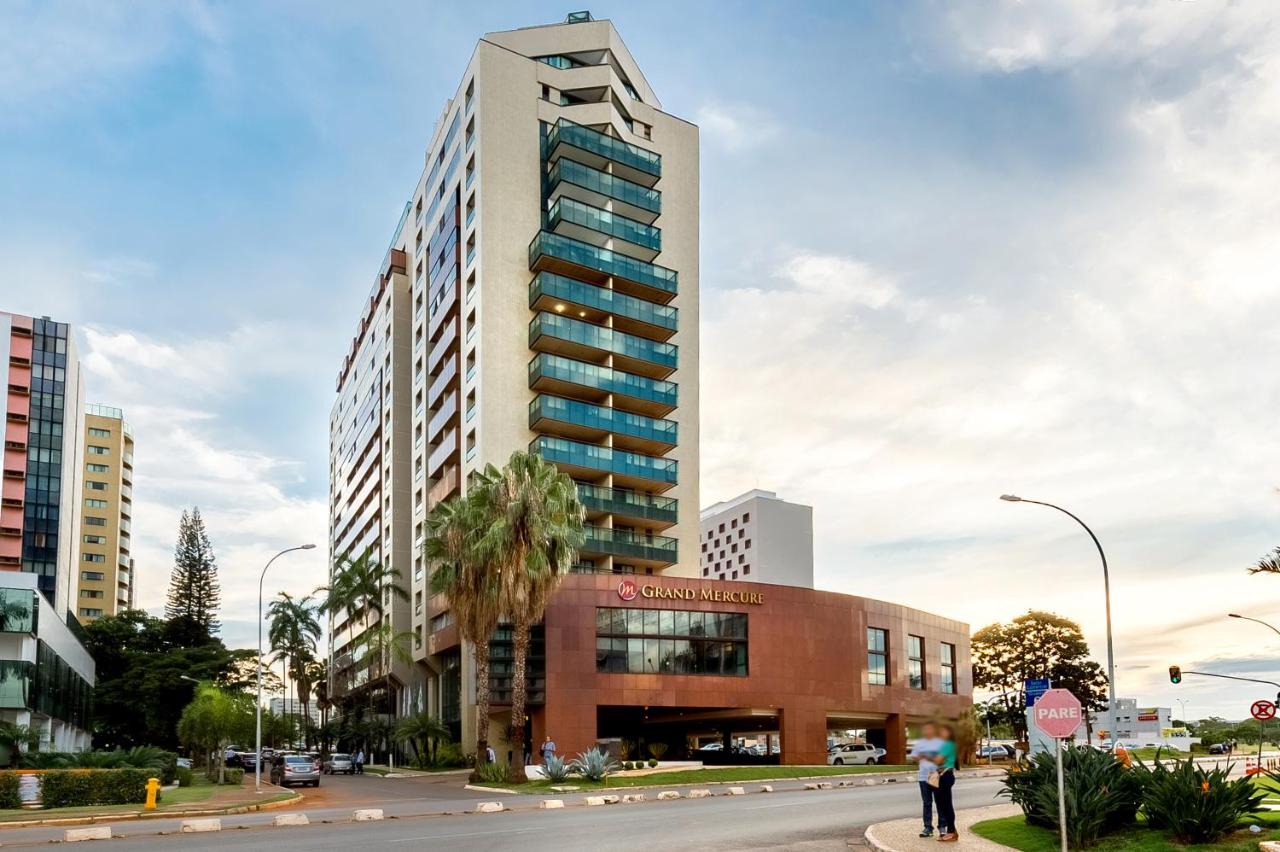



Discover Brasilia
For those interested in history and culture, Brasilia has plenty to offer. The city is home to a number of museums, including the National Museum of the Republic, which houses a collection of contemporary art and hosts temporary exhibitions throughout the year.
If you're looking for a bit of relaxation, Brasilia has a number of parks and green spaces where you can unwind and enjoy the outdoors. The Parque da Cidade, for example, is the largest urban park in Latin America and features hiking trails, picnic areas, and even a lake where you can rent paddle boats.
Finally, no trip to Brasilia would be complete without trying some of the local cuisine. The city is known for its delicious traditional dishes, such as feijoada (a hearty stew made with black beans and meat) and pão de queijo (a cheese bread that is a popular snack).
Discovering Brasilia: Brazil's Capital Landmarks
Brasilia, the capital city of Brazil, is a unique destination that offers visitors a glimpse into a modernist utopia. The city was designed from scratch in the late 1950s by urban planner Lucio Costa and architect Oscar Niemeyer.
One of the most iconic landmarks in Brasilia is the Palácio do Planalto, the official workplace of the Brazilian president. The building's futuristic design is a perfect example of Niemeyer's architectural style, with its curved lines and white concrete exterior.
Another must-see attraction is the Catedral Metropolitana, a stunning modernist church that looks like it was carved out of concrete. The interior is just as impressive, with a series of stained glass windows that create a kaleidoscope of colors when the sun shines through them.
Ponte JK is another architectural marvel that spans the Paranoá Lake. The bridge was named after former Brazilian president Juscelino Kubitschek, who played a major role in the development of Brasilia. The bridge's unique design features a series of arches that seem to float above the water.
The Memorial JK is a museum dedicated to the life and legacy of President Kubitschek. The museum is housed in a building designed by Niemeyer, and features exhibits that showcase the president's achievements during his time in office.
For those who want to experience Brasilia's natural beauty, Parque Nacional de Brasília is a must-visit destination. The park covers over 42,000 hectares and is home to a wide variety of flora and fauna. Visitors can hike through the park's trails, go birdwatching, or simply enjoy a picnic surrounded by nature.
Whether you're interested in architecture, history, or nature, Brasilia has something for everyone. Its unique blend of modernist design and natural beauty make it one of the most fascinating cities in Brazil.
Discover Brasilia: Brazil's Modern Capital City
Brazil's capital city, Brasilia, is a masterpiece of modern architecture and urban planning. Built from scratch in the late 1950s, Brasilia was designed to be a symbol of Brazil's progress and modernity.
The city's unique layout was designed by architect Oscar Niemeyer and urban planner Lucio Costa. The main government buildings are located in the center of the city, while residential areas and commercial zones are segregated into different sectors. The city's roads were designed to resemble an airplane, with the main government buildings at the point where the wings would meet.
One of the most striking features of Brasilia is its modernist architecture. Many of the city's buildings were designed by Oscar Niemeyer, and feature bold, futuristic designs. Some notable examples include the National Congress Building, the Cathedral of Brasilia, and the Palacio da Alvorada.
Brasilia is also home to a number of important museums and cultural institutions. The National Museum of the Republic houses a collection of Brazilian art and history, while the Brasilia National Theatre is a popular venue for concerts and performances.
Despite its modernity, Brasilia has not forgotten its roots. The city is home to a number of traditional markets and cultural events, where visitors can experience the vibrant culture of Brazil.
Population of Brasilia: Facts and Figures
Brasilia is the capital city of Brazil, and it is located in the central-western region of the country. The city was founded in 1960 and was built to serve as the new capital of Brazil, replacing Rio de Janeiro. Brasilia was planned and designed by architect Oscar Niemeyer and urban planner Lúcio Costa, and it is known for its unique architecture and modernist design.
The population of Brasilia is approximately 3 million people, making it the fourth-largest city in Brazil. The city has a diverse population, with people from all over Brazil and other countries living there. Brasilia is also home to various government institutions, including the Brazilian Congress, the Supreme Court, and the presidential palace.
The city is divided into administrative regions, and each region has its own unique characteristics and demographics. The largest administrative region in Brasilia is the Plano Piloto, which is the central area of the city where most of the government buildings and commercial areas are located. Other administrative regions include Lago Sul, Lago Norte, and Guará.
Brasilia has a high standard of living compared to other cities in Brazil, with a strong economy and a well-educated population. The city is home to several universities and research institutions, as well as a thriving business sector. Brasilia also has a vibrant cultural scene, with numerous museums, theaters, and art galleries.
Despite its many strengths, Brasilia also faces several challenges related to urbanization and inequality. Like many large cities in Brazil, Brasilia has a significant population of people living in poverty, and there are also issues related to crime and violence. The city is working to address these challenges and improve the quality of life for all of its residents.
In conclusion, Brasilia is a unique and fascinating locality in Brazil that offers a blend of modern architecture, rich culture, and natural beauty. The city's well-planned layout, iconic buildings, and scenic landscapes make it a popular destination for tourists and a great place to live for locals. Despite being a relatively young city, Brasilia has a rich history and an interesting story that is worth exploring. Whether you are interested in architecture, culture, or nature, Brasilia has something to offer. It is a must-visit destination for anyone traveling to Brazil, and a great place to call home for those who are lucky enough to live there.