







Discover Guimarães
If you're a fan of religious architecture, then you won't want to miss the Guimarães Cathedral. This impressive 13th-century cathedral features a mix of Romanesque and Gothic styles and is a popular spot for visitors and locals alike.
Aside from its historic sites, Guimarães also boasts a lively cultural scene. The town is home to several museums, art galleries, and theaters, and hosts a variety of festivals and events throughout the year.
Of course, no visit to Guimarães would be complete without sampling some of the local cuisine. The town is known for its hearty, traditional dishes, such as cozido à portuguesa (a stew made with various meats and vegetables) and bacalhau à brás (a dish made with cod, potatoes, and eggs).
Discover Guimarães Portugal's Charm
Located in the northern region of Portugal, Guimarães is a charming and historic city that is often overlooked by tourists. However, those who take the time to visit will be rewarded with a glimpse into Portugal's rich cultural heritage and breathtaking natural beauty.
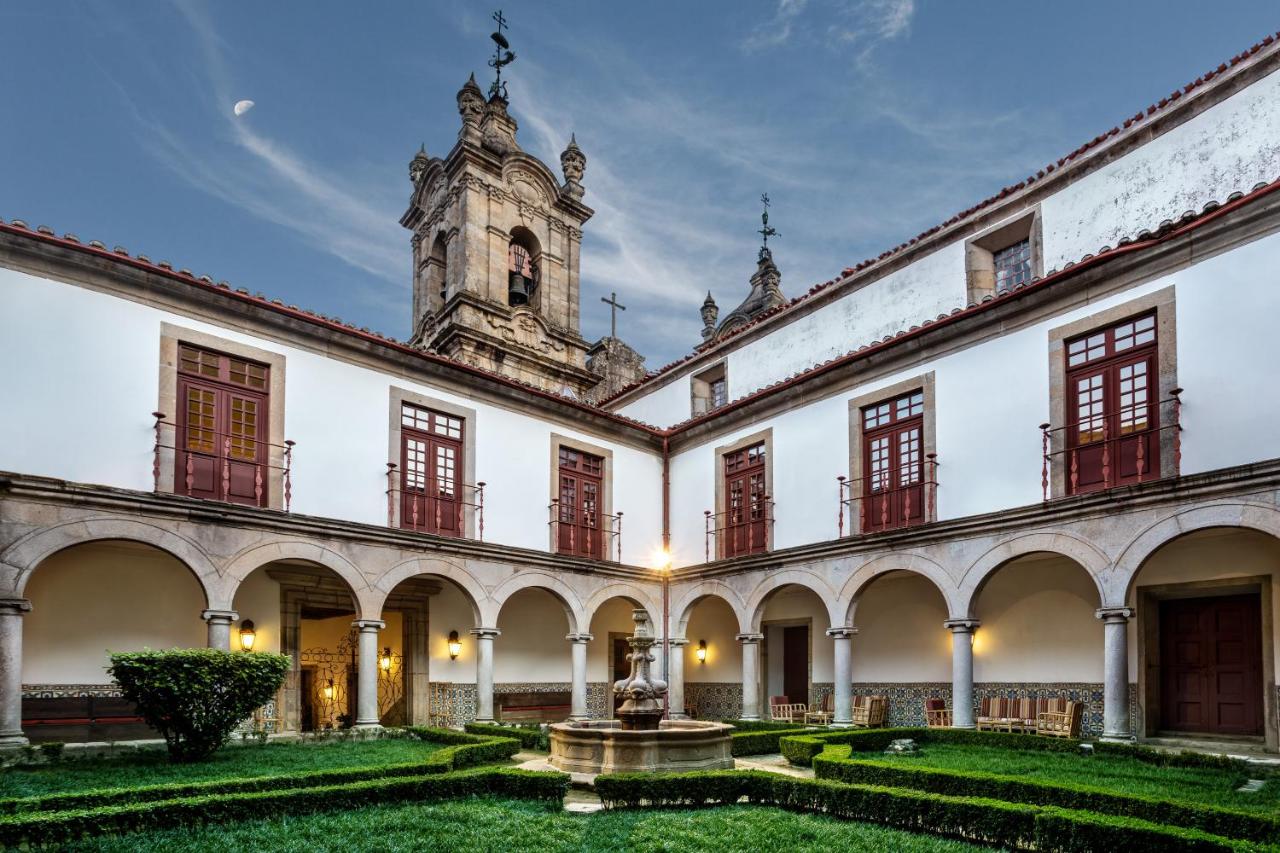
At the heart of Guimarães is its historic center, which was declared a UNESCO World Heritage Site in 2001. The narrow streets and alleys are lined with traditional buildings, shops, and restaurants, making it the perfect place to wander and get lost. The centerpiece of the historic center is the impressive Guimarães Castle, which dates back to the 10th century. Visitors can climb the castle walls for stunning views of the city and surrounding countryside.
Another must-see attraction in Guimarães is the Palace of the Dukes of Braganza. This 15th-century palace was once the residence of the first Duke of Braganza and is now a museum showcasing the history and culture of the region. Visitors can explore the palace's many rooms and admire the impressive collection of artwork and artifacts.
For those who love nature, Guimarães is surrounded by stunning countryside and is the perfect base for outdoor activities. The nearby Penha Mountain offers hiking trails and panoramic views of the region, while the Ave River provides opportunities for kayaking and fishing.
Foodies will also love Guimarães, which is known for its delicious cuisine. Local specialties include bacalhau (salt cod), cozido (stew), and the famous Portuguese custard tarts, pastéis de nata.
Discovering Guimarães: Portugal's Hidden Gem
Discovering Guimarães: Portugal's Hidden Gem
Located in the northern region of Portugal, Guimarães is a city that is often overlooked by tourists visiting the country. However, this hidden gem is a must-visit destination for anyone looking to experience the rich history and culture of Portugal.
Guimarães is known as the birthplace of Portugal, as it was here that the country's first king, Afonso Henriques, was born in the 12th century. The city's historic center, which is a UNESCO World Heritage site, is home to numerous medieval buildings and structures, such as the Guimarães Castle and the Palace of the Dukes of Braganza.
Aside from its historical significance, Guimarães is also a hub for culture. The city hosts numerous festivals throughout the year, such as the Guimarães Jazz Festival and the Gualterianas Festival, which celebrates the city's patron saint. Additionally, the Centro Cultural Vila Flor is a cultural center that hosts concerts, theater performances, and art exhibitions.
Foodies will also find plenty to love in Guimarães. The city is known for its traditional dishes, such as cozido à portuguesa (a stew made with various meats and vegetables) and bacalhau com broa (cod with cornbread). Visitors can also enjoy local wines, such as the Vinho Verde, which is produced in the nearby Minho region.
For those who enjoy outdoor activities, Guimarães offers plenty of opportunities for hiking and cycling in its surrounding hills and forests. Visitors can also take a stroll through the city's parks and gardens, such as the Parque da Cidade and the Jardim do Carmo.
Discovering the Meaning of Guimarães in Portuguese
Guimarães is a city located in the northwestern part of Portugal, known for its historical significance and cultural heritage. Its name has a deep meaning that reflects the city's past and present.
The name Guimarães is derived from the Latin word Vimaranis, which means "the land of Vimara" or "the domain of Vimara Peres." Vimara Peres was a nobleman who ruled the region in the 9th century and was responsible for the foundation of the city.
Throughout history, Guimarães was the birthplace of Portugal's first king, Afonso Henriques, and played a crucial role in the country's foundation. In the 12th century, the city was the site of the Battle of São Mamede, which marked the beginning of the Portuguese national identity.
Guimarães has a rich cultural heritage and is known for its well-preserved medieval architecture. In 2001, the city was declared a UNESCO World Heritage Site for its historical significance and cultural value.
Today, Guimarães is a vibrant city that attracts visitors from all over the world. Its charming streets, museums, and cultural events make it a popular destination for tourists interested in exploring Portugal's history and culture.
Discover Guimarães Portugal's Population
Guimarães is a city located in the northwestern region of Portugal with a population of approximately 158,000 inhabitants. The city is known for its rich history as it played a significant role in the formation of Portugal as a nation. In fact, Guimarães is often referred to as the "birthplace of Portugal" as it was the first capital of the country during the 12th century.
Despite its historical significance, Guimarães is also a thriving modern city with a diverse population. The majority of the population is Portuguese, but there are also significant communities of Brazilians, Angolans, and Cape Verdeans.
The city's population has grown steadily in recent years, with an increase of approximately 10,000 inhabitants between 2011 and 2021. This growth can be attributed to a combination of factors, including immigration and a high birth rate.
One of the most notable demographic trends in Guimarães is the aging population. The percentage of residents aged 65 and over has been steadily increasing in recent years, and this trend is expected to continue in the coming decades. This presents both challenges and opportunities for the city, as it will need to adapt to the needs of an aging population while also finding ways to attract younger residents.
In conclusion, Guimarães is a charming locality that has preserved its rich history and traditions while embracing modernity. The city's historical center, which is a UNESCO World Heritage Site, is a must-see for anyone interested in exploring Portugal's past. Visitors can also enjoy the city's vibrant cultural scene, delicious cuisine, and beautiful natural surroundings. With its friendly locals and welcoming atmosphere, Guimarães is an ideal destination for those looking for an authentic Portuguese experience.